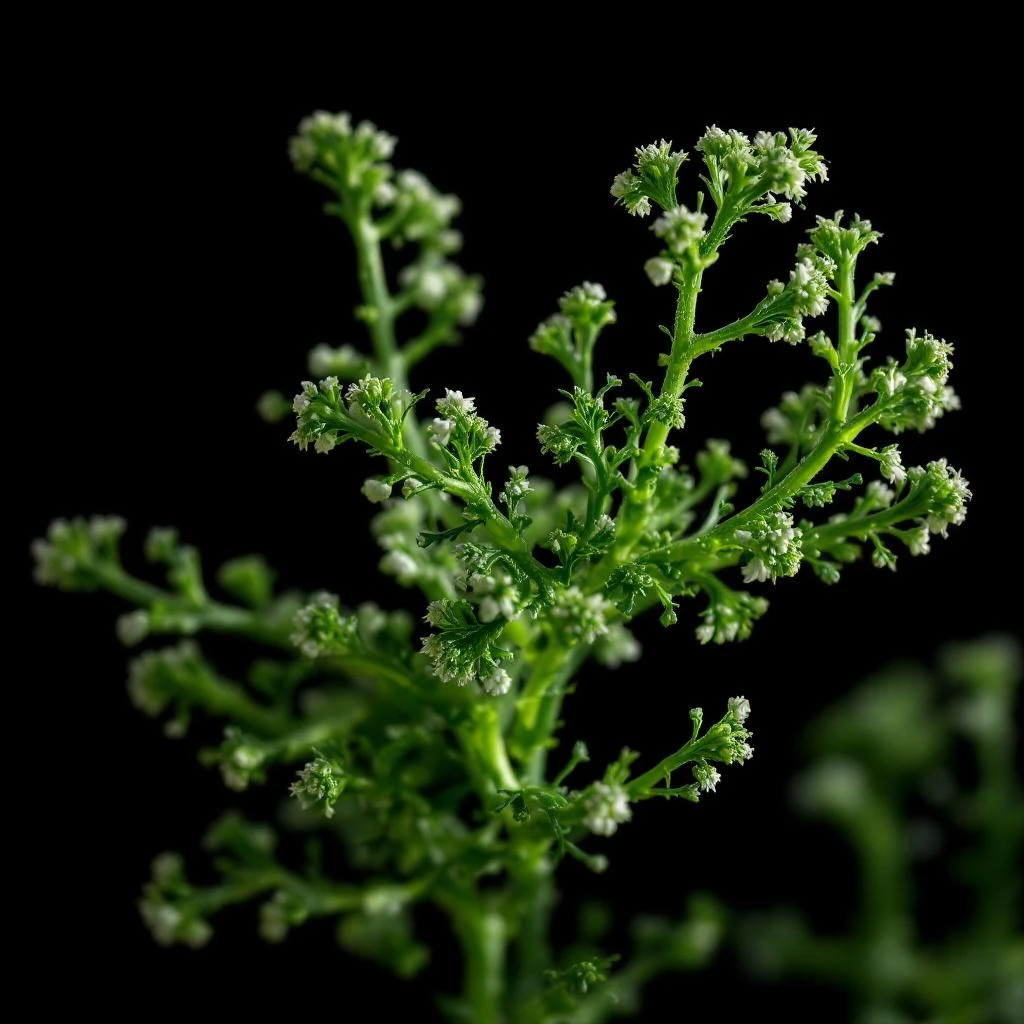
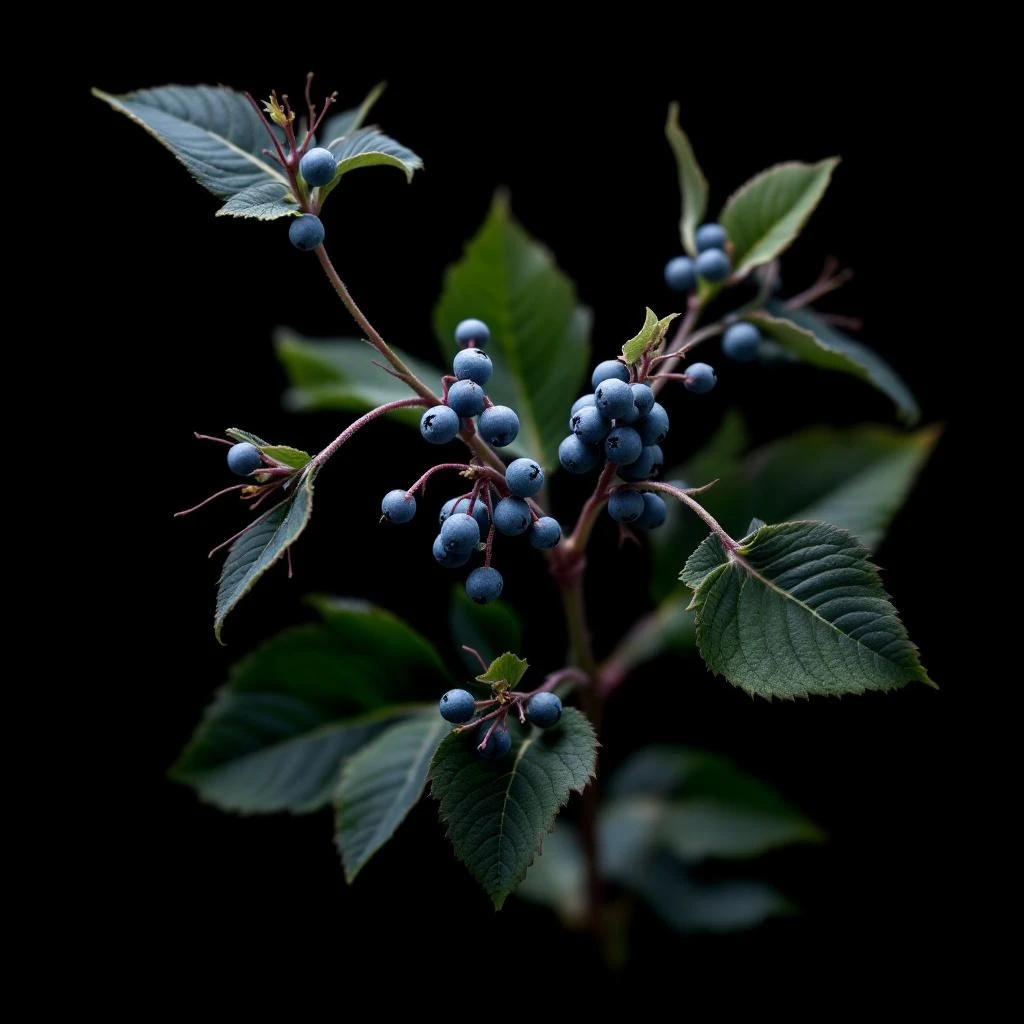
Cistus Creticus
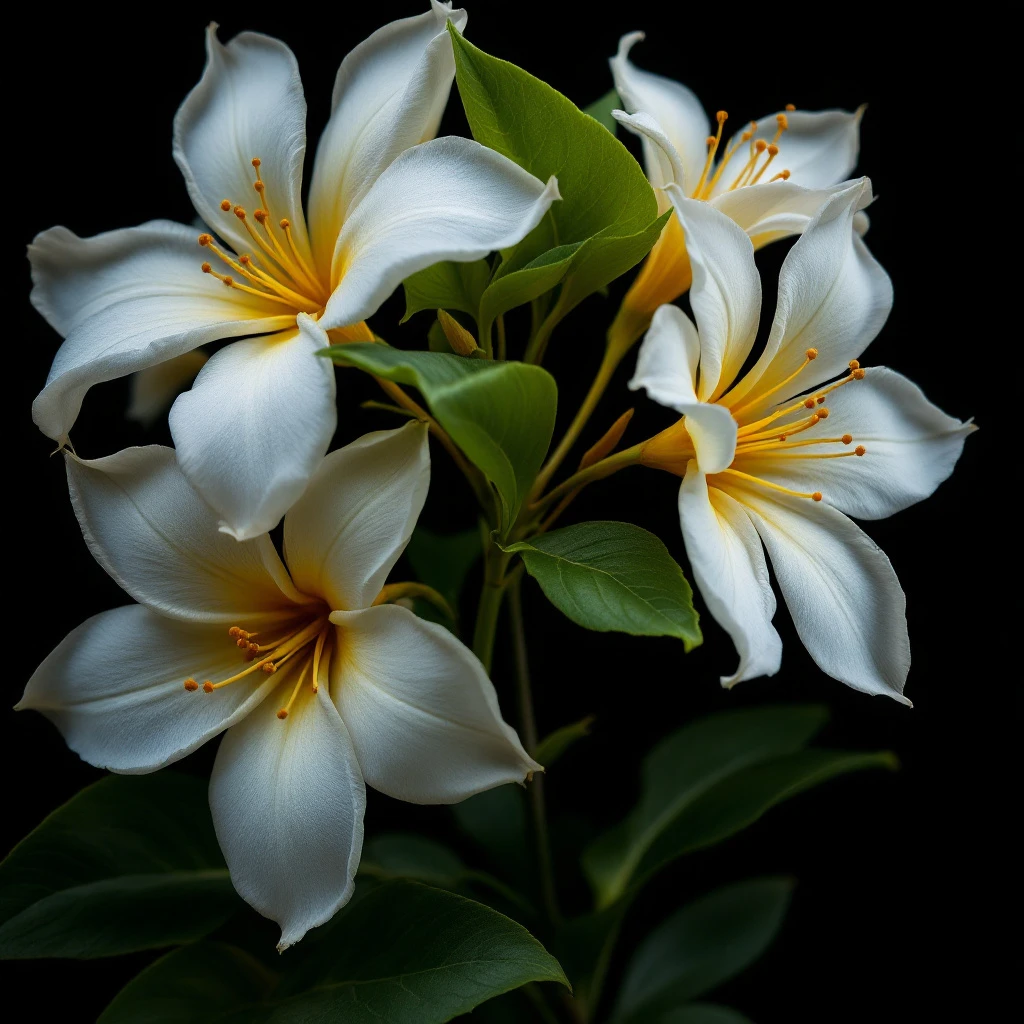
Cistus creticus, the Mediterranean shrub behind labdanum resin, has perfumed human civilization for millennia. Its warm, ambered complexity anchors oriental fragrances and ancient incense traditions alike.
Character
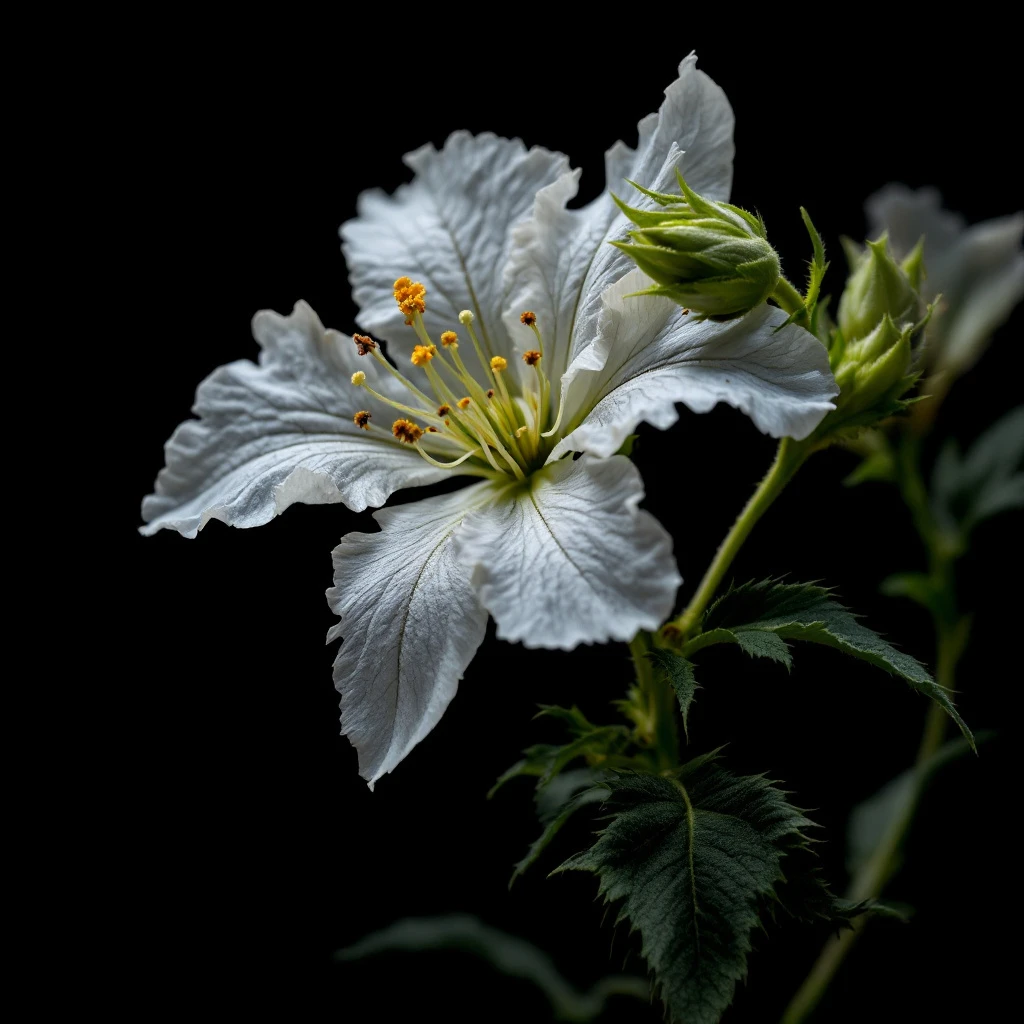
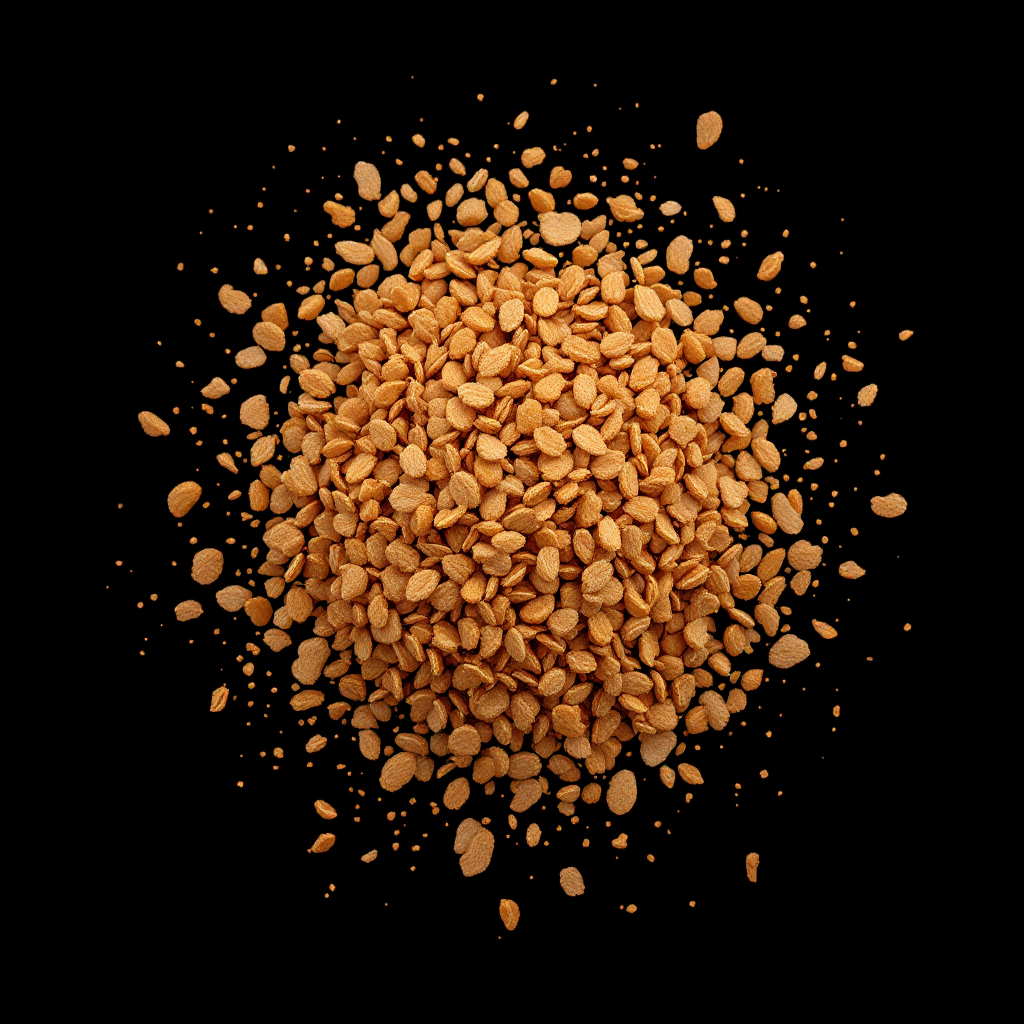
How it smells
Three thousand years of Mediterranean fragrance tradition.
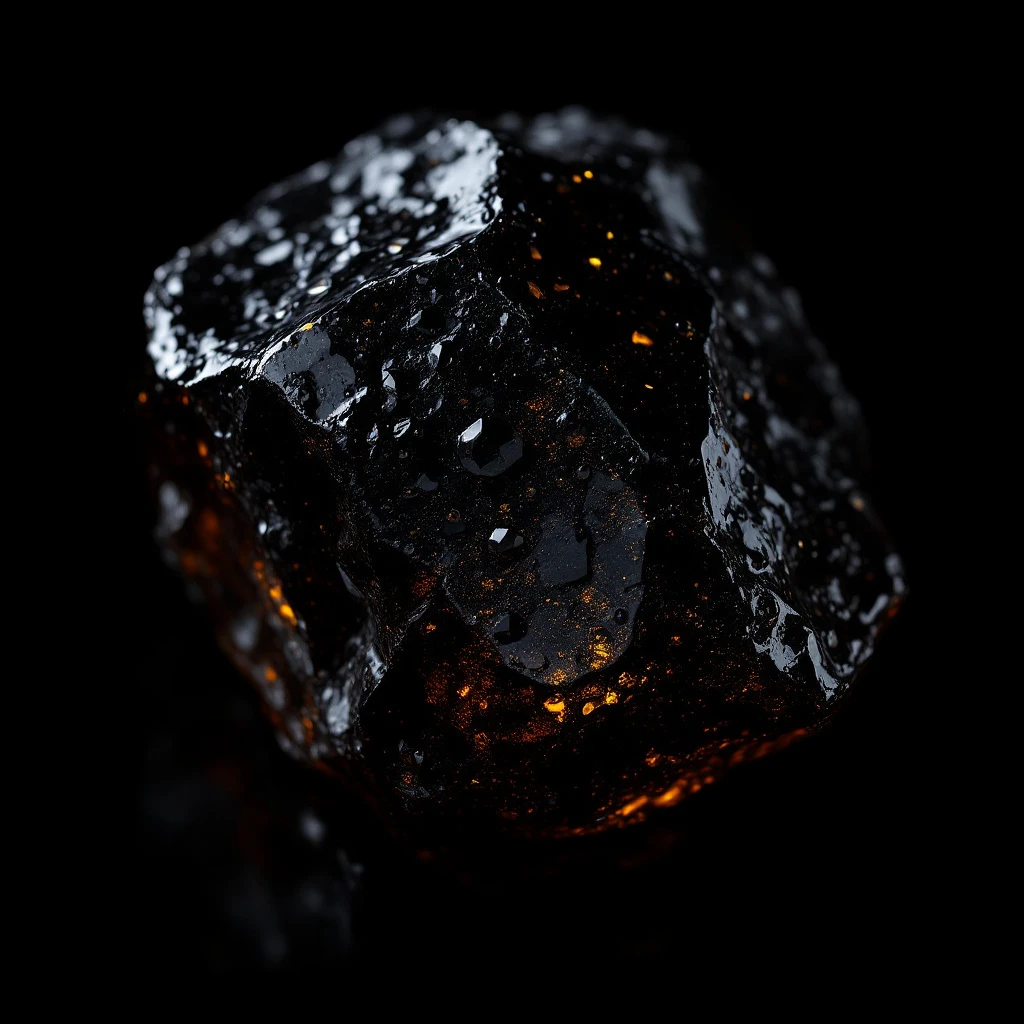
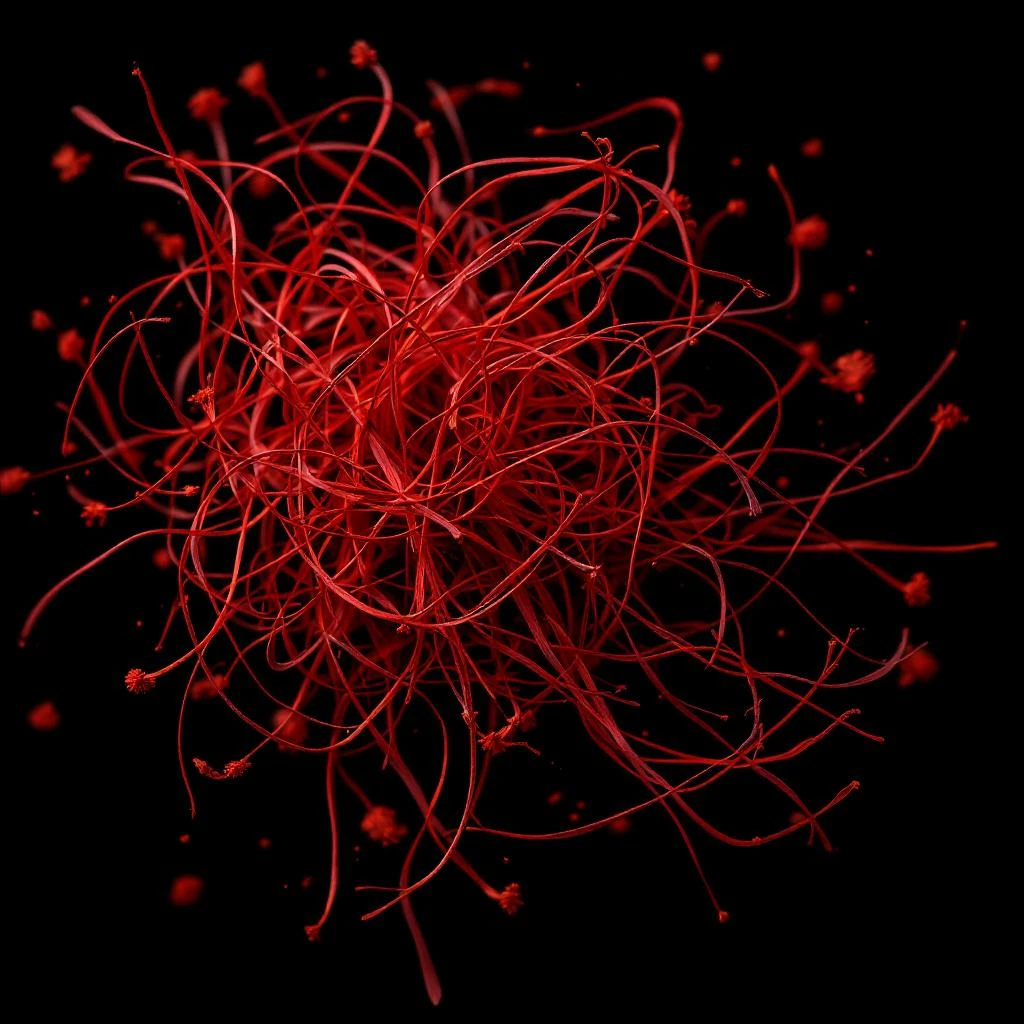
Ancient collectors combed goats' beards after they grazed on cistus, harvesting labdanum that clung to the hair.



Origin
Greece
Cistus creticus grows wild across the rocky landscapes of Crete, Greece, and surrounding Mediterranean shores. Ancient Egyptians burned labdanum as incense and incorporated it into medicinal preparations.
Greek physicians including Dioscorides documented its therapeutic properties in the first century. Phoenician traders transported labdanum throughout the Mediterranean, where it became a cornerstone of the ancient perfume industry.
Roman authors mentioned labdanum in their texts, and Arab perfumers of the medieval period formalized its use in their formulations. This botanical has never fallen out of favor, maintaining its role in perfumery from antiquity through the modern era.
Wears it best
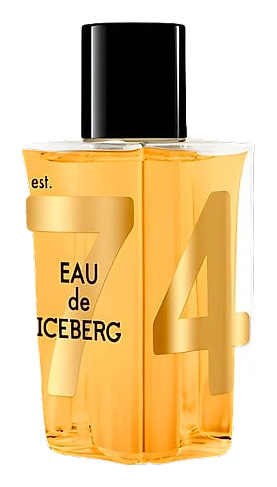
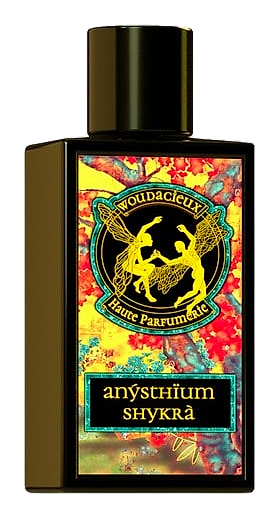
Fragrances featuring Cistus Creticus
Brands
Brands known for Cistus Creticus
Good to know
Questions, answered
The essentials on Cistus Creticus in perfumery: how it smells, where it comes from, and how it behaves on skin.
What does Cistus creticus smell like?
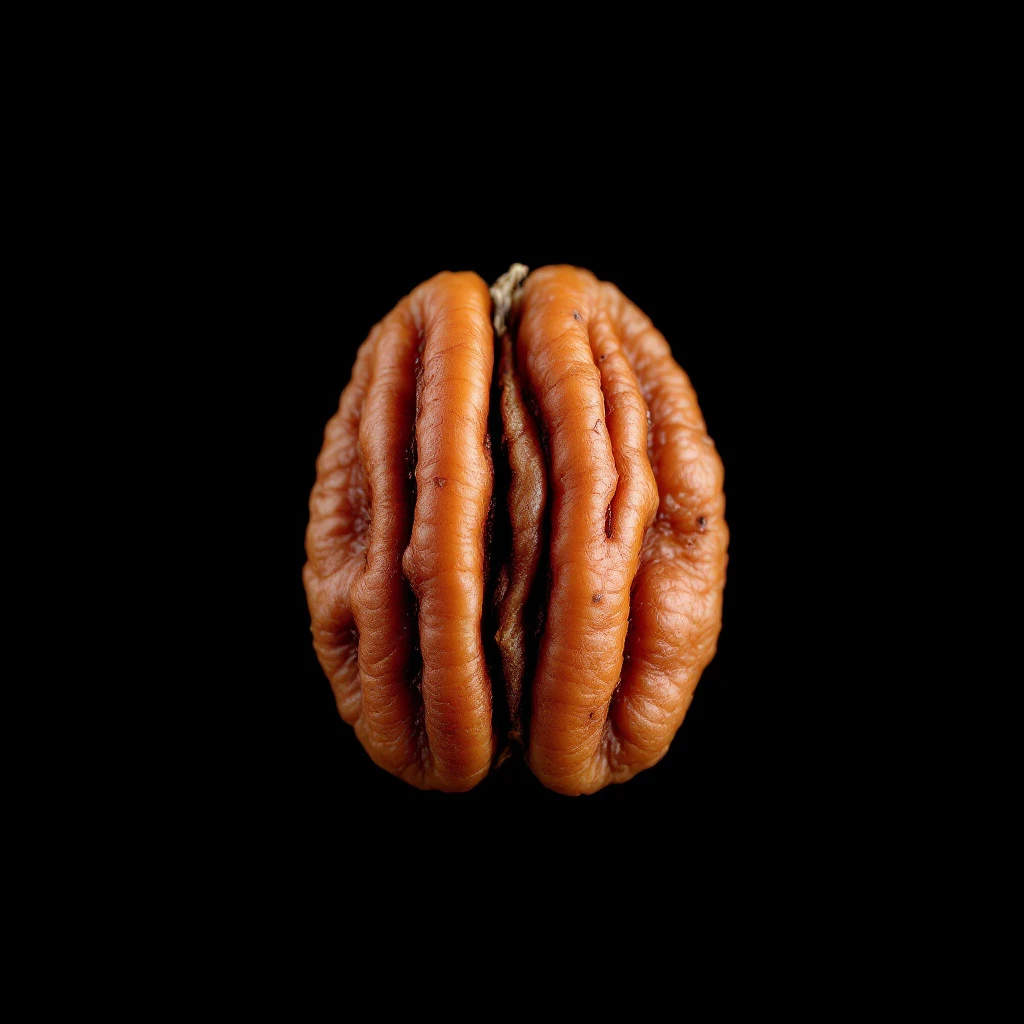
Cistus creticus delivers warm, resinous notes with amber undertones and a subtle leathery dryness. It reads as sweet-woody with a distinctive labdanum character that blends balsamic warmth into fragrance compositions.
How is Cistus creticus used in perfumery?
Cistus creticus appears primarily as labdanum absolute in fragrance bases. Perfumers use it to add depth and resinous warmth to oriental, woody, and fougère compositions, often as a fixative that stabilizes lighter top notes.
Is Cistus creticus natural or synthetic?
Cistus creticus used in fine fragrance is a natural ingredient. Labdanum absolute comes from solvent extraction of the living plant. Some fragrance producers have introduced captive aroma materials that mimic cistus character for cost and consistency reasons.
Where does Cistus creticus grow?
Cistus creticus thrives in Mediterranean climates across Greece, Crete, and southern Spain. The plant grows wild in rocky, sun-exposed terrain with poor soil, producing its resin most densely during peak summer heat.
What is the difference between Cistus creticus and Cistus ladanifer?
Cistus ladanifer is a larger species native to the Iberian Peninsula, producing labdanum with a slightly lighter, more floral character. Cistus creticus, from the eastern Mediterranean, yields a deeper, richer resin with more pronounced amber and leather facets.
Has Cistus creticus been used historically?
Ancient Egyptians and Greeks used labdanum from cistus for incense and medicine. Historical texts from the first century document its regular use in perfumery and therapeutic applications across the Mediterranean world.
What fragrance families use Cistus creticus?
Oriental fragrances rely most heavily on cistus-derived labdanum for their warm, ambery foundations. Woody and chypre compositions also use it frequently, as do certain fougère and leather fragrance structures.
Does Cistus creticus appear in food and beverages?
Labdanum from Cistus creticus has a minor role in flavor production. It appears in some vermouth formulations and bitter liqueurs, contributing bitter-balsamic depth to these alcoholic beverages.