Brazilian Pecan Nut
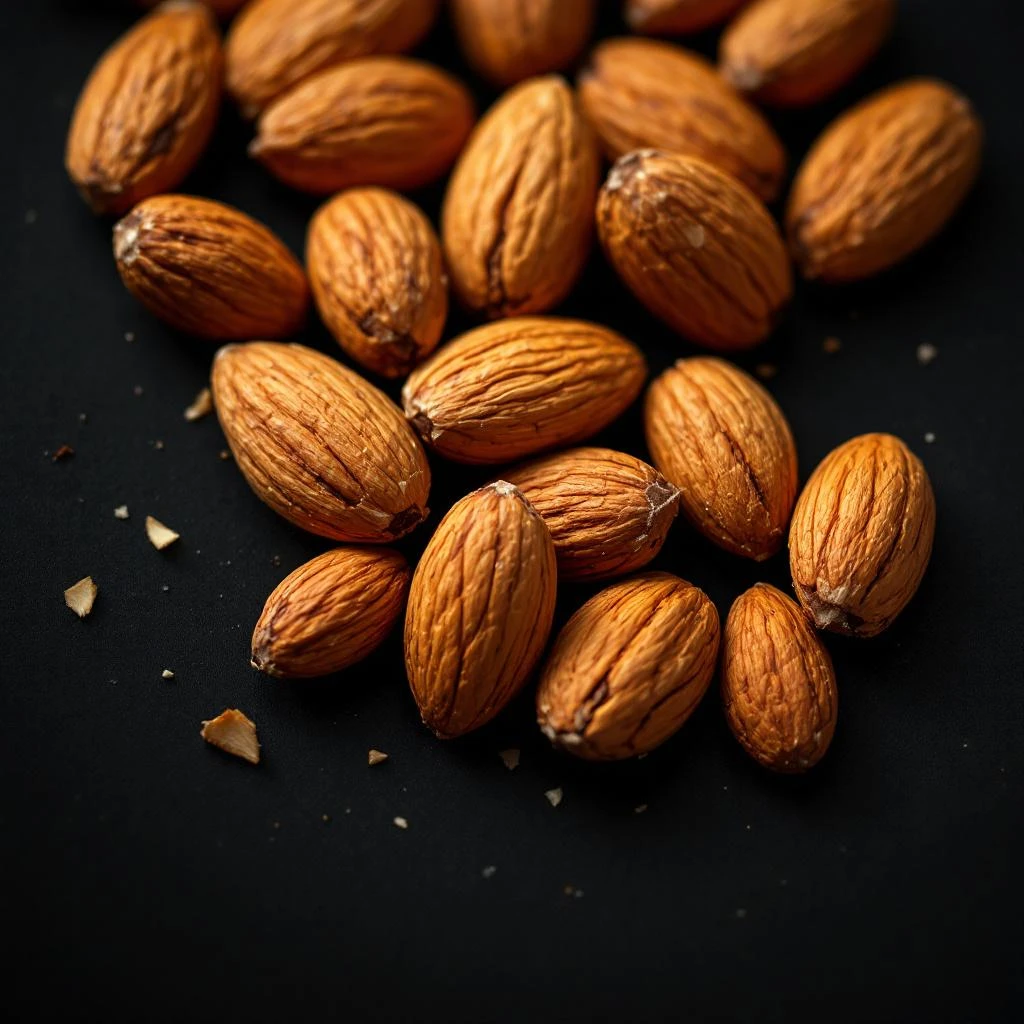
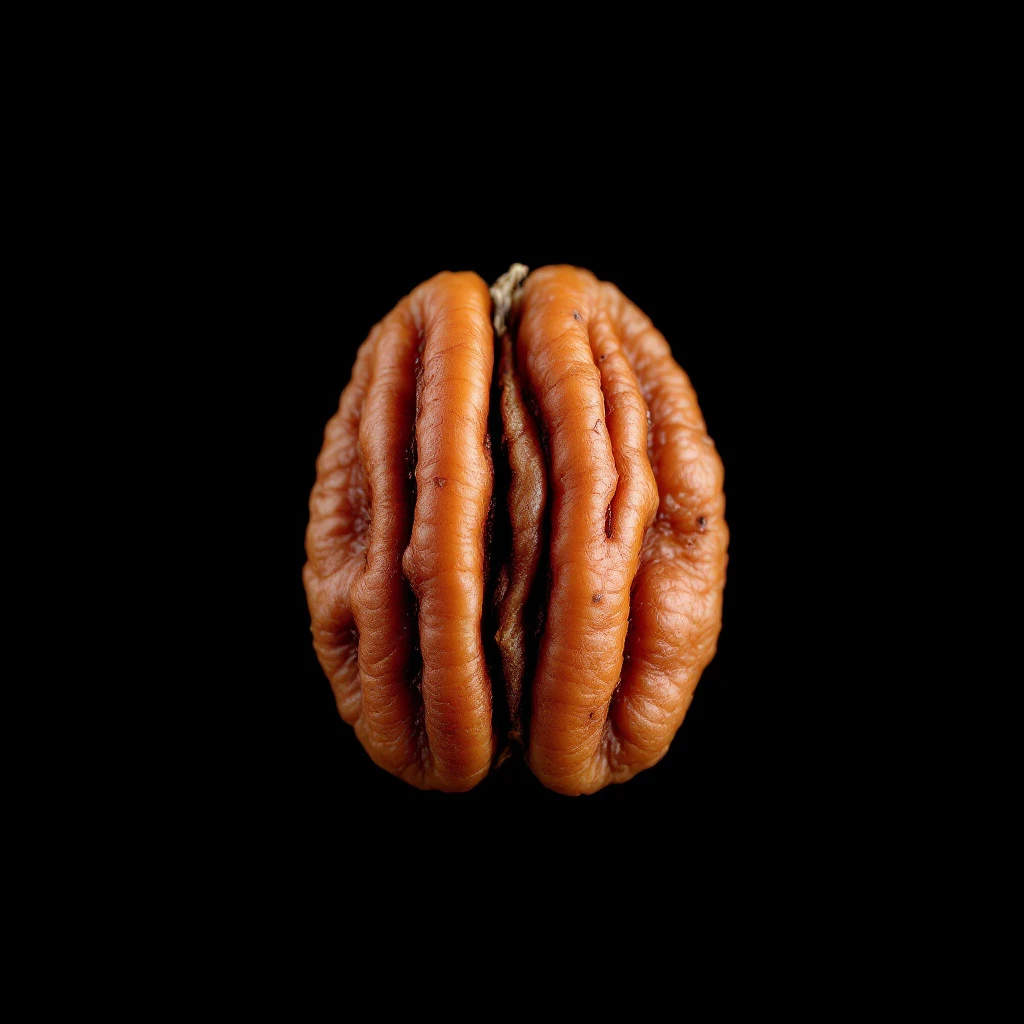
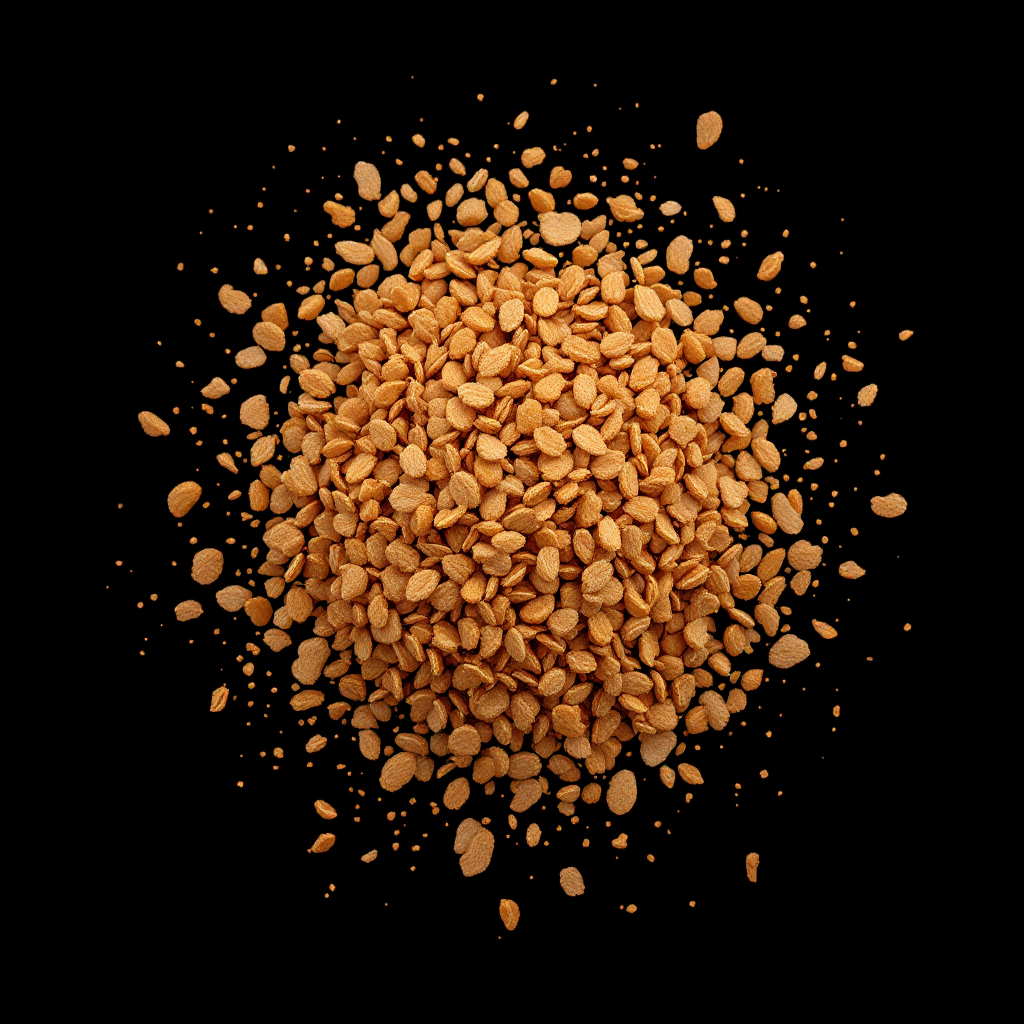
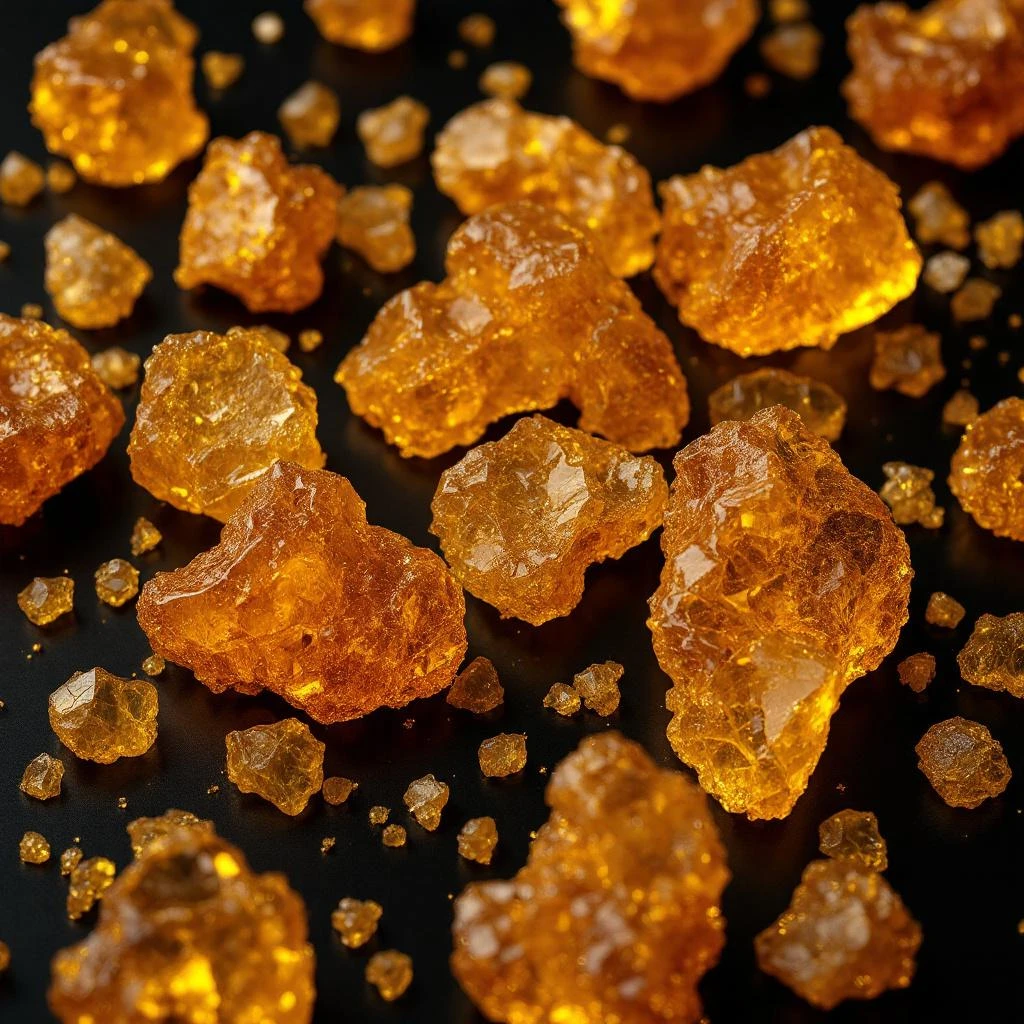
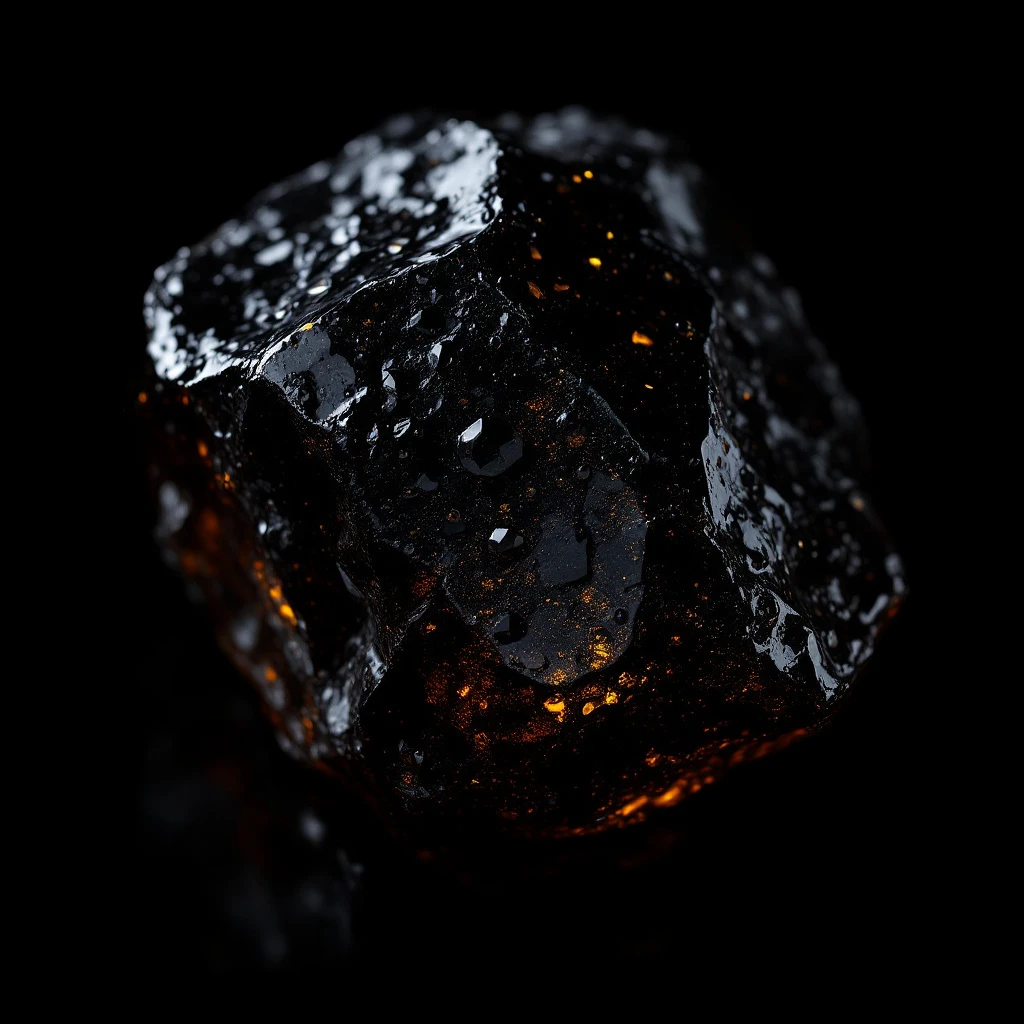
Brazilian Pecan Nut absolute captures the deep, buttery warmth of roasted nuts, bringing an edible richness that grounds oriental and gourmand fragrances with natural sophistication.
Character
How it smells
Rich, buttery warmth from roasted South American groves.
Pecan nuts contain natural lactones that develop their characteristic buttery note only after roasting, similar to how coffee beans develop aroma during processing.


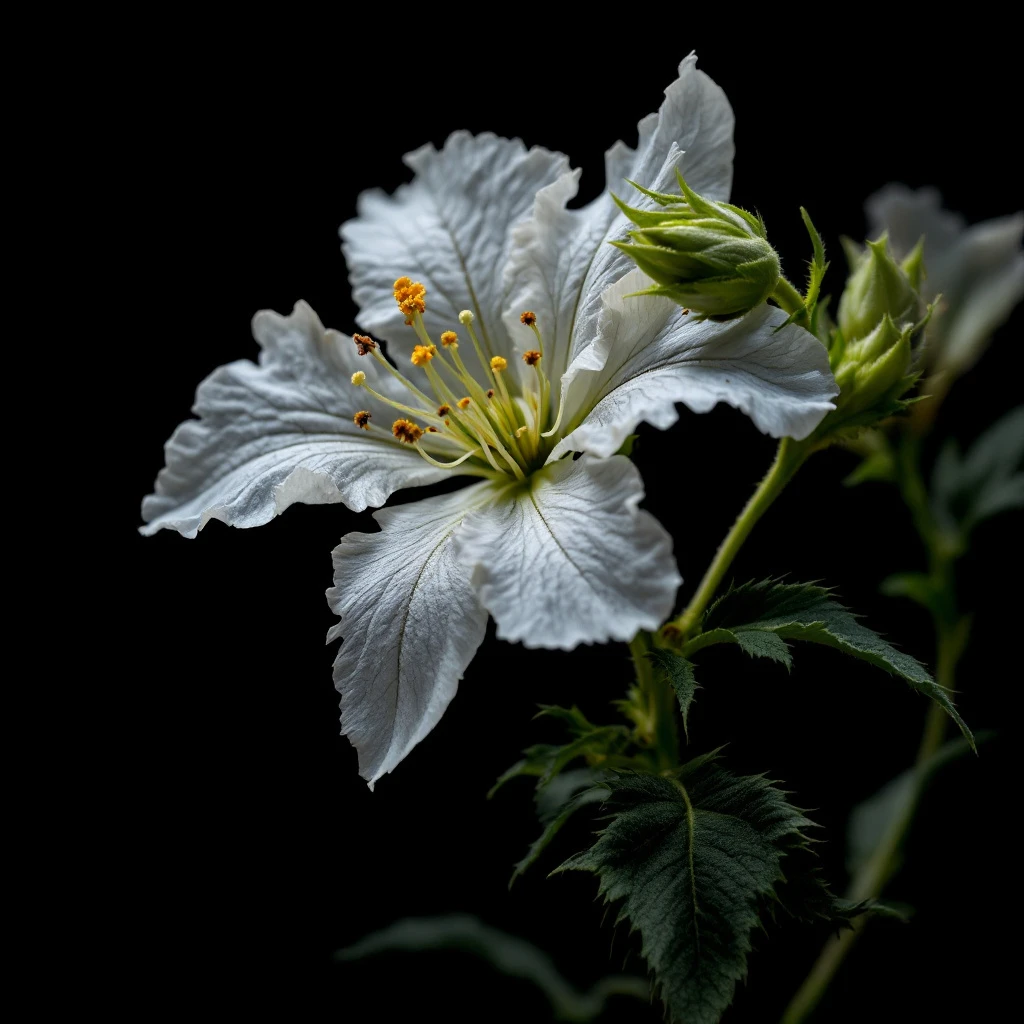
Origin
Brazil
While pecan trees originated in North America, Brazil emerged as a significant producer during the early twentieth century when agricultural settlers introduced cultivation to Rio Grande do Sul. Indigenous peoples across South America have long valued nut-bearing trees for food and oil, establishing traditions that later influenced regional agriculture.
Brazilian pecan cultivation expanded commercially through the mid-century, and perfumers eventually adopted the nuts as a source material for their aromatic absolute. The ingredient represents a modern convergence: North American botanical heritage meets South American agricultural expertise to create a material now recognized in fine fragrance for its warm, comforting character.
Wears it best
Fragrances featuring Brazilian Pecan Nut
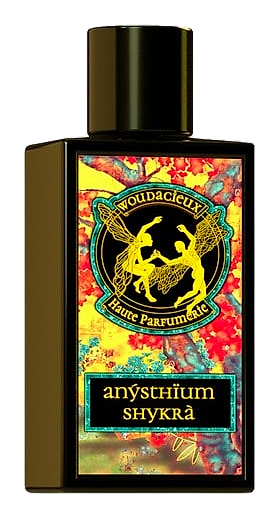
Brands
Brands known for Brazilian Pecan Nut
Good to know
Questions, answered
The essentials on Brazilian Pecan Nut in perfumery: how it smells, where it comes from, and how it behaves on skin.
What does Brazilian Pecan Nut smell like in a fragrance?
Brazilian Pecan Nut absolute delivers a warm, buttery aroma with toasted, slightly sweet undertones. It reads as edible and comforting, similar to marzipan or roasted hazelnut but with its own distinct nutty character. The note typically performs as a heart or base component that adds depth and sensuality to compositions.
Is Brazilian Pecan Nut a natural or synthetic ingredient?
Brazilian Pecan Nut is a natural aromatic material. Perfumers obtain it through solvent extraction or supercritical CO2 extraction of roasted pecan kernels. These processes concentrate the nut's naturally occurring lactones and aldehydes into a potent absolute suitable for fragrance use.
Which fragrance families commonly use Brazilian Pecan Nut?
Brazilian Pecan Nut appears frequently in oriental and gourmand fragrances where it contributes warmth and edibility. Perfumers also use it in woody and ambery compositions to add roundness and natural richness. The note works particularly well in autumn and winter scent profiles.
What extraction method best preserves pecan nut aroma?
Supercritical CO2 extraction generally preserves the fullest aromatic profile of pecan nuts. This method operates at lower temperatures than steam distillation and captures a broader range of volatile compounds, including the lactones responsible for the characteristic buttery note. Solvent extraction also produces quality results with high aromatic concentration.
How does Brazilian Pecan Nut perform in different product types?
Brazilian Pecan Nut absolute performs reliably in alcohol-based perfumes and oil-based attars. The material has good substantivity, meaning it lingers on skin for extended periods. In candle making and home fragrances, it contributes warm, nutty ambiance. Formulators note it works best when combined with other warm materials rather than used as a standalone note.
What complementary ingredients pair well with Brazilian Pecan Nut?
Vanilla, benzoin, and tonka bean enhance the sweet, gourmand quality of pecan. Sandalwood and amber add warmth and depth. For contrast, pairing with bergamot or green tea introduces freshness that prevents the composition from becoming too heavy. The nut note also combines naturally with other edible materials like honey and caramel.
Does Brazilian Pecan Nut have any safety concerns for perfumers?
IFRA guidelines classify pecan-derived materials as generally recognized as safe when properly processed. The absolute requires standard handling precautions for concentrated aromatic materials. Professional perfumers should obtain safety data sheets and follow recommended usage concentrations, which typically range from 0.1% to 5% depending on the application.
Why do perfumers specifically source pecan nuts from Brazil?
Brazilian pecans benefit from the country's distinct growing conditions in southern regions, where temperate climate and rich soil produce nuts with excellent oil content and aromatic potential. Brazilian agricultural standards ensure consistent quality and sustainable cultivation practices. The combination of geographic advantage and established supply chains makes Brazil a reliable source for premium nut-derived fragrance materials.