Philippine Jasmine Sambac
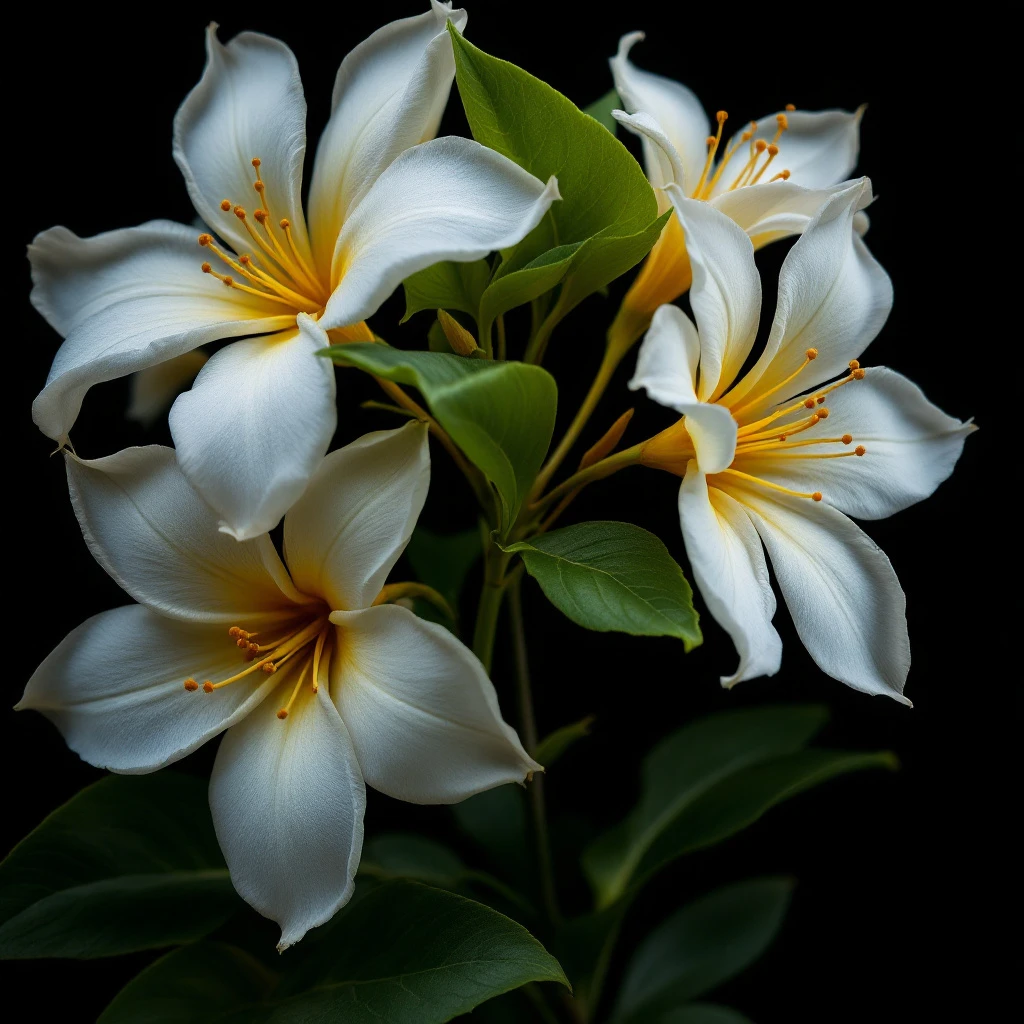
Philippine Jasmine Sambac carries a sun-warmed complexity that sets it apart from its Mediterranean relatives. Its signature green freshness and subtle fruity undertones create a distinctly tropical floral that blooms on skin with uncommon character.
Character
How it smells
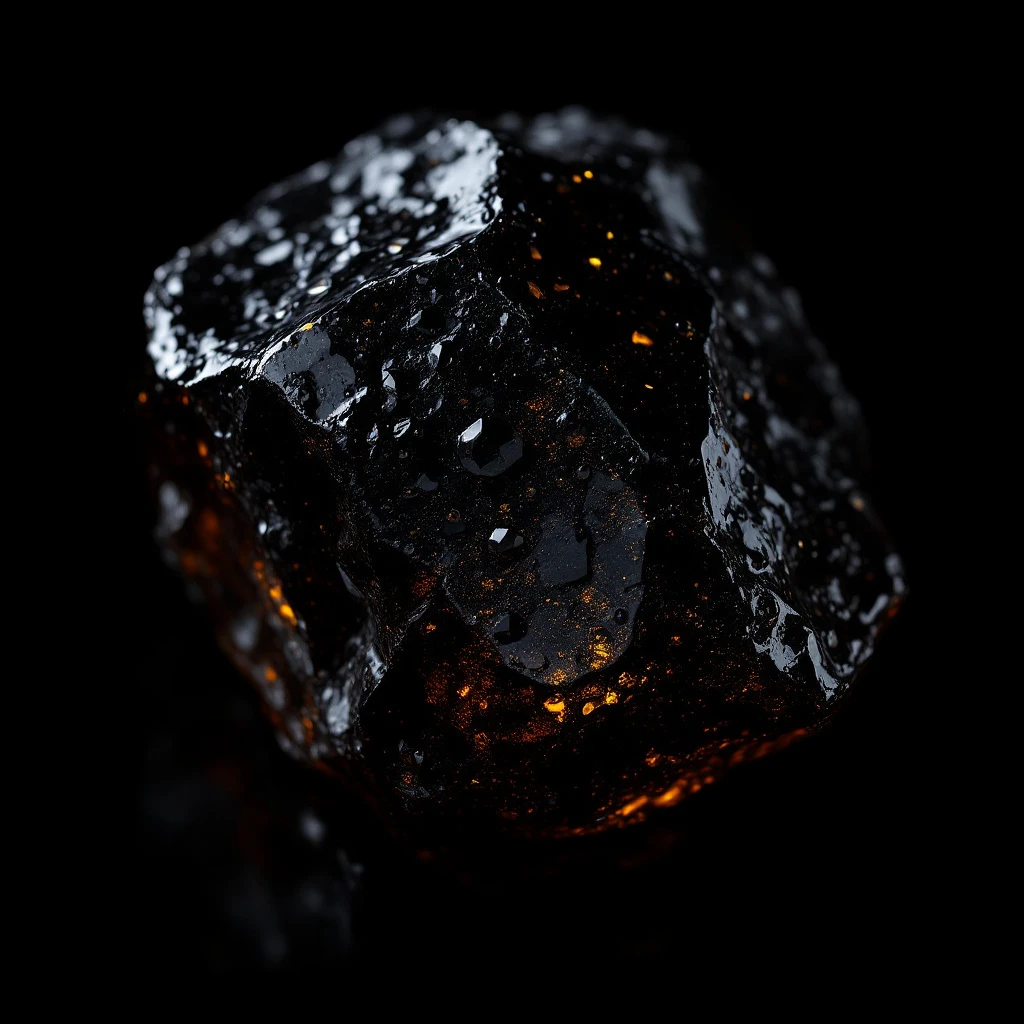
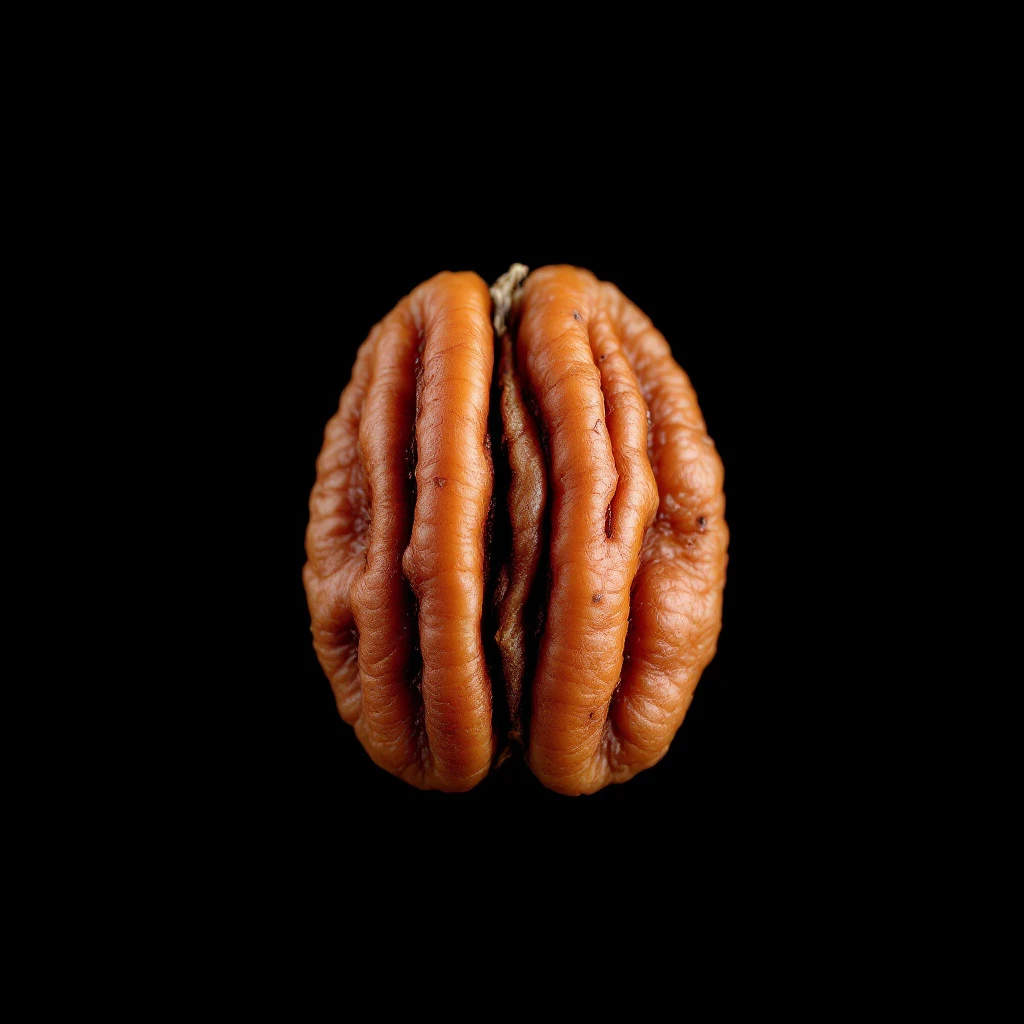
Tropical night-blooming jasmine with green, honeyed warmth.
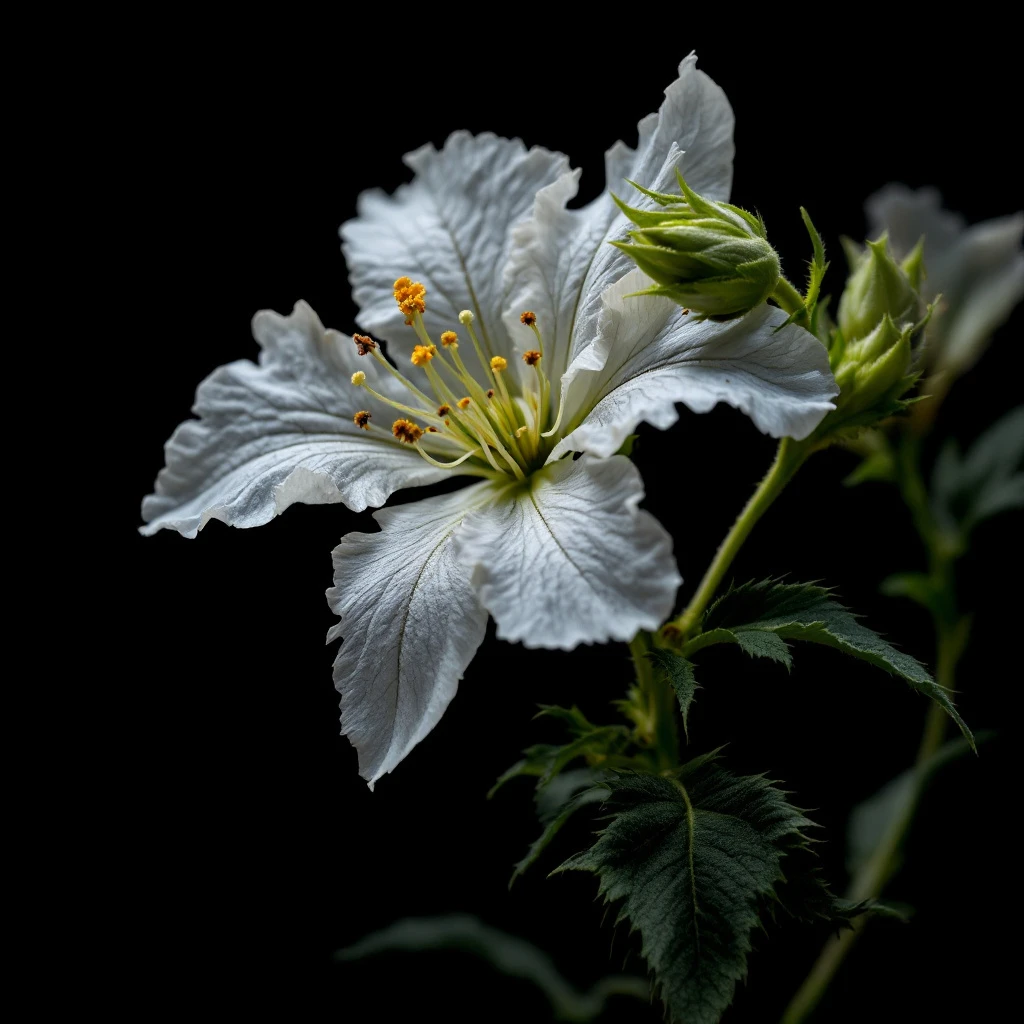
Philippine Jasmine Sambac is the national flower of the Philippines and requires 8,000 hand-picked blossoms to produce a single gram of absolute.


Origin
Philippines
Jasmine Sambac traces its origins to the eastern Himalayas, spreading through Southeast Asia where it found ideal growing conditions across the Philippines, India, and China. The species became embedded in local traditions across these regions, worn in hair garlands, used in religious offerings, and cultivated in courtyard gardens for centuries. Its spread followed ancient trade routes, carried by merchants and travelers who valued both its beauty and its intoxicating scent.
The Philippines adopted Jasminum sambac as its national flower, a testament to how thoroughly the plant integrated into Filipino culture and identity. In perfumery, Jasmine Sambac made its significant debut in the 1980s, when Western perfumers began recognizing its unique character. Unlike the rounder, more indolic profile of Jasminum officinale from Grasse, sambac offers crisper green notes, subtle fruity facets, and a honeyed warmth that performs differently across skin types and climate conditions. This distinction positioned it as a sought-after ingredient for perfumers seeking to differentiate their compositions with a distinctly Asian jasmine character.
Wears it best
Fragrances featuring Philippine Jasmine Sambac
Brands
Brands known for Philippine Jasmine Sambac
Good to know
Questions, answered
The essentials on Philippine Jasmine Sambac in perfumery: how it smells, where it comes from, and how it behaves on skin.
What makes Philippine Jasmine Sambac different from other jasmine varieties?
Philippine Jasmine Sambac offers greener, fruitier, and more honeyed notes compared to common jasmine. Its distinctly tropical character blooms with crisp freshness that differs from the deeper, more indolic profile of Mediterranean jasmine varieties.
Why is Jasmine Sambac so expensive to produce?
The harvest requires approximately 8,000 hand-picked blossoms to yield a single gram of absolute. Each flower opens for only a few hours and must be collected at dawn when aromatic compounds peak, making the process extraordinarily labor-intensive.
When does Jasmine Sambac flower?
The primary flowering season occurs in May and June. Harvesters collect flowers daily during this period, working in early morning hours before sunrise to capture blossoms at peak aromatic intensity.
What extraction method is used for Jasmine Sambac absolute?
Modern extraction uses supercritical carbon dioxide, which preserves the flower's fresh, green character while producing a purer absolute without solvent residue. Traditional enfleurage, where petals rested on cold fat, has been largely replaced by this more efficient technique.
What is Jasmine Sambac sepale absolute?
Sepale absolute derives from jasmine buds harvested in early morning, offering lower indole levels than petal-derived absolute. This produces a cleaner, greener scent profile prized for its subtlety and precision in fine fragrance compositions.
When did Jasmine Sambac become significant in perfumery?
Jasmine Sambac made its mark in fine perfumery during the 1980s. Before this period, jasmine sambac was primarily appreciated in Asian cultures for decorative and ceremonial purposes rather than as a luxury fragrance ingredient.
How many flowers does it take to make jasmine absolute?
Producing one gram of absolute requires roughly 8,000 jasmine blossoms. Each flower weighs very little, and the concentration of aromatic compounds means enormous quantities of petals are needed for even small batches of absolute.
What is the cultural significance of Jasmine Sambac in the Philippines?
Philippine Jasmine Sambac serves as the nation's national flower, reflecting its deep cultural integration. The flower appears in traditional garlands, religious ceremonies, and domestic gardens throughout the archipelago.





