Cinnamon Myrtle
Cinnamon myrtle is a native Australian leaf carrying warm, cinnamon-like sweetness with a peppery spice finish, distinct from true cinnamon bark.
Character
How it smells
Bush spice with a cinnamon soul
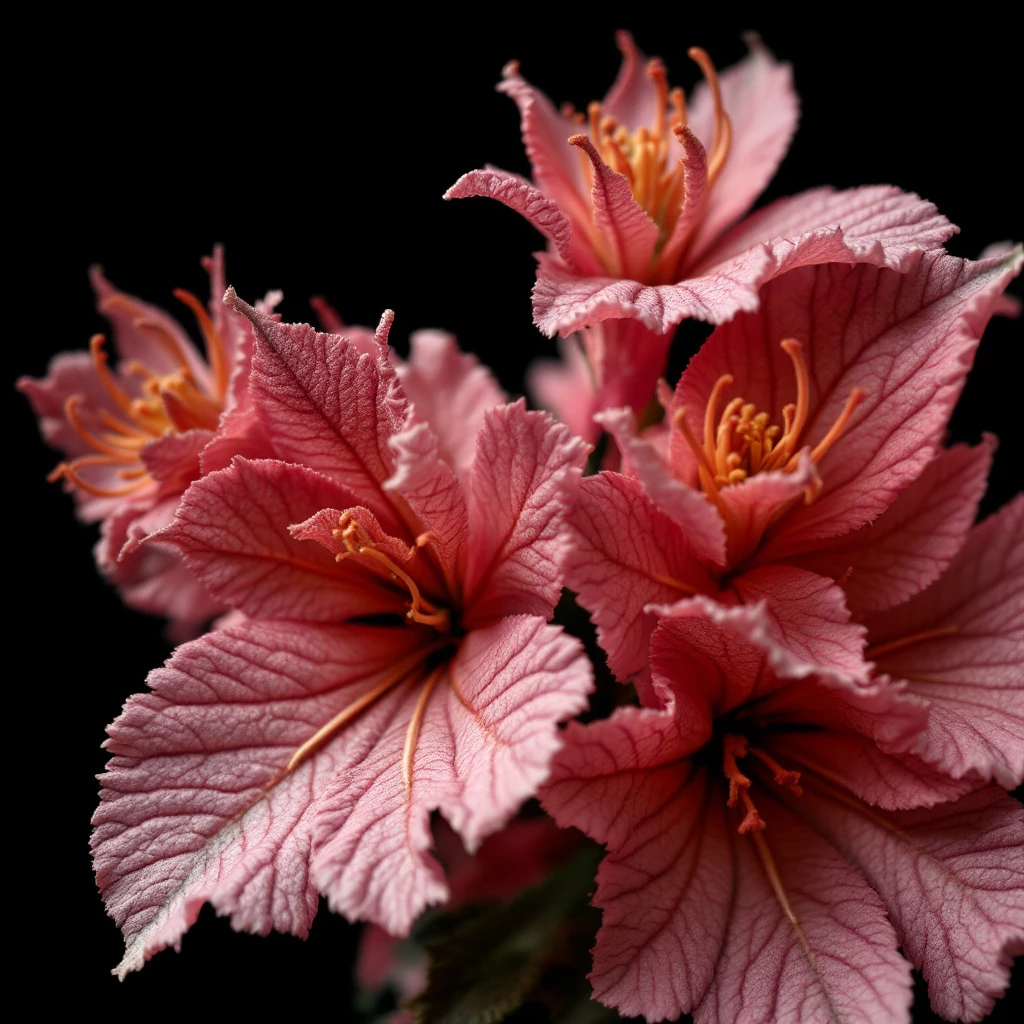
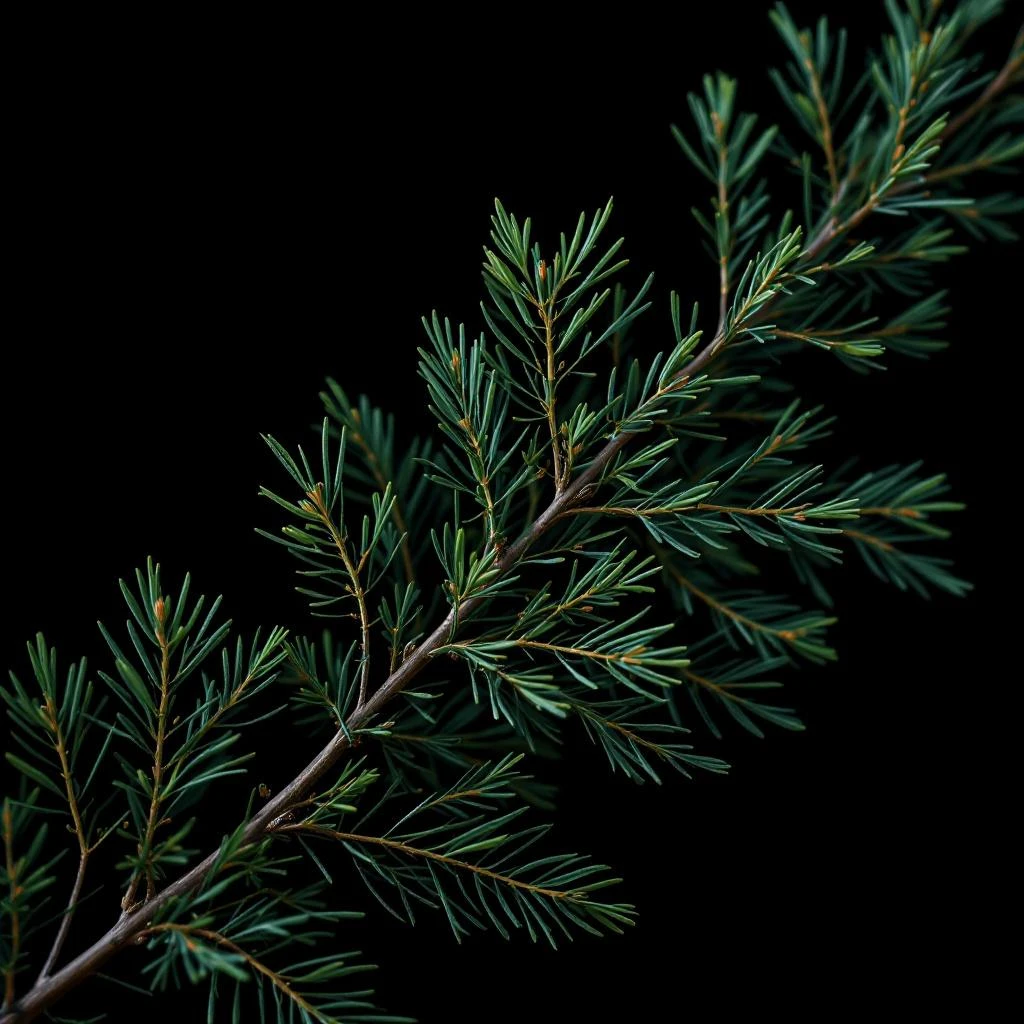
Cinnamon myrtle is a single species endemic to a small region of eastern Australia. Its leaves smell of cinnamon, yet the plant belongs to the same family as eucalyptus and clove.

Origin
Australia
Cinnamon myrtle carries a relatively short perfumery history compared to ancient spices, yet its botanical lineage runs deep. Indigenous Australians have used the leaves for thousands of years, steeping them into aromatic teas and applying them in traditional medicine. The plant first reached European botanists in the early 19th century, classified within the Myrtaceae family. Its formal description arrived through European work cataloging Australian flora.
The name honors James Backhouse, a 19th-century English missionary and botanist who collected plants across the Australian colonies. For most of its documented history, cinnamon myrtle remained a botanical curiosity rather than a commercial commodity. Its leap into mainstream perfumery and gastronomy began in the late 20th century as interest in native Australian ingredients grew. Chefs embraced it as a native substitute for imported cinnamon.
Perfumers followed, attracted by its clean, sweet-spicy profile. Today, cinnamon myrtle research contributes to a broader shift toward native botanicals in mainstream fragrance creation.
Wears it best
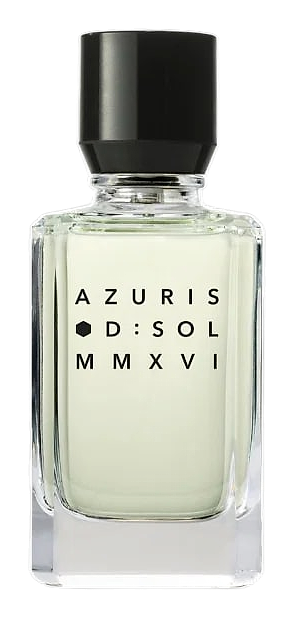
Fragrances featuring Cinnamon Myrtle
Brands
Brands known for Cinnamon Myrtle
Good to know
Questions, answered
The essentials on Cinnamon Myrtle in perfumery: how it smells, where it comes from, and how it behaves on skin.
What does cinnamon myrtle smell like?
Cinnamon myrtle smells sweet and warmly spiced, with a clear cinnamon-like character layered with subtle pepper and clove notes. It carries less bite than cassia bark and finishes with a clean, almost mentholated lift typical of the myrtle family.
Is cinnamon myrtle the same as cinnamon?
No. True cinnamon comes from the inner bark of Cinnamomum trees. Cinnamon myrtle is an entirely different plant whose scent profile contains compounds like methyl cinnamate, which mimic cinnamon's warmth without sharing its botanical origin.
Where does cinnamon myrtle grow?
Cinnamon myrtle is endemic to subtropical rainforests in eastern Australia, particularly the coastal ranges of New South Wales and southern Queensland. The species does not occur naturally anywhere else in the world.
How is cinnamon myrtle essential oil made?
Producers harvest the leaves and dry them before steam distillation, the standard method for myrtle-family oils. The resulting oil contains high concentrations of elemicin and methyl cinnamate, the compounds responsible for its distinctive aroma.
Is cinnamon myrtle safe to use on skin?
Like most essential oils, cinnamon myrtle requires dilution before topical use. The methyl cinnamate content can irritate sensitive skin at full strength, so perfumers typically blend it at low concentrations within a finished formula.
What perfumes contain cinnamon myrtle?
Cinnamon myrtle appears in several niche fragrances and Australian-native inspired lines. Brands seeking unique, region-specific aromatics have featured it as a signature note, particularly in woody-spicy and gourmand compositions.
Can cinnamon myrtle replace cinnamon bark in fragrance?
It can substitute for cinnamon in fresh applications where a cleaner, greener sweetness suits the composition. However, cinnamon bark offers a deeper, resinous warmth that cinnamon myrtle does not fully replicate.
Why is cinnamon myrtle considered a native Australian ingredient?
Cinnamon myrtle evolved exclusively in eastern Australia, making it one of the few plants globally that produces a cinnamon-like aroma. Its restricted range has driven interest from both conservation programs and sustainable native-food industries.