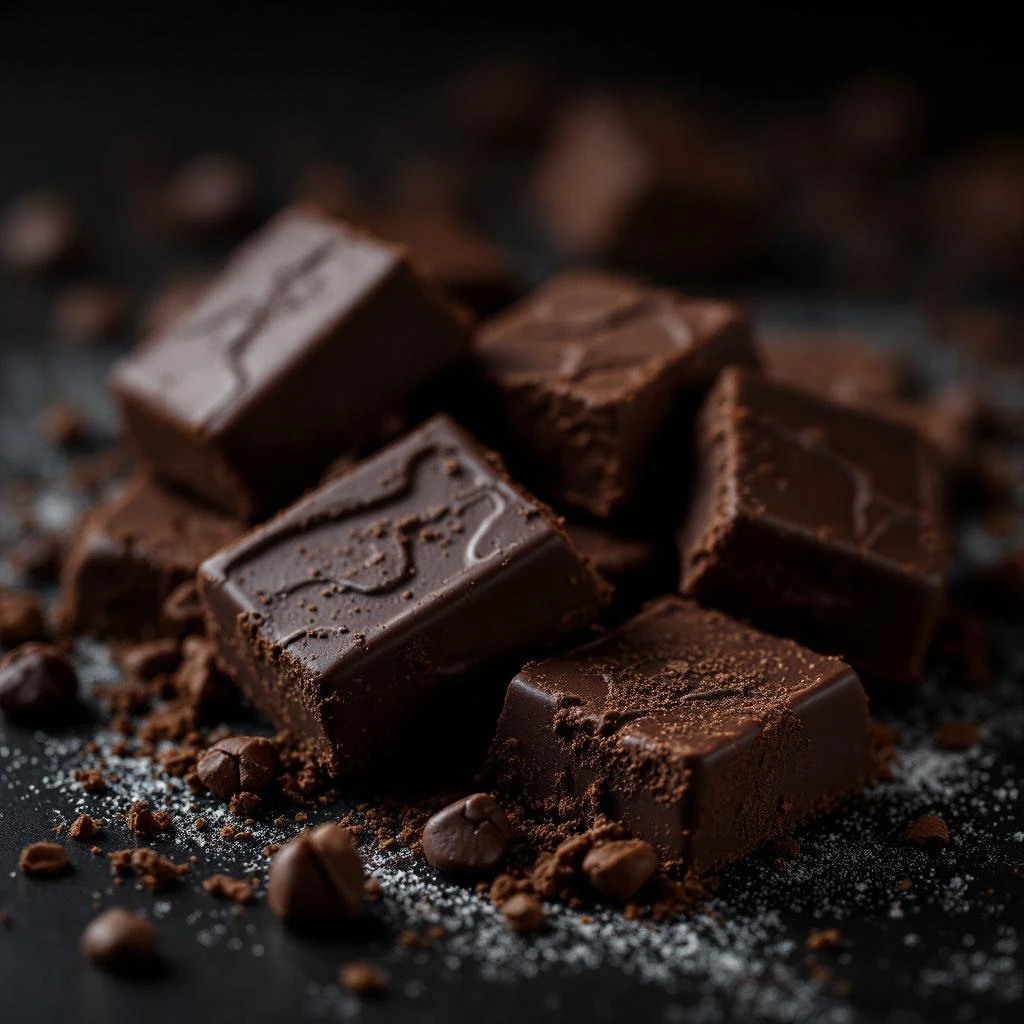
Chocolate Toffee
Chocolate Toffee blends roasted cacao with buttery caramel, delivering a warm, sweet note that anchors gourmand compositions with depth and richness in perfumery.
Character
How it smells
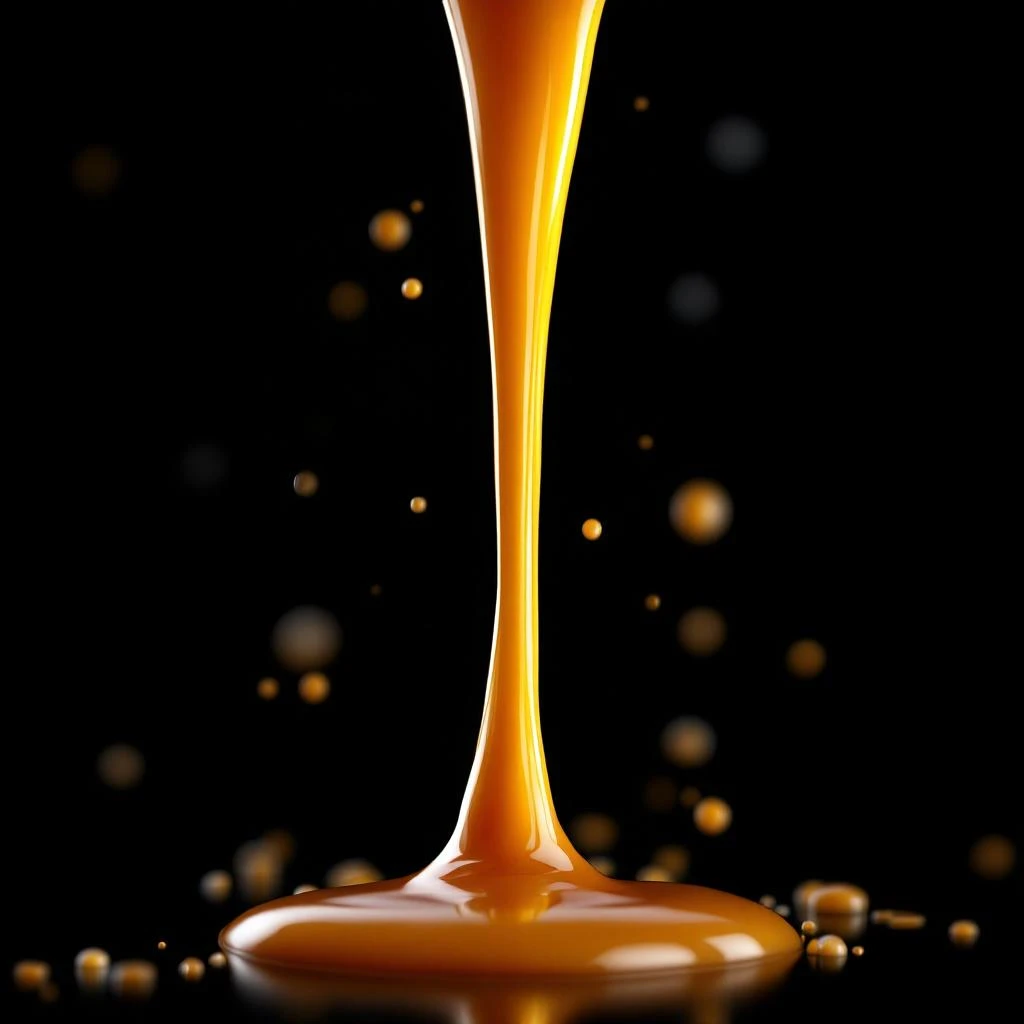
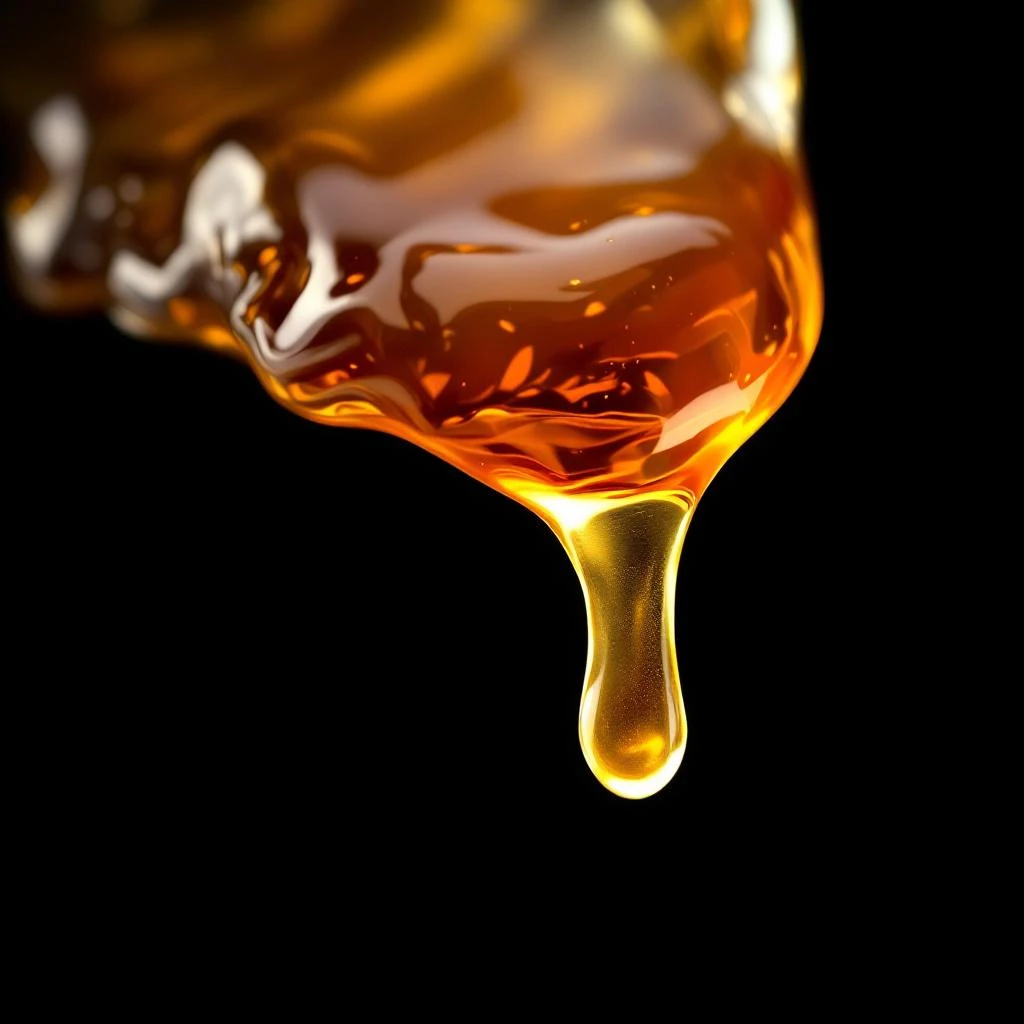
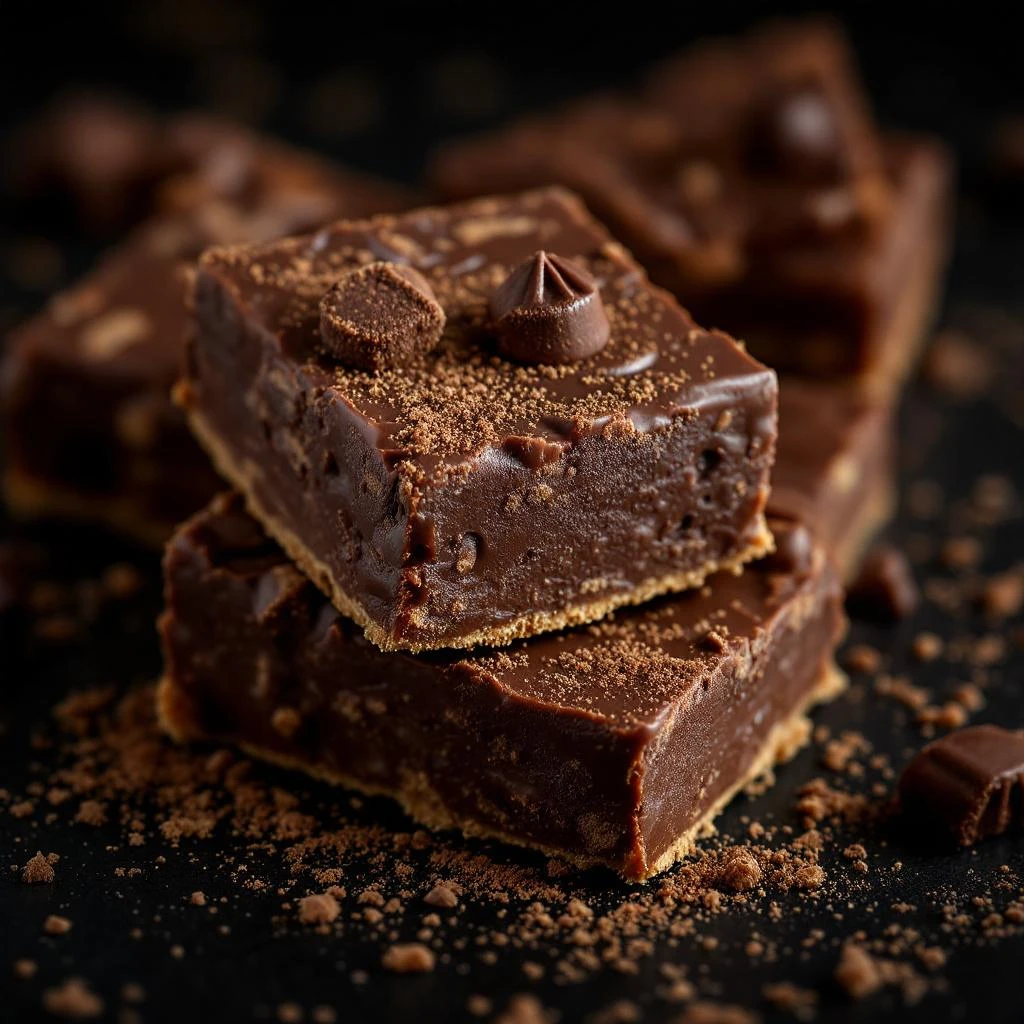
Warm cocoa meets buttery caramel in a single scent.
The aroma of chocolate toffee first appeared in a mainstream perfume in 1992, when Thierry Mugler's Angel introduced the first gourmand note, reshaping modern perfumery.




Origin
Ivory Coast
Chocolate toffee entered the perfume world as a distinct gourmand element in the early 1990s. Thierry Mugler’s Angel, launched in 1992, listed a "chocolate-toffee" accord among its core ingredients, marking the first mainstream use of a confection-inspired scent.
The success of Angel encouraged major houses to explore edible-style notes, and by the late 1990s, synthetic chocolate-toffee blends appeared in fragrances such as Prada Candy and Thierry Mugler's Angel Muse. Early chemists replicated the caramelized sugar aroma by heating sucrose, then combined it with cocoa extracts to mimic the buttery, roasted profile of toffee.
The development of stable synthetic analogues, like ethyl maltol, allowed perfumers to layer the note without risking oxidation. Over the past three decades, chocolate toffee has become a staple in modern gourmand compositions, symbolizing the shift toward sweet, comforting accords in contemporary perfumery.
Wears it best
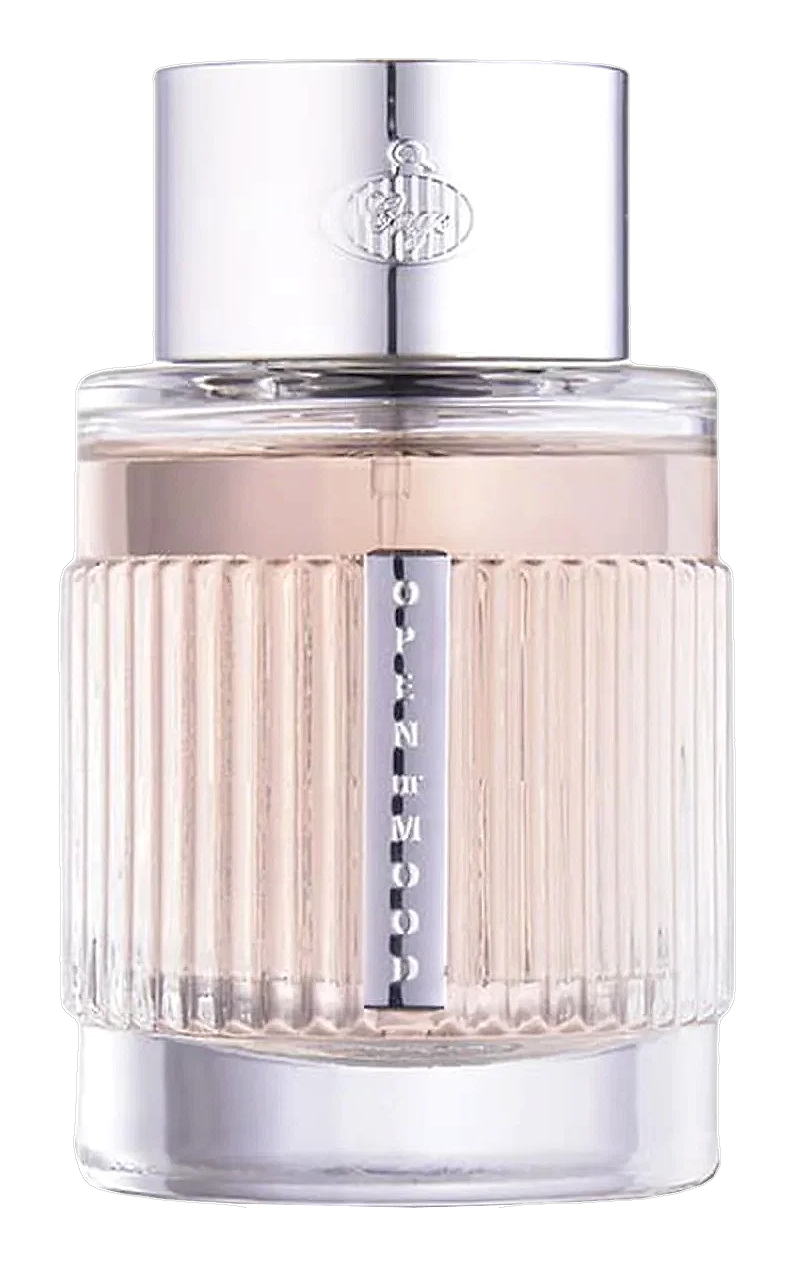
Fragrances featuring Chocolate Toffee
Brands
Brands known for Chocolate Toffee
Good to know
Questions, answered
The essentials on Chocolate Toffee in perfumery: how it smells, where it comes from, and how it behaves on skin.
What scent does chocolate toffee impart in a perfume?
Chocolate toffee adds a warm, buttery sweetness with hints of roasted cocoa and caramelized sugar. The note registers as a rich, edible aroma that anchors sweet compositions and balances bright citrus or floral top notes. In Angel, the note sits at the heart of the fragrance.
Is chocolate toffee derived from natural ingredients or synthesized?
Most modern chocolate-toffee accords are synthetic blends, though they mimic natural cocoa and caramel. Perfumers combine a cocoa extract with a lab-produced caramelized-sugar isolate to achieve consistency. A 2020 industry survey reported that 78 % of gourmand bases use at least one synthetic component.
How is chocolate toffee produced for use in fragrance?
Producers roast cacao beans, extract cocoa aromatics with supercritical CO₂, caramelize sugar, then blend and isolate the mixture via solvent extraction. The resulting concentrate is filtered and stabilized with ethyl maltol. In 2022, the average yield from 100 kg of beans was 1.8 kg of usable concentrate.
Which fragrance families commonly feature chocolate toffee?
Chocolate toffee appears most often in gourmand and oriental families, where sweet, edible notes dominate. It also supports woody-amber compositions that need a soft, sweet counterpoint. For example, the 2021 release "Gourmand Noir" lists chocolate toffee as a middle-note.
How stable is chocolate toffee in a perfume formula?
The note remains stable for up to 24 months when stored at 20 °C away from direct light. Stability testing by a major fragrance house showed less than 5 % loss of key aroma compounds after a year. Proper antioxidant addition extends its shelf life.
Can chocolate toffee cause skin irritation?
Chocolate-toffee accords are generally safe for skin at typical perfume concentrations below 5 %. Patch-test data from 2019 recorded a 0.3 % incidence of mild irritation among volunteers using a 3 % solution. Formulators keep the level low to avoid reactions.
What is the typical usage level of chocolate toffee in a perfume?
Perfumers usually apply chocolate-toffee at 1‑3 % of the total formula, depending on the desired sweetness intensity. In the classic Angel composition, the note accounts for roughly 2 % of the blend. This range ensures presence without overwhelming other accords.
Name a famous perfume that pioneered the chocolate toffee note.
Thierry Mugler’s Angel, released in 1992, introduced chocolate-toffee as a signature gourmand element. The fragrance listed the note explicitly in its original brief and helped define the modern sweet-focused perfume trend. Angel’s launch sales exceeded 1 million units in its first two years.