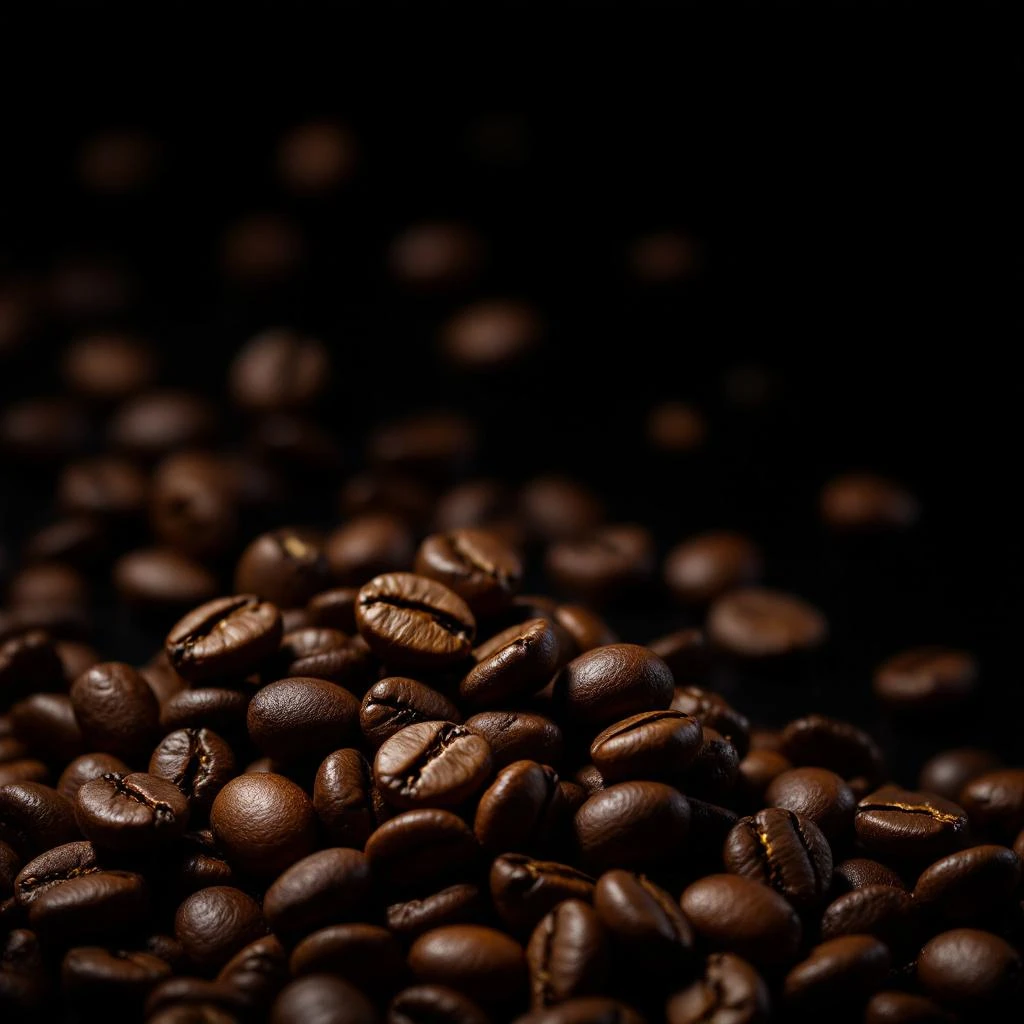
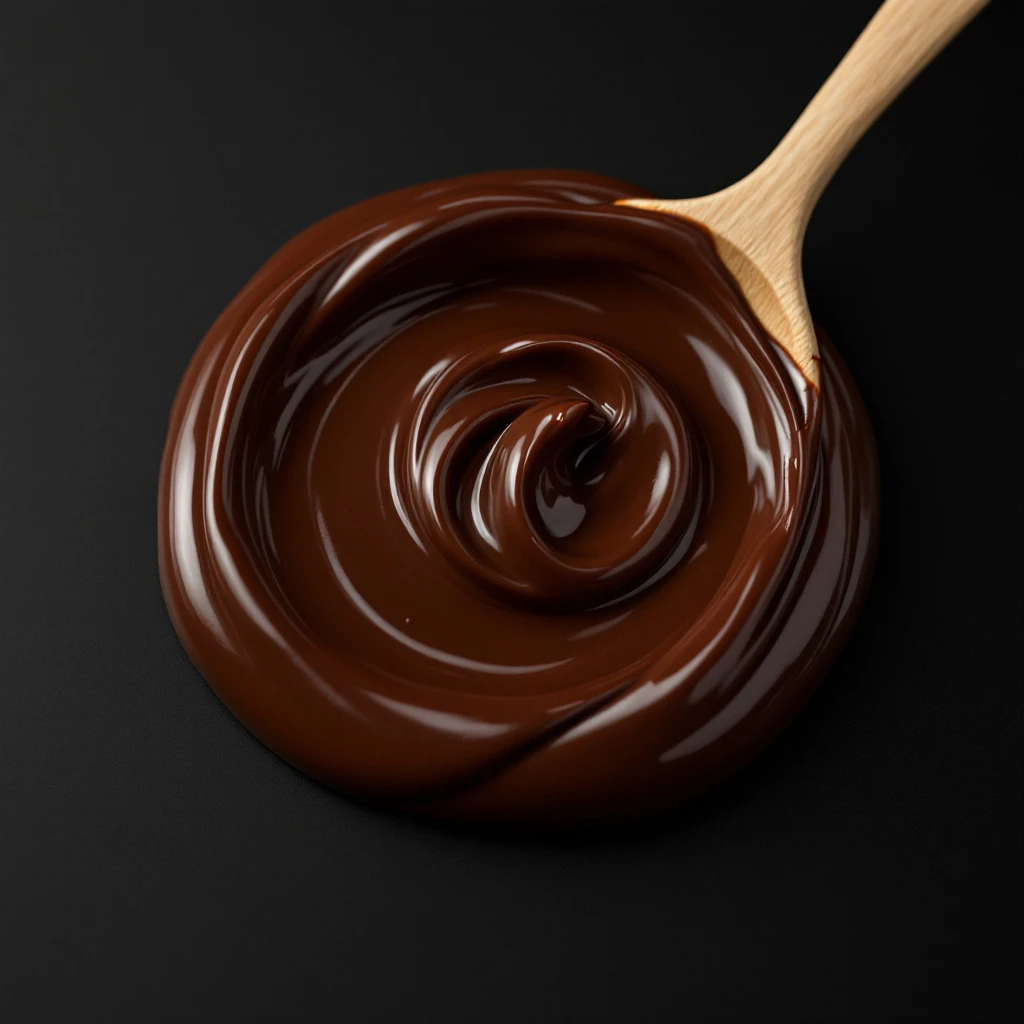
Chocolate Sauce
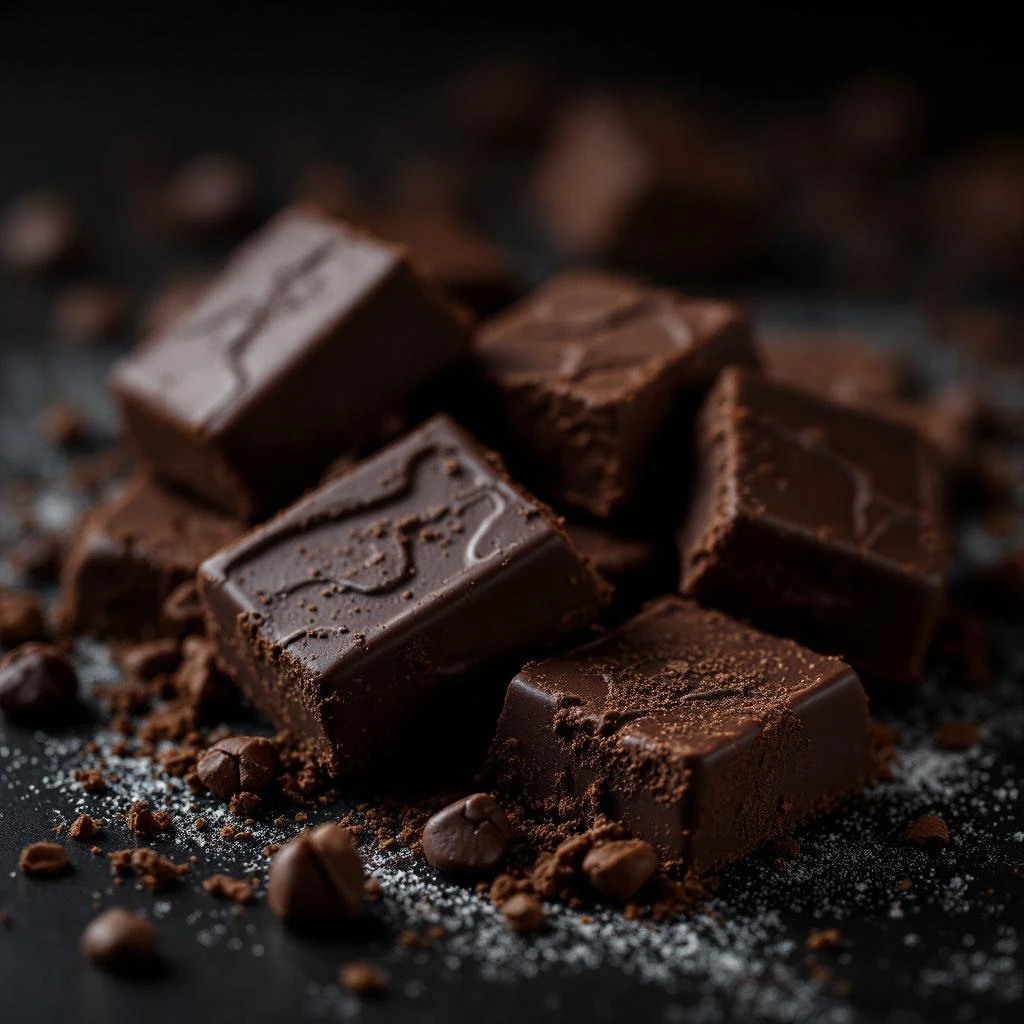
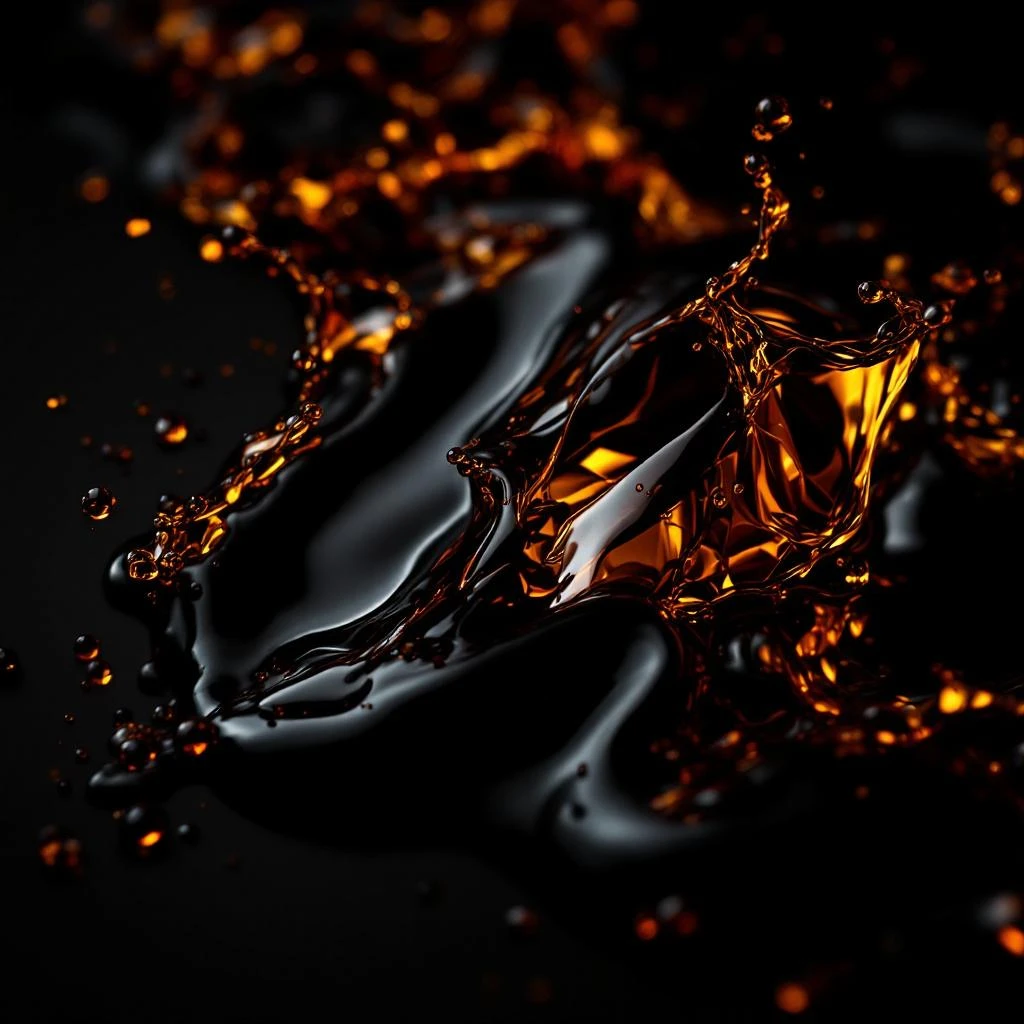
Rich, indulgent, and deeply warm—Chocolate Sauce captures the essence of dark cacao blended with creamy, syrupy depth. This is a modern perfumery construction, not a direct botanical extraction.
Character
How it smells
Warm, edible sweetness in every breath.
The Aztecs used cacao beans as currency—a rabbit cost 100 beans, a turkey around 200.



Origin
Mexico
Cacao's aromatic history begins with ancient Mesoamerican civilizations. The Maya and Aztecs cultivated cacao trees and considered the beans sacred, using them in ceremonial drinks and as currency. Spanish colonizers brought cacao to Europe in the 1500s, where it slowly evolved from bitter ceremonial beverage to sweetened confection.
Chocolate as a luxury treat became widespread in Europe during the 1700s and 1800s. By the late 19th century, as organic chemistry advanced, scientists began isolating and identifying the specific molecules that create chocolate's distinctive aroma. This scientific understanding opened doors for perfumers.
Chocolate entered perfumery gradually. Early attempts used natural cacao absolute directly, but its intensity and allergen potential limited use. The constructed approach—combining cacao absolute with targeted aroma molecules—emerged as perfumers gained better understanding of chocolate's molecular complexity. Today, chocolate notes appear across designer and niche fragrances, particularly in oriental and gourmand compositions. The ingredient bridges ancient sacred traditions with modern aromatic chemistry, carrying centuries of cultural significance into contemporary scent creation.
Wears it best
Fragrances featuring Chocolate Sauce
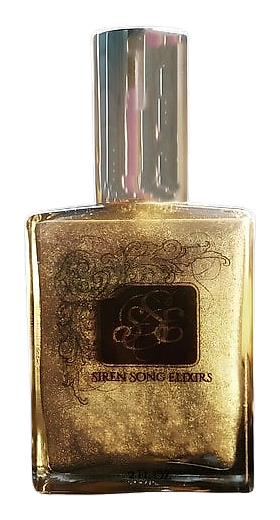

Brands
Brands known for Chocolate Sauce
Good to know
Questions, answered
The essentials on Chocolate Sauce in perfumery: how it smells, where it comes from, and how it behaves on skin.
How is chocolate created for use in perfumery?
Chocolate in perfumery is constructed, not directly extracted. Cacao absolute (from fermented, roasted beans) combines with individual aroma molecules like vanillin, maltol, and lactones to create the finished accord.
Why do perfumers construct chocolate rather than extract it directly?
Natural cacao absolute darkens compositions, may cause skin allergies, and varies between batches. Construction gives perfumers precise control over intensity, sweetness, and consistency.
What gives chocolate its distinctive scent?
No single molecule creates chocolate's aroma. Over 300 compounds contribute, including pyrazines for nutty depth, aldehydes for fatty richness, and esters for fruity undertones. Perfumers layer these to match chocolate's complexity.
What materials are combined to build a chocolate accord?
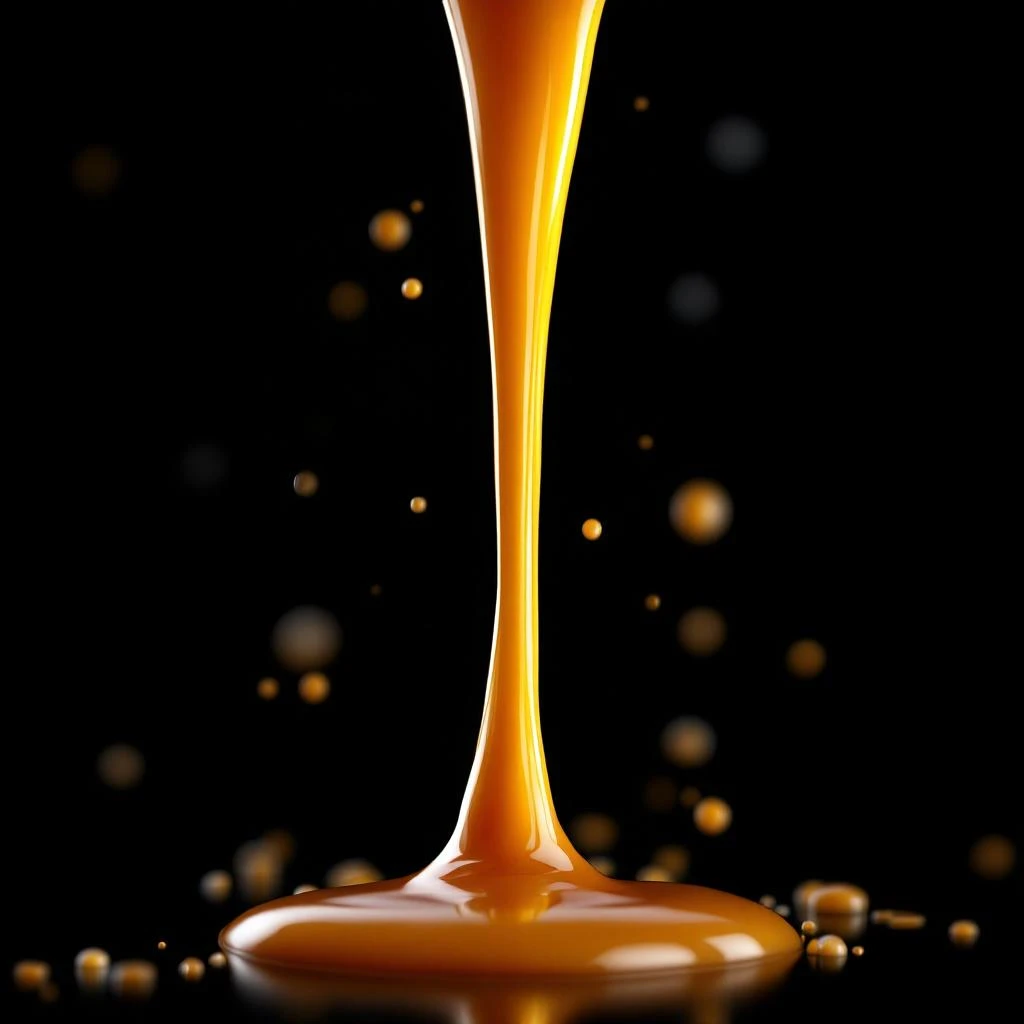
Typical construction layers cacao absolute with vanillin (creamy vanilla), maltol (caramel warmth), gamma-decalactone (coconut cream), and ethyl maltol (sugary sweetness). Ratios determine the final character.
Where did cacao originate?
Cacao originated in Central America. Ancient Maya and Aztec civilizations cultivated it for sacred rituals and currency. Spanish colonizers introduced it to Europe in the 1500s.
When did chocolate enter perfumery?
Chocolate notes developed gradually from the late 1800s onward, accelerating as chemists identified key aroma compounds. The constructed approach became standard in the mid-20th century.
What does natural cacao absolute smell like?
Raw cacao absolute smells intensely bitter and earthy, like unsweetened dark chocolate. Sweeteners and modifiers transform this into the warm, edible chocolate note in perfumes.
What fragrance families pair well with chocolate notes?
Chocolate works especially well in oriental and gourmand compositions. It complements vanilla, caramel, amber, and spice notes. Cooler weather fragrances often feature chocolate as a prominent heart or base note.