Cherry Candy
Cherry in perfumery is a delicious contradiction—a fruit too delicate to extract is born anew through synthetic chemistry. What you smell in your fragrance is molecular reconstruction, not rendition.
Character
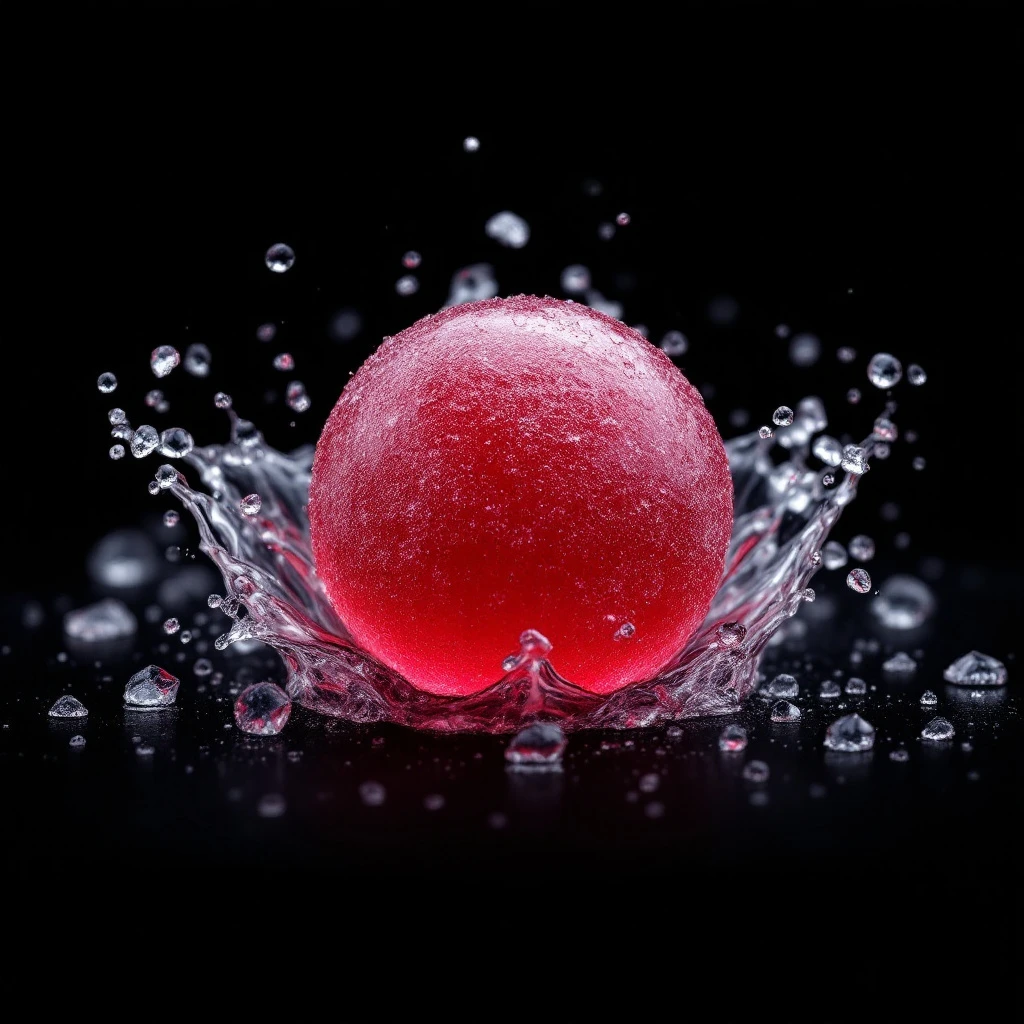
How it smells
The candy counter reimagined through chemistry.
The word cherry traces back to Kerasous, an ancient Greek trading post on Turkey's Black Sea coast.




Origin
Turkey
The cherry's journey from ancient fruit to molecular reconstruction traces across millennia. Greek merchants first exported the fruit from Kerasous, a Black Sea port that lent its name to the species. Romans spread cherry cultivation across Europe, but perfume houses waited centuries before encountering this fruit again—this time through chemistry.
The synthetic fragrance revolution began in 1868 when William Henry Perkin synthesized coumarin, proving chemists could build scents atom by atom. By the early 20th century, Paris had become the laboratory where perfumers disassembled and reassembled nature's palette. Cherry arrived there as a reconstruction problem: how do you bottle a fruit too fleeting to extract?
The answer reshaped fragrance history, proving that the most evocative scents sometimes exist only as chemical blueprints.
Wears it best
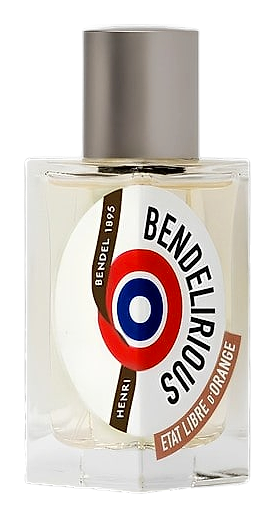
Fragrances featuring Cherry Candy
Brands
Brands known for Cherry Candy
Good to know
Questions, answered
The essentials on Cherry Candy in perfumery: how it smells, where it comes from, and how it behaves on skin.
What does cherry smell like in perfumery?
Cherry in perfumery reads as sweet, nutty, and slightly bitter—the signature of benzaldehyde. Expect marzipan warmth, stone fruit softness, and confectionery brightness. Cherry candy variants emphasize the syrupy, jammy character rather than the fresh, tart quality of biting into a ripe fruit.
Why is cherry recreated synthetically in perfumery?
Cherry resists traditional extraction. Raw cherries contain insufficient volatile aromatic compounds for viable oil production. Perfumers turned to synthetic chemistry during the late 19th century to reconstruct fruits that nature could not provide in usable form. This molecular assembly approach remains standard for most fruit notes in modern fragrance.
When did synthetic cherry first appear in perfumery?
The modern perfume industry crystallized in Paris between 1889 and 1921 with synthetic fragrance development. Cherry reconstruction emerged during this period, when perfumers learned to build fruit notes from isolated molecules rather than botanical extracts. Benzaldehyde had already been synthesized in 1868, establishing the foundation.
Where does cherry originate?
The cherry family traces to the Black Sea coast, where Greek traders first exported the fruit from Kerasous—an ancient port in what is now Turkey. Romans encountered cherries there, adopted cultivation, and spread the fruit across Europe. The name Kerasous survives in the scientific nomenclature.
What molecule gives cherry its scent?
Benzaldehyde provides cherry's characteristic sweet-almond and marzipan quality. This aromatic aldehyde occurs naturally in almonds but serves as the primary building block for synthetic cherry reconstruction. Additional molecules like fruity esters and ketone derivatives add complexity and freshness.
Does natural cherry exist as an ingredient?
Natural cherry absolute exists but sees minimal use due to prohibitive cost and extraction difficulty. True fruit absolutes require enormous quantities of raw material for tiny amounts of oil. Most commercial cherry fragrances rely entirely on synthesized reconstruction rather than botanical extraction.
Are cherry perfumes at risk of disappearing?
Cherry perfumes face potential disruption from tightening regulations on benzaldehyde. Industry observers note this single ingredient faces scrutiny that could reshape or limit cherry-themed fragrances. Perfumers are exploring alternative molecular pathways to preserve cherry notes under evolving safety standards.
What is the difference between cherry candy and fresh cherry in fragrance?
Cherry candy captures the concentrated, confectionery character of maraschino cherries or cherry syrup. Fresh cherry notes aim for brightness and tartness. Both exist as synthetic reconstructions—the distinction lies in which molecules and concentrations the perfumer selects to evoke either the candy jar or the orchard.