Cherry Blossom Scenttrek
Cherry blossom in perfumery is a delicate, powdery, almond-floral accord. Discover how this ephemeral spring bloom became one of fragrance's most cherished synthetic signatures.
Character
How it smells
A spring bloom reconstructed for the bottle
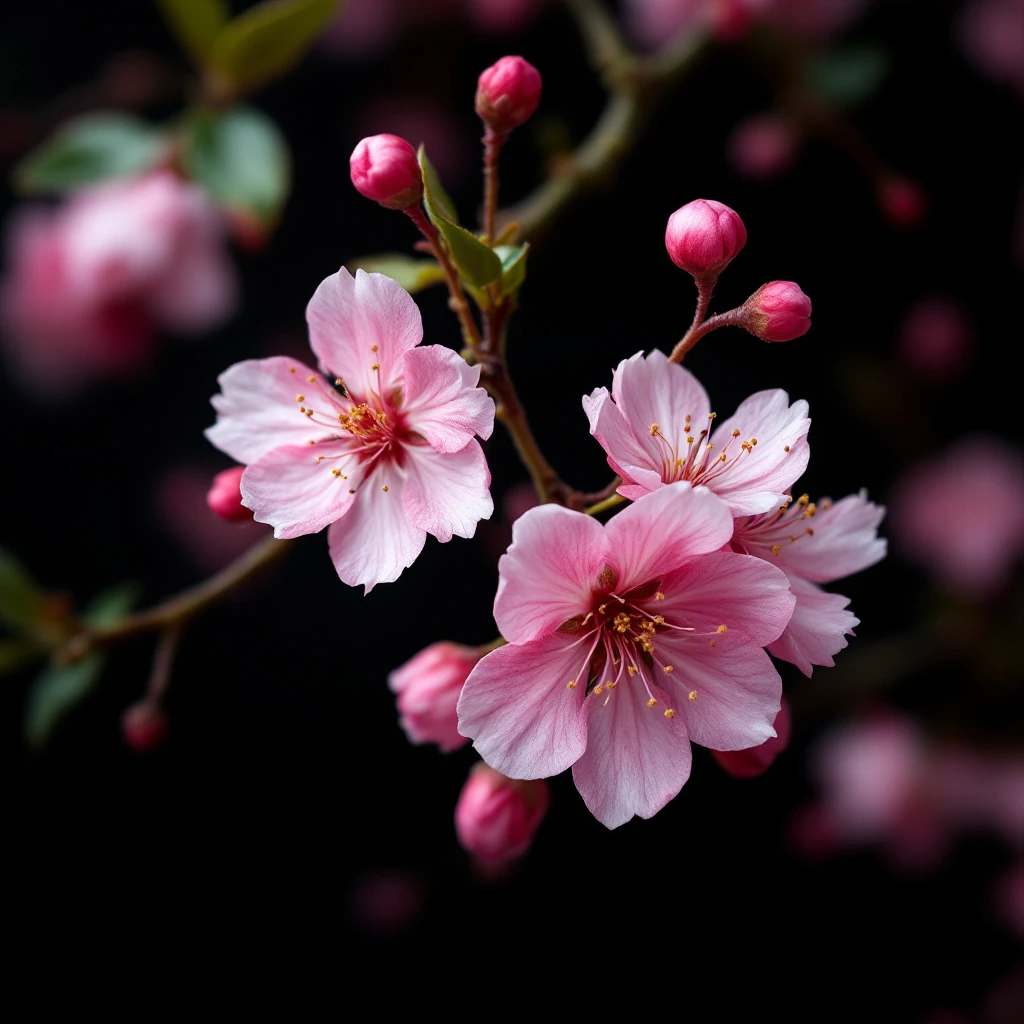
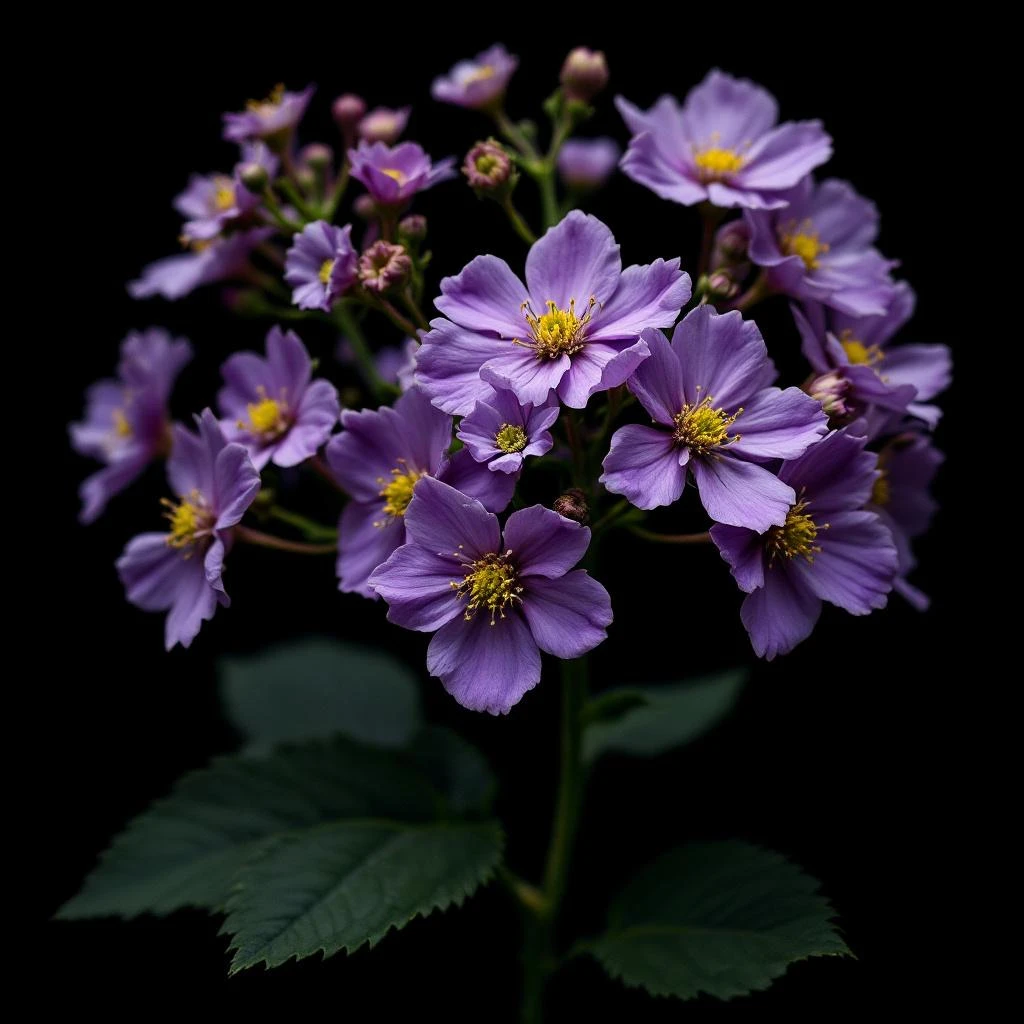
The Japanese celebrate hanami, the art of viewing cherry blossoms, with picnics beneath the trees. Yet the flowers themselves produce almost no natural scent.

Origin
Japan
Real cherry blossoms carry almost no fragrance. Their cultural power lies in visual splendor and symbolism, not scent. When perfumers sought to bottle the cherry blossom experience, they faced a paradox: how do you create something from nothing?
The answer arrived through synthetic chemistry. Late 19th-century breakthroughs in aroma compounds gave perfumers tools like benzaldehyde, one of the first lab-created fragrance ingredients. By the mid-20th century, perfumers combined such molecules into accords that captured the emotional essence of sakura.
Today, cherry blossom is a signature note in countless fragrances, beloved for its softness and universal appeal. The note bridges Japanese cultural tradition with the creative ambitions of modern perfumery.
Wears it best
Fragrances featuring Cherry Blossom Scenttrek
Brands
Brands known for Cherry Blossom Scenttrek
Good to know
Questions, answered
The essentials on Cherry Blossom Scenttrek in perfumery: how it smells, where it comes from, and how it behaves on skin.
What does cherry blossom smell like?
Cherry blossom smells delicate, powdery, and almond-floral. The accord blends soft heliotropin, warm benzaldehyde, and bright hedione to create a clean, romantic impression. It reads as gentle and clean, evoking spring air and fresh petals rather than a literal botanical scent.
Is cherry blossom a natural or synthetic ingredient?
Cherry blossom is entirely synthetic. Real cherry blossoms produce negligible natural fragrance. Perfumers construct the accord using aromatic molecules like benzaldehyde, heliotropin, and hedione. These compounds are combined to recreate the emotional experience of the bloom.
Why is cherry blossom so popular in perfumery despite lacking natural scent?
The popularity of cherry blossom lies in its emotional resonance. In Japan, sakura symbolize renewal and the beauty of impermanence. Perfumers translated this cultural significance into a wearable accord. The note carries associations of spring, softness, and optimism that appeal globally.
What aromatic compounds form the cherry blossom accord?
Benzaldehyde provides the characteristic almond nuance. Heliotropin delivers the powdery, slightly vanilla-like softness. Hedione adds brightness and transparent floralcy. Phenylethyl alcohol contributes a subtle rose warmth. Linalool rounds the composition with faint citrus freshness.
How did synthetic perfumery enable the cherry blossom note?
Modern synthetic perfumery began in the late 19th century with compounds like benzaldehyde, coumarin, and vanillin. These lab-created materials freed perfumers from botanical limitations. Cherry blossom emerged as perfumers could now construct imaginary florals that had no natural source.
What is Scent Trek and how does it relate to cherry blossom?
Scent Trek is a Givaudan innovation involving mobile laboratories that travel to origin regions for natural ingredient exploration. For cherry blossom, which lacks natural fragrance, Scent Trek methodologies inform how perfumers study botanical and cultural contexts to build more authentic synthetic accords.
What fragrances pair well with cherry blossom?
Cherry blossom harmonizes with clean musks, white florals like jasmine and lily of the valley, and light woods such as cedar. It also pairs beautifully with other delicate florals including peony, magnolia, and rose. These combinations enhance its soft, airy character.
Can cherry blossom be extracted from real flowers?
No, natural cherry blossom extraction yields almost no usable fragrance material. The blooms contain negligible aromatic compounds. All commercial cherry blossom ingredients are synthetic reconstructions designed to evoke the flower rather than replicate a natural extract.