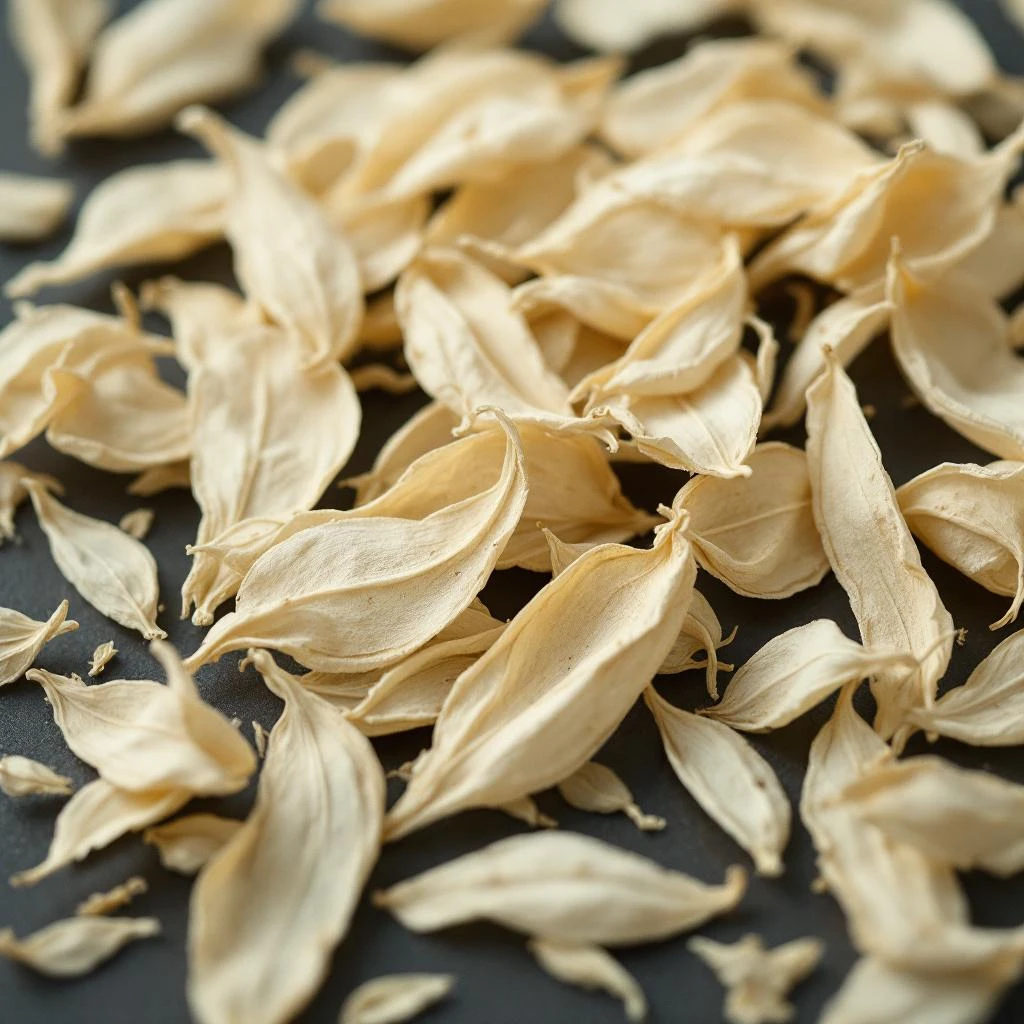
Chen Pi
Chen Pi brings bright citrus with warm, honeyed undertones and herbal complexity to perfumery. It appears as a supporting note that adds freshness and aromatic depth, especially in tea-inspired and Oriental-themed fragrances.
Character
How it smells
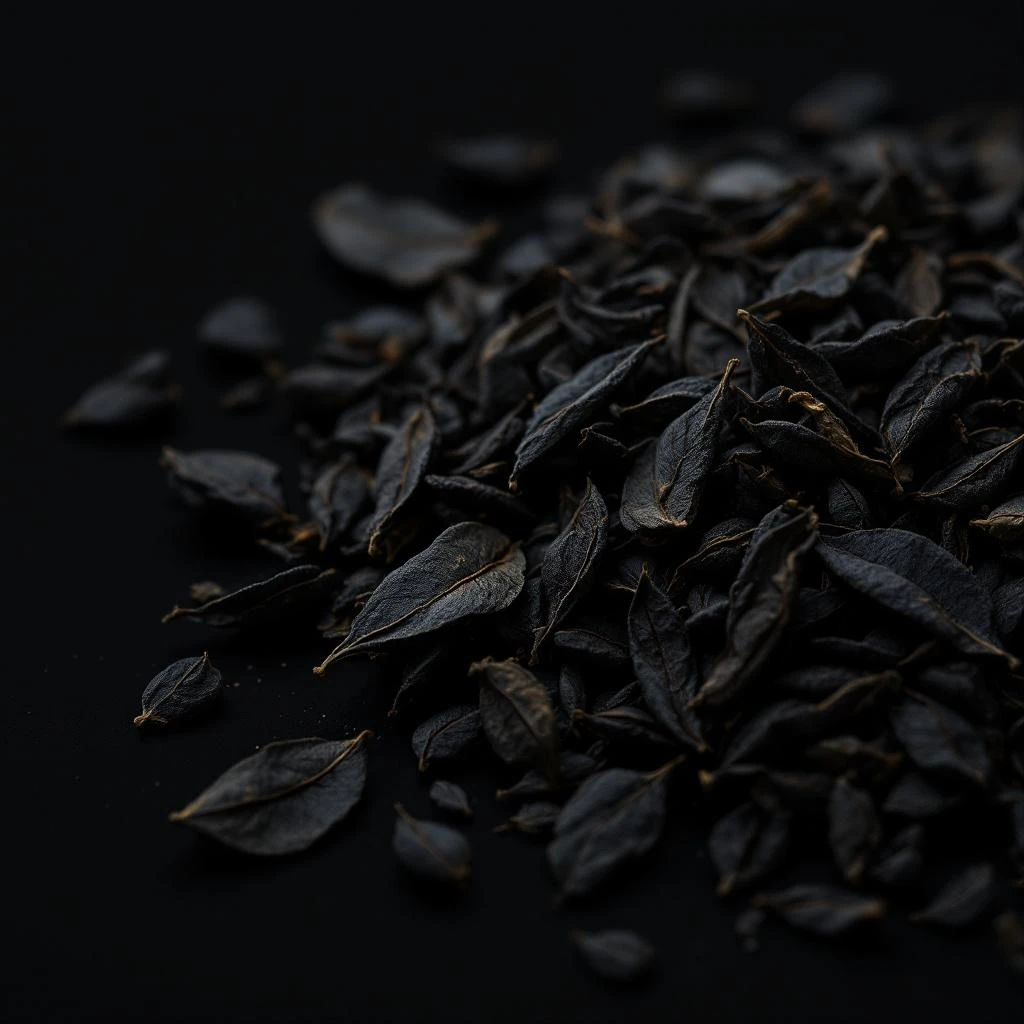
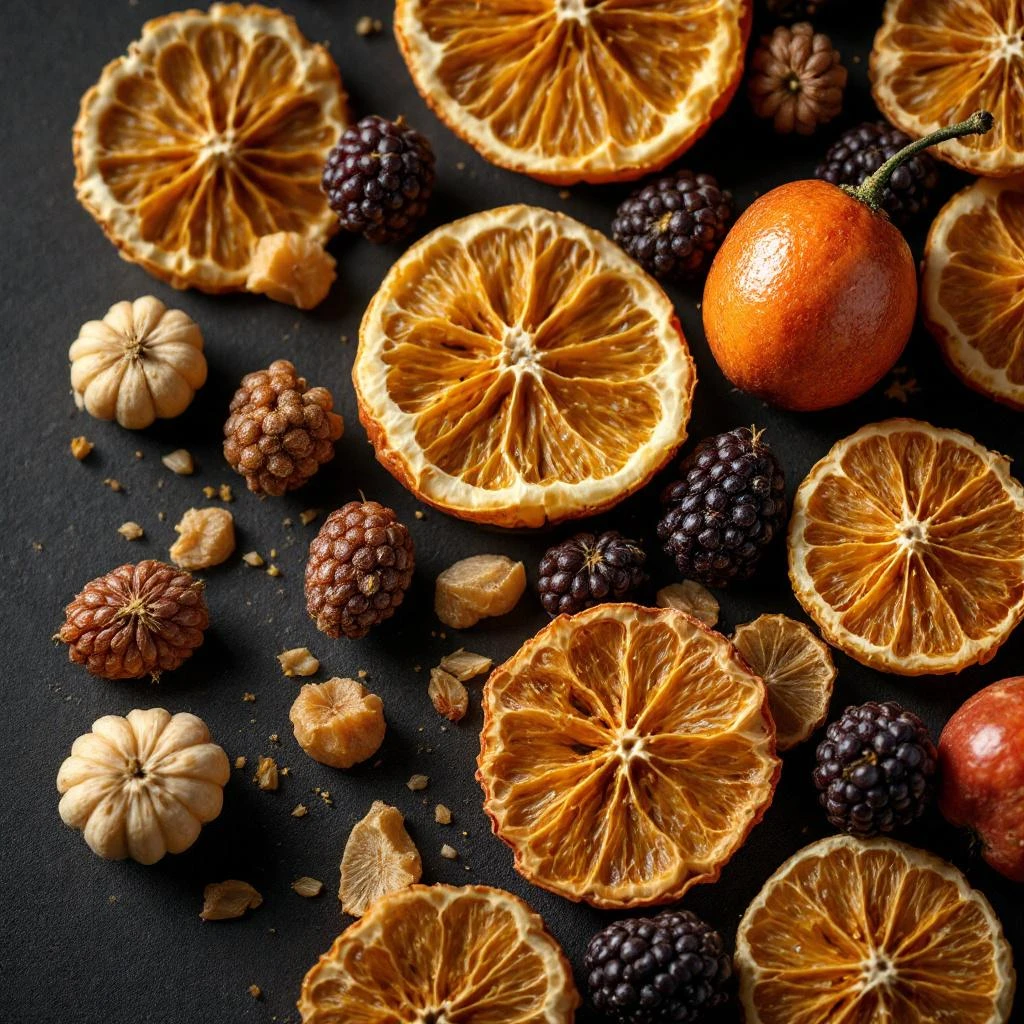
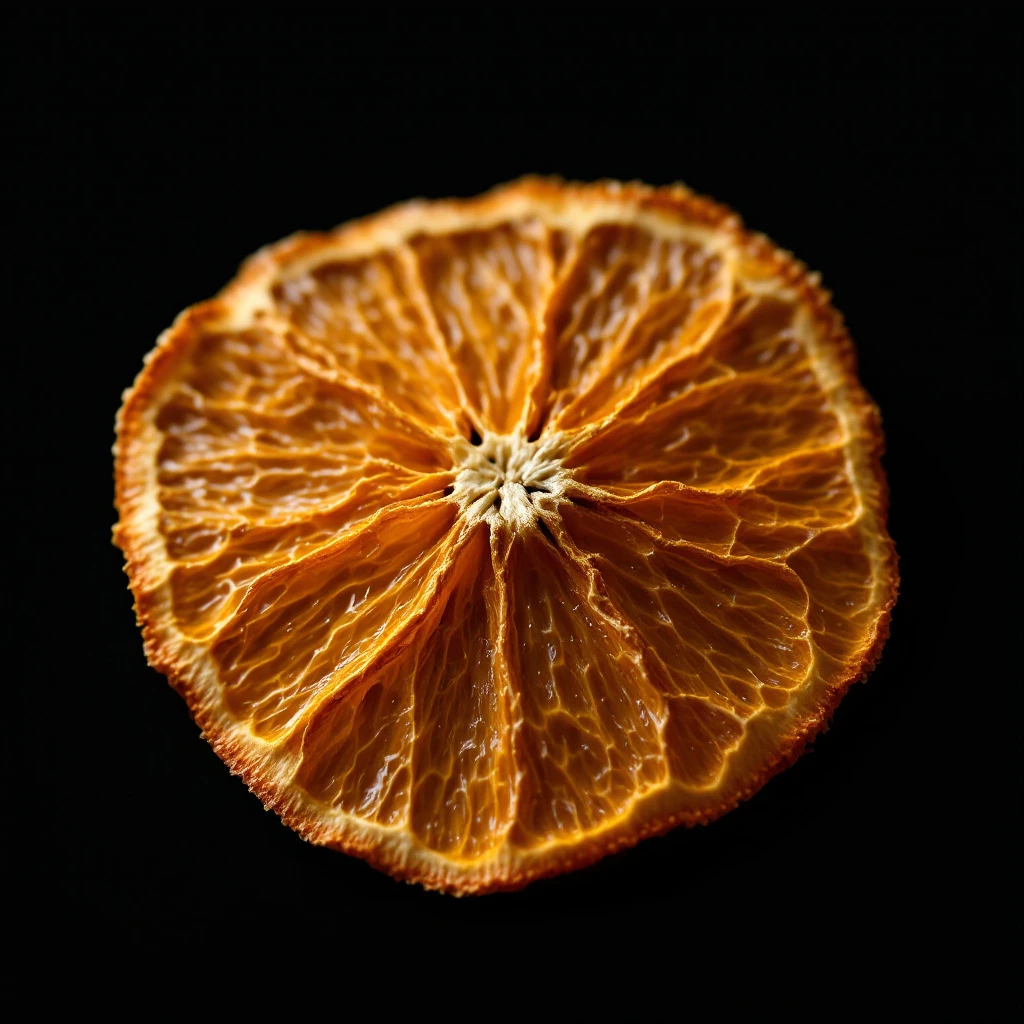
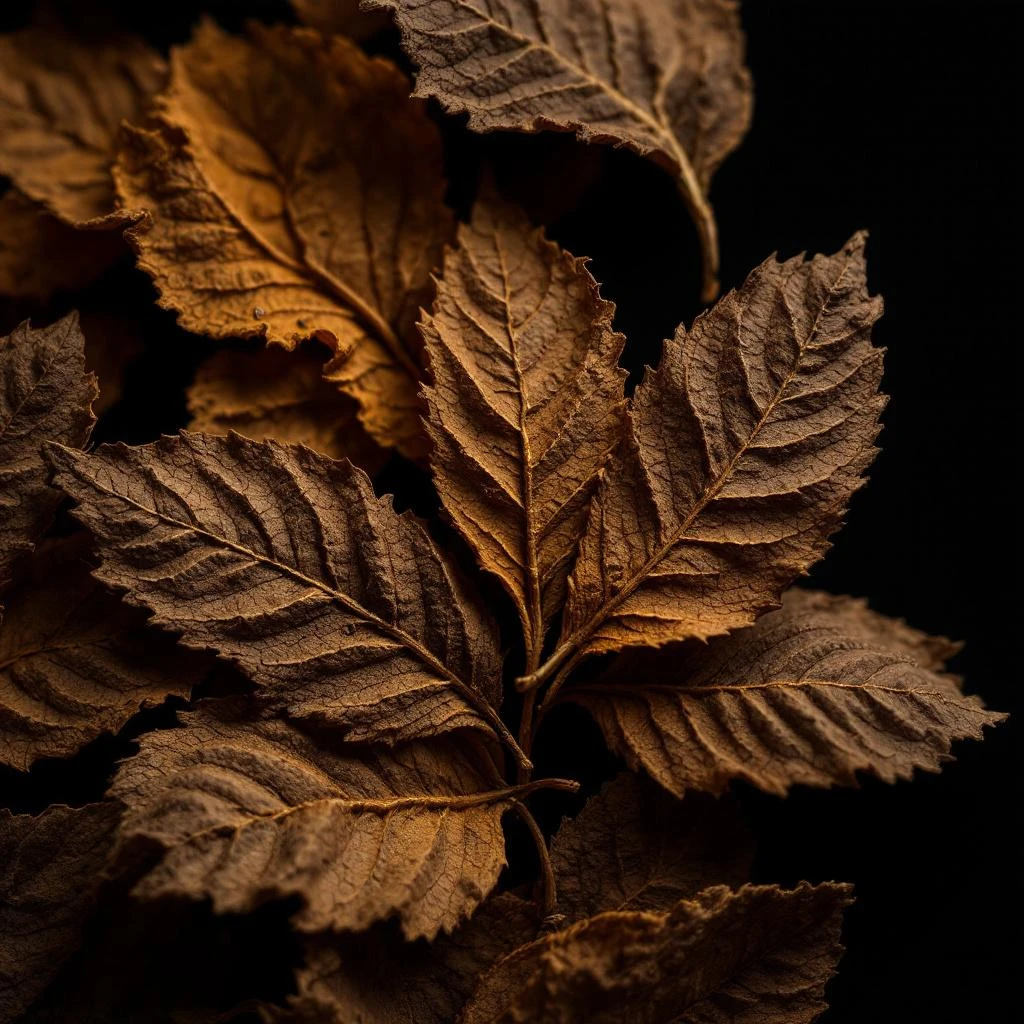
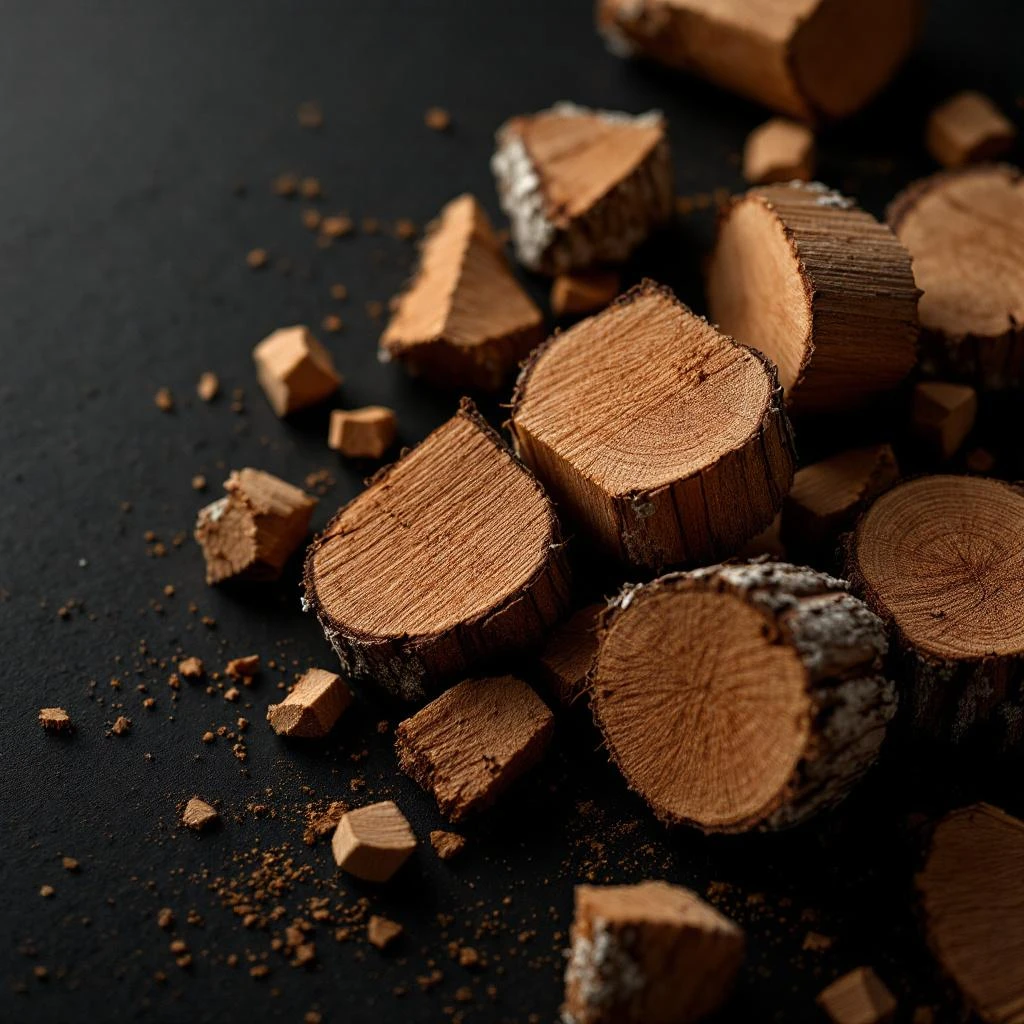
Aged tangerine peel, bridging citrus brightness and herbal warmth.
The highest-quality Chen Pi requires aging for at least three years, with superior batches aged five years or longer, developing rich honeyed character from the aged peel.

Origin
China
The use of dried citrus peel in perfumery traces back over two thousand years in Chinese tradition. References to citrus peel appear in the Shennong Bencao Jing, China's foundational pharmaceutical text, where it was documented for digestive and respiratory applications. During the Han dynasty, citrus aromatics played a role in court ceremonies, and Guangdong's Xinhui region had already developed expertise in chen pi production.
The practice of aging tangerine peel to enhance its therapeutic and aromatic properties became established in Chinese herbal tradition. Over centuries, Xinhui emerged as the primary production area, with its specific environmental conditions and accumulated generational knowledge producing what is considered the benchmark variety. The region's particular terroir and traditional processing methods distinguish their product from lesser alternatives.
Today, chen pi bridges Eastern and Western aromatic traditions. Western perfumers incorporate it to reference Chinese aromatic heritage and create tea-themed compositions, demonstrating how fragrant knowledge moves between cultures. The ingredient carries cultural weight as a bridge between traditional Chinese medicine and modern perfumery, valued for its ability to evoke Chinese aromatic traditions.
Wears it best
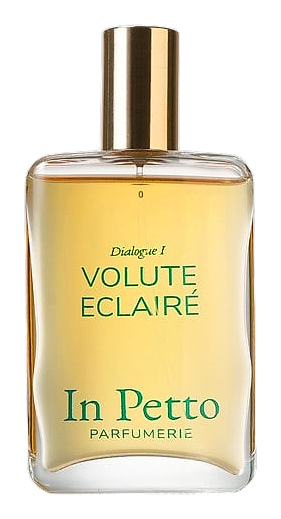
Fragrances featuring Chen Pi
Brands
Brands known for Chen Pi
Good to know
Questions, answered
The essentials on Chen Pi in perfumery: how it smells, where it comes from, and how it behaves on skin.
What does Chen Pi smell like in perfume?
Chen pi smells like bright citrus with warm honeyed undertones and subtle herbal complexity. The aged version provides greater depth than generic citrus materials, creating a distinctive aromatic profile that balances freshness with rounded, comforting warmth.
Why is Chen Pi used in perfumery?
Perfumers use chen pi for its complex citrus character and cultural resonance. The ingredient adds natural warmth and herbal undertones that enhance Oriental and tea-themed compositions, providing aromatic authenticity to these fragrance families.
Is Chen Pi in perfume natural or synthetic?
Chen pi can be either natural or synthetic depending on the product. Natural chen pi oil is extracted from dried, aged tangerine peel through cold-pressing or steam distillation, while synthetic versions rely on lab-created limonene and citrus aroma compounds. Natural versions offer superior aromatic complexity.
What famous perfumes contain Chen Pi?
Chen pi appears primarily in niche fragrances exploring East Asian themes, though major brands typically do not disclose full ingredient lists. The ingredient is valued in compositions referencing Chinese aromatic traditions and tea culture, making it a signature element in these specialized creations.
Is Chen Pi a top note, heart note, or base note?
Chen pi typically functions as a top to heart note in fragrance compositions. The bright citrus and aromatic freshness make it most impactful in the opening phases, though high-quality aged versions can contribute aromatic depth throughout the dry-down.
What notes pair well with Chen Pi in perfume?
Chen pi pairs well with tea accords, jasmine, sandalwood, and light musks in perfumery. These combinations produce distinctly East Asian aromatic profiles where citrus freshness complements floral and woody elements.
How is Chen Pi extracted?
Chen pi oil is extracted through cold-pressing or steam distillation of dried, aged tangerine peel. Cold-pressing captures fresh peel aromatic directly, while steam distillation extracts volatile compounds including limonene, which comprises 80-90% of the oil. Extended natural aging is essential for developing the characteristic honeyed complexity.
Is Chen Pi used in men's or women's fragrances?
Chen pi functions as a gender-neutral element in perfumery. Its citrus brightness and herbal warmth suit both masculine and feminine compositions, particularly those with Oriental or tea-inspired themes.