Charred Fennel
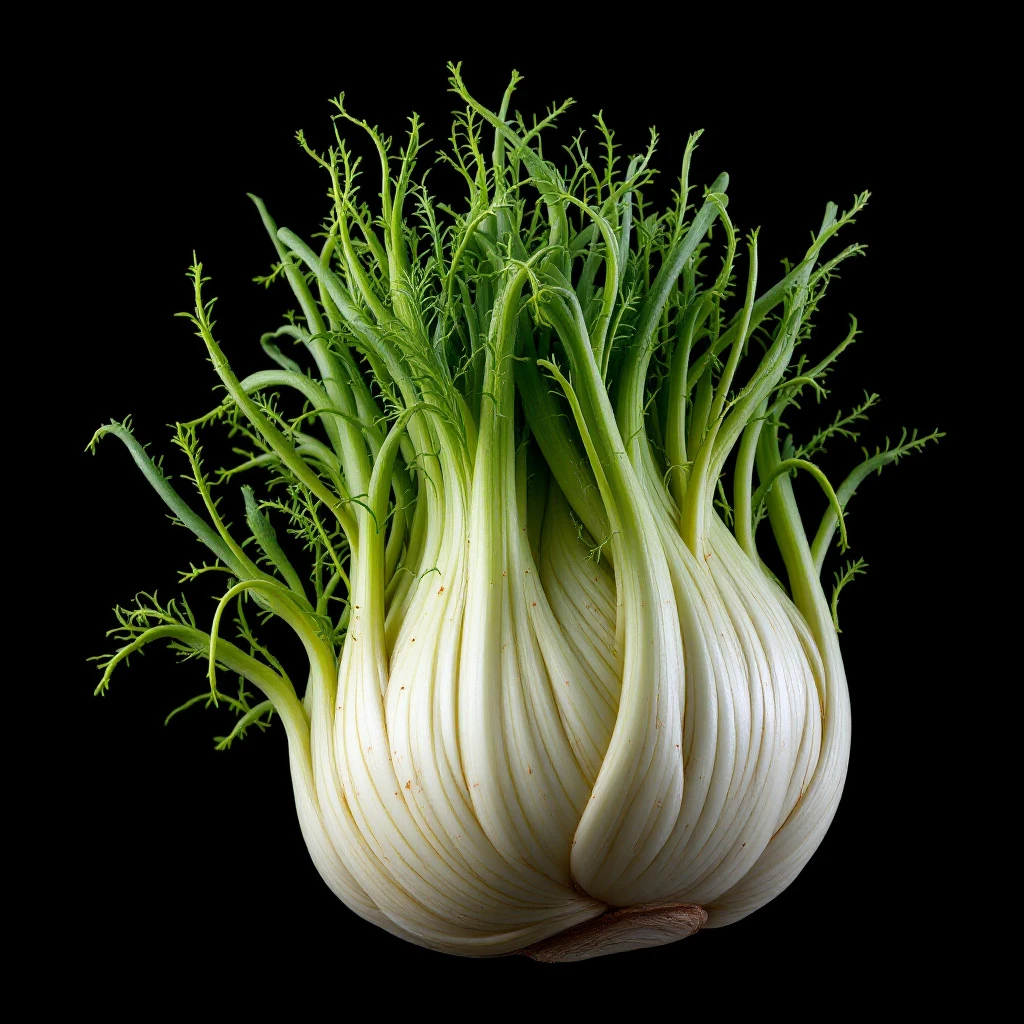
Charred fennel captures the moment before sweetness turns to smoke. Its warm, liquorice-like aroma carries an unmistakable roasted depth that cuts through compositions like a whispered command.
Character
How it smells
Warm, smoky, unmistakably liquorice.
The Romans called fennel the marathon herb—soldiers chewed the seeds for endurance during long marches across ancient Europe.

Origin
India
Fennel has been valued by Mediterranean civilizations for thousands of years, appearing in ancient Greek and Roman contexts as both food and medicine. The Renaissance marked a turning point for fennel in perfumery, as Italian and French craftspeople began experimenting with herbal and botanical ingredients in new ways.
Fennel's distinctive liquorice note offered something different from the florals and resins that dominated early perfumery—a green, slightly bitter quality that could anchor compositions and add complexity. The charred or roasted treatment of fennel developed later, likely inspired by culinary practices where roasting seeds intensifies their flavor.
Perfumers discovered that applying similar principles to fragrance production created an ingredient with remarkable depth—smoky without being heavy, sweet without being cloying. Today, charred fennel absolute remains relatively rare in mainstream perfumery, appearing primarily in artisanal and niche creations where its unusual profile can shine.
Wears it best
Fragrances featuring Charred Fennel
Brands
Brands known for Charred Fennel
Good to know
Questions, answered
The essentials on Charred Fennel in perfumery: how it smells, where it comes from, and how it behaves on skin.
What makes charred fennel different from regular fennel in perfumery?
Heat transforms fennel from green and herbaceous to warm and smoky. Regular fennel absolute smells fresh and medicinal, while charred fennel carries roasted, almost campfire-like depths with a distinct liquorice backbone.
What does charred fennel smell like?
Charred fennel opens with a bold roasted, almost smoky character reminiscent of burnt anise. The dry-down reveals sweet liquorice notes and a subtle bitterness, like the aftertaste of black licorice.
Which fragrance families use charred fennel most often?
Perfumers use charred fennel primarily in oriental and woody compositions. It works particularly well in fragrances that aim for warmth and edge simultaneously, often appearing alongside leather, tobacco, or spices.
When did fennel first appear in perfumery?
During the Renaissance, fennel transitioned from culinary and medicinal use into fragrance. Italian and French perfumers began incorporating herbal absolutes into their compositions, valuing fennel's ability to add complexity and an unusual aromatic profile.
Is there a synthetic alternative to charred fennel?
Synthetics can approximate fennel's liquorice character through compounds like trans-anethole. However, the smoky, roasted quality of charred fennel absolute remains difficult to fully replicate artificially.
What notes pair well with charred fennel?
Charred fennel combines naturally with other warm materials: vanilla, benzoin, and opoponax amplify its sweetness. For contrast, pairing it with crisp green notes or bright citruses creates tension and interest.
How strong is charred fennel in a fragrance composition?
Charred fennel absolute functions as a powerful modifier rather than a dominant note. A small amount adds warmth and depth; excessive use overwhelms compositions with its assertive, smoky character.
Does charred fennel have any traditional significance beyond perfumery?
Ancient Romans used fennel extensively—soldiers chewed the seeds for endurance during long marches, and physicians prescribed them for digestive complaints. The plant also held protective associations in folklore across Europe.