Charred Cedar
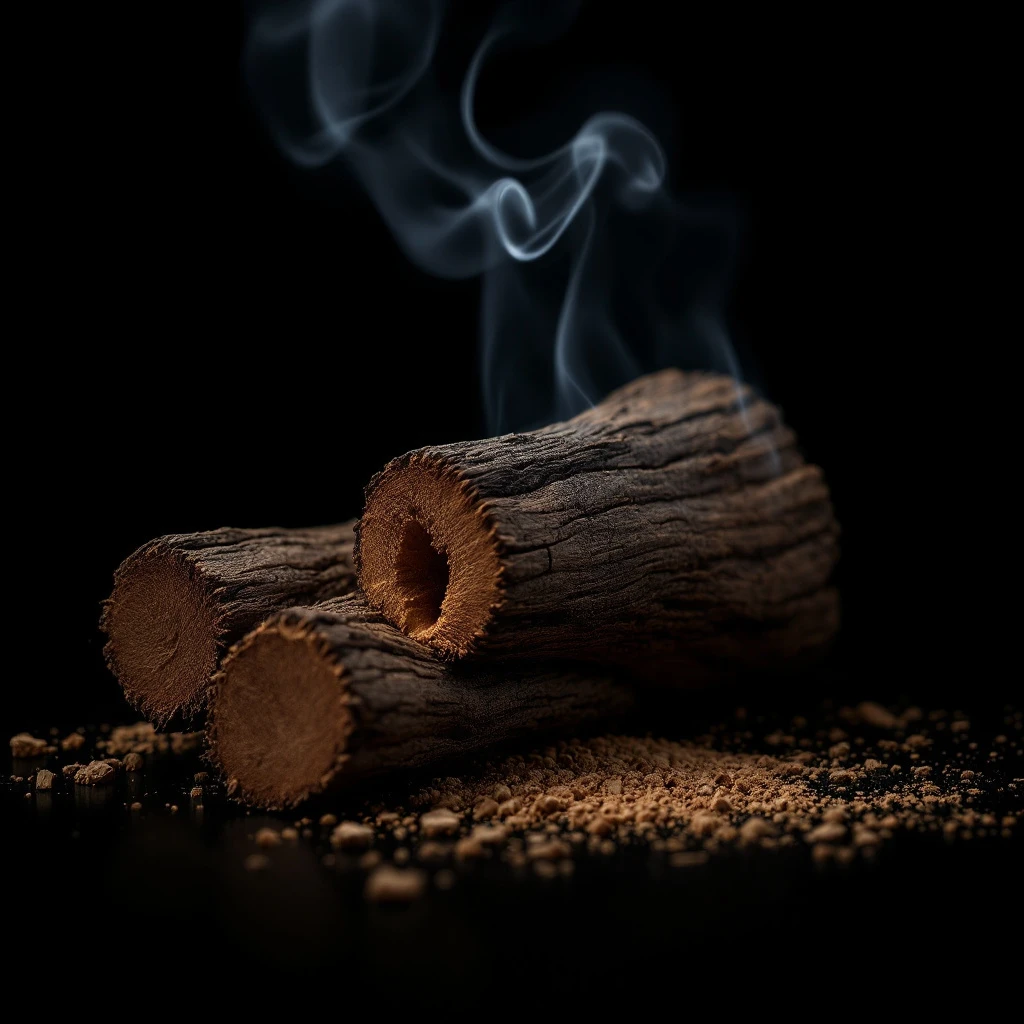
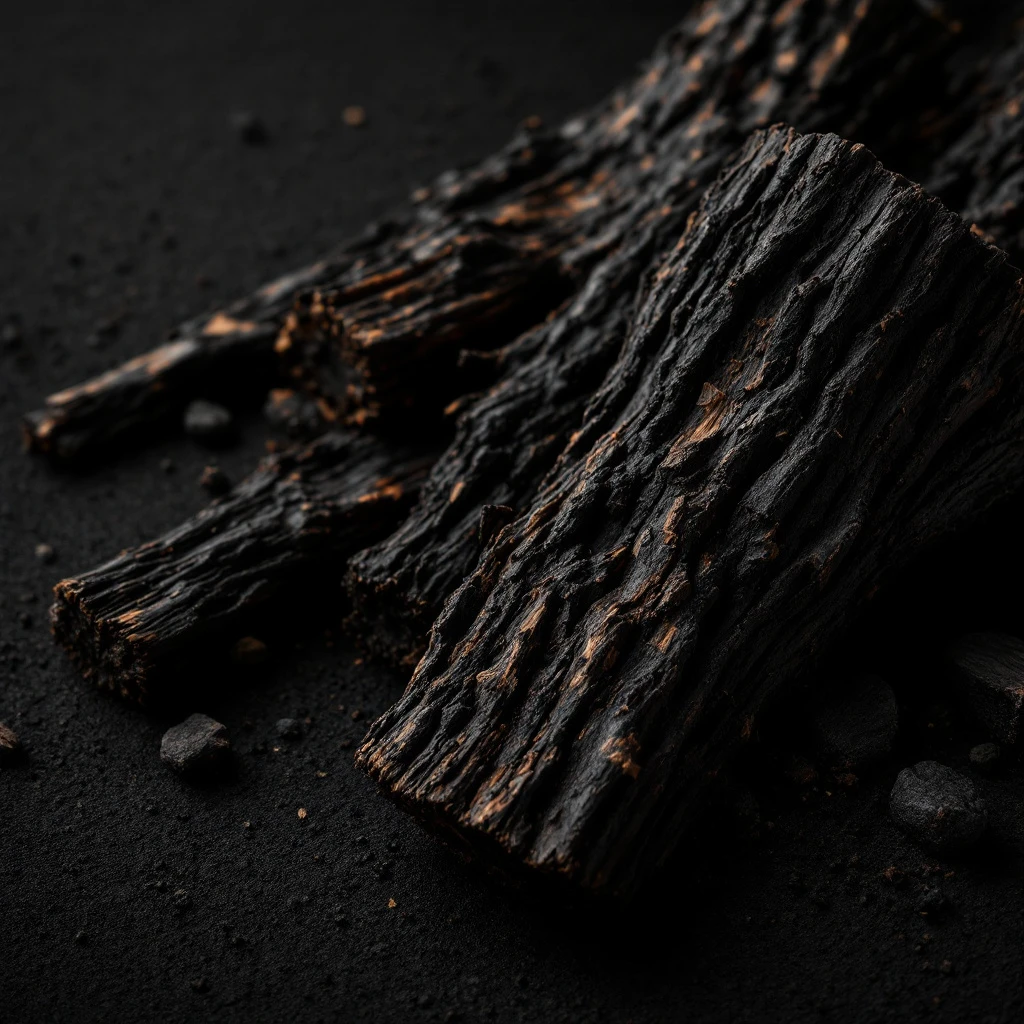
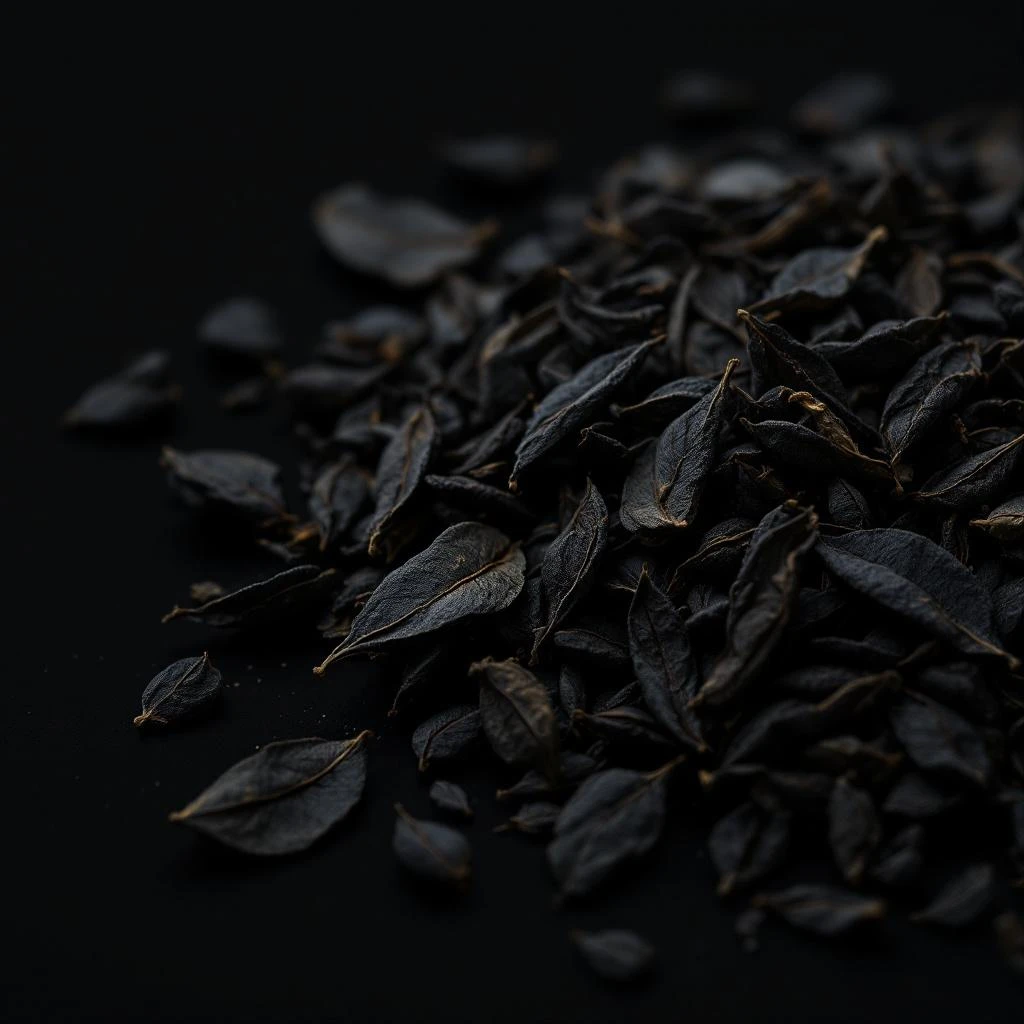
Charred Cedar brings smoke and carbon to perfumery. The wood is thermally treated, creating a distinctive ashy warmth that sits between incense and bonfire.
Character
How it smells
Smoke-kissed wood with ashy warmth.
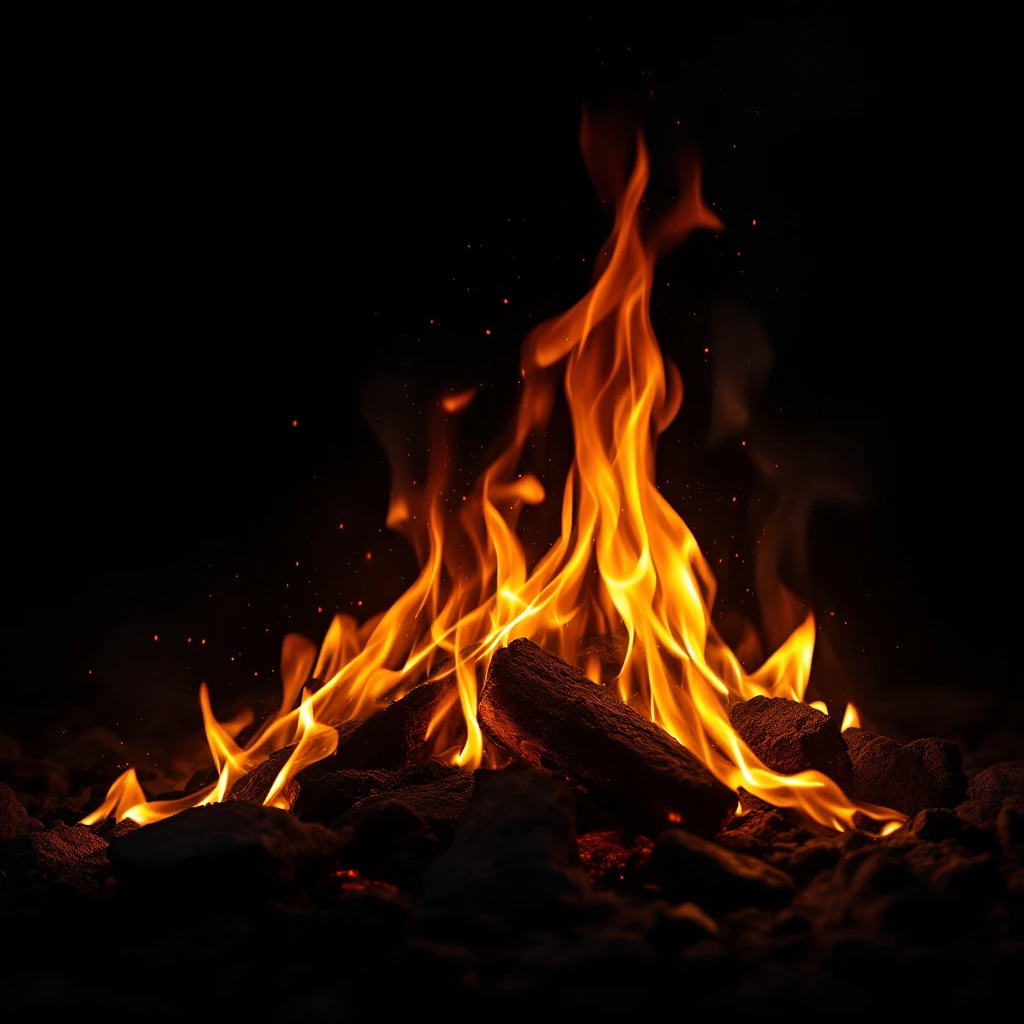
Traditional Japanese yakimodo cedar treatment inspired this technique, where wood is burned at controlled temperatures to deepen aromatic complexity.






Origin
Morocco
Cedar has served human civilization for millennia, from Egyptian embalming rituals to Mesopotamian temple incense. Ancient perfumers recognized cedar as one of their most valuable materials alongside frankincense and myrrh.
Atlas cedar, native to the Middle East, North Africa, and the Himalayas, reached European perfumery only in 1839. The charred treatment technique draws from Japanese yakimodo traditions, where cedar was intentionally burned to purify wood for construction and ceremony.
Modern perfumers adapted this approach, finding that controlled charring transforms cedar's aromatic profile from clean pencil shavings into something darker and more complex. Today, charred cedar bridges ancient reverence for the tree with contemporary demand for smoky depth.
Wears it best
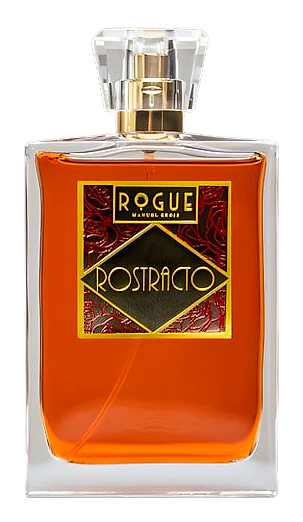
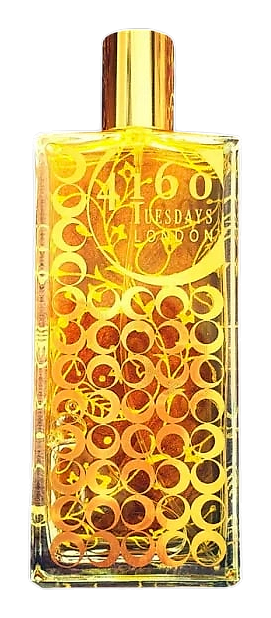
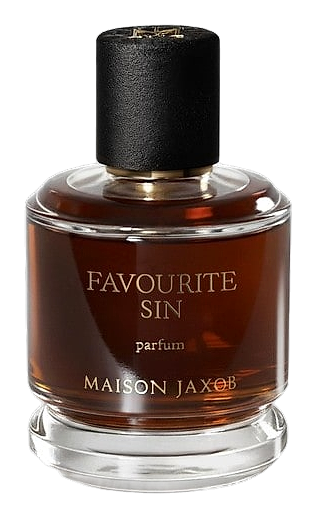
Fragrances featuring Charred Cedar
Brands
Brands known for Charred Cedar
Good to know
Questions, answered
The essentials on Charred Cedar in perfumery: how it smells, where it comes from, and how it behaves on skin.
What does charred cedar smell like?
Charred cedar smells smoky with ashy and carbon-like qualities. It retains traditional cedar warmth while adding a distinct burning wood character that evokes fireplace smoke rather than fresh sawdust.
How does charring cedar change its scent?
High-temperature treatment breaks down cedar's organic compounds, producing new aromatic molecules. The result is a deeper, more complex fragrance profile with smoky undertones that standard cedarwood oil lacks.
Which cedar species produces charred cedar?
Atlas cedar, native to North Africa and the Middle East, is most commonly used for this material. Its dense heartwood contains high concentrations of aromatic compounds well-suited to thermal processing.
Is charred cedar a natural ingredient?
Yes, charred cedar comes from real cedar wood subjected to controlled heat treatment. No synthetic compounds replicate its particular combination of woody warmth and smoky char.
How is charred cedar used in fragrances?
Perfumers use it as a heart or base note component想不到的 to add smoky depth. It appears frequently in masculine fragrances and any scent aiming for a campfire or fireplace character.
Does charred cedar come from sustainable sources?
Reputable suppliers source Atlas cedar from certified sustainable forests in Morocco and the Himalayas. Steam distillation byproduct is minimal, and responsible harvesting maintains tree populations.
What pairs well with charred cedar in perfumery?
Dark woods, leather, vetiver, tobacco, and incense resins complement charred cedar. These combinations enhance the smoky, mysterious character while adding complexity.
How long has charred cedar been used in perfumery?
The charred treatment technique emerged in perfumery during the late 20th century, inspired by Japanese wood preservation methods. Traditional cedarwood use in fragrance dates back millennia.