Plum skin
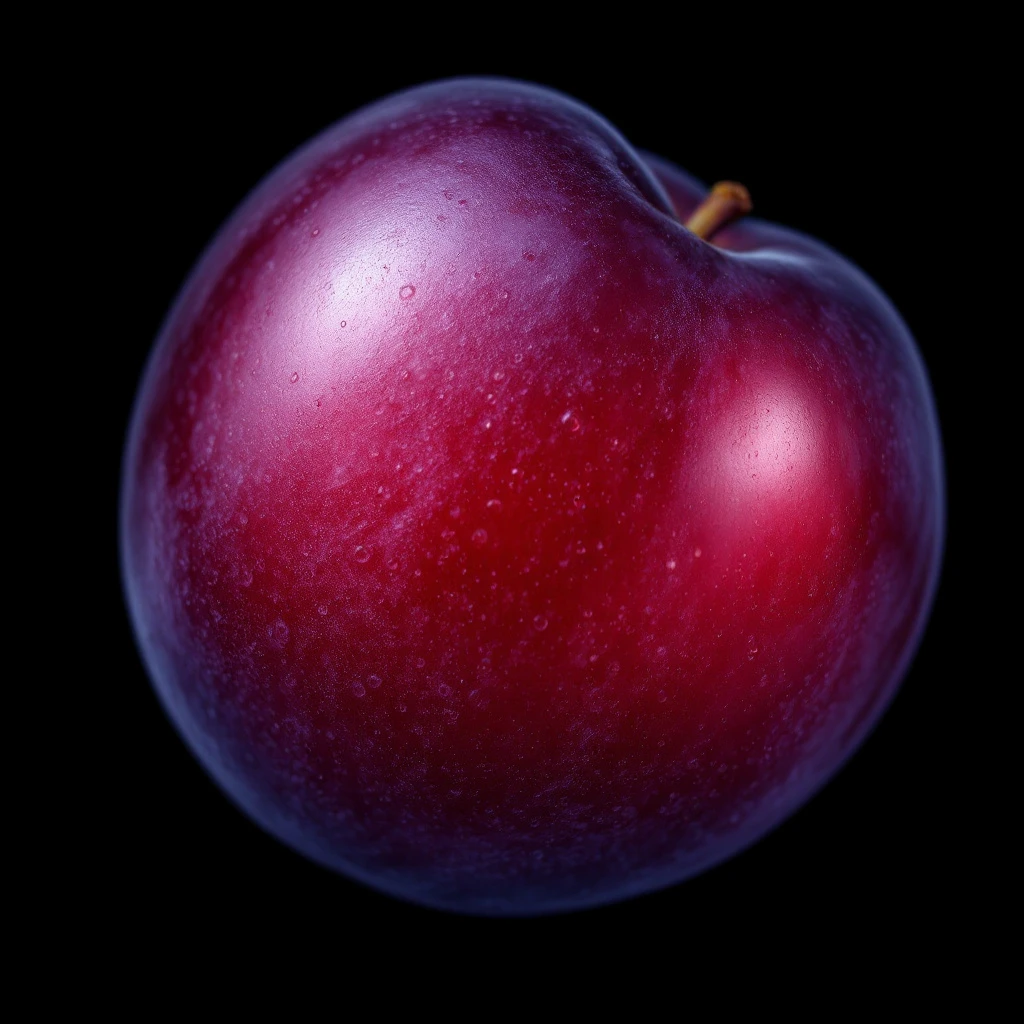
Plum skin captures the moment before full ripeness: waxy, slightly tart, with tender sweetness beneath the surface. This note evokes the fruit's outer layer more than its flesh, offering a cooler, more complex facet of the plum's character.
Character
How it smells
Waxy, tart, and beautifully unripe.
True plum oil is so difficult to extract that most plum fragrances in your collection are artful reproductions of the real thing.


Origin
China
Chinese cultivators developed plum trees (Prunus mume, the Japanese apricot) over centuries in provinces like Zhejiang and Jiangsu, where the trees produced fragrant winter blooms celebrated in poetry and art. The flowers, appearing during cold months, emit a distinctive fragrance that early Chinese perfumers attempted to capture.
As cultivation spread throughout East Asia, plum became embedded in cultural traditions, from decorative arts to culinary use. The fruit eventually caught the attention of European perfumers seeking new fruity accents for their compositions.
Modern perfumery access to plum materials expanded significantly in the twentieth century, though true natural plum absolute remains scarce. Today, plum appears in fragrances as both a homage to these ancient traditions and as a versatile modern note that bridges tart and sweet.
Wears it best
Fragrances featuring Plum skin
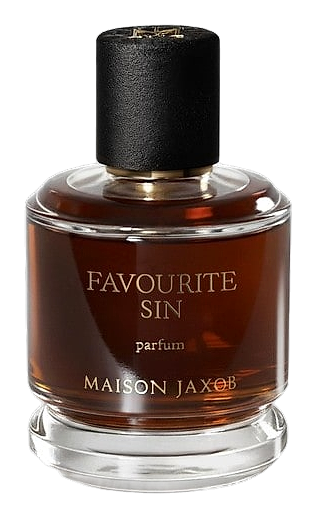
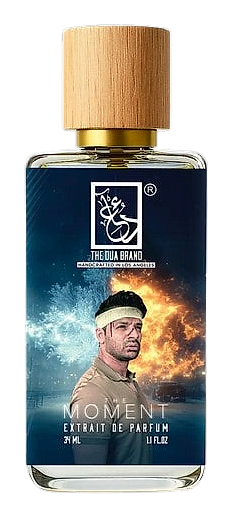
Brands
Brands known for Plum skin
Good to know
Questions, answered
The essentials on Plum skin in perfumery: how it smells, where it comes from, and how it behaves on skin.
Is plum skin a natural or synthetic ingredient in perfumery?
Both forms exist, though natural plum is exceptionally rare. True plum oil extraction is prohibitively difficult and expensive, making synthetic reproductions far more common. When you encounter natural Japanese Plum absolute, it commands premium pricing due to the challenging CO₂ or solvent extraction process required.
What does plum skin smell like?
Plum skin offers a waxy, slightly sour aroma with soft underlying sweetness. The note captures the fruit's outer layer, delivering tartness that cools and then warms, plus delicate floral nuances from compounds like benzaldehyde that add an almost almond-like dimension.
How do perfumers extract plum absolute?
Solvent extraction and supercritical CO₂ extraction are the primary methods. CO₂ extraction has gained favor because it operates at lower temperatures, better protecting delicate aromatic compounds like benzaldehyde and benzyl acetate from thermal degradation during processing.
What chemical compounds give plum its characteristic scent?
Benzaldehyde, benzyl acetate, and benzyl alcohol form the core. Benzaldehyde contributes a subtle bitter-almond quality, while benzyl acetate adds a fruity, floral sweetness. These three compounds in natural balance create the authentic white plum odor profile.
Where does perfumery-grade plum originate?
Major production centers include China's Zhejiang and Jiangsu provinces for plum blossom, with Japan producing high-quality Japanese Plum absolute. These regions have cultivated plum trees for centuries, and their climates produce the characteristic cold-weather blooms that yield distinctive fragrance profiles.
What types of fragrances traditionally use plum?
Plum appears across fragrance families from fruity-chypre women's scents to oriental men's compositions. The note works particularly well in gourmand fragrances, florals, and as a bridge between bright top notes and deeper base accords.
Can you steam distill plum to create essential oil?
Steam distillation is impractical for plum. The fruit's delicate aromatic compounds degrade under high heat, yielding poor results. Solvent and CO₂ extractions preserve the nuanced profile, which is why these methods dominate natural plum material production.
What other fragrance notes pair well with plum?
Plum combines effectively with rose, vanilla, sandalwood, amber, and patchouli. These companions enhance plum's fruity sweetness while adding depth, creating compositions that range from bright and playful to warm and sensual.