Chardonnay
Chardonnay brings the cultivated elegance of Burgundy's celebrated white wine grape into perfumery, weaving together sun-drenched stone fruits, refined floral notes, and subtle oak-derived warmth into a single sophisticated ingredient.
Character
How it smells
Burgundy's liquid gold, bottled for fragrance.
The Chardonnay grape variety takes its name from the village of Chardonnay in southern Burgundy, where Benedictine monks began cultivating it centuries ago.






Origin
France
The Chardonnay grape has ancient roots in the Burgundy region of eastern France, where it was first cultivated by Cistercian monks at the Abbey of Cluny around the 12th century. Unlike many grape varieties named after their origins, Chardonnay takes its name from the small village of Chardonnay in the Saone-et-Loire department. The grape's neutral character made it uniquely responsive to terroir and winemaking technique, earning it the nickname "the winemaker's grape."
French perfumers began incorporating wine-inspired accords into luxury fragrances in the late 20th century as part of a broader movement toward culinary and beverage-inspired notes. The Chardonnay accord emerged as a sophisticated way to evoke vineyard elegance, combining the grape's fruit-forward appeal with the oak influence that defines premium examples.
Wears it best
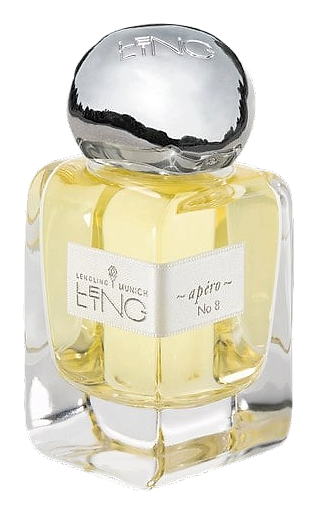
Fragrances featuring Chardonnay

Good to know
Questions, answered
The essentials on Chardonnay in perfumery: how it smells, where it comes from, and how it behaves on skin.
What does Chardonnay smell like in perfumery?
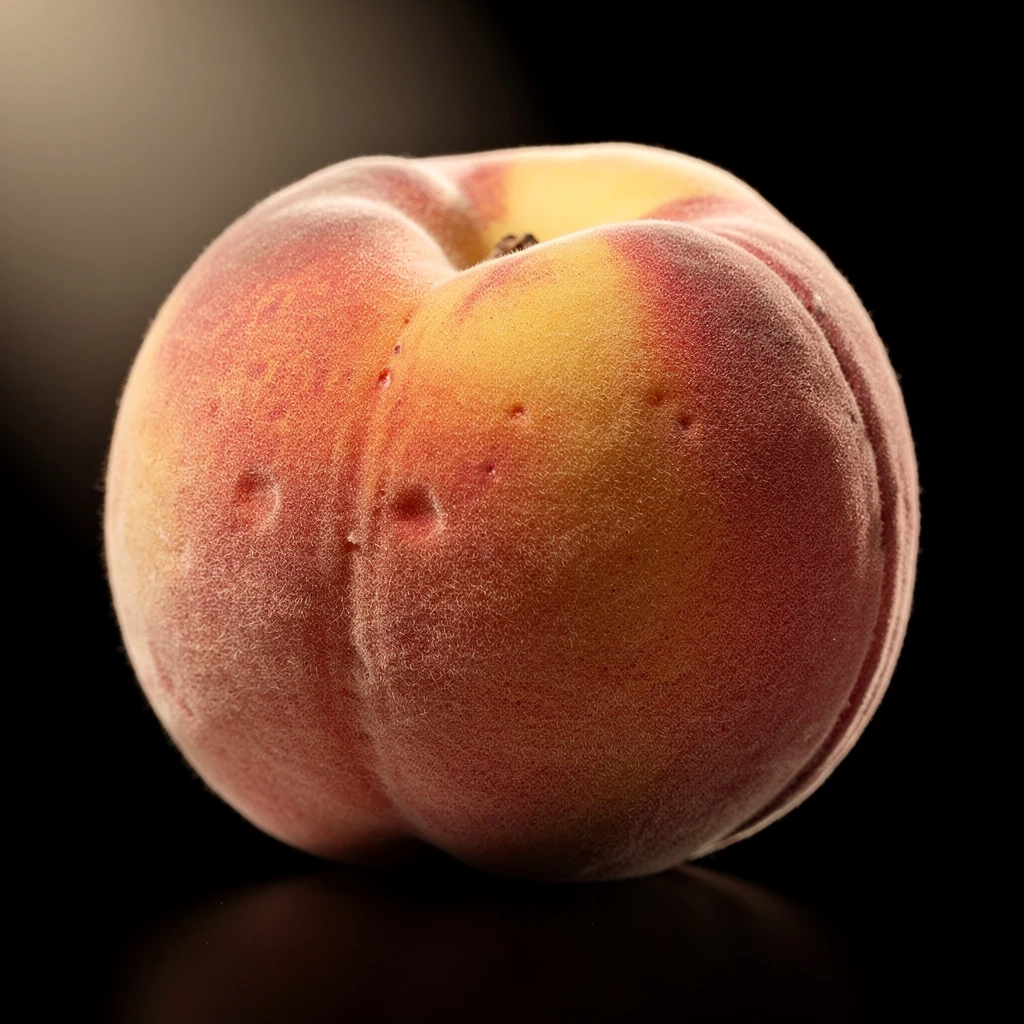
Chardonnay captures the wine's signature bouquet of stone fruits like peach and apricot, brightened by citrus and enriched with subtle oak-driven vanilla and butter notes.
Is Chardonnay extracted from actual grapes?
No, perfumers construct the Chardonnay accord synthetically using aromatic compounds that reproduce the wine's characteristic smell without containing grape-derived materials.
Which fragrance families use Chardonnay notes?
Perfumers employ Chardonnay accords primarily in white floral, fruity chypre, and modern gourmand compositions to add sophistication and wine-like elegance.
Where does the Chardonnay grape originate?
The grape variety originates from the Burgundy wine region of eastern France, specifically taking its name from the village of Chardonnay in Saone-et-Loire.
What gives Chardonnay its distinctive buttery aroma in wine?
Diacetyl, a compound produced during malolactic fermentation where tart malic acid converts to softer lactic acid, creates the buttery quality found in oak-aged Chardonnay wines.
Can Chardonnay be combined with other wine notes?
Perfumers frequently layer Chardonnay accords with Champagne, Burgundy, or oak notes to build complex wine-inspired compositions with varied aromatic dimensions.
How long has Chardonnay been used in perfumery?
Wine-inspired aromatic accords became prominent in luxury perfumery during the late 20th century, with Chardonnay-specific constructions emerging within the last three decades.
What makes Chardonnay different from other fruit notes in fragrance?
Unlike fresh fruit materials, the Chardonnay accord emphasizes the wine's cultivated complexity, combining fruit sweetness with mineral undertones and oak influence for a refined, adult character.