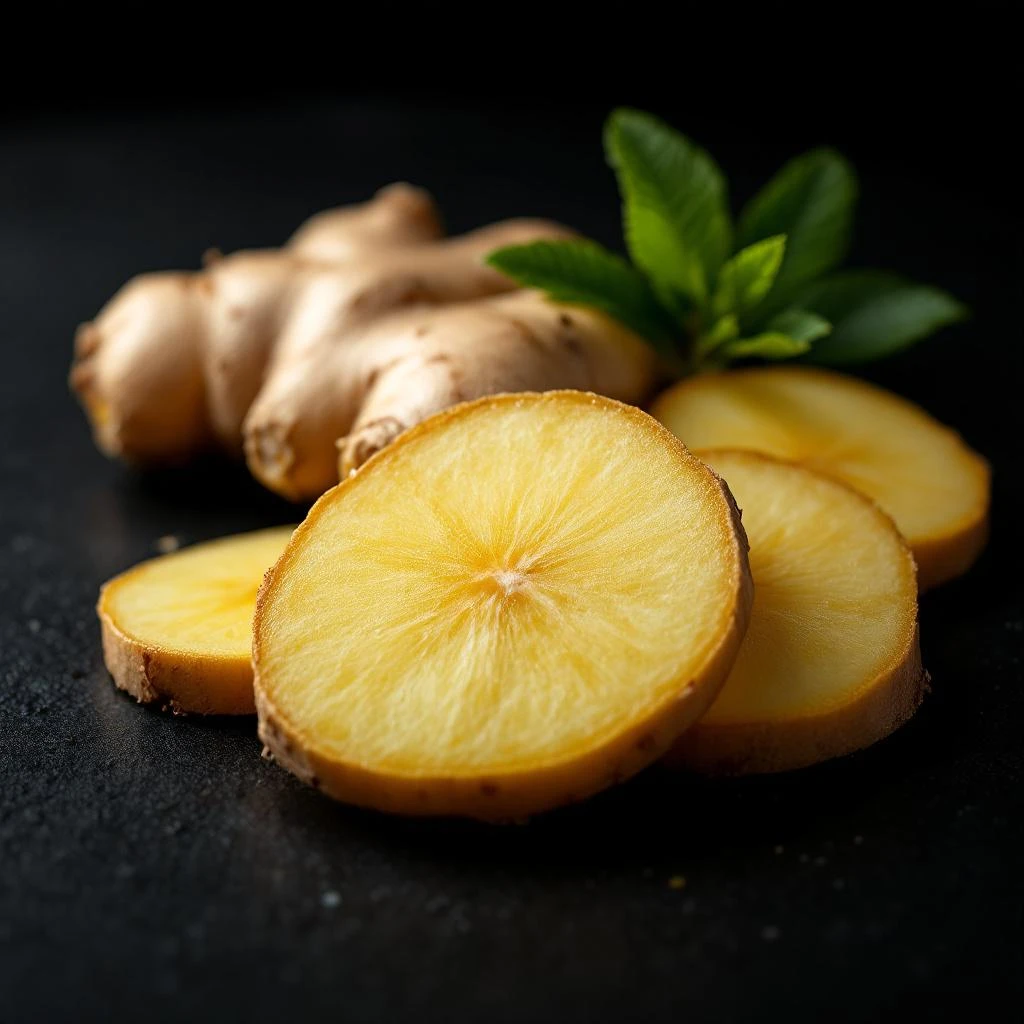
Ceylonese Bay Leaf
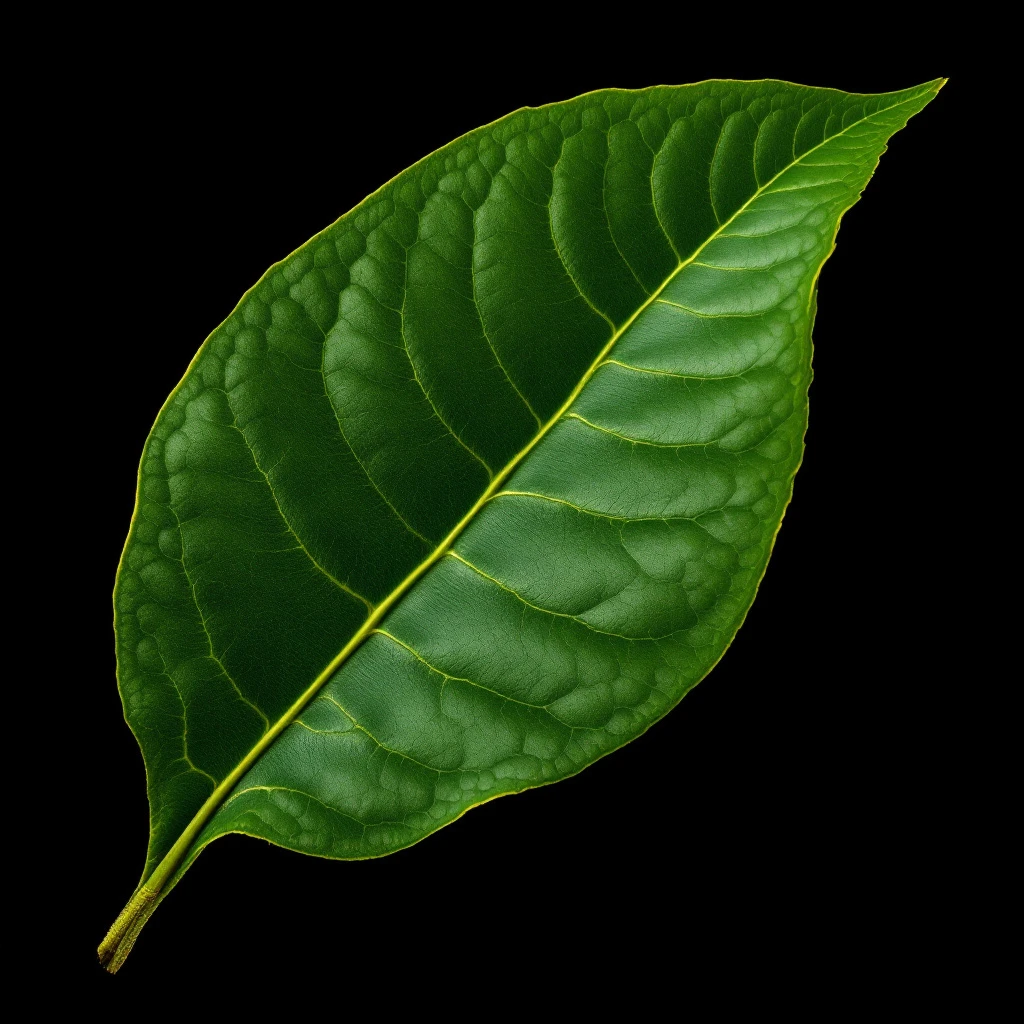
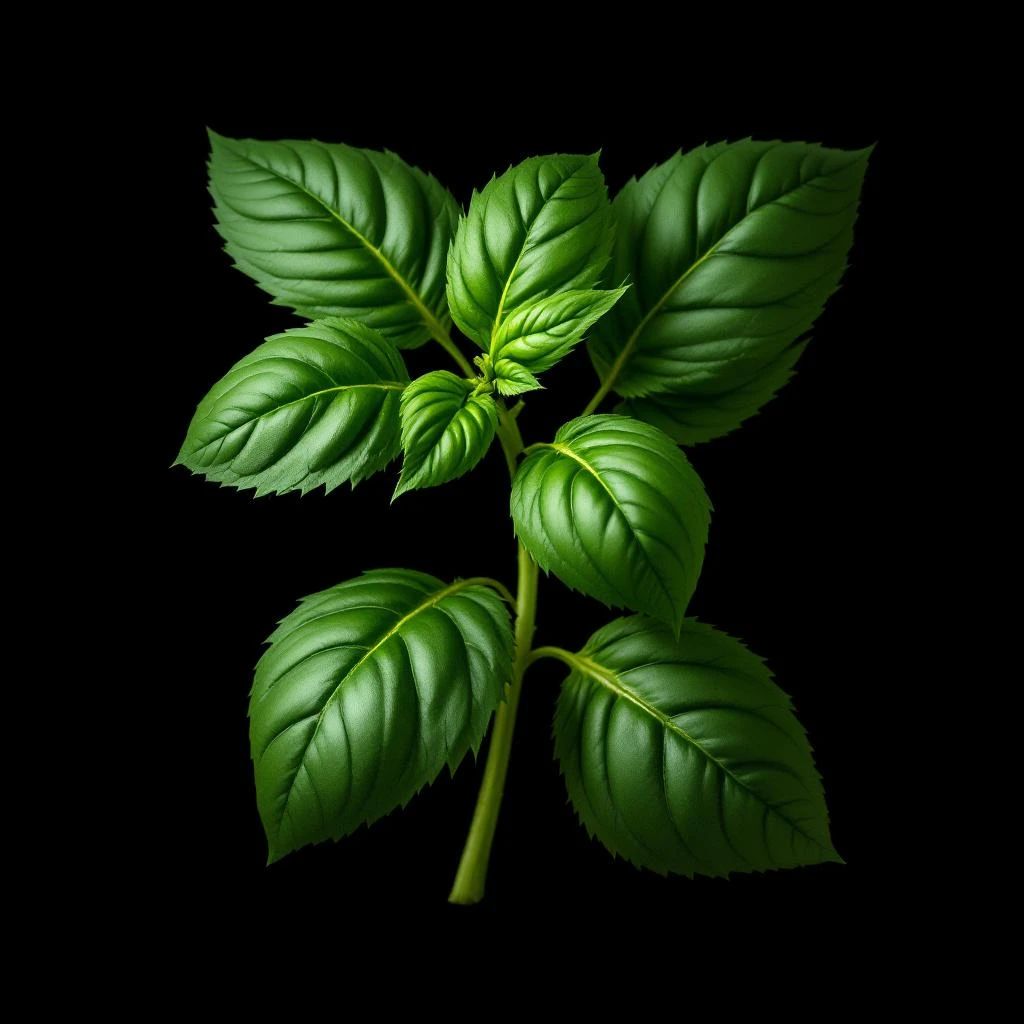
Ceylonese bay leaf delivers a sharp, eucalyptol-forward warmth with undertones of clove and subtle camphor. Steam-distilled from Sri Lanka's indigenous Cinnamomum tamala, this note brings aromatic complexity that bridges culinary tradition and fine perfumery.
Character
How it smells
Sharply aromatic, warmly spiced
Sri Lanka exports bay leaf essential oil to fragrance houses worldwide, with peak cineole content appearing in leaves harvested just before the island's monsoon season.





Origin
Sri Lanka
Sri Lanka's position along ancient maritime spice routes made it a hub for aromatic植物 distribution. While Laurus nobilis dominated Mediterranean perfumery traditions, the island's native bay species developed distinct chemical characteristics shaped by tropical growing conditions.
Local communities incorporated Cinnamomum tamala into medicinal preparations and culinary traditions for centuries before Western traders recognized its commercial potential. The plant thrives in Sri Lanka's humid climate, developing higher concentrations of eugenol and other phenolics compared to Mediterranean varieties.
During the colonial era, Dutch and Portuguese merchants traded these leaves alongside cinnamon, establishing supply chains that continue today. Contemporary perfumers prize Ceylonese bay leaf oil for its complexity, using it in masculine bases and aromatic compositions where its spicy warmth anchors brighter top notes.
Wears it best
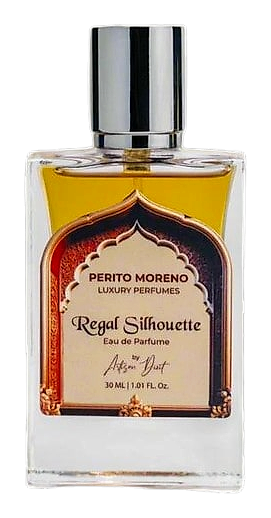
Fragrances featuring Ceylonese Bay Leaf
Brands
Brands known for Ceylonese Bay Leaf
Good to know
Questions, answered
The essentials on Ceylonese Bay Leaf in perfumery: how it smells, where it comes from, and how it behaves on skin.
What does Ceylonese bay leaf smell like?
Ceylonese bay leaf oil smells sharp and eucalyptol-forward with distinct clove-like warmth and subtle camphor undertones. It is generally spicier than Mediterranean bay leaf, with a more pronounced phenolic character that performs well in masculine and aromatic fragrance bases.
How is Ceylonese bay leaf oil extracted?
Distillers extract the oil through steam distillation, passing steam through freshly harvested or partially dried leaves. The process captures volatile aromatic compounds without using solvents, producing a pure essential oil suitable for fine perfumery applications.
Why does Ceylonese bay leaf oil quality vary between batches?
Oil yield fluctuates between 0.8 and 3.9 percent depending on harvest timing and leaf maturity. Leaves picked before monsoon season typically contain the highest cineole content, which directly affects fragrance strength and character.
What is the difference between Ceylonese and Mediterranean bay leaf?
Ceylonese bay leaf comes from Cinnamomum tamala and grows in tropical conditions, developing more eugenol and spicier notes. Mediterranean bay leaf derives from Laurus nobilis and offers a more restrained, herbal profile with lower phenolic content.
Can producers use dried bay leaves for distillation?
Fresh leaves yield the best results, though partially dried material still produces acceptable oil. Complete drying reduces oil yield significantly and may alter the delicate balance of aromatic compounds in the final extract.
What role does Sri Lanka's climate play in bay leaf quality?
The island's tropical humidity and temperature variations stress the plants, encouraging higher production of defensive aromatic compounds. This environmental pressure creates the distinctive chemical profile that sets Ceylonese bay leaf oil apart from varieties grown in temperate regions.
Does seasonal harvest affect fragrance performance?
Absolutely. Distillers time harvests to coincide with peak cineole development, typically weeks before monsoon rains arrive. This seasonal optimization ensures the oil delivers maximum aromatic impact when used in fragrance formulations.