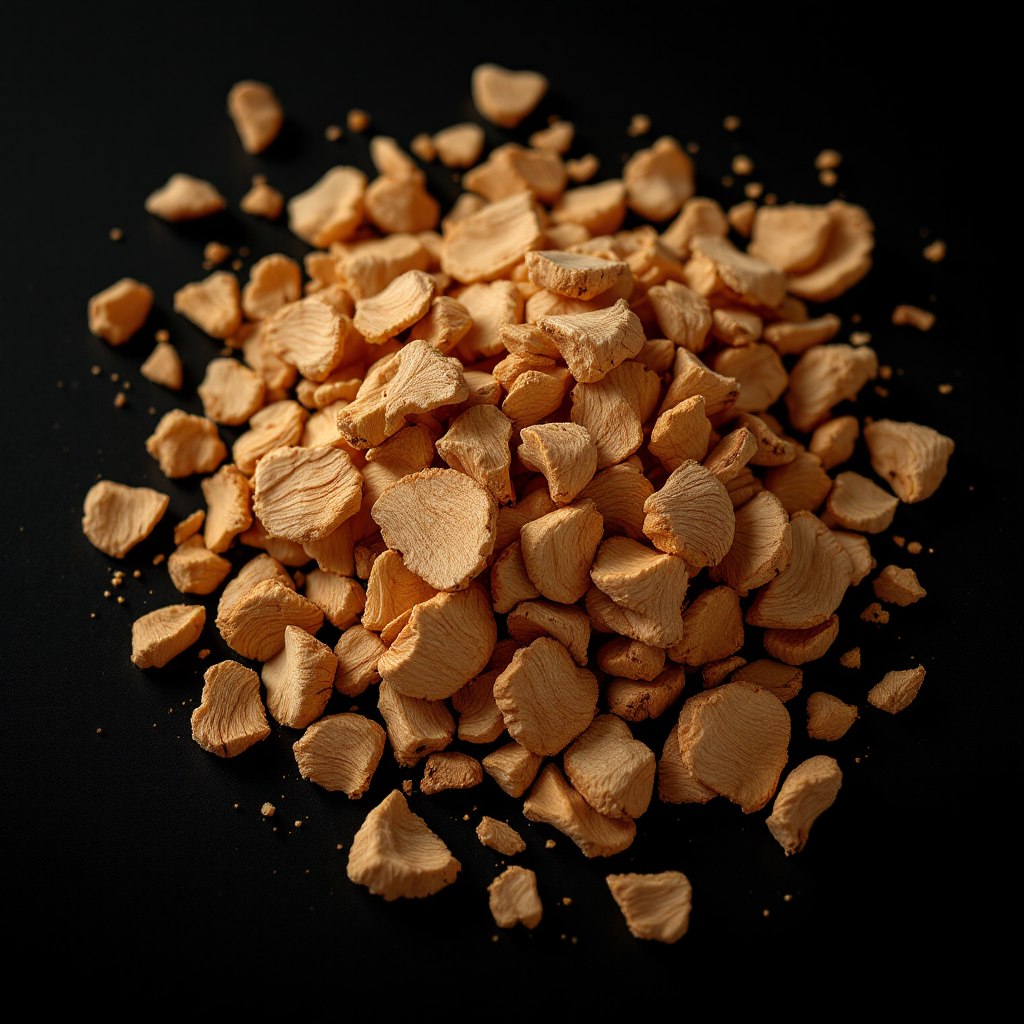
Cedar Needle
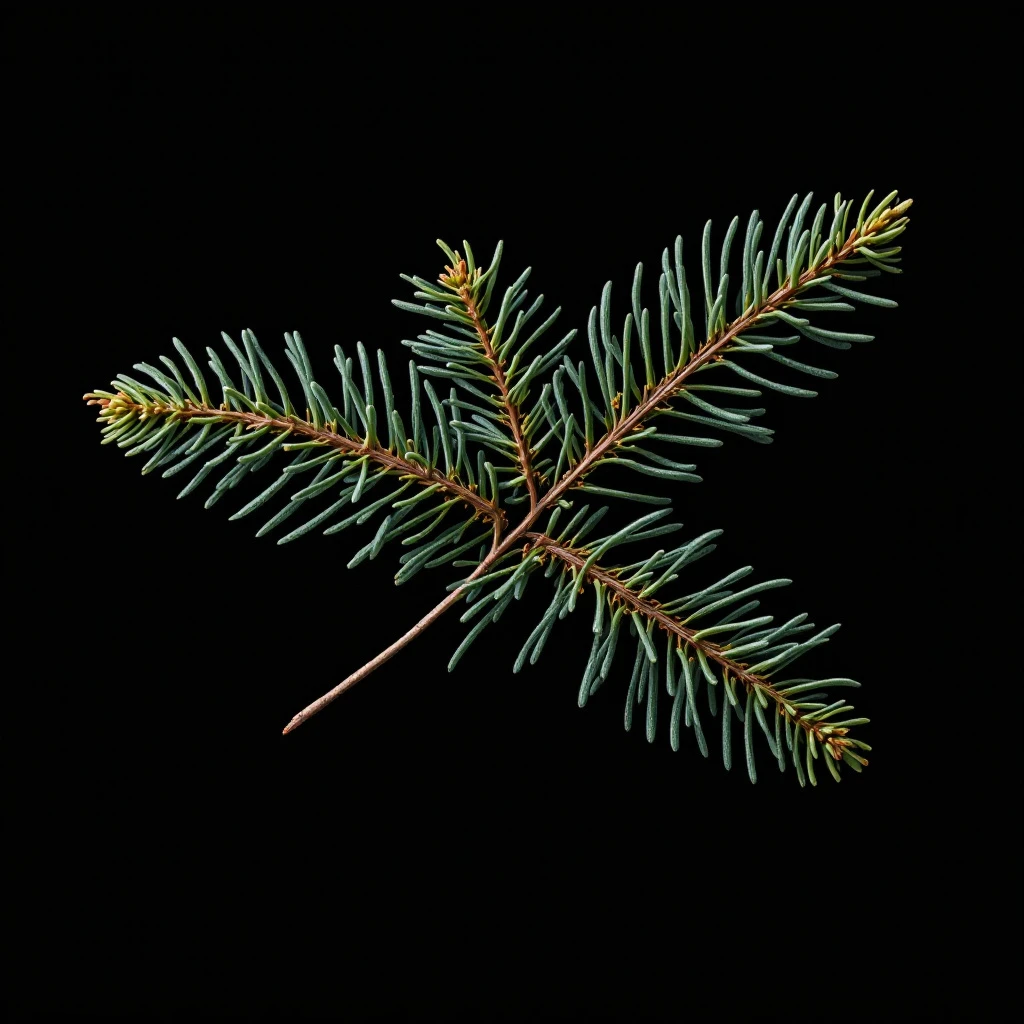
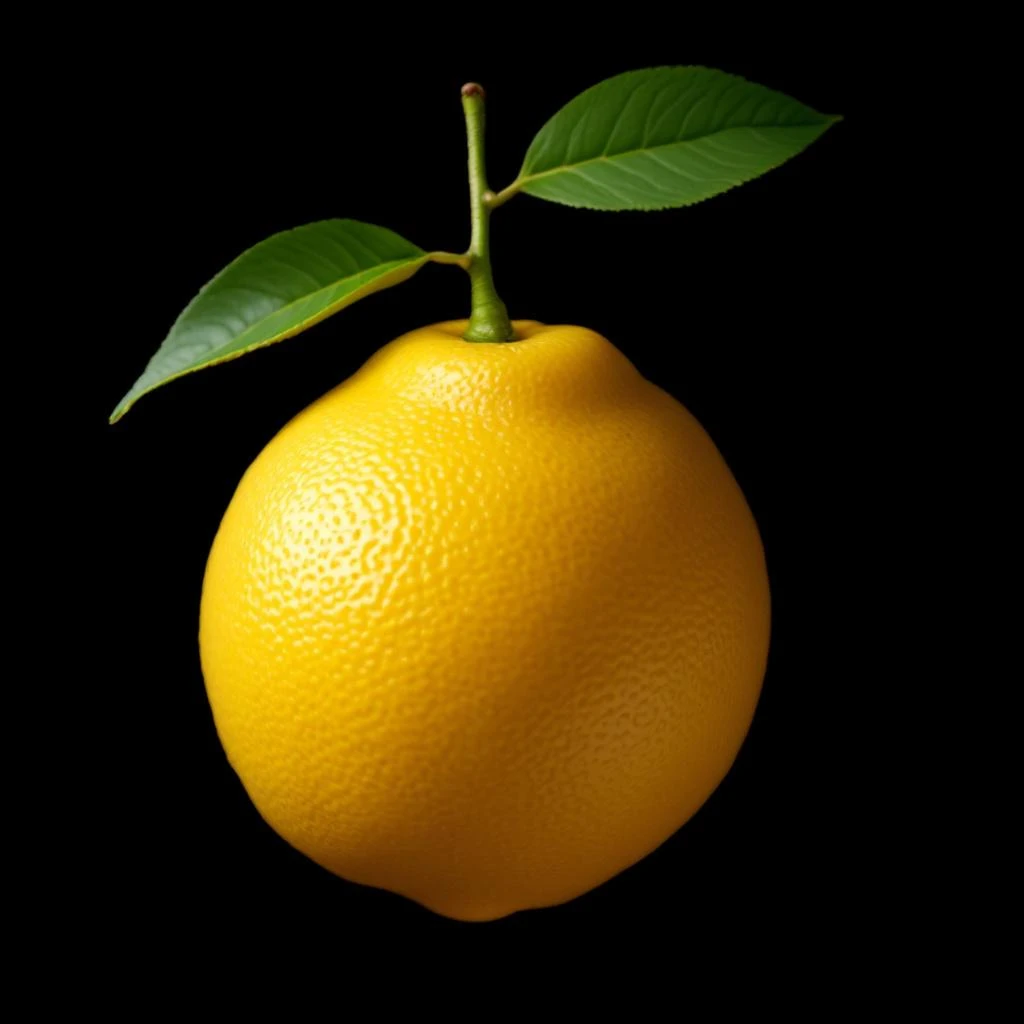
Cedar needle oil delivers sharp, coniferous freshness with warm, dry wood undertones. This bright note anchors masculine fragrances with quiet strength, bridging forest floor and open sky.
Character
How it smells
Ancient conifer. Quiet strength.
Northern white cedar used by Indigenous peoples became one of the first North American plants exported to European apothecaries in the 16th century.






Origin
Canada
Cedar has been valued since ancient Mesopotamian and Egyptian civilizations burned cedar resin in temple rituals and used the oil for embalming. The specific species behind cedar needle oil, Thuja occidentalis, originates from the boreal forests of northeastern North America. French explorer Jacques Cartier documented its medicinal use by Indigenous peoples in 1535 during his voyages along the St.
Lawrence River. European settlers quickly adopted northern white cedar for its durability in shipbuilding and fencing. Commercial extraction of cedar needle oil began in earnest during the 19th century as North American botanicals flowed to European markets.
By the early 20th century, perfumers were incorporating this distinctly North American note into masculine fragrance compositions, where it provided a fresh, evergreen counterpoint to traditional European base materials. The note remains a cornerstone of coniferous and fougere fragrance families today.
Wears it best
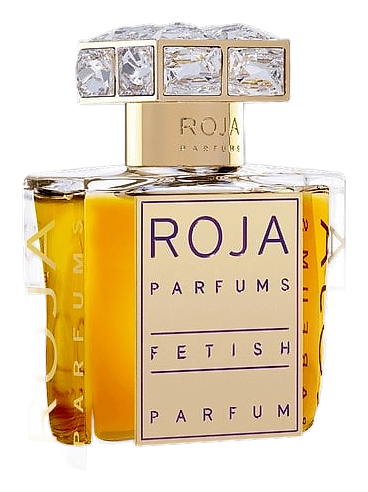
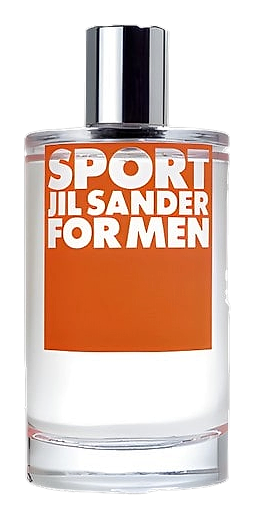
Fragrances featuring Cedar Needle
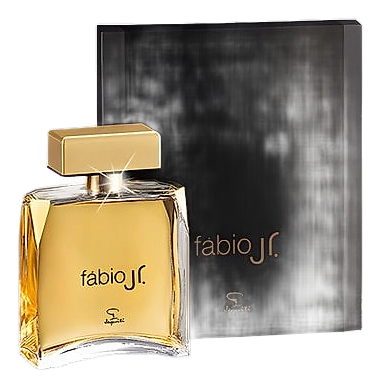

Brands
Brands known for Cedar Needle
Good to know
Questions, answered
The essentials on Cedar Needle in perfumery: how it smells, where it comes from, and how it behaves on skin.
What does cedar needle smell like?
Cedar needle oil carries a sharp, coniferous character with bright citrus top notes and warm, earthy undertones. The scent is fresher and greener than cedarwood, with an almost medicinal clarity that grounds masculine fragrance compositions.
Where does cedar needle oil originate?
Commercial production centers on Canada, where Thuja occidentalis grows abundantly across boreal forests from Manitoba to Newfoundland. The species thrives in cool, moist environments throughout northeastern North America.
How is cedar needle oil extracted?
Steam distillation of needles and twigs at 100-120 degrees Celsius. The process runs several hours and yields approximately 0.4-1.0 percent essential oil by plant weight, making it less efficient than cedarwood extraction.
Is cedar needle oil used in men's fragrances only?
Primarily yes. Cedar needle oil appears most often in masculine and unisex compositions, especially chypres, fougeres, and aromatic fragrances. It functions as a top-to-heart note that lends freshness and structure.
How does cedar needle differ from cedarwood?
Different species produce distinct aromatic profiles. Cedarwood comes from Cedrus or Juniperus species, while cedar needle oil derives from Thuja occidentalis. Needle oil reads brighter and more citrus-forward; cedarwood reads warmer and more buttery.
What gives cedar needle its distinctive scent?
Alpha-pinene dominates the chemistry, lending that fresh, needle-like quality. Beta-pinene, fenchone, and thujone contribute complexity. Growing conditions and harvest timing affect the exact aromatic profile.
How should cedar needle oil be stored?
Keep sealed in a cool, dark location to prevent oxidation. Like most conifer oils, it degrades when exposed to heat and light. Properly stored essential oils remain stable for 2-3 years.
Can cedar needle oil cause skin reactions?
Thujone content means caution is warranted. Always dilute before skin application and perform a patch test. Professional formulation ensures safe concentration levels in commercial fragrances.