Cedar Bark
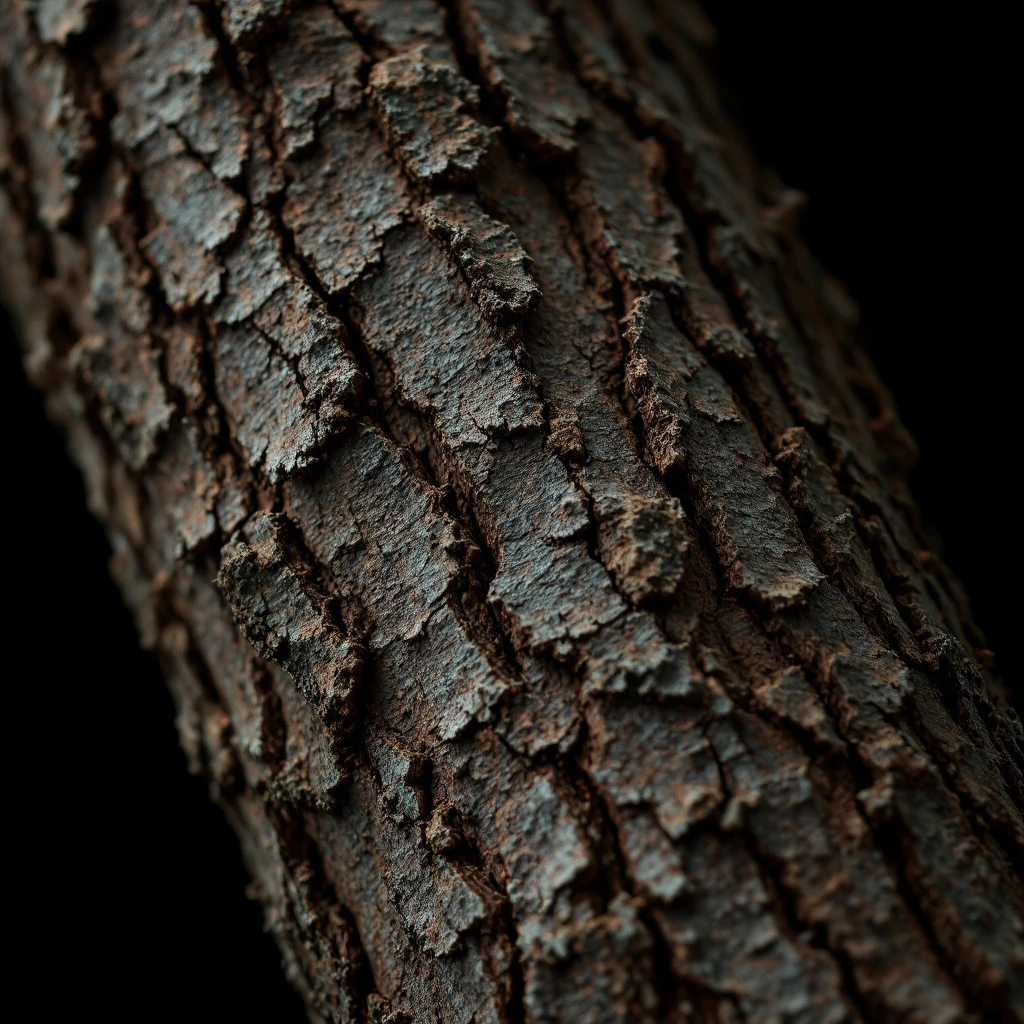
Cedar bark delivers the quiet authority of ancient forests. Its dry, pencil-shaving warmth anchors fragrances with a woody depth that has grounded perfumers for centuries.
Character
How it smells
The steady heartbeat of the ancient forest.
The ancient Egyptians used cedar-derived substances to preserve mummies, relying on its natural protective properties thousands of years ago.



Origin
United States
Cedar holds one of the oldest positions among aromatic materials used by humans. The ancient civilizations of Mesopotamia and Egypt relied on cedar for sacred rituals, medicine, and preservation. Egyptian embalmers prized cedar resin for its protective qualities, and the wood itself appeared in temple construction and royal furnishings.
The classical perfumery traditions of Greece and Rome continued this legacy, incorporating cedar into scented oils and incense. Parallel traditions developed across India, where cedarwood played roles in Ayurvedic medicine and spiritual practice. By the time the modern European perfume industry emerged in late nineteenth-century Paris, cedar had already accumulated millennia of aromatic use.
Its transition from temple and tomb to the laboratory represented continuity rather than reinvention. Perfumers recognized in cedar a reliable base note capable of lending structure to increasingly complex fragrance compositions, a role it maintains today.
Wears it best
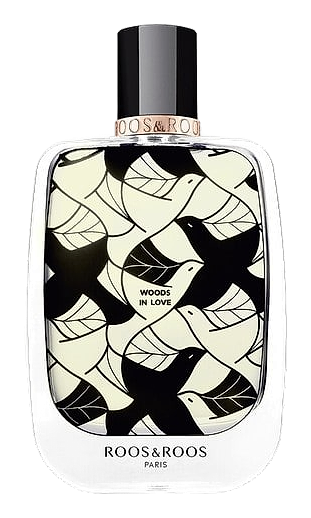
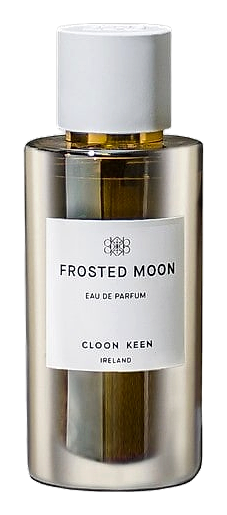
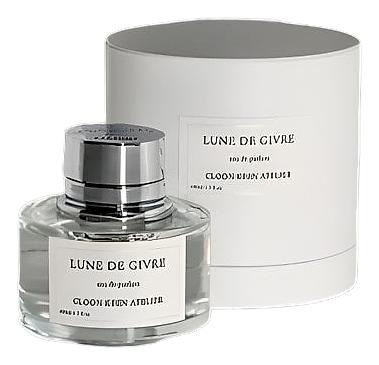
Fragrances featuring Cedar Bark
Brands
Brands known for Cedar Bark
Good to know
Questions, answered
The essentials on Cedar Bark in perfumery: how it smells, where it comes from, and how it behaves on skin.
What does cedar bark smell like?
Cedar bark carries a dry, pencil-shaving character with warm, slightly camphoraceous undertones. The scent evokes freshly sharpened wood rather than forest greenery, offering a clean and reassuring presence that blends seamlessly into fragrance foundations.
How is cedar bark oil extracted?
Steam distillation extracts cedar bark oil from wood chips and root material. The process runs at 100 to 120 degrees Celsius for 8 to 24 hours, releasing aromatic compounds through controlled heat application.
What role does cedar bark play in perfumery?
Cedar bark functions as a base note that anchors lighter top and heart notes. It provides longevity and structure, lending fragrances a dry woody warmth that holds composition together through the wear cycle.
Where does cedar bark used in perfumery originate?
The primary commercial source is Juniperus virginiana, native to the eastern United States. Atlas cedar from Morocco also supplies the industry. Both species yield aromatic wood suitable for steam distillation.
Is cedar bark oil natural or synthetic?
Cedar bark oil is naturally derived through steam distillation. Synthetic alternatives mimic the aroma using laboratory-created compounds, but natural cedar bark oil retains complexity that synthetic versions struggle to replicate fully.
How long has cedar bark been used in perfumery?
Cedar has served as an aromatic material since ancient Mesopotamian and Egyptian civilizations, placing its perfumery use at over 4,000 years. Its transition to modern fragrance began with the nineteenth-century European perfume industry.
What materials are used to extract cedar oil?
Steam distillation targets wood chips, sawdust, and roots rather than bark alone. The heartwood and root sections contain the highest concentration of aromatic compounds, yielding the characteristic cedar fragrance.
Does cedar bark blend well with other fragrance ingredients?
Cedar bark pairs naturally with citrus, floral, and other woody materials. It complements both natural and synthetic ingredients, providing a versatile foundation that enhances rather than dominates surrounding notes.




