Cashmere Cream
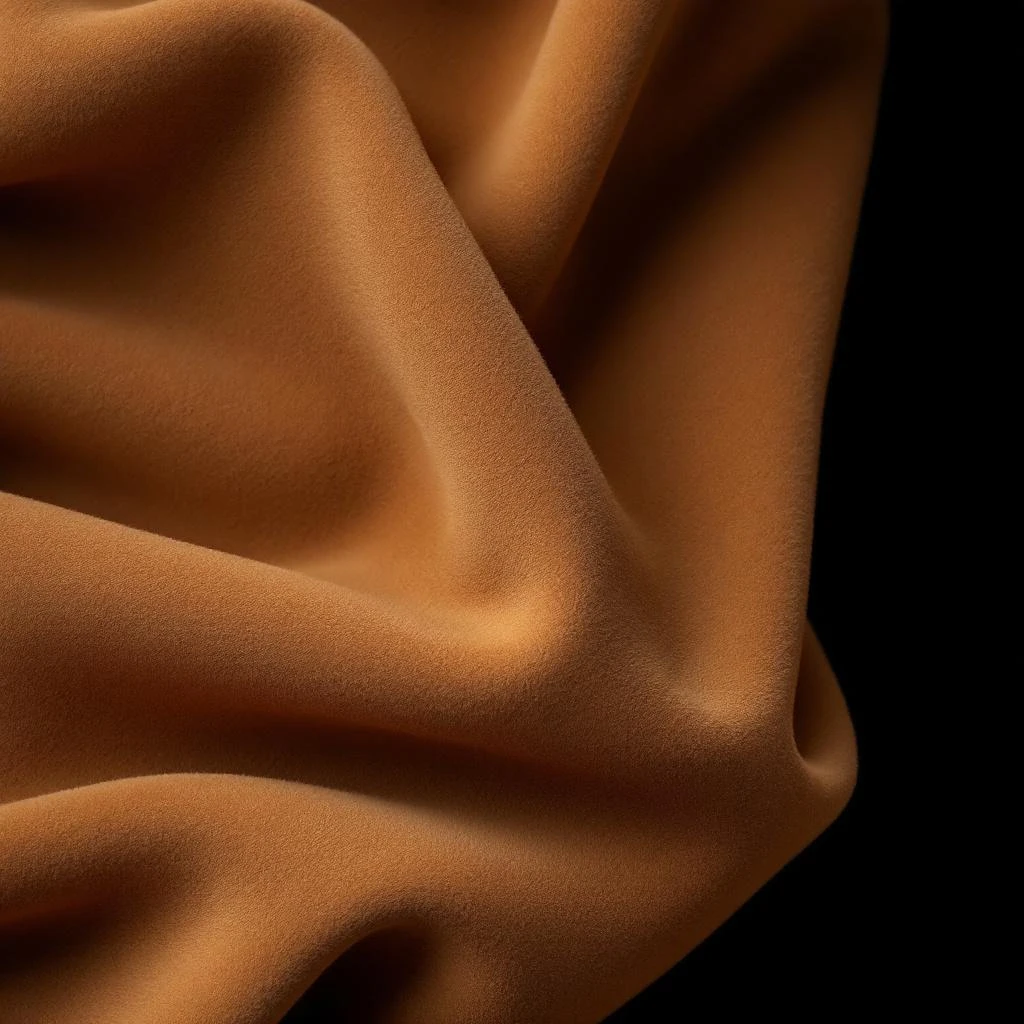
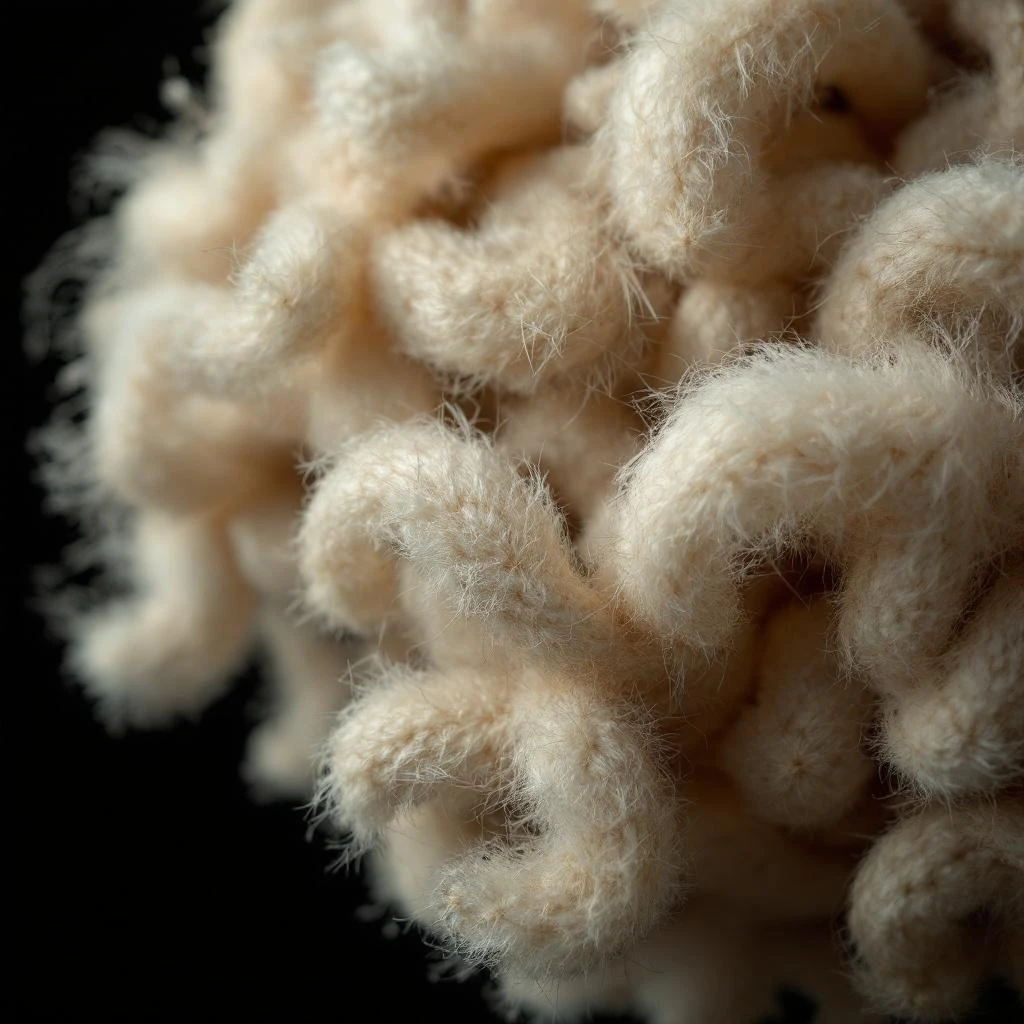
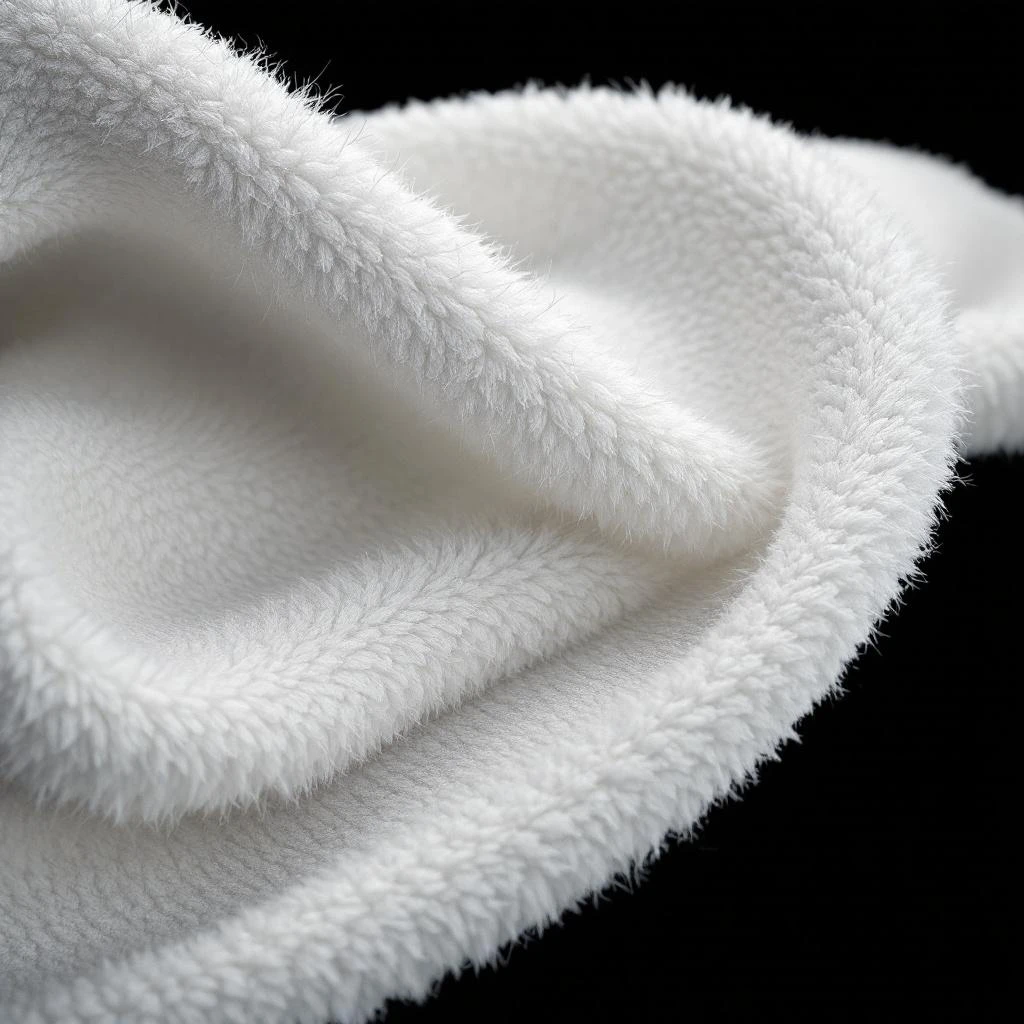
Cashmere Cream captures the soft warmth of cashmere against skin: milky, woody, with a suede-like softness that wraps around florals and resins without overpowering them.
Character
How it smells
Soft warmth you can almost feel.
Cashmeran, the molecule behind this note, was first synthesized in 1968 by John Hall at IFF, and remains one of few musks designed to smell woody rather than sweet.






Origin
United States
The story of Cashmere Cream begins in the late 1960s, when IFF chemist John Hall developed cashmeran in 1968. At the time, perfumery was seeking alternatives to natural musk, which had become restricted due to ethical and regulatory concerns. Cashmeran offered something new: a musk that read as warm, woody, and skin-like rather than animalic or sharp.
The name comes from cashmere fabric, prized for its softness and warmth. Perfumers recognized that cashmeran shared these tactile qualities in scent form, and the Cashmere Cream accord grew from there. The 1980s and 1990s saw this style rise in popularity as fragrance shifted toward comfort-driven, skin scents. Today, Cashmere Cream notes appear across designer and niche lines, often anchoring oriental, gourmand, and soft floral compositions.
Its lasting appeal lies in versatility. Cashmeran blends seamlessly with florals, woods, and resins, making it a quiet workhorse in modern perfumery.
Wears it best
Fragrances featuring Cashmere Cream
Brands
Brands known for Cashmere Cream
Good to know
Questions, answered
The essentials on Cashmere Cream in perfumery: how it smells, where it comes from, and how it behaves on skin.
What does Cashmere Cream smell like?
Cashmere Cream smells soft, warm, and woody, with milky and suede-like qualities. Cashmeran, the core molecule, gives a dry warmth that reads more like fabric than traditional musk. It adds comfort without sweetness.
Is Cashmere Cream a natural ingredient?
No. Cashmere Cream is a synthetic accord built mainly around cashmeran, a molecule first synthesized at IFF in 1968. Natural cashmere wool does not produce fragrance. The name is an olfactory metaphor for softness.
What is cashmeran?
Cashmeran is a polycyclic musk with CAS number 33704-61-9, created by John Hall at IFF in 1968. Unlike most musks, it leans woody, spicy, and slightly lactonic, making it useful for warm, skin-like compositions.
When was cashmeran first used in perfumery?
Cashmeran entered perfumery shortly after its 1968 synthesis at IFF. It gained wider use in the 1980s and 1990s as comfort-oriented, skin-scent fragrances grew in popularity.
What fragrance families use Cashmere Cream?
Cashmere Cream notes appear most often in oriental, gourmand, and soft floral compositions. They also work well in woody and amber-based fragrances where a warm, fabric-like softness is desired.
Is cashmeran the same as white musk?
No. Cashmeran belongs to the polycyclic musk family but smells distinctly woody and dry, while white musks tend to smell clean and soapy. Cashmeran adds warmth and depth rather than freshness.
How long does Cashmere Cream last in a fragrance?
Cashmeran is a base-note material with strong longevity, often lasting 8 to 12 hours on skin. Its stability makes it a reliable anchor in the drydown of many modern perfumes.
Why is it called Cashmere Cream if it's synthetic?
The name borrows from cashmere fabric, prized for softness and warmth. Cashmeran shares those tactile qualities in scent form, so perfumers adopted the cashmere metaphor to describe its gentle, wrapping effect on skin.