Carbon
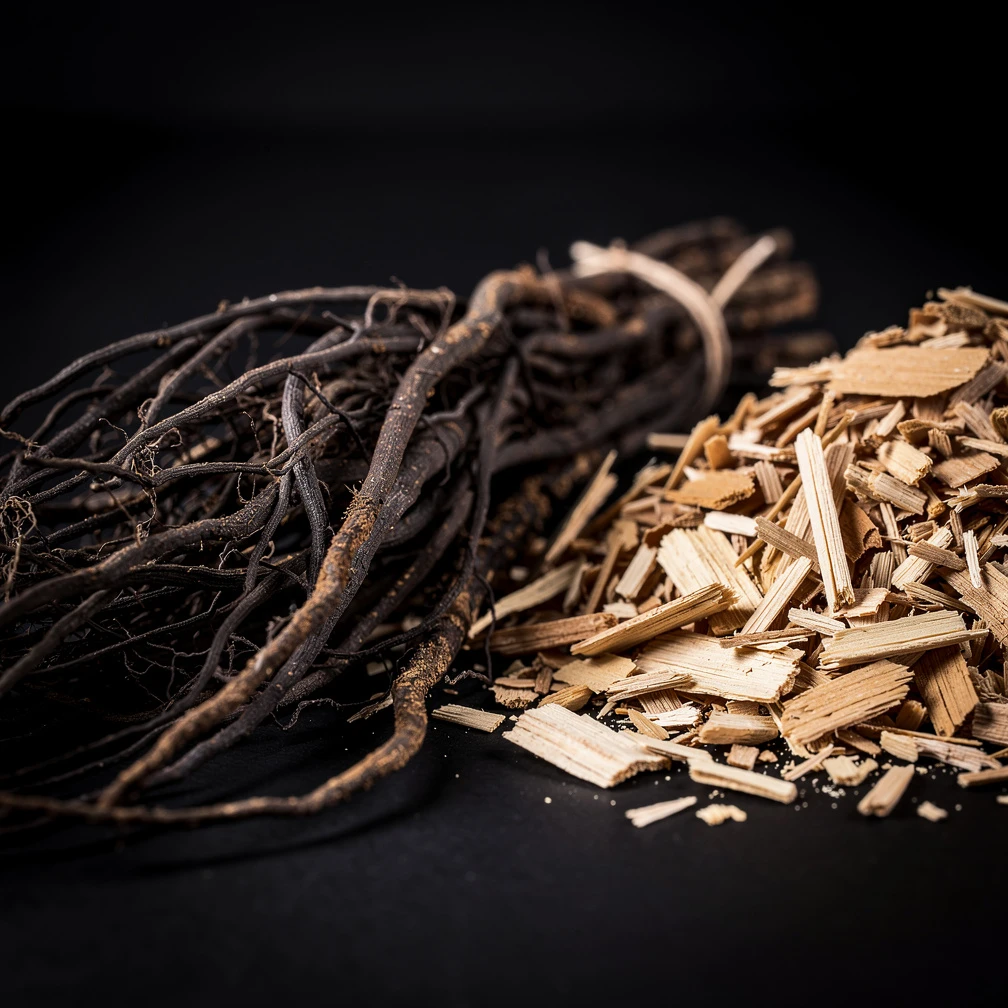
Carbon in perfumery means activated carbon for purification or supercritical carbon dioxide for extraction—a technology that shapes the purity and character of countless fragrances.
Character
How it smells
The invisible architect of fragrance clarity.
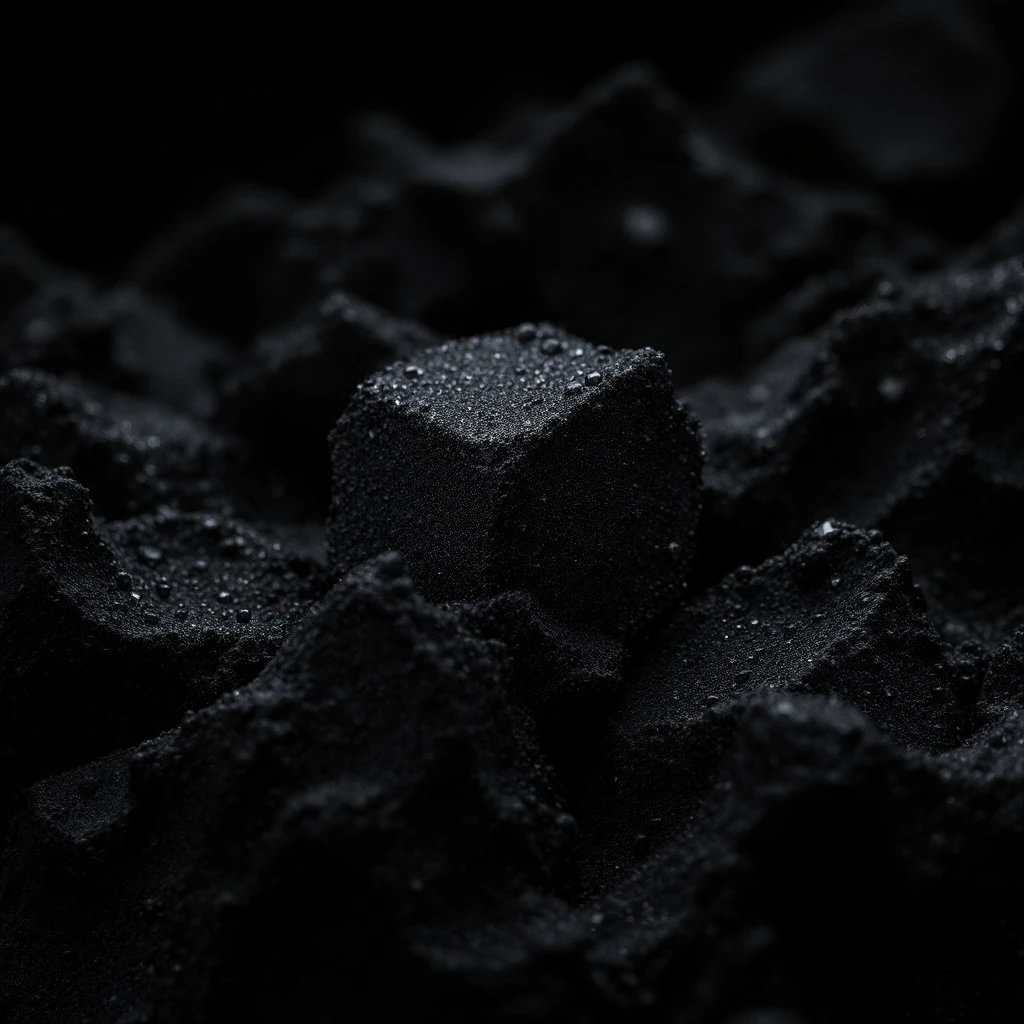
One gram of activated carbon contains roughly 3,000 m² of internal surface area, allowing it to absorb impurities far more effectively than any other known material.


Origin
United States
Activated carbon filtration entered perfumery practice during the early 20th century as synthetic ingredients gained prominence and demand for batch consistency increased. Prior to this, perfumers accepted natural variability as unavoidable; carbon technology changed that expectation entirely. The mid-century shift toward synthetic aromatics created new challenges around purity, which activated carbon addressed by removing trace impurities from lab-created molecules.
Supercritical CO₂ extraction emerged commercially in the 1970s and 1980s, offering a middle path between traditional distillation and aggressive solvent extraction. This technology proved particularly valuable for delicate botanicals where heat would destroy fragile top notes. As sustainability pressures mounted in the 21st century, carbon's role expanded again.
Carbon capture technology, originally developed for industrial emissions reduction, found application in fragrance production. Several major houses now source ethanol produced from captured atmospheric CO₂, fundamentally changing how perfume manufacturing intersects with environmental responsibility.
Wears it best
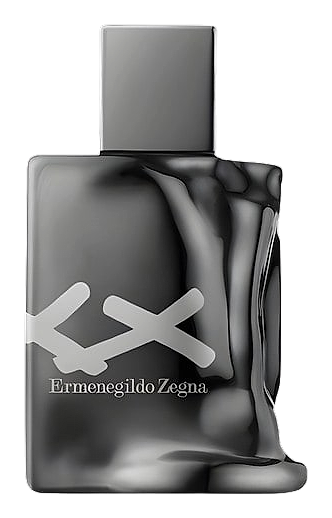
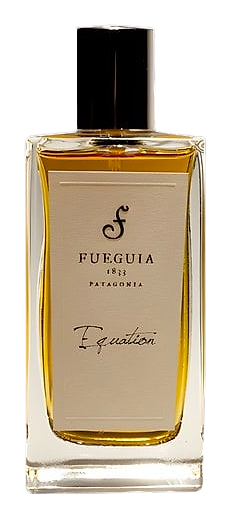
Fragrances featuring Carbon
Brands
Brands known for Carbon
Good to know
Questions, answered
The essentials on Carbon in perfumery: how it smells, where it comes from, and how it behaves on skin.
What does carbon mean in a fragrance ingredient?
Carbon in perfumery refers to either activated carbon used for filtration and purification, or supercritical carbon dioxide employed as an extraction solvent. Both applications improve ingredient purity and consistency.
How does supercritical CO2 extraction work?
Carbon dioxide pressurized above 74 bar and 31°C enters a supercritical state where it functions as both a liquid solvent and gas carrier. This allows extraction of scent molecules without heat damage or residual chemicals.
Is carbon used in all fragrance production?
Carbon-based processes appear in many but not all fragrances. Activated carbon filtration and CO2 extraction are most common in premium and natural fragrance lines seeking maximum purity and minimal processing.
What is carbon-captured ethanol in perfume?
Carbon-captured ethanol uses CO2 captured from industrial sources—typically steel or cement production—to manufacture the alcohol base for perfumes. This approach reduces fragrance production emissions by up to 95% compared to traditional grain-based ethanol.
Does carbon filtration change a fragrance's scent?
Carbon filtration removes undesirable compounds and corrects batch inconsistencies rather than altering core scent character. The result is a cleaner, more consistent aromatic profile without sacrificing complexity.
Is carbon a natural or synthetic ingredient?
Carbon is a fundamental natural element. Its applications in perfumery range from natural filtration processes using coconut-shell carbon to synthetic extraction methods using pressurized CO2.
Why do perfumers use activated carbon?
Activated carbon's extraordinary porosity—up to 3,000 m² per gram—allows it to absorb trace impurities, pigments, and off-notes that would otherwise affect fragrance quality and stability.
Are carbon-extracted fragrances better quality?
Carbon extraction methods preserve delicate scent molecules that heat-based processes destroy. CO2 extraction produces extracts closer to natural scent profiles, though quality ultimately depends on the specific material and manufacturer standards.