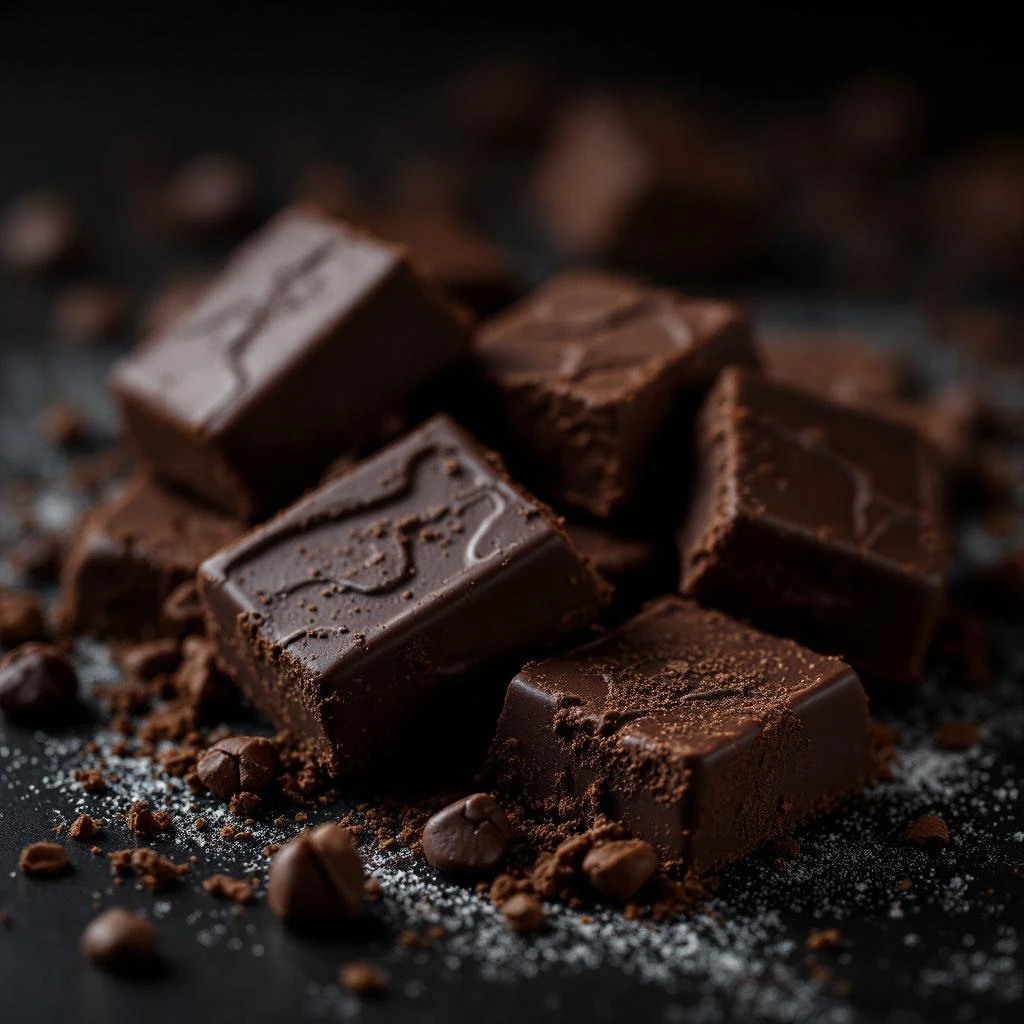
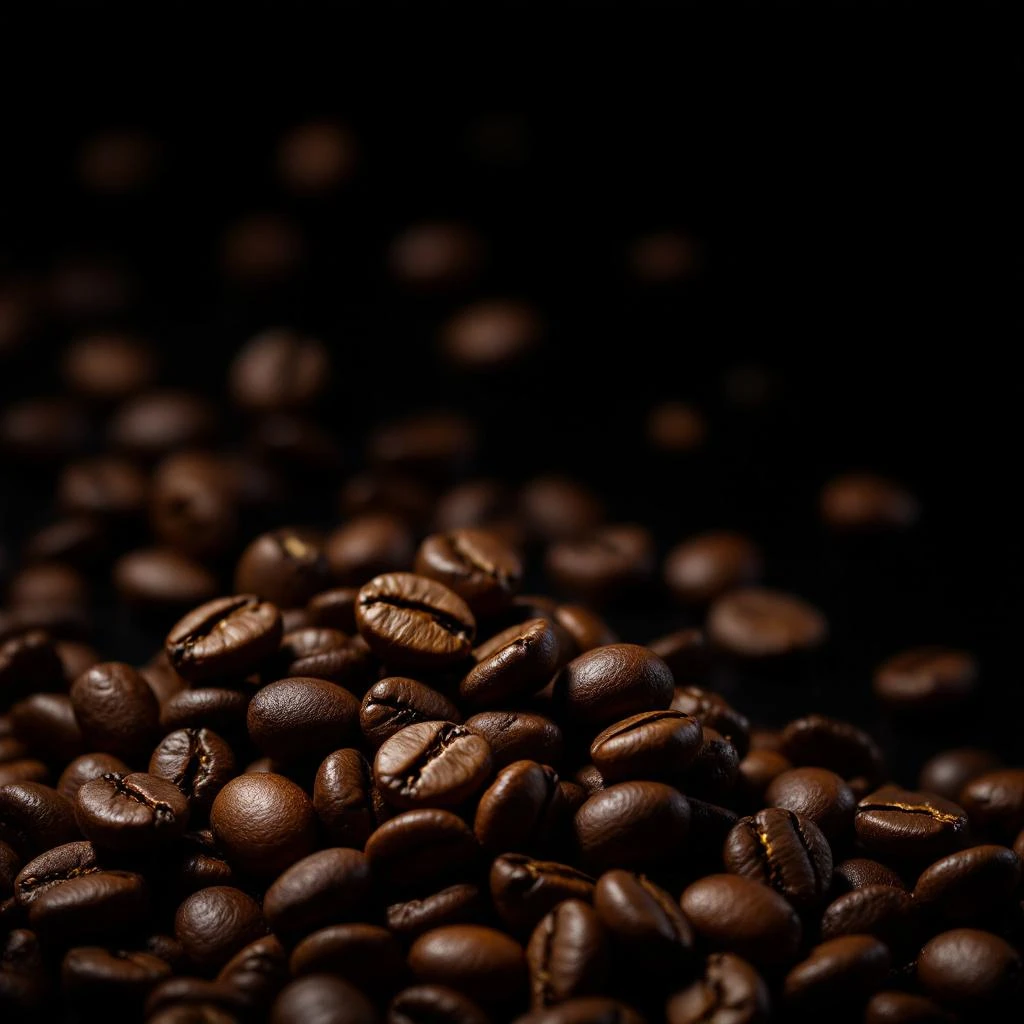
Caramelized Walnut
Caramelized Walnut delivers a rich, roasted depth with buttery warmth and subtle bittersweet undertones that anchor gourmand and oriental fragrances.
Character
How it smells
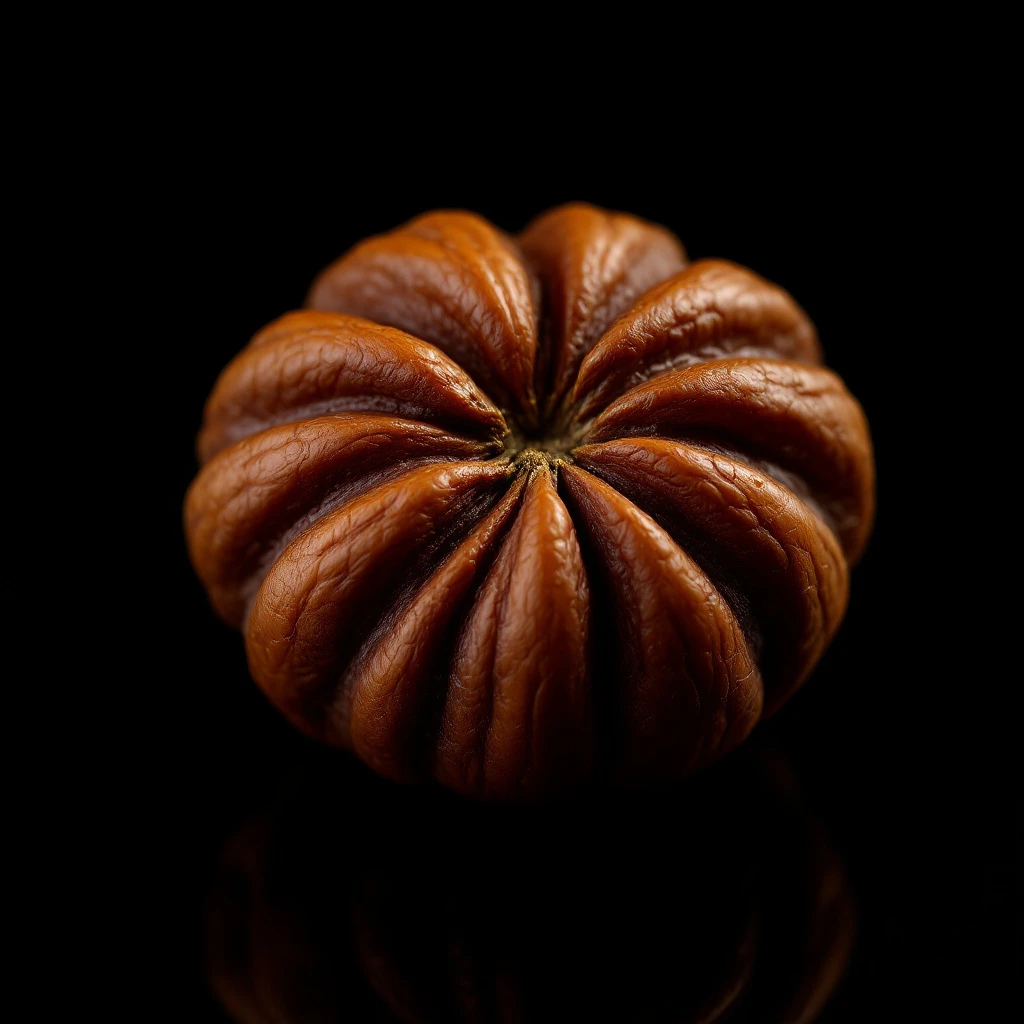
Roasted depth with buttery warmth
The distinctive caramel note in walnut comes from sotolon, the same compound that gives maple syrup its signature aroma.
Origin
United States (California)
Walnuts have been cultivated for over 9,000 years, originating in the regions stretching from the Balkans to the Himalayas. Ancient Persians and Greeks prized walnuts as food and medicine, though their use in fragrance came much later. The marriage of walnut and caramel in perfumery emerged in the late 20th century alongside the rise of gourmand compositions.
As synthetic aroma chemistry advanced, perfumers gained access to the precise compounds needed to capture the roasted, buttery complexity of caramelized walnuts. Today, this reconstructed note appears in countless fragrances, from warm orientals to sweet praline compositions, offering a cozy, edible quality that resonates with modern wearers.
Wears it best
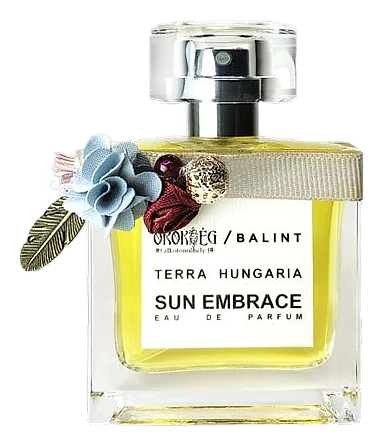
Fragrances featuring Caramelized Walnut
Brands
Brands known for Caramelized Walnut
Good to know
Questions, answered
The essentials on Caramelized Walnut in perfumery: how it smells, where it comes from, and how it behaves on skin.
Is Caramelized Walnut a natural or synthetic ingredient?
Caramelized Walnut is a synthetic reconstruction. Natural walnut oil is difficult to extract and does not produce the characteristic caramelized scent. Perfumers combine sotolon with lactones to recreate the roasted, sweet-nutty aroma.
What compounds create the caramelized note in Walnut?
Sotolon provides the signature caramel-fenugreek warmth, while gamma-nonalactone and delta-decalactone add creamy nuttiness. Together they approximate the scent of walnuts with caramelized surfaces.
Which fragrance families use Caramelized Walnut?
Gourmand and oriental fragrances most commonly feature this note. It appears in compositions built around praline, tonka, and vanilla, adding roasted depth to sweet bases.
Does Caramelized Walnut smell more like caramel or walnut?
It occupies the middle ground between both. The note balances the buttery sweetness of caramel with the earthy, toasted character of roasted walnuts.
Is Caramelized Walnut safe for sensitive skin?
Synthesized walnut reconstruction avoids the proteins that cause walnut allergies in food. However, individual sensitivity varies, and patch testing remains advisable for those with fragrance sensitivities.
How does temperature affect Caramelized Walnut in a fragrance?
Heat amplifies the caramel aspects of the note, making it more pronounced on warm skin. Cooler temperatures emphasize the nutty, roasted dimensions.
What complementary notes pair well with Caramelized Walnut?
Vanilla, tonka bean, benzoin, and amber create warm, edible compositions. Alternatively, it pairs with woody bases like sandalwood for more sophisticated oriental results.
Why do perfumers use synthetic reconstruction instead of natural walnut?
Natural walnut oil lacks the caramelized depth required for perfumery. Synthetic reconstruction using sotolon and lactones produces a consistent, intense note that survives the perfume-making process.