Caramelized Plum
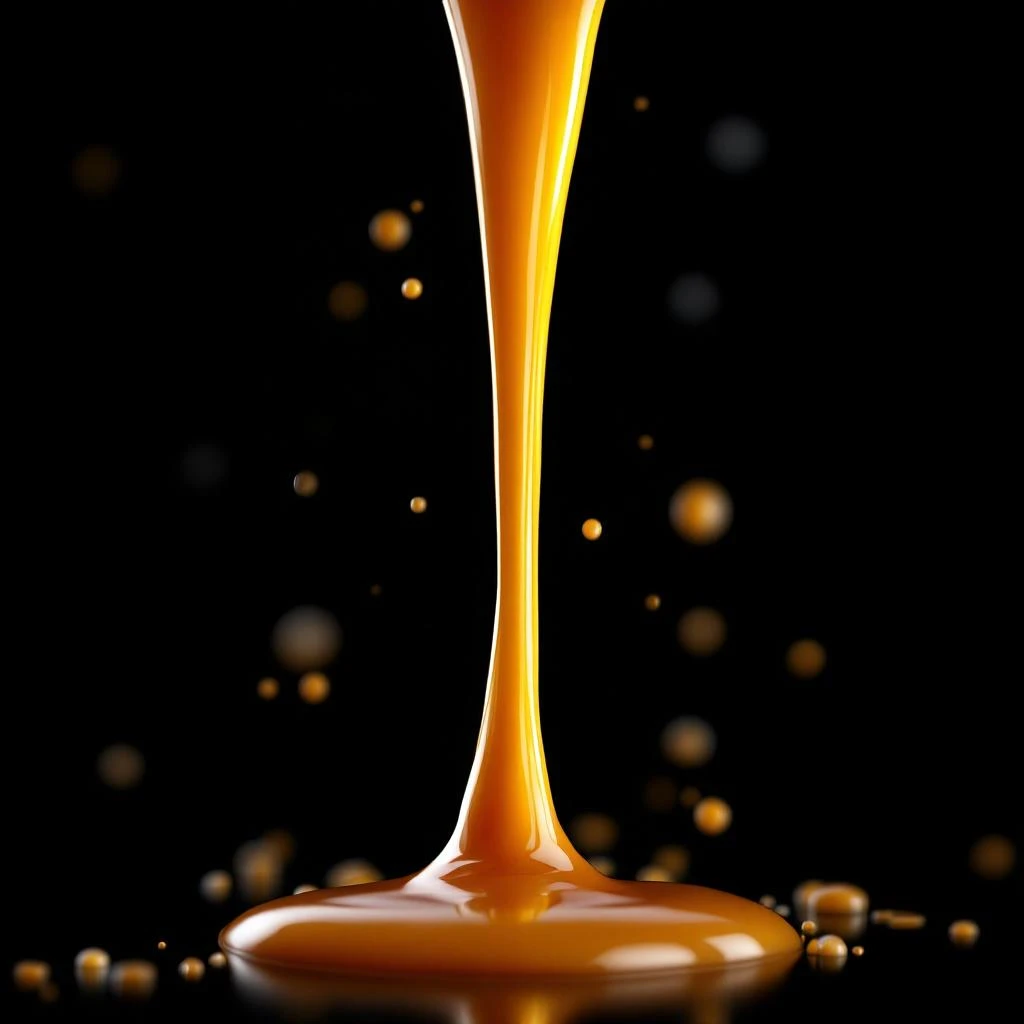
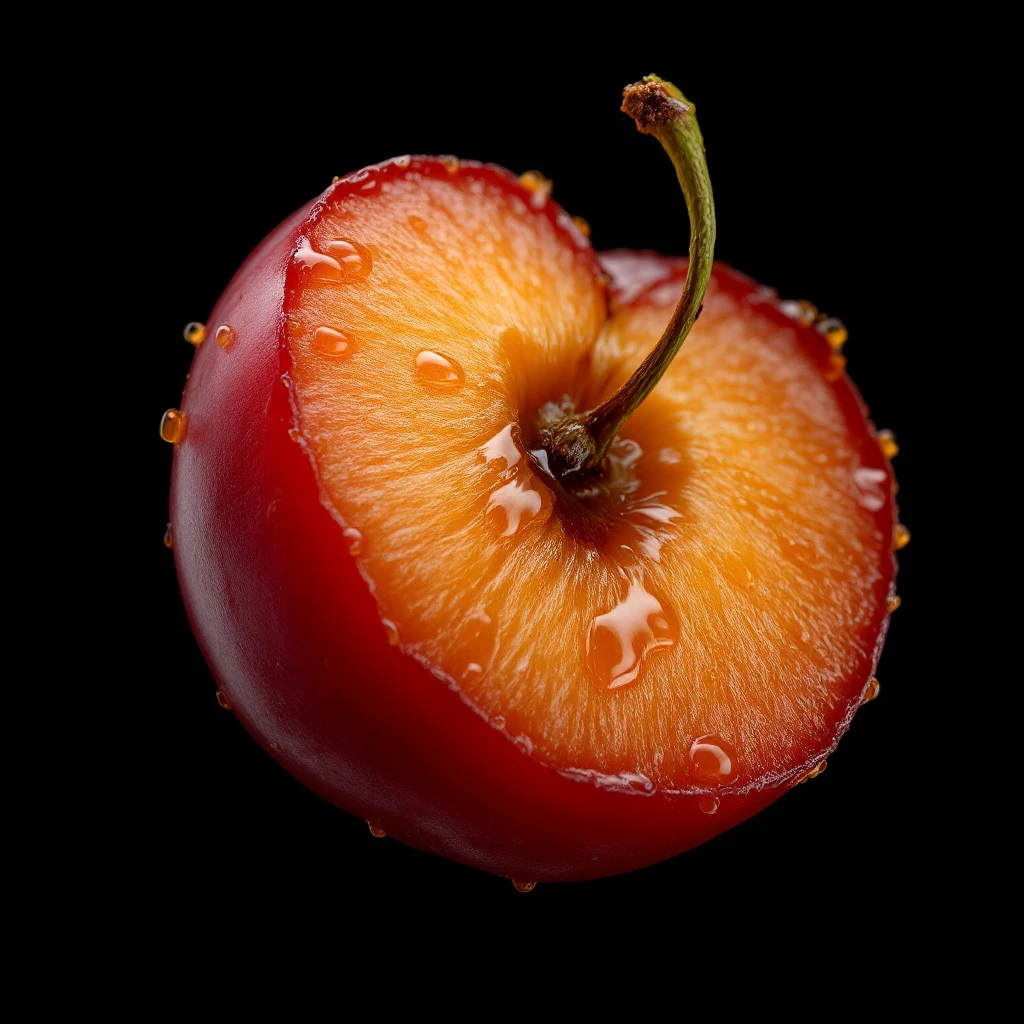
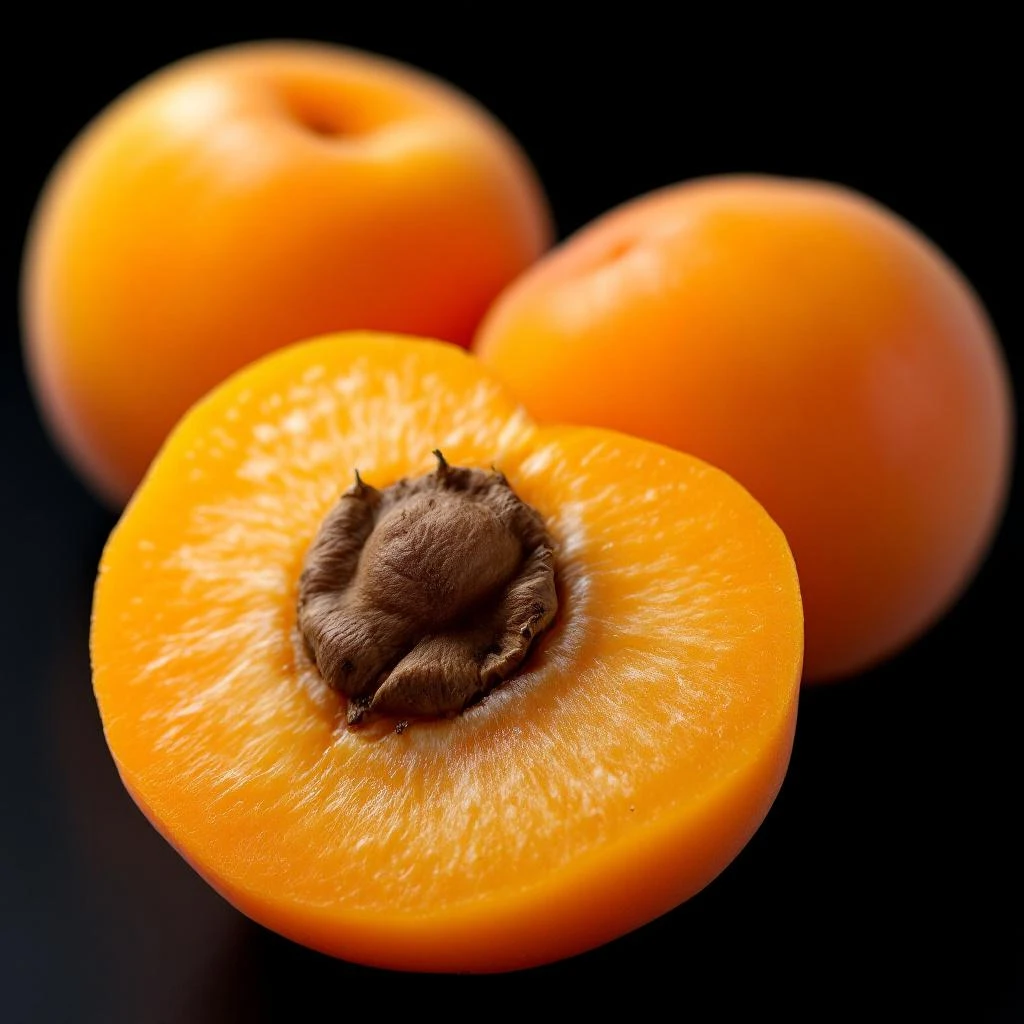
Caramelized Plum captures the essence of ripe plum skin glistening under caramel glaze. This gourmand note bridges fruit sweetness with molten sugar warmth, creating an indulgent signature that adds depth and sensuality to fragrance compositions.
Character
How it smells
Ripe plum skin wrapped in molten caramel.
True plum absolute costs up to $4,000 per kilogram, making synthetic replication the industry standard since the 1970s.




Origin
France
The quest to bottle plum fragrance began in earnest during the late 20th century as perfumers sought to expand fruity families beyond traditional citrus and berry notes. Early attempts using natural plum absolute proved prohibitively expensive and inconsistent. The breakthrough came through synthetic chemistry, particularly the development of damascones in the 1960s and 1970s.
These compounds, derived from rose ketones, revealed an unexpected affinity for stone fruit character. Simultaneously, advances in food flavor chemistry—particularly the isolation of caramel notes from sugar derivatives—provided the second key component. The fusion of these discoveries enabled perfumers to construct the caramelized plum accord by the 1980s, when gourmand fragrances like Thierry Mugler's Angel demonstrated the commercial potential of rich, edible-style notes.
Today, the accord appears acrossmasculine, feminine, and unisex compositions, valued for its ability to add warmth and sensuality without the structural challenges of natural fruit materials.
Wears it best
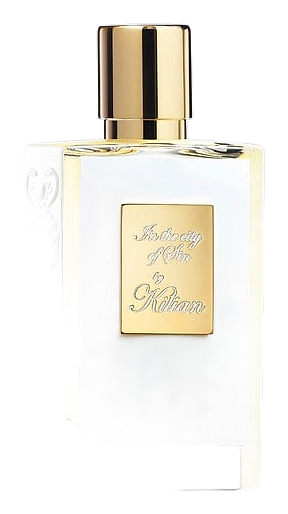
Fragrances featuring Caramelized Plum
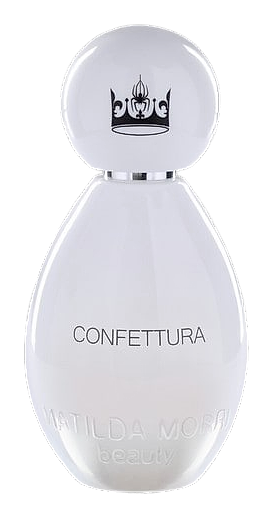
Brands
Brands known for Caramelized Plum
Good to know
Questions, answered
The essentials on Caramelized Plum in perfumery: how it smells, where it comes from, and how it behaves on skin.
Is Caramelized Plum natural or synthetic?
Caramelized Plum is synthetic. Natural plum absolute costs approximately $4,000 per kilogram and produces inconsistent results, so perfumers construct this note from lab-created compounds including damascones and furanones.
What creates the plum character in this accord?
Damascones, particularly beta-damascone, create the characteristic velvety, jammy plum quality. These compounds were developed in the 1960s and found to reproduce stone fruit notes that had previously been impossible to capture synthetically.
What gives Caramelized Plum its caramel warmth?
The caramel note comes from 4-hydroxy-2,5-dimethylfuran-3-one (DMF), a compound discovered in caramelized sugar reactions. Combined with ethyl maltol and vanillin, it creates the signature molten sugar character.
What family does Caramelized Plum belong to?
Caramelized Plum falls under the Gourmand family, specifically the Fruity-Gourmand subcategory. It pairs the sweet, edible character of food-inspired fragrances with the depth of stone fruit notes.
Which fragrance families pair well with Caramelized Plum?
This accord performs best in Oriental, Chypre, and Woody compositions. It adds warmth to amber bases, rounds out woody drydowns, and provides sweetness that bridges floral and gourmand elements.
How long does Caramelized Plum last on skin?
In base concentrations (8-15%), Caramelized Plum typically lasts 4-6 hours as a detectable note, with the plum component fading first while caramel warmth persists in the drydown.
When was synthetic plum first commercialized?
Synthetic plum notes became commercially viable in the 1970s with damascone development. The caramelized interpretation emerged later, gaining prominence after 1985 when gourmand fragrances demonstrated market appetite for edible-style notes.
What complementary notes enhance Caramelized Plum?
Vanilla amplifies the caramel dimension. Benzyl salicylate adds creamy warmth. Patchouli and labdanum provide depth. For contrast, citrus top notes and green accents prevent cloying and add freshness.