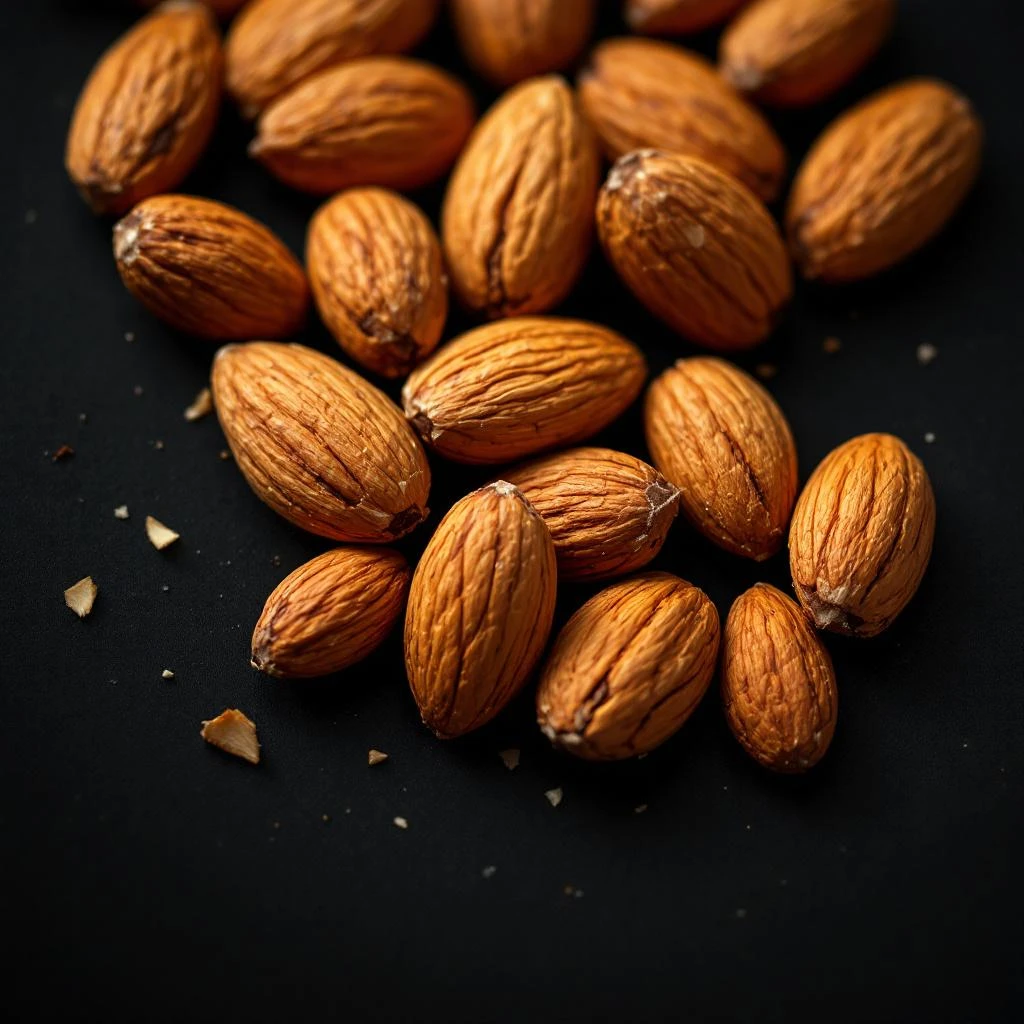
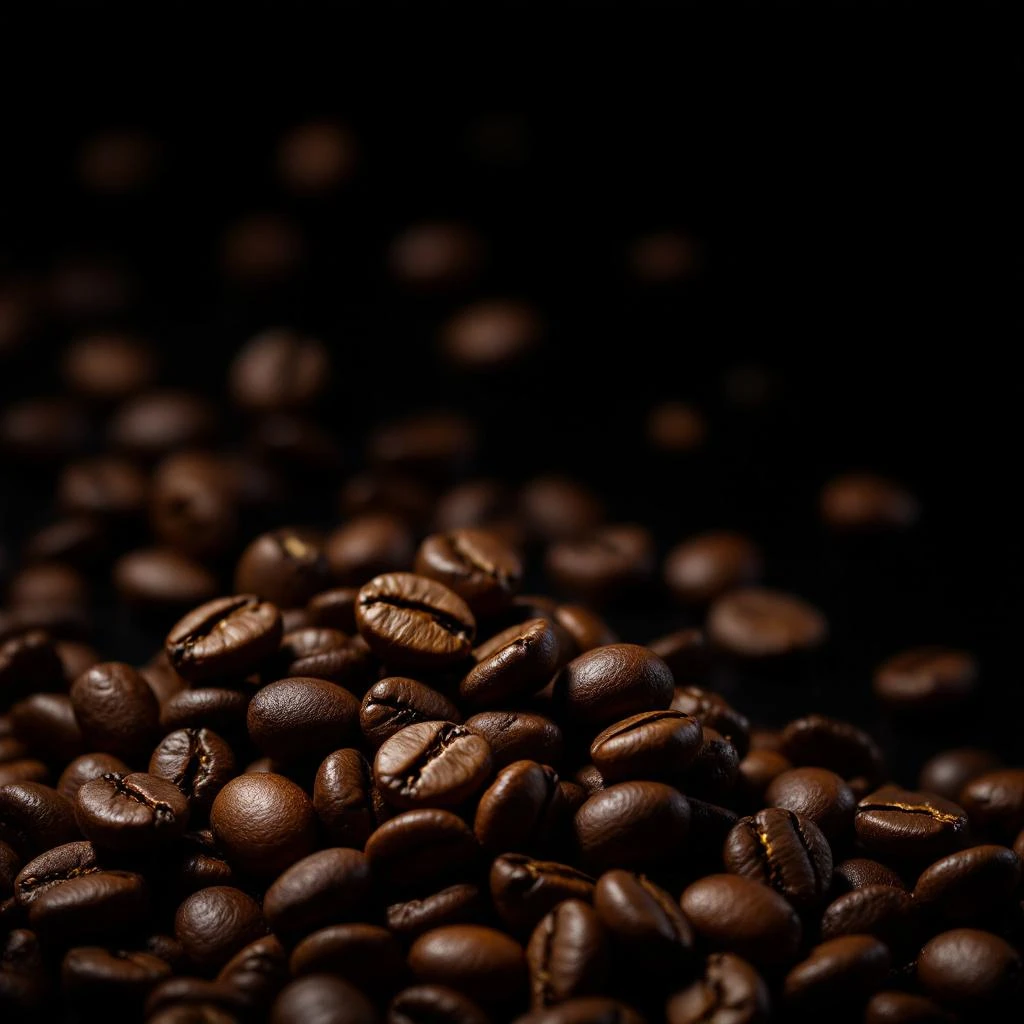
Caramelized Hazelnut
Caramelized hazelnut brings warm, roasted sweetness to fragrance, a note that evokes bakery warmth and confectionery indulgence. In perfumery, this ingredient captures the moment nuts meet heat, releasing their deepest, most resonant aroma.
Character
How it smells
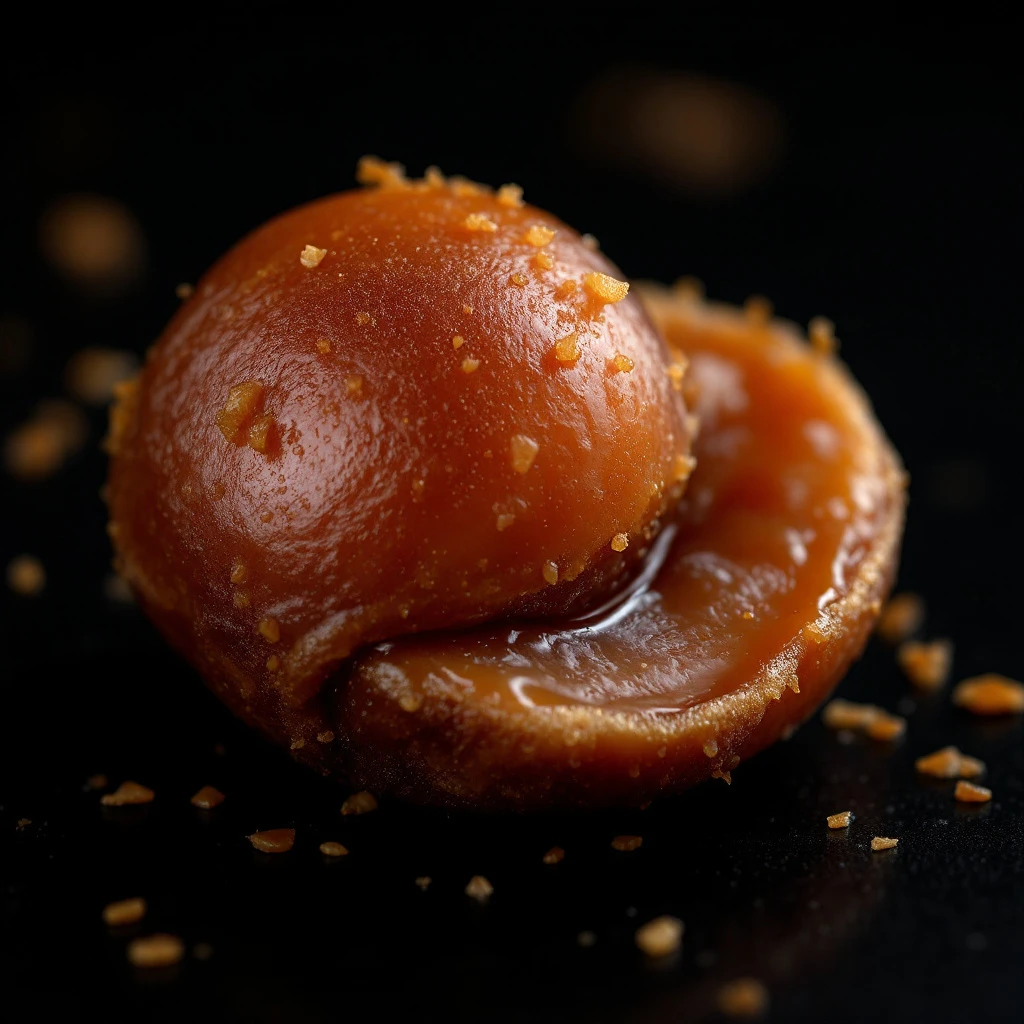
The warm sweetness of roasted hazelnuts meeting caramel.
The caramelized hazelnut aroma in perfumery comes from furaneol, the same compound that gives caramelized pineapple its distinctive scent.






Origin
Turkey
Hazelnuts have grown wild across the Mediterranean and Near East for thousands of years. Ancient Greeks used them as both food and folk medicine, believing they supported respiratory health. The Romans considered hazelnuts symbols of wisdom and fertility, sometimes burning them in sacred rituals.
Turkey became the center of hazelnut cultivation during the Ottoman period, developing the sophisticated growing and processing methods still used today. The country now produces roughly three-quarters of the world's hazelnuts. Perfumery adopted hazelnut notes relatively recently, driven by the rise of gourmand fragrances in the late 20th century.
Advances in aroma chemistry finally made stable, intense hazelnut notes accessible to perfumers seeking warm, edible fragrance effects.
Wears it best
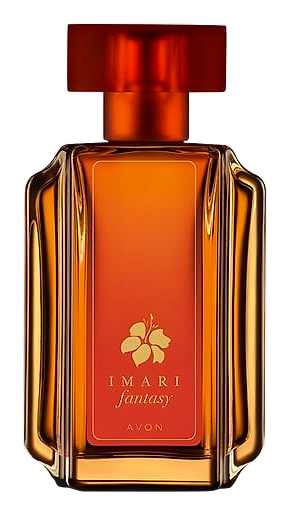
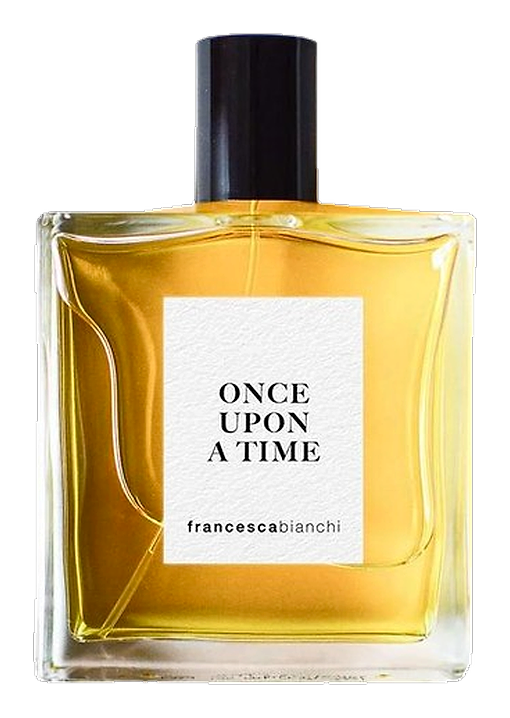
Fragrances featuring Caramelized Hazelnut
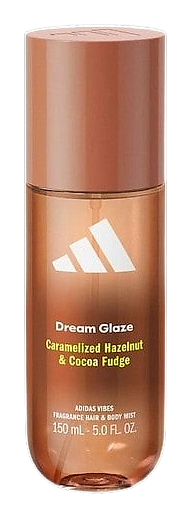
Brands
Brands known for Caramelized Hazelnut
Good to know
Questions, answered
The essentials on Caramelized Hazelnut in perfumery: how it smells, where it comes from, and how it behaves on skin.
Is caramelized hazelnut a natural or synthetic ingredient?
Caramelized hazelnut in perfumery is primarily synthetic. Chemists create furaneol and related compounds that replicate the warm, roasted aroma of caramelized hazelnuts. These synthetics offer consistency and stability that natural nut extracts cannot match.
What does caramelized hazelnut smell like in a fragrance?
Caramelized hazelnut registers as warm, sweet, and nutty with distinct roasted and buttery qualities. It adds depth and comfort to fragrance compositions, often appearing alongside vanilla, tonka, and other gourmand elements.
Which fragrance families commonly use caramelized hazelnut?
Gourmand fragrances feature caramelized hazelnut most prominently. Oriental and amber fragrances also use it for warmth and sweetness. Some modern chypres and woody fragrances employ hazelnut for added depth and unexpected edibility.
Does caramelized hazelnut last long on skin?
Caramelized hazelnut typically performs as a heart-to-base note with moderate longevity. It lasts several hours when paired with fixatives like benzoin or vanilla. The note lingers best in fragrance bases containing amber or sandalwood.
Which hazelnut variety does perfumery reference?
Perfumery references the European hazelnut, Corylus avellana, and the giant hazelnut, Corylus maxima. Turkey produces over 70% of the global hazelnut supply, making Turkish varieties the industry standard for flavor and fragrance applications.
Can I find caramelized hazelnut in natural perfumery?
True natural perfumery rarely uses fresh hazelnut due to extraction challenges and instability. Some artisan perfumers incorporate hazelnut absolute or CO2 extracts. Most caramelized hazelnut effects come from synthetics that accurately mimic the roasted nut aroma.
What complementary notes pair well with caramelized hazelnut?
Vanilla amplifies its sweetness. Coffee creates rich, dessert-like depth. Spices like cinnamon and cardamom add warmth. Woody notes such as cedar and sandalwood provide contrast. Tonka bean reinforces the nutty quality.
When did hazelnut notes first appear in mainstream perfumery?
Hazelnut notes gained prominence in the 1990s alongside the gourmand fragrance movement. Thierry Mugler Angel (1992) helped establish nutty, edible accords as mainstream. Since then, hazelnut has appeared consistently in autumn and winter fragrance collections.