The Story
Why it exists.
The beginning
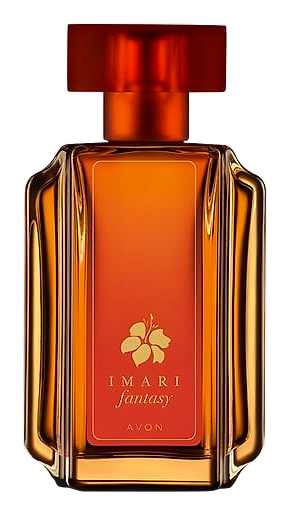
Imari Fantasy arrived in 2017 as Avon's answer to a simple question: what if an oriental gourmand could feel like more without costing more? The name itself carries intention, a fantastical interpretation that suggests something vivid and decorative. Freedom, Joyful, Intense, as the brand copy put it. This was meant to be a scent that transported, something that could turn an ordinary moment into something with a little more sparkle. The fantasy in the name isn't about escape, but about elevating the everyday into something worth noticing.
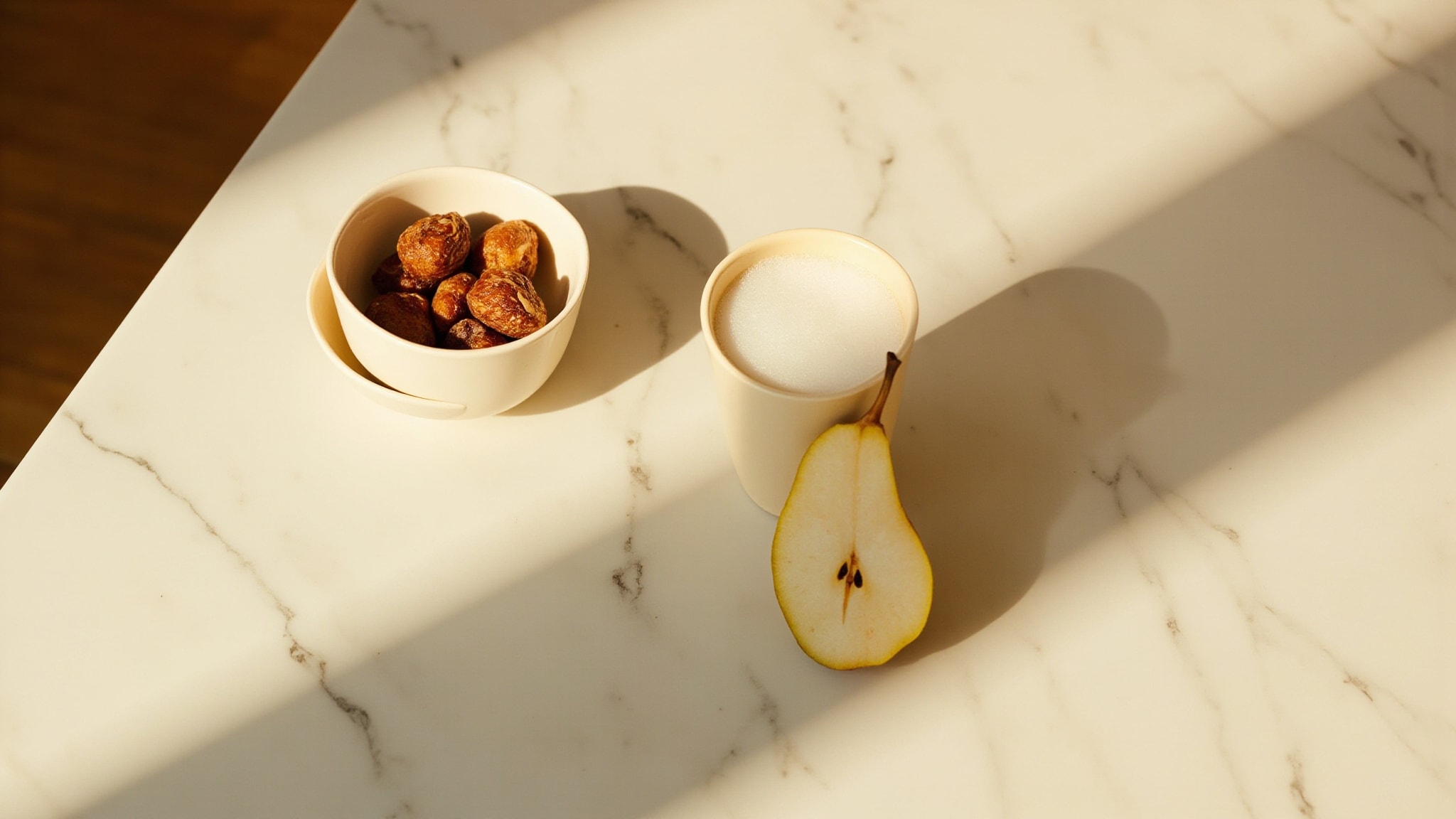
The structure pulls off a clever trick. Fruity sweetness opens the door, but jasmine sambac and caramelized hazelnut hold the room. It's the nuttiness that sets it apart, not the sharp pistachio of niche releases, but something rounder, almost toasted. That hazelnut gives the sweetness somewhere to land instead of floating away into abstraction. Patchouli anchors the base, but it's the cashmere wood that softens the landing. The result feels less like perfume and more like warmth you put on.
The evolution
The opening hits bright and almost sparkling, Italian mandarin orange gives way quickly to Nashi pear, though some wearers report the pear stays shy on their skin. Thirty minutes in, the jasmine sambac takes over, and with it comes the caramelized hazelnut doing its real work. That toasted quality cuts through what could have been simply sweet and cloying. The drydown is where this fragrance earns loyalty. Cashmere wood, vanilla, patchouli, a base that doesn't announce itself but settles in for the long haul. As the hours pass, the hazelnut recedes and the woodsy warmth takes center stage, with the vanilla lending a creamy undercurrent that feels like a soft embrace. The next morning, there's a faint warmth on the wrist where the vanilla and patchouli have settled into something softer than the opening suggested.
Cultural impact
Imari Fantasy sits comfortably in Avon's tradition of making oriental gourmands accessible. Released in 2017, it arrived during a period when sweet, edible fragrances dominated mainstream scent culture. The fragrance offers something warm and sweet, a comfortable presence that wearers describe as the scent of someone who walks into a room and doesn't need to announce themselves. It's the kind of fragrance that becomes a signature without demanding attention, a companionable warmth that settles into daily life rather than trying to compete with more elaborate compositions.