Candlenut
Candlenut oil, pressed from the seeds of the Aleurites moluccana tree native to Southeast Asia, acts as a natural fixative in perfumery. It slows the evaporation of more volatile aromatic compounds while adding a warm, subtly sweet, nutty quality to fragrance compositions.
Character
How it smells
Warm, nutty depth with fixative power from Pacific island forests
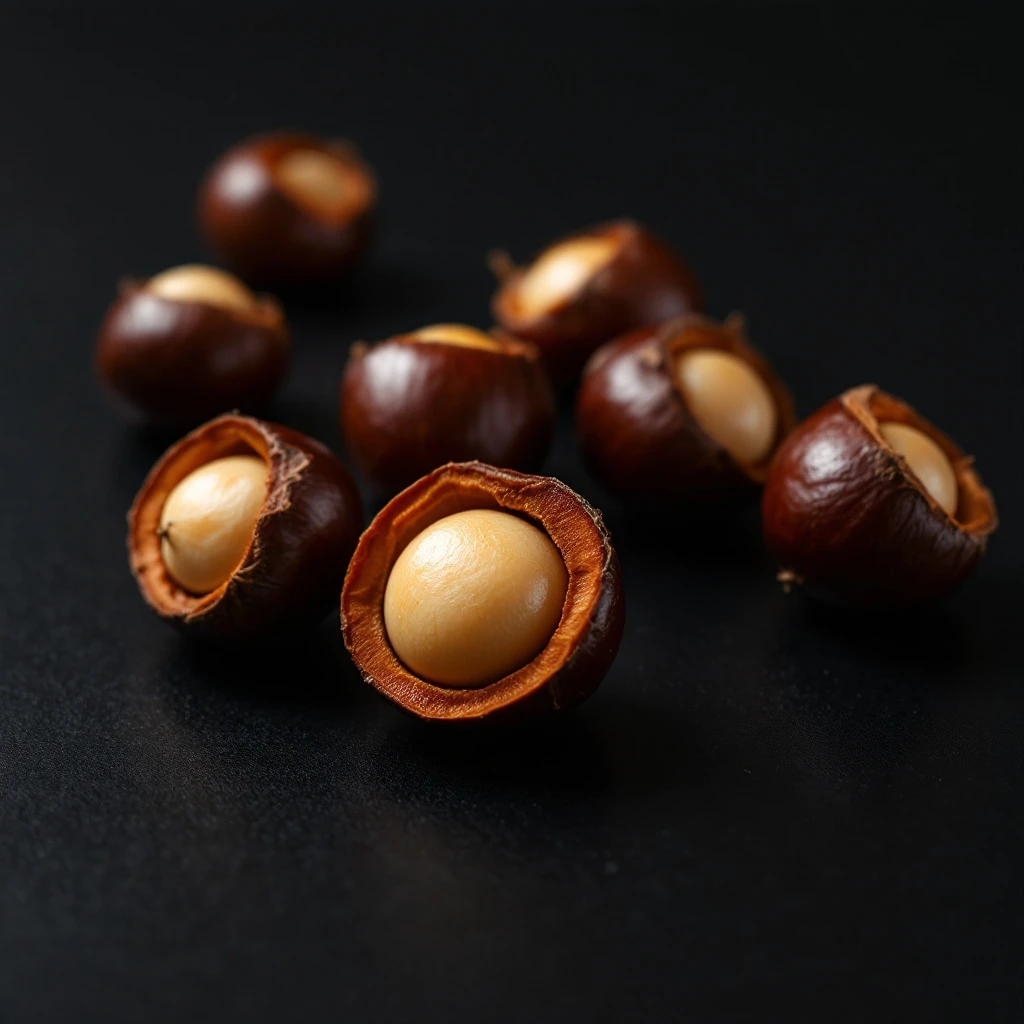
Pacific island cultures used candlenuts as actual candles — several nuts threaded on a palm fiber could burn sequentially, providing portable illumination before modern lighting.






Origin
Indonesia
The candlenut tree holds deep cultural significance across the Pacific islands and Southeast Asia, where it has been cultivated for millennia. Hawaiian traditions called the tree "kukui," and the nuts served multiple daily functions beyond perfumery. The most distinctive use involved threading nuts on a palm fiber as a light source — multiple candlenuts could burn sequentially, providing portable illumination that travelers and households relied upon before modern alternatives.
Beyond lighting, Pacific island cultures used candlenut oil for medicinal and cosmetic purposes. The oil treated dry skin and minor irritations, while roasted nuts became a cooking ingredient in traditional cuisines.印尼 and Filipino communities similarly valued the tree, incorporating candlenuts into both food preparation and traditional remedies. The versatility of the plant made it an important trade commodity throughout island trade networks.
European traders encountered candlenut oil during the 19th century and recognized its aromatic potential. The warm, nutty scent aligned with growing interest in oriental fragrance notes among Western perfumers. By the early 20th century, candlenut oil had entered the perfumery lexicon as a legitimate natural material. Today the ingredient appears primarily in niche and artisan fragrances that emphasize exotic, natural materials with cultural depth.
Wears it best
Fragrances featuring Candlenut
Brands
Brands known for Candlenut
Good to know
Questions, answered
The essentials on Candlenut in perfumery: how it smells, where it comes from, and how it behaves on skin.
What does Candlenut smell like in perfume?
Candlenut oil has a warm, nutty aroma with subtle woody and creamy undertones. In fragrance compositions it adds depth and richness to base notes without overpowering other ingredients. The scent is often described as somewhere between sweet and dry.
Why is Candlenut used in perfumery?
Candlenut oil functions primarily as a fixative in perfumery. It slows the evaporation of more volatile top and heart notes, extending a fragrance is longevity on skin by several hours. The oil also contributes a warm, creamy quality that enriches oriental and woody fragrance bases.
Is Candlenut in perfume natural or synthetic?
Candlenut oil used in fine perfumery is natural, extracted from the seeds of the Aleurites moluccana tree. The seeds contain roughly 50 to 60 percent oil by weight. Most commercial candlenut oil for perfumery comes from Indonesia, the Philippines, and Hawaii.
What famous perfumes contain Candlenut?
Candlenut appears mainly in niche fragrances rather than mainstream commercial perfumes. It shows up in oriental and woody compositions from houses like Dior, Byredo, and Le Labo, though specific formulas are rarely disclosed publicly.
Is Candlenut a top note, heart note, or base note?
Candlenut functions as a base note in perfumery. Its fixative properties help anchor more volatile compounds, and its warm, nutty character gives lasting depth to fragrance compositions. Perfumers typically use it in the final stages of formulation.
What notes pair well with Candlenut in perfume?
Candlenut pairs well with woody materials such as sandalwood and cedar, oriental ingredients like vanilla and benzoin, and warm spices including cinnamon and cardamom. It also combines effectively with creamy notes such as coconut and tonka bean.
Where does Candlenut come from?
Candlenut originates from the Aleurites moluccana tree, native to Southeast Asia and the Pacific islands. Major production areas include Indonesia, the Philippines, and Hawaii. The trees thrive in tropical climates and have been cultivated in these regions for centuries.
Is Candlenut used in men's or women's fragrances?
Candlenut appears in both men's and women's fragrances, particularly in oriental and woody fragrance families. It tends to feature more prominently in masculine compositions but is versatile enough to enhance feminine fragrances as well. Niche perfumers often use it in gender-neutral formulations.