Candle Wax
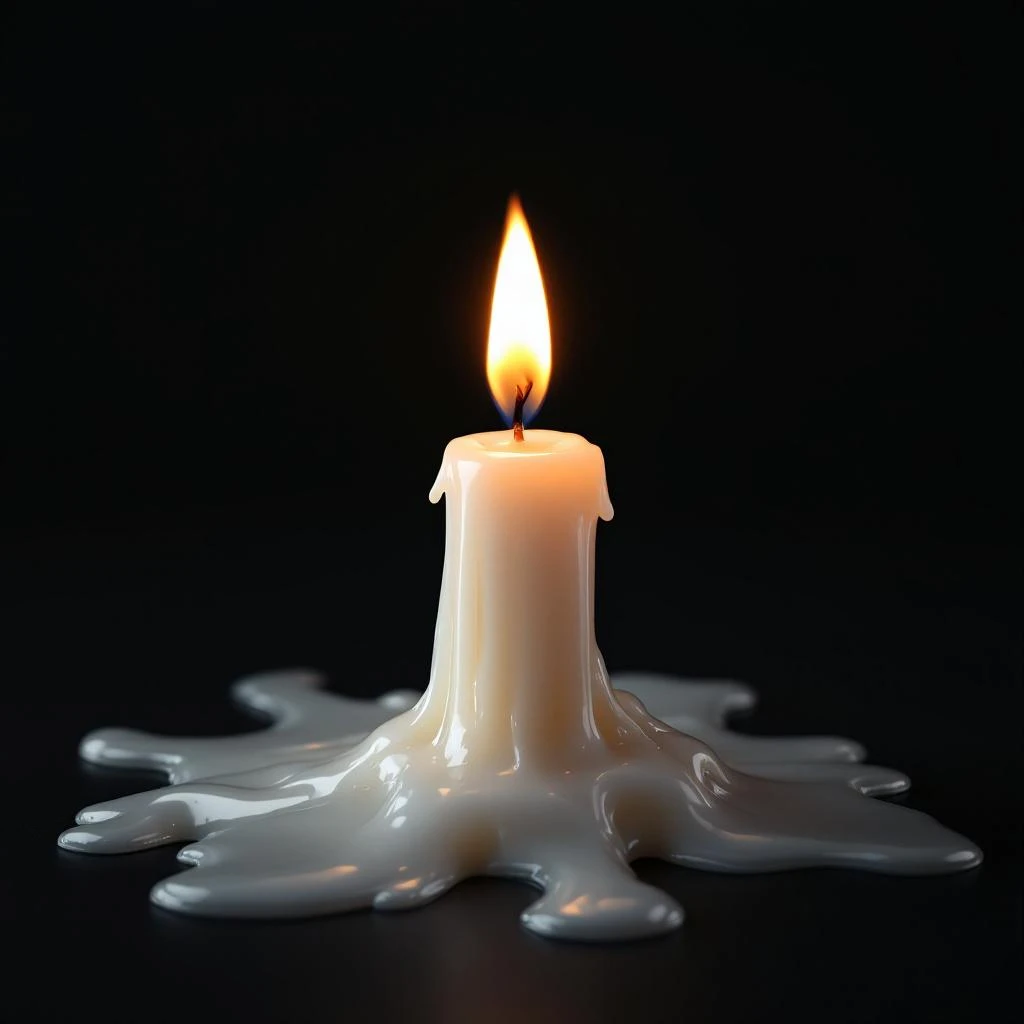
Candle wax forms the solid foundation of scented candles, delivering a steady melt that releases fragrance while shaping the candle's burn and appearance.
Character
How it smells
The solid heart that steadies scent.
The first paraffin candles appeared in the 1850s after chemists refined wax from petroleum, replacing earlier tallow candles and extending burn time by up to 30 percent.





Origin
United Kingdom
Candle wax has guided human scent practices for centuries. Early candles used tallow, rendered animal fat, which produced a smoky, short‑lasting flame.
In 1825, French chemist Michel‑Eugène Chevreul patented a method to extract stearic acid from animal fat, creating a cleaner, harder wax that burned brighter. The mid‑19th century saw the rise of paraffin wax after James Young refined petroleum in Scotland, offering a cheap, odorless alternative that extended burn time and allowed perfumers to layer fragrance without interference from the wax itself.
By the early 20th century, beeswax remained prized for its natural honey scent, while soy wax entered the market in the 1990s as a renewable option, appealing to eco‑conscious consumers. Throughout this evolution, candle wax has acted as both a vessel and a medium, enabling the controlled release of aromatic compounds that have been used in religious rites, domestic comfort, and commercial fragrance displays.
Wears it best
Fragrances featuring Candle Wax


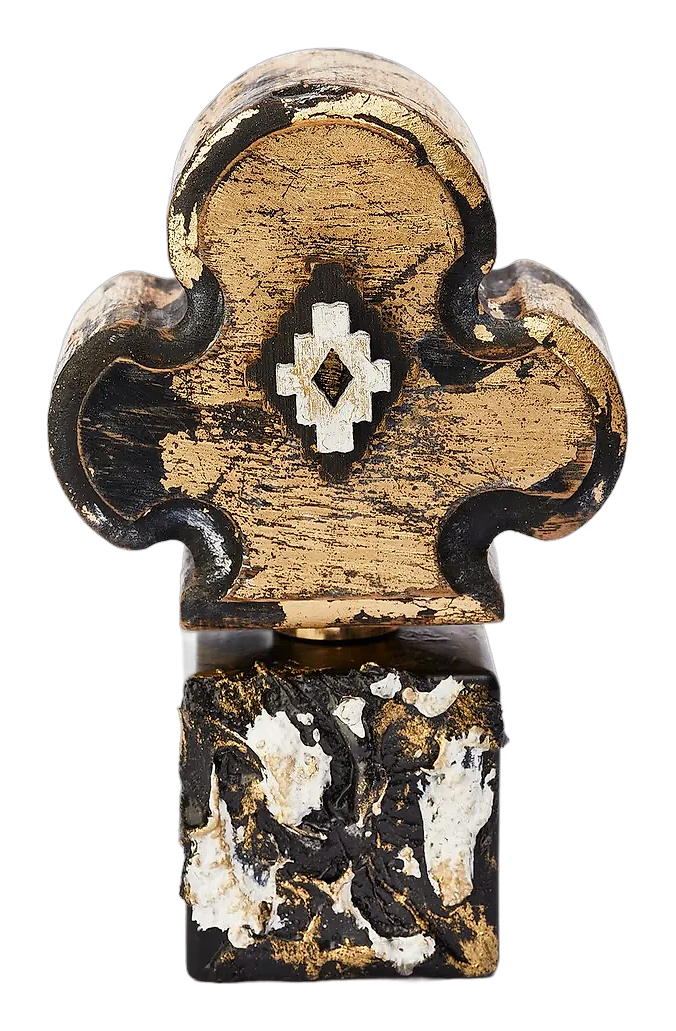
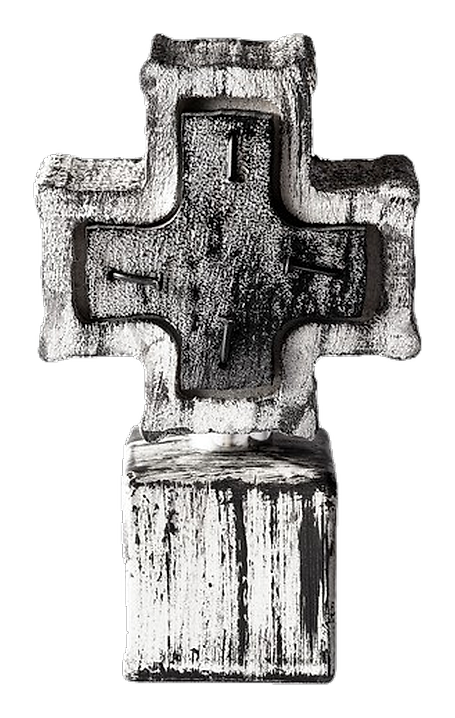
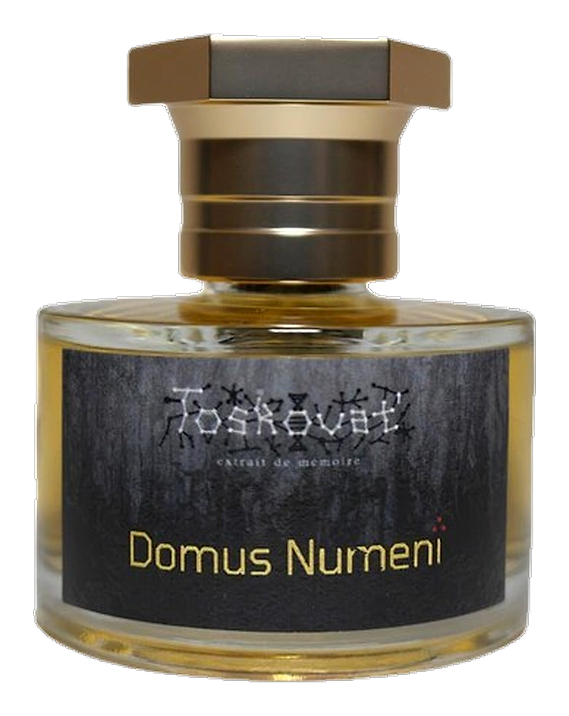
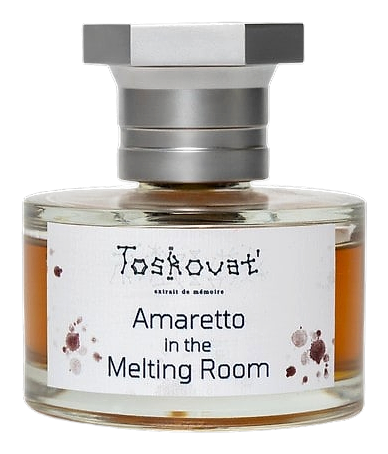
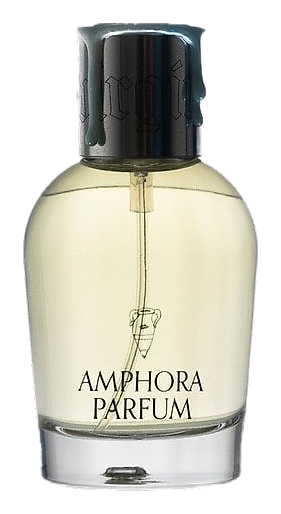


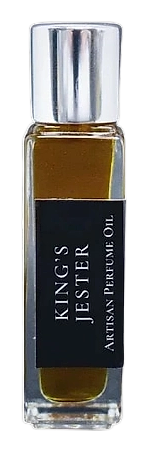
Brands
Brands known for Candle Wax
Good to know
Questions, answered
The essentials on Candle Wax in perfumery: how it smells, where it comes from, and how it behaves on skin.
What materials compose modern candle wax?
Candle wax is typically made from petroleum‑derived paraffin, hydrogenated animal fats, or plant oils such as soy. Paraffin accounts for roughly 70 % of global candle production, according to a 2022 industry report.
How does wax influence fragrance release?
Wax controls the rate at which fragrance oils vaporize by regulating melt temperature. A wax with a melting point of 58 °C releases scent steadily, as confirmed by a 2021 comparative study of paraffin and soy waxes.
Is candle wax safe for skin contact?
Most refined paraffin and soy waxes are non‑irritating and meet cosmetic safety standards. The European Cosmetic Directive lists paraffin wax as a permitted ingredient with a maximum concentration of 10 % in leave‑on products.
Can used candle wax be recycled?
Yes, solid wax can be melted and re‑purified for reuse in new candles. In 2020, the United States recycled about 30 % of household candle wax, according to the EPA.
What is the typical burn temperature of candle wax?
A standard paraffin candle flame maintains a wax surface temperature near 65 °C. Laboratory measurements recorded a stable temperature of 64.8 °C during a 2‑hour burn test.
Do candle waxes contain common allergens?
Pure waxes are generally hypoallergenic, but some contain trace amounts of residual fatty acids that can trigger reactions. A 2019 dermatology survey found 2 % of participants reported mild irritation from soy wax.
How does paraffin differ from soy wax?
Paraffin is a petroleum by‑product with a higher melting point (around 58 °C) and a firmer crystal structure, while soy wax melts near 45 °C and offers a softer, more sustainable profile. The two types differ in scent throw, with paraffin typically delivering a stronger initial burst.
What steps ensure sustainable sourcing of candle wax?
Sustainable waxes are derived from certified renewable crops or responsibly managed forests, and their production follows carbon‑reduction protocols. The Roundtable on Sustainable Biomaterials certified 1.2 million kg of soy wax in 2021.