Candied Fig
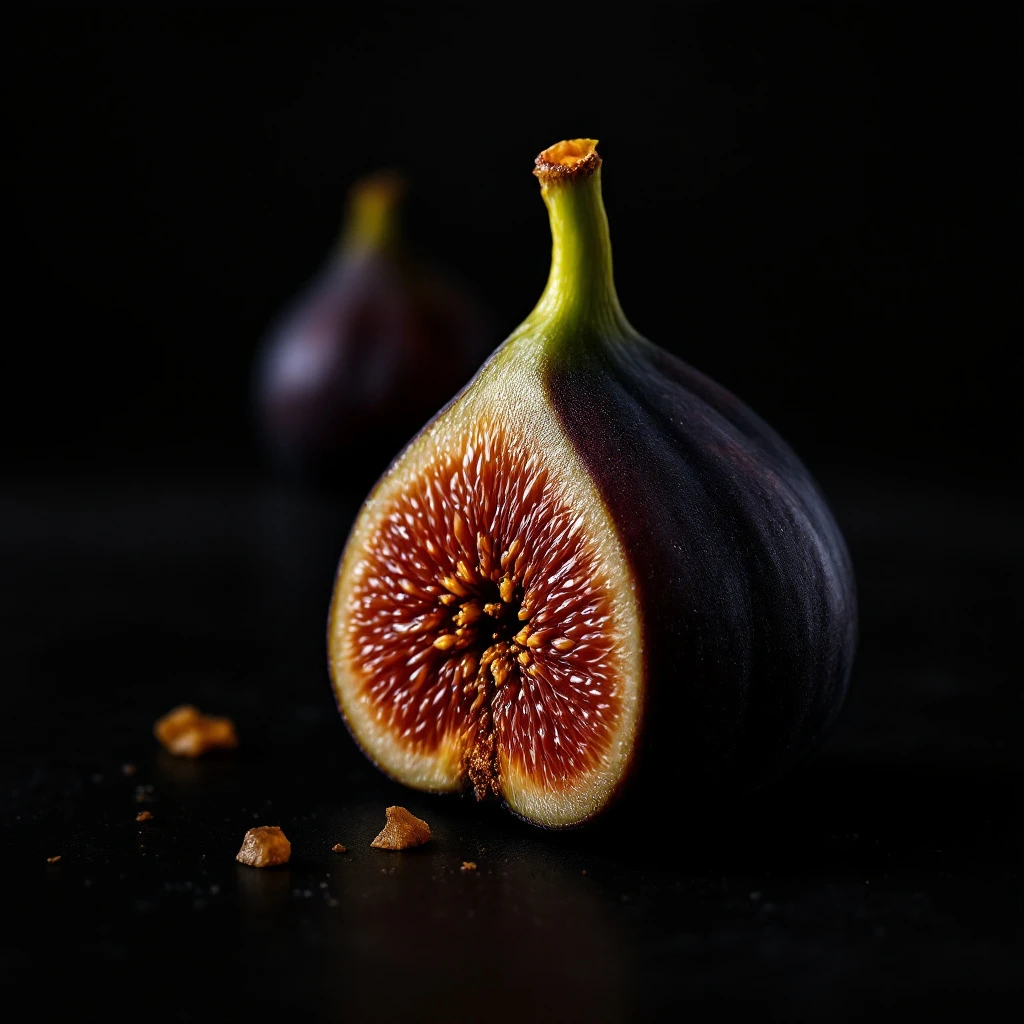
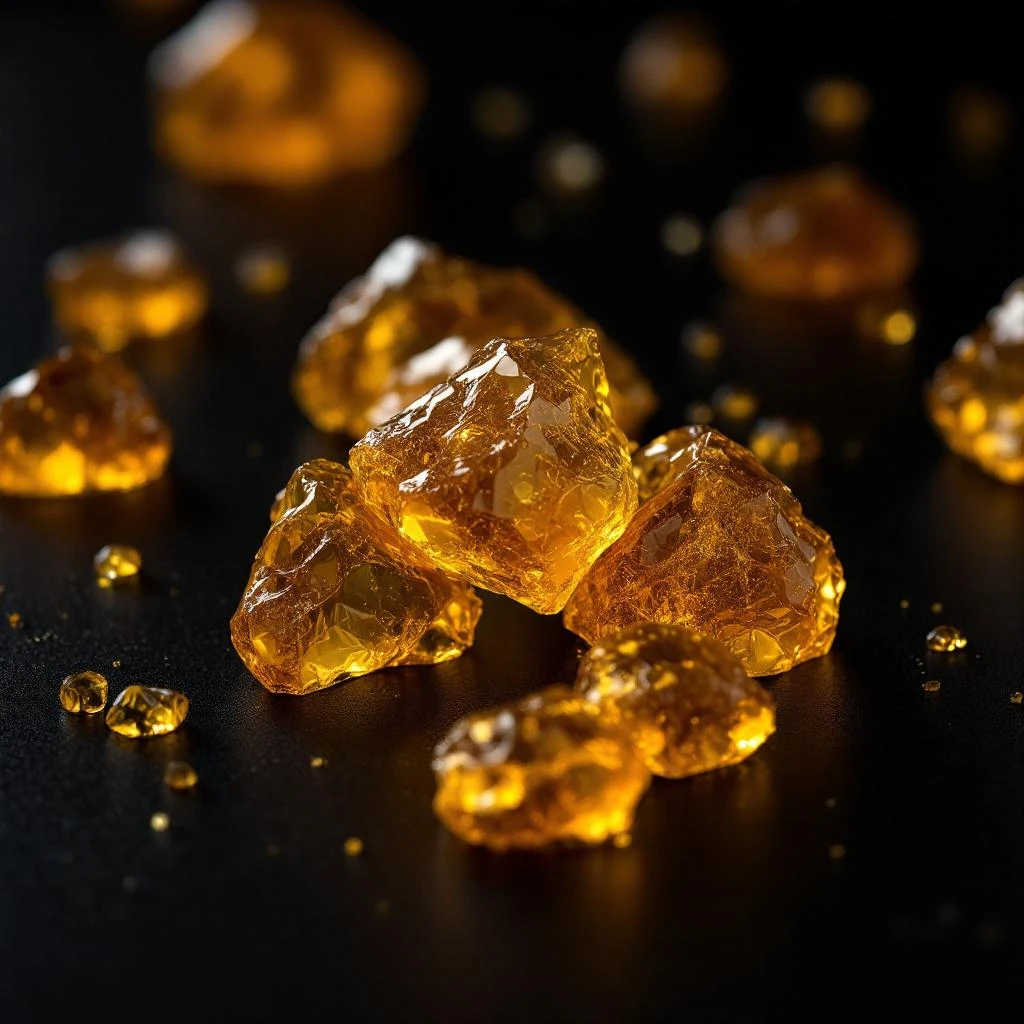
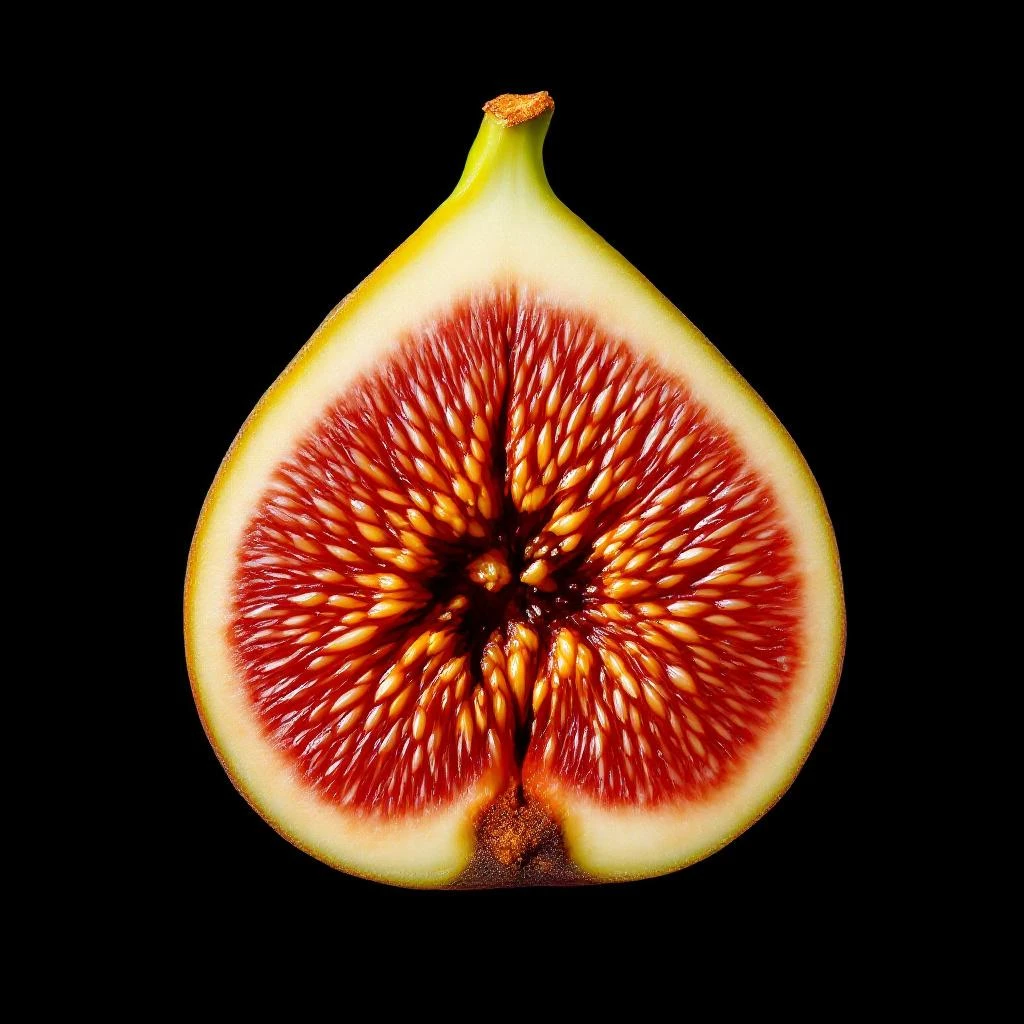
The syrupy sweetness of sun-dried fig pulp, rendered in crystalline form. A gourmand accord that captures the concentrated sugars and honeyed depth of fully ripe fruit.
Character
How it smells
Fig distilled to its most indulgent essence.
Archaeological evidence shows fig trees were cultivated over 11,000 years ago, making them one of the earliest domesticated plants in human history.



Origin
France
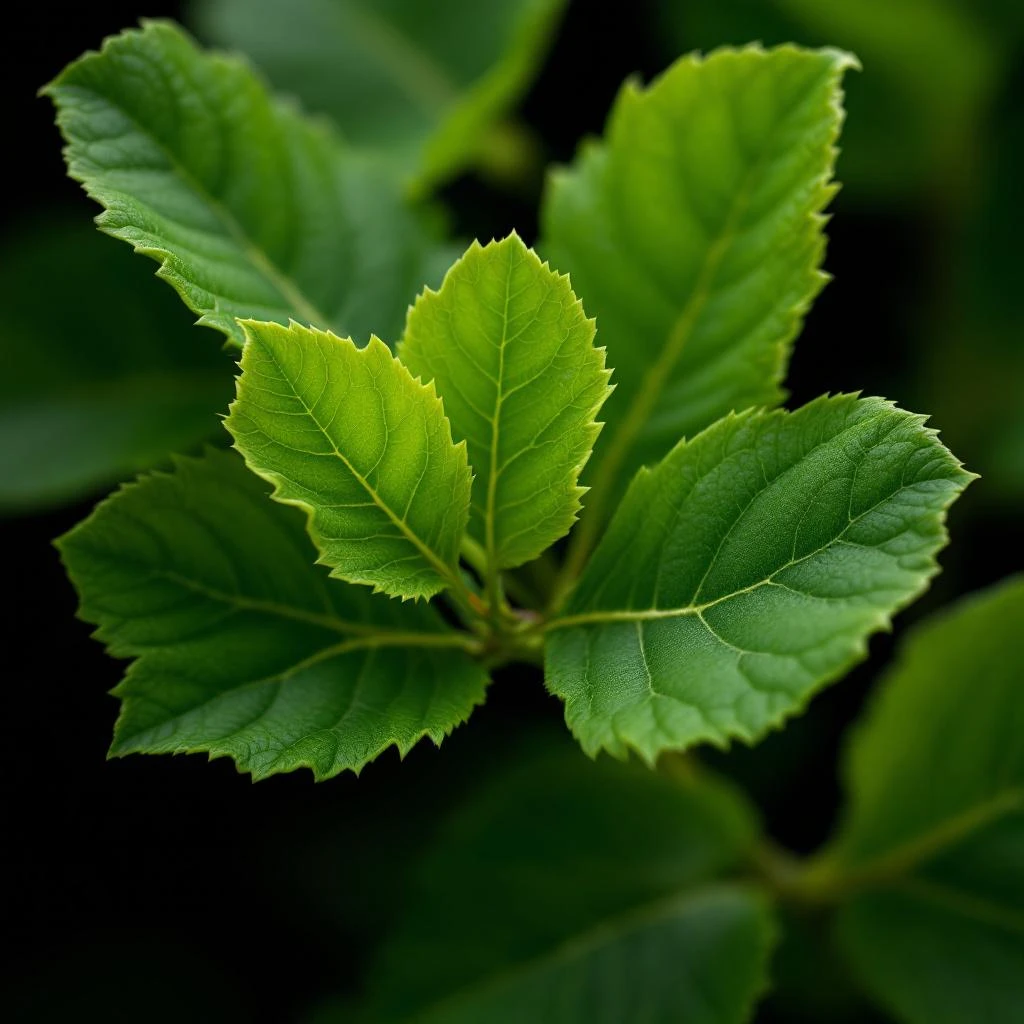
The fig tree holds deep roots in Mediterranean cultures, cultivated since Neolithic times for its fruit and symbolic value. Ancient Egyptians used fig in religious rituals, and Greeks associated the tree with Dionysus and fertility. For centuries, perfumers valued fig leaves and wood for their aromatic properties, though the fruit itself proved challenging to capture faithfully in fragrance.
Traditional extraction methods could not fully translate the fresh, lactonic character of ripe fig. The candied fig interpretation emerged as perfumery evolved beyond single-note absolutes toward constructed accords. By combining natural extracts with targeted aroma chemicals, modern perfumers achieved a concentrated sweetness that mirrors the experience of biting into a sun-dried fig.
This synthesis of old and new placed fig squarely in contemporary fragrance collections worldwide.
Wears it best
Fragrances featuring Candied Fig
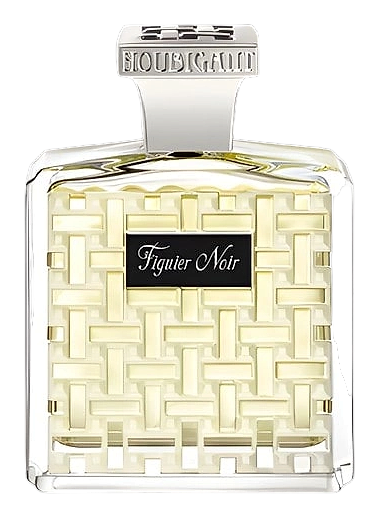
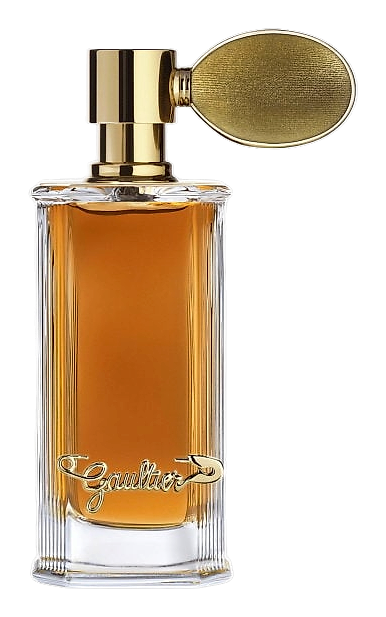
Brands
Brands known for Candied Fig
Good to know
Questions, answered
The essentials on Candied Fig in perfumery: how it smells, where it comes from, and how it behaves on skin.
What is candied fig in perfumery?
Candied fig is a constructed fragrance accord that replicates the concentrated sweetness of figs preserved in syrup. Perfumers build it from fig-derived absolutes combined with specific aroma chemicals like lactones and furanones to capture the honeyed, jammy character of sun-dried fruit.
How do perfumers extract fig for fragrance use?
Fig leaf absolute uses sequential solvent extraction, traditionally with petroleum ether followed by ethanol, producing a dark green material. Modern candied fig accords rely on a combination of this absolute and targeted synthetic aroma chemicals to achieve the full fruit profile.
What does candied fig smell like?
Candied fig smells like warm, syrupy fruit with prominent honey and caramel notes. The lactones contribute a creamy coconut-like quality, while the furanones add jammy depth. It reads as sweet, gourmand, and slightly syrupy rather than fresh or green.
How does candied fig differ from fig leaf absolute?
Fig leaf absolute carries green, vegetative, slightly bitter qualities reminiscent of crushed leaves. Candied fig focuses exclusively on the sweet fruit and syrup character, omitting the green notes entirely. It functions as a gourmand element rather than a green bridge.
Does candied fig work year-round?
Candied fig reads as warm and inviting in cooler months but performs especially well in spring and summer when its syrupy sweetness complements warm skin chemistry. It suits evening wear and tropical climates particularly well.
Is candied fig used in niche or mainstream fragrances?
Both. Niche houses like Diptyque and Byredo have featured fig prominently, while mainstream designers incorporate fig accords across multiple product lines. The note appears in perfumes targeting consumers who prefer approachable, fruit-forward compositions.
Where does fig absolute originate?
The Mediterranean basin, particularly France and Turkey, remains the primary source of fig-derived perfumery materials. Fig trees thrive in warm, dry climates, and these regions have centuries of cultivation experience producing high-quality raw materials.
Is candied fig considered gender-neutral in perfumery?
Yes. While fig appears frequently in feminine fragrances, perfumers increasingly use it in unisex compositions where its warm fruit character bridges traditionally gendered olfactory families. Many contemporary fragrances market candied fig as gender-neutral.