Canadian Cedar Leaf
Canadian Cedar Leaf oil carries the crisp, medicinal character of northern forests. Distilled from Thuja occidentalis, it delivers a woody freshness with camphor undertones rarely found in other cedar varieties. A distinct expression from the Canadian wilderness.

Character
How it smells
Fresh, medicinal, unmistakably northern.
Thuja occidentalis earned its common name "arborvitae" (tree of life) from French colonists who learned from Indigenous peoples that the foliage contained potent medicinal properties.







Origin
Canada
Thuja occidentalis has deep roots in North American plant knowledge. Indigenous peoples of the Great Lakes region and eastern Canada used arborvitae extensively for medicinal purposes, preparing teas for headaches, poultices for joint pain, and protective preparations during harsh winter months.
French colonists observed these practices and adopted the name arbre de vie, or tree of life, reflecting the plant's importance to local communities. European settlers gradually incorporated cedar into their own healing traditions, eventually inspiring commercial distillation ventures by the mid-19th century.
Small-scale production emerged in Quebec and Ontario, though cedar leaf oil remained a niche product compared to other North American aromatic materials. Modern sustainability concerns have shifted production toward urban tree maintenance programs, where raw material comes from landscaping operations rather than wild harvesting. This circular approach supports the continued availability of Canadian cedar leaf oil for perfumers seeking fresh, camphoraceous aromatic profiles distinct from traditional wood-based cedar materials.
Wears it best
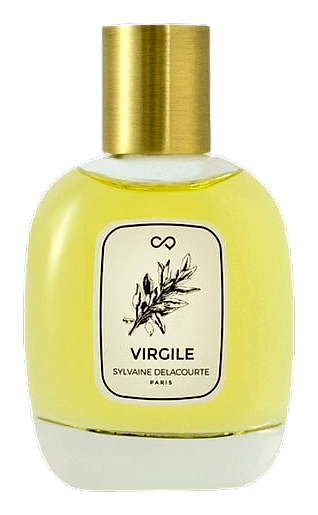
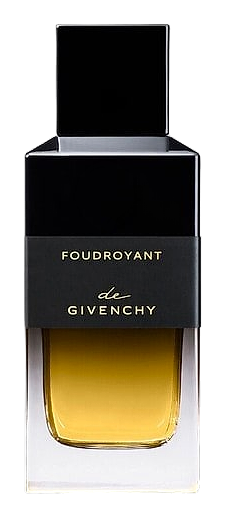
Fragrances featuring Canadian Cedar Leaf
Brands
Brands known for Canadian Cedar Leaf
Good to know
Questions, answered
The essentials on Canadian Cedar Leaf in perfumery: how it smells, where it comes from, and how it behaves on skin.
What does Canadian Cedar Leaf smell like?
Canadian Cedar Leaf oil has a fresh, herbaceous scent with woody undertones and distinct camphor notes. It carries a medicinal, forest-like character that differs significantly from wood-derived cedar oils.
Is Canadian Cedar Leaf the same as cedarwood?
No, they differ significantly. Cedar leaf oil comes from the foliage of Thuja occidentalis, while cedarwood oil is extracted from the heartwood of various cedar species. Leaf oil has fresher, more camphoraceous character.
Where does Canadian Cedar Leaf come from?
The oil distills from Thuja occidentalis, also called Eastern Arborvitae, growing across eastern Canada and the Great Lakes region. Modern production sources primarily from urban landscape trimmings.
How is Canadian Cedar Leaf oil extracted?
Steam distillation extracts the oil from fresh or dried leaves and twigs. The process separates aromatic compounds from plant material using heated steam, producing a modest yield of potent oil.
What fragrances use Canadian Cedar Leaf?
Perfumers incorporate it for fresh, herbal top notes and medicinal depth. It appears in masculine fragrances, woody compositions, and aromatic fougere structures where camphor character provides contrast.
Is Canadian Cedar Leaf sustainable?
Yes. Most Canadian production sources from urban tree maintenance waste rather than wild harvesting. This model creates value from materials that would otherwise become landfill waste.
What compounds give Canadian Cedar Leaf its character?
Camphor and various monoterpenes provide the medicinal, fresh character. Thujone content contributes distinctive aromatic properties, though modern production carefully monitors concentration levels.
Can Canadian Cedar Leaf cause allergic reactions?
Thujone content means the oil requires appropriate dilution. Perfumers follow standard guidelines for essential oil usage. Consult industry safety standards for specific dilution recommendations.