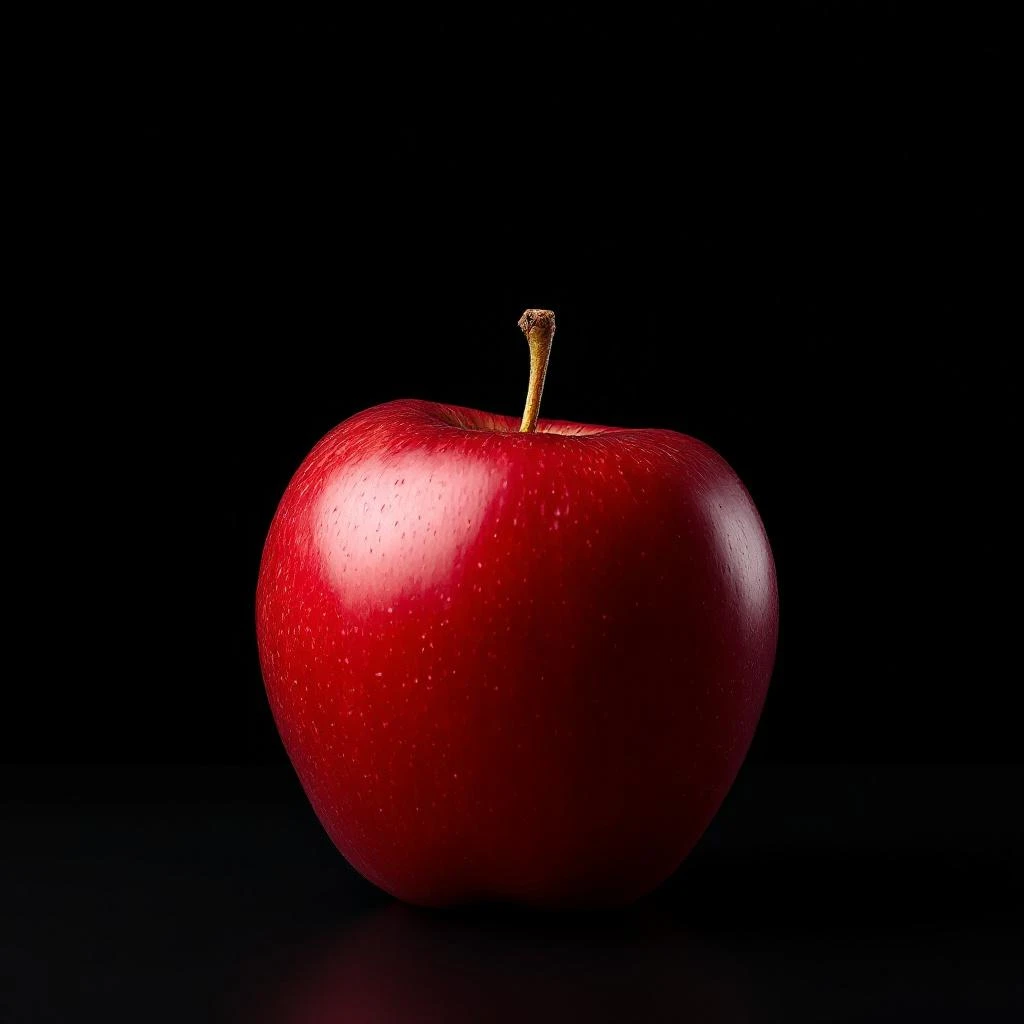
Canadian Apple
Crisp, tart, and refreshingly green. Canadian apple brings a sharp orchard-fresh brightness to fragrance compositions, balancing sweet floral hearts with clean, mouthwatering bite.
Character
How it smells
Orchard crisp in a bottle
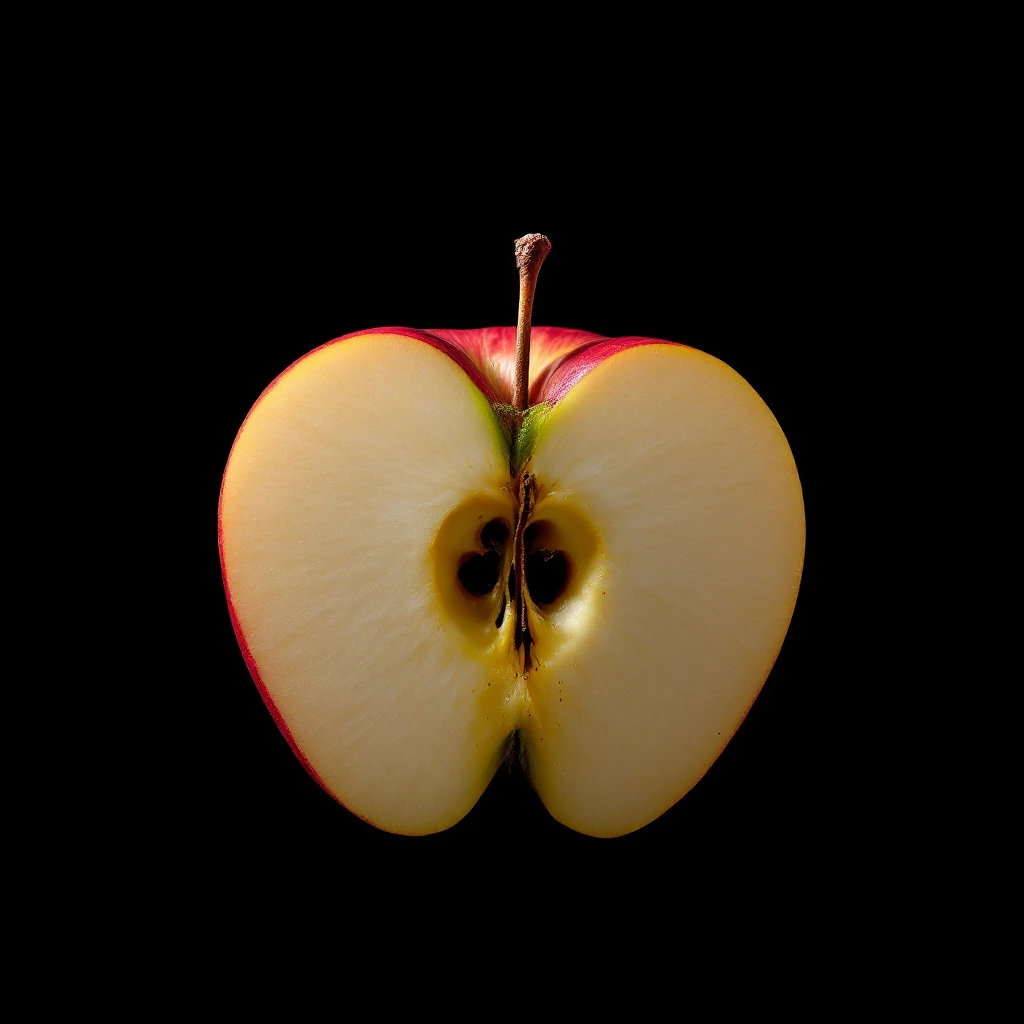
The McIntosh apple, Canada’s most iconic variety, was discovered as a chance seedling in Ontario in 1811 and now shapes much of the country’s apple-cultivation identity.



Origin
Canada
Apples arrived in Canada with French settlers in the early 1600s, and by the 19th century the country had developed its own distinct cultivation tradition shaped by cold-hardy varieties. The McIntosh, discovered in Dundas County, Ontario in 1811, became the cornerstone of Canadian apple identity, prized for its tart juiciness and aromatic complexity. Canada now grows over 400,000 metric tons of apples annually, with Ontario and British Columbia as the primary producing regions.
Despite this agricultural abundance, the fruit entered perfumery slowly. Early 20th-century perfumers treated apple as a fleeting, difficult-to-capture note until the synthesis of fruity aldehydes and ester molecules in the mid-1900s made stable reproduction possible. Canadian apple as a marketed accord gained traction in the 1990s alongside fresh, sporty fragrance trends that prized clean, ozonic, and fruity top notes.
Today it signals crispness and youthfulness in both men’s and unisex compositions, a distinctly North American interpretation of an ancient fruit.
Wears it best
Fragrances featuring Canadian Apple

Brands
Brands known for Canadian Apple
Good to know
Questions, answered
The essentials on Canadian Apple in perfumery: how it smells, where it comes from, and how it behaves on skin.
What does Canadian apple smell like in perfume?
It smells crisp, tart, and green, with a freshly cut orchard brightness. The note typically combines juicy sweetness with a cool, slightly acidic bite that reads as clean rather than sugary.
Is Canadian apple a natural or synthetic fragrance ingredient?
Almost always synthetic reconstruction in commercial perfumery. Apple flesh yields negligible essential oil, so perfumers blend aroma chemicals like ethyl 2-methylbutyrate and hexyl acetate to replicate the fruit’s natural scent profile.
Which Canadian apple variety is most associated with this note?
The McIntosh apple, discovered in 1811 in Dundas County, Ontario. Its aromatic balance of tart acidity and green sweetness makes it the benchmark reference for the Canadian apple fragrance accord.
Where is Canadian apple primarily grown?
Ontario and British Columbia lead Canadian production, together accounting for the majority of the country’s roughly 400,000 metric tons of annual apple harvest.
What fragrance families does Canadian apple work best in?
It anchors fresh, fruity, and sporty compositions, often paired with green leaves, citrus, or aquatic bases. Its clean tartness also brightens heavier gourmand and woody fragrances when used as a top note.
When did Canadian apple become a popular perfume note?
It gained significant traction in the 1990s alongside the rise of fresh, clean fragrance trends. Stable synthetic fruity esters made the previously fleeting apple note practical for mainstream perfumery.
How long does the Canadian apple note last on skin?
It is a top note with moderate longevity, typically lasting 15 to 30 minutes before fading. Its volatility is precisely what gives the accord its immediate, just-picked freshness.
Is Canadian apple safe for people with fruit allergies?
Synthetic apple accords pose minimal allergy risk compared to natural fruit extracts. Most reactions to apple-scented products stem from added botanical ingredients rather than the reconstructed aroma compounds themselves.