Calissons d'Aix
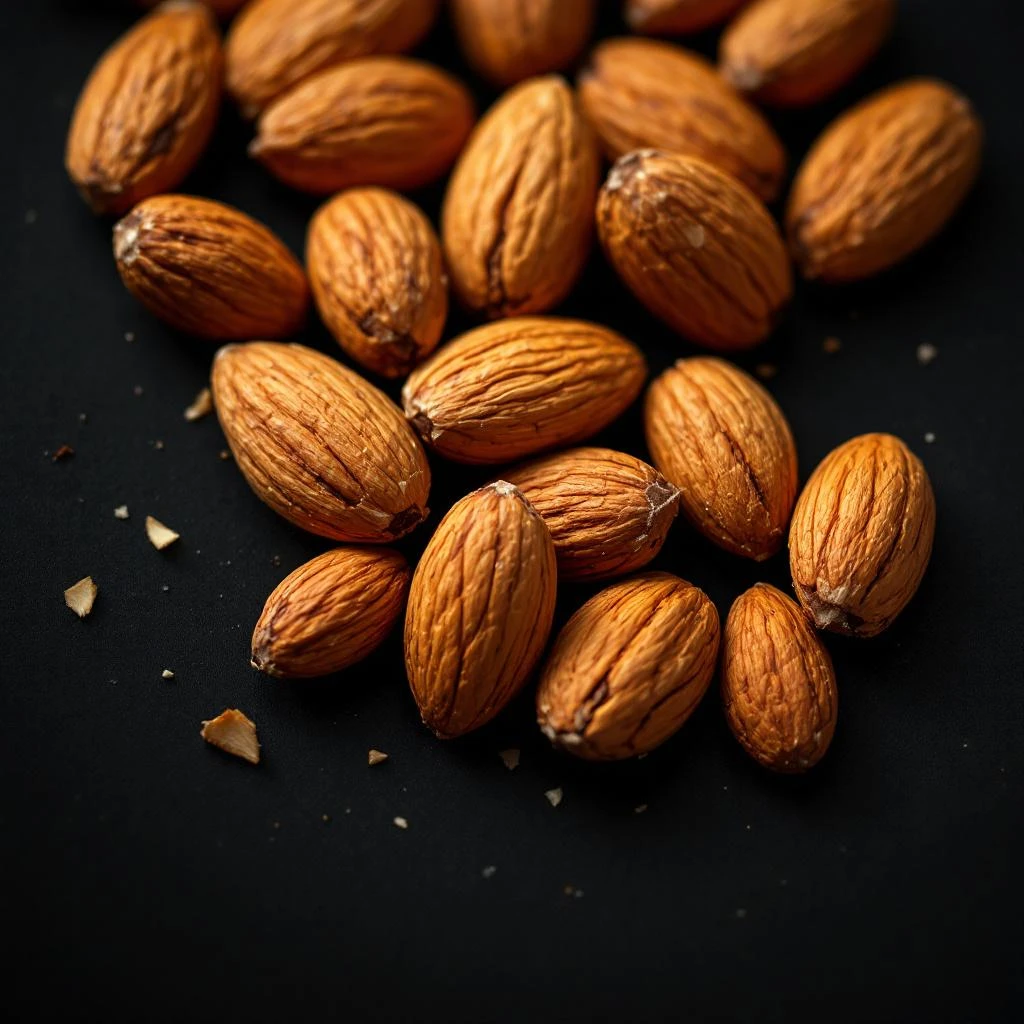
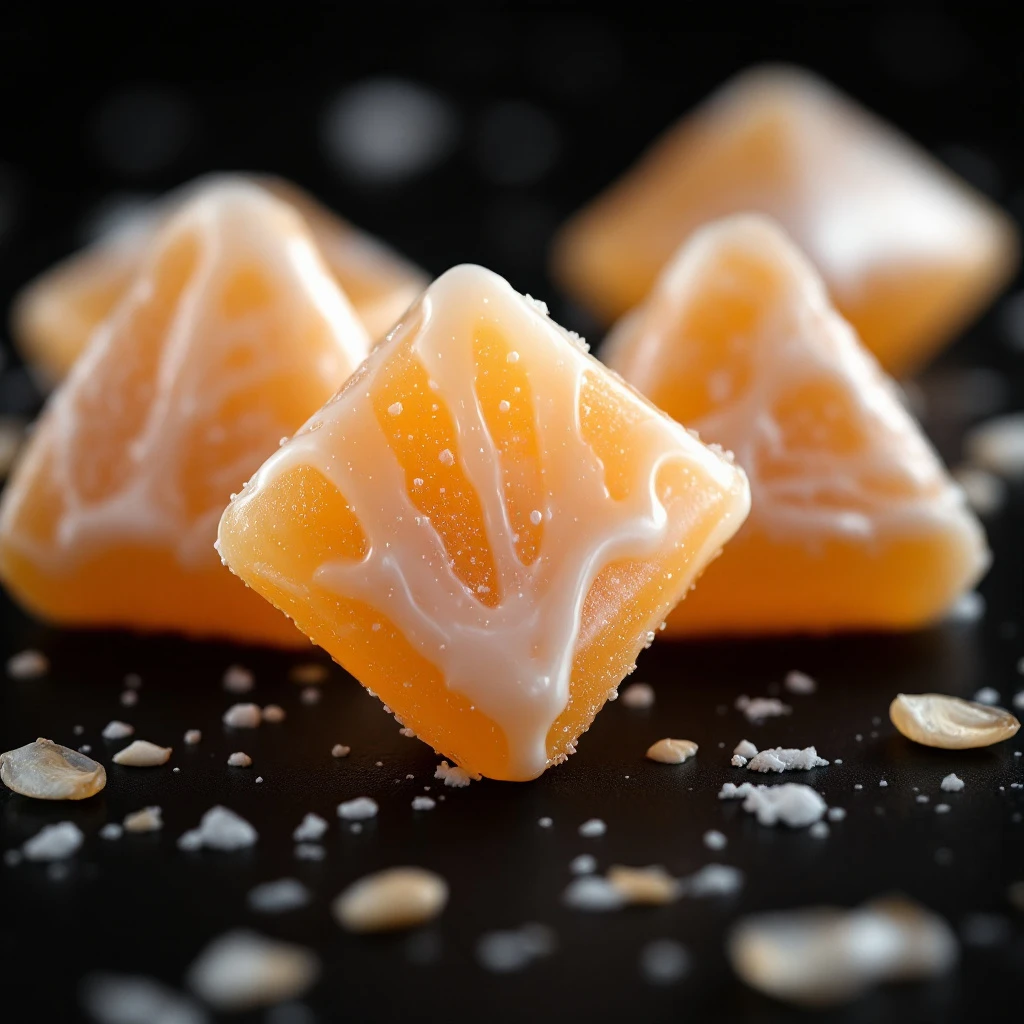
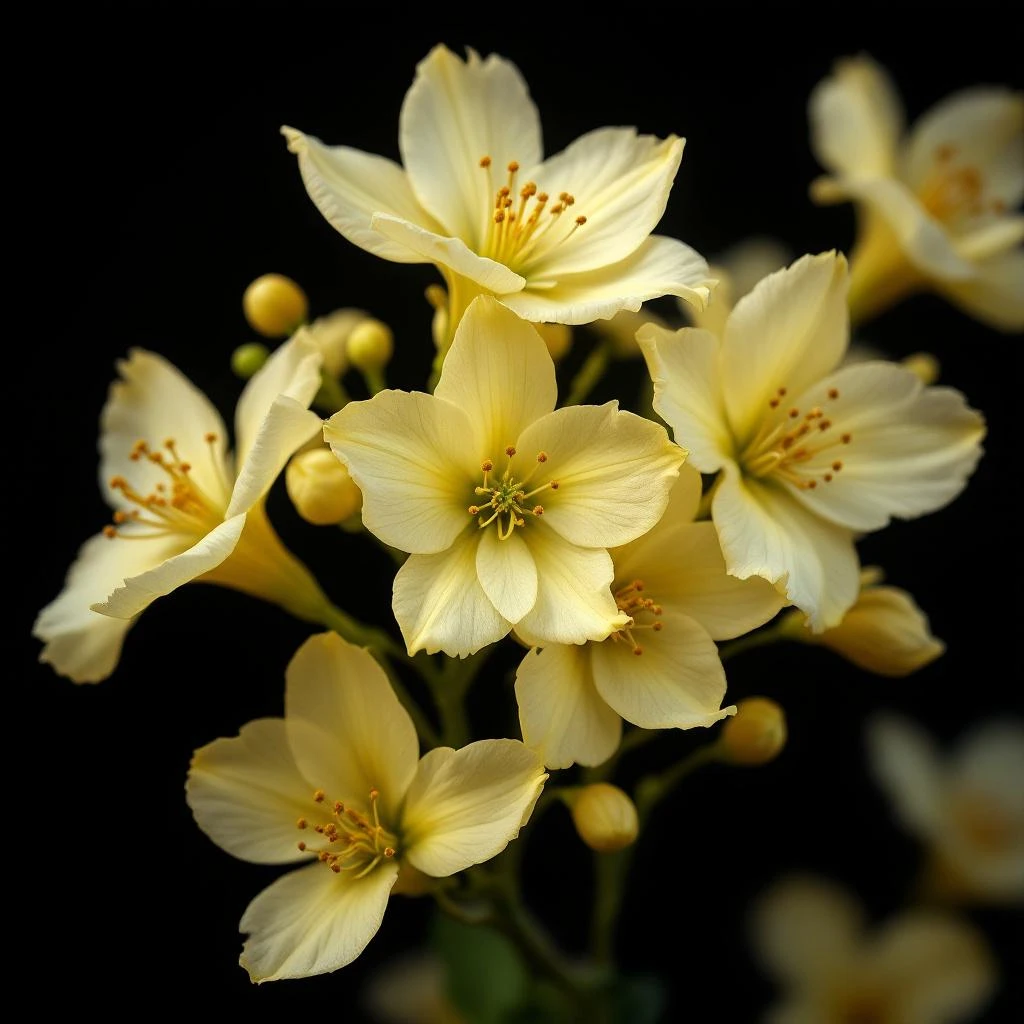
A sun-drenched confection from Provence where bitter almonds meet orange blossom and candied melon. This iconic treat translates into perfumery as a warm, edible note balancing nutty depth with delicate floral sweetness.
Character
How it smells
Provence in every bite, poetry in every note.
True Calissons d'Aix must contain at least 30% almonds by law, and they are traditionally enjoyed on September 8th for the Feast of the Virgin.








Origin
France
The origins of Calissons d'Aix remain wrapped in legend, with one story tracing them to a 12th-century Latin text using the word calisone. The confection likely has Moorish influences, brought to Provence through centuries of Mediterranean trade. For centuries, the Dominicans of the Saint-Marcel convent in Aix-en-Provence held the exclusive right to make and sell these treats.
The iconic Manufacture Calissons d'Aix, founded in 1924, cemented their reputation as a symbol of Provencal heritage. In perfumery, the confection inspired the aromatic category that captures the warm, sweet-almond character of this beloved candy, marrying culinary tradition with the art of scent creation.
Wears it best
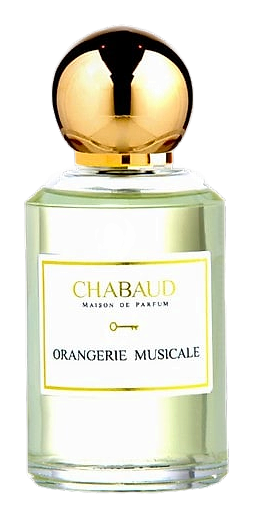
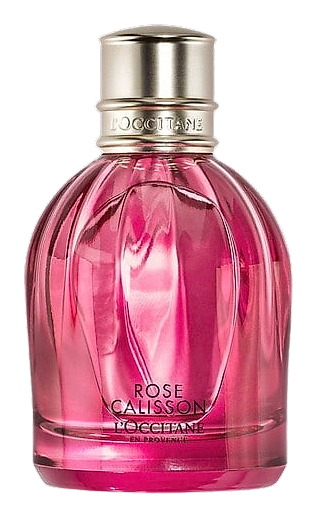
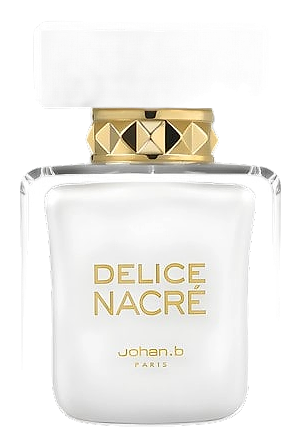
Fragrances featuring Calissons d'Aix

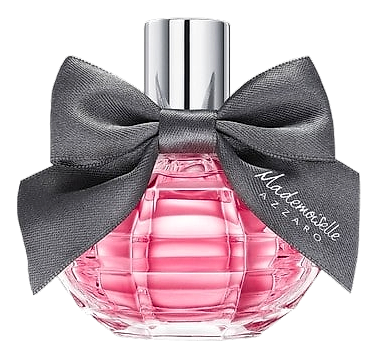
Brands
Brands known for Calissons d'Aix
Good to know
Questions, answered
The essentials on Calissons d'Aix in perfumery: how it smells, where it comes from, and how it behaves on skin.
What do Calissons d'Aix smell like in perfume?
Calissons d'Aix in fragrance evoke warm bitter almonds, orange blossom, and a soft candied sweetness reminiscent of marzipan with subtle melon undertones. The effect is edible, comforting, and distinctly Provencal.
Is Calisson d'Aix a natural fragrance ingredient?
It is a synthetic aromatic interpretation. Perfumers recreate the confection's scent using natural molecules like benzaldehyde from bitter almond and orange blossom absolute combined with lab-created aroma chemicals.
What perfumes feature Calissons d'Aix as a note?
Several niche fragrances from Provencal houses reference this treat. L'Occitane's Cadeau pour Elle and certain Fragonard offerings draw on local culinary heritage for their edible almond-floral character.
How does Calissons d'Aix differ from standard almond notes?
Standard almond notes focus purely on nuttiness. Calissons d'Aix adds a floral dimension from orange blossom water and a restrained fruitiness from candied melon, creating a more complex, heritage-driven effect.
Can I taste the connection between the confection and its fragrance note?
The connection lies in shared raw materials. Both the candy and its aromatic counterpart rely on bitter almond and orange blossom. Sampling a Calisson d'Aix while wearing an almond-floral perfume reveals the olfactory bridge.
What season suits Calissons d'Aix-inspired fragrances?
These scents perform best in late summer through early autumn. The warm almond character pairs naturally with the lingering warmth of Provencal evenings and harvest-season textures.
Are there allergens associated with this note?
Benzaldehyde, a key molecule in bitter almond, shares allergen considerations with other aromatic aldehydes. Individuals with almond sensitivities should evaluate individual fragrance compositions carefully.
How do perfumers balance the sweetness of Calissons d'Aix in a fragrance?
Skilled perfumers temper the sweetness by pairing it with bitter almond for contrast, grounding it with woody base notes like sandalwood, and adding subtle green or herbal accents to prevent the composition from becoming overly edible.