
The Story
Why it exists.
The beginning
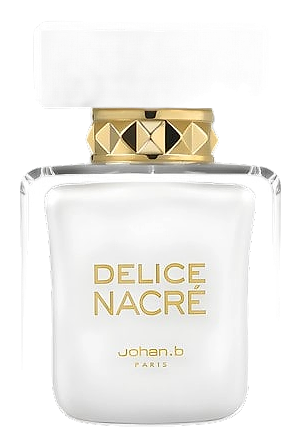
The name Delice Nacré conjures mother-of-pearl, a surface that catches light in shifting ways. The Calissons reference grounds it in something specific: the almond-paste candy from Aix-en-Provence, flavored with orange flower water and candied fruit. It's a nod to French confectionery tradition, translated into something wearable. Aldehydes provide a luminous quality, a brief flash of brightness that introduces the composition. The scent draws on this connection between the visual shimmer of iridescence and the aromatic qualities of traditional French sweets, creating something that feels both familiar and unexpected.
The aldehydes are present at the opening, introducing a bright quality that establishes the composition before the florals arrive. White rose brings its characteristic soft, powdery presence while linden blossom adds a floral element that complements the rose. The Calissons accord brings notes reminiscent of the traditional French candy, sweet and slightly floral. Cedar provides a woody foundation while musk adds softness. The composition moves from its bright opening toward the warmer, sweeter base where the confectionery inspiration becomes more apparent.
The evolution
Aldehydes arrive first in the composition, providing a bright quality that introduces the scent. They establish a luminous character before yielding to the florals that follow. White rose and linden blossom arrive as the composition develops, bringing their characteristic floral qualities. Cedar appears in the base notes, providing structure alongside the other foundational elements. The Calissons accord becomes apparent as the scent develops, bringing the almond-paste candy character that references the traditional French confection. Musk adds softness while the woody elements keep the sweetness balanced. The drydown reveals the warmer qualities of the base, where the confectionery inspiration and woody notes create a lingering effect that remains close to the skin.
Cultural impact
Delice Nacré belongs to the aldehydic floral genre, a category that includes some of the most recognizable fragrances in perfumery. The inclusion of the Calissons note adds a French confectionery character that distinguishes it from other fragrances in this style. This reference to traditional candy brings a specific cultural element into the aldehydic floral framework, connecting the fragrance to a particular culinary tradition. The composition draws on this heritage while presenting it in a contemporary context.