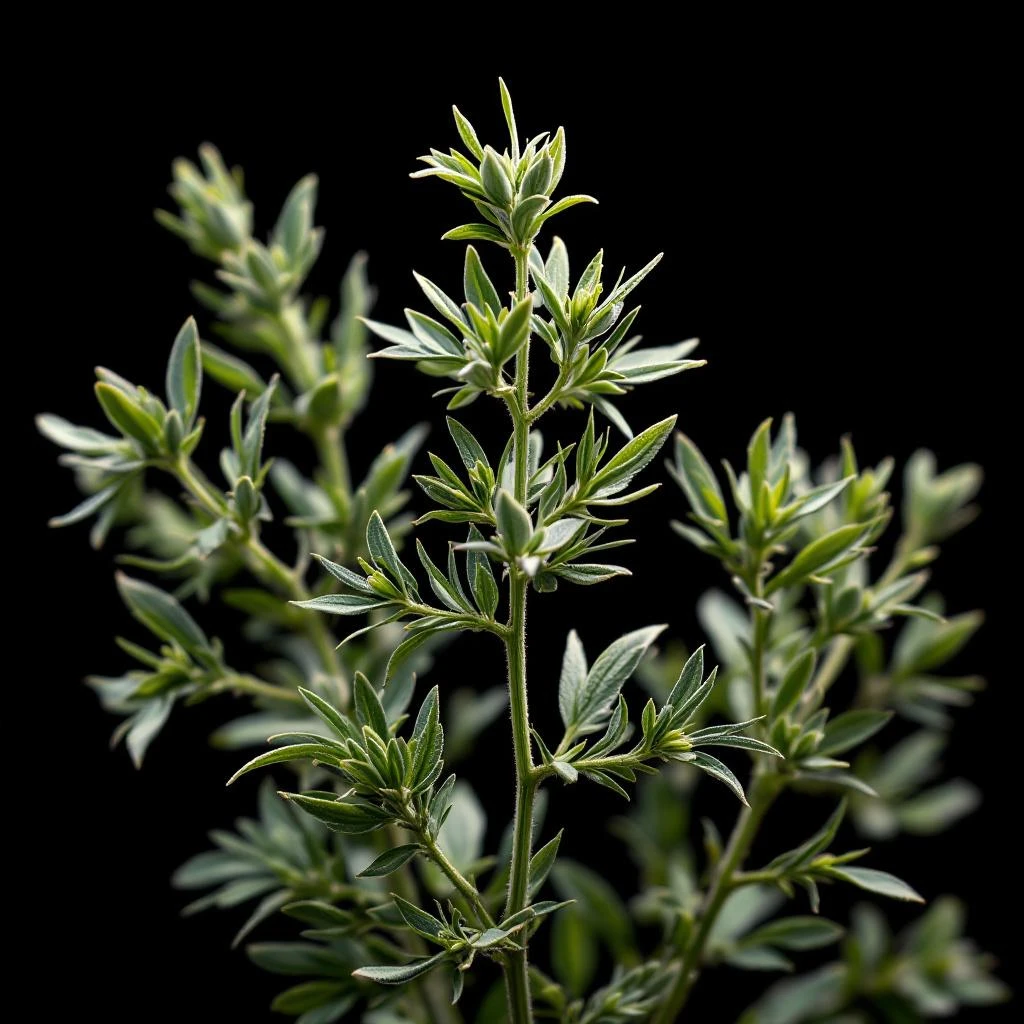
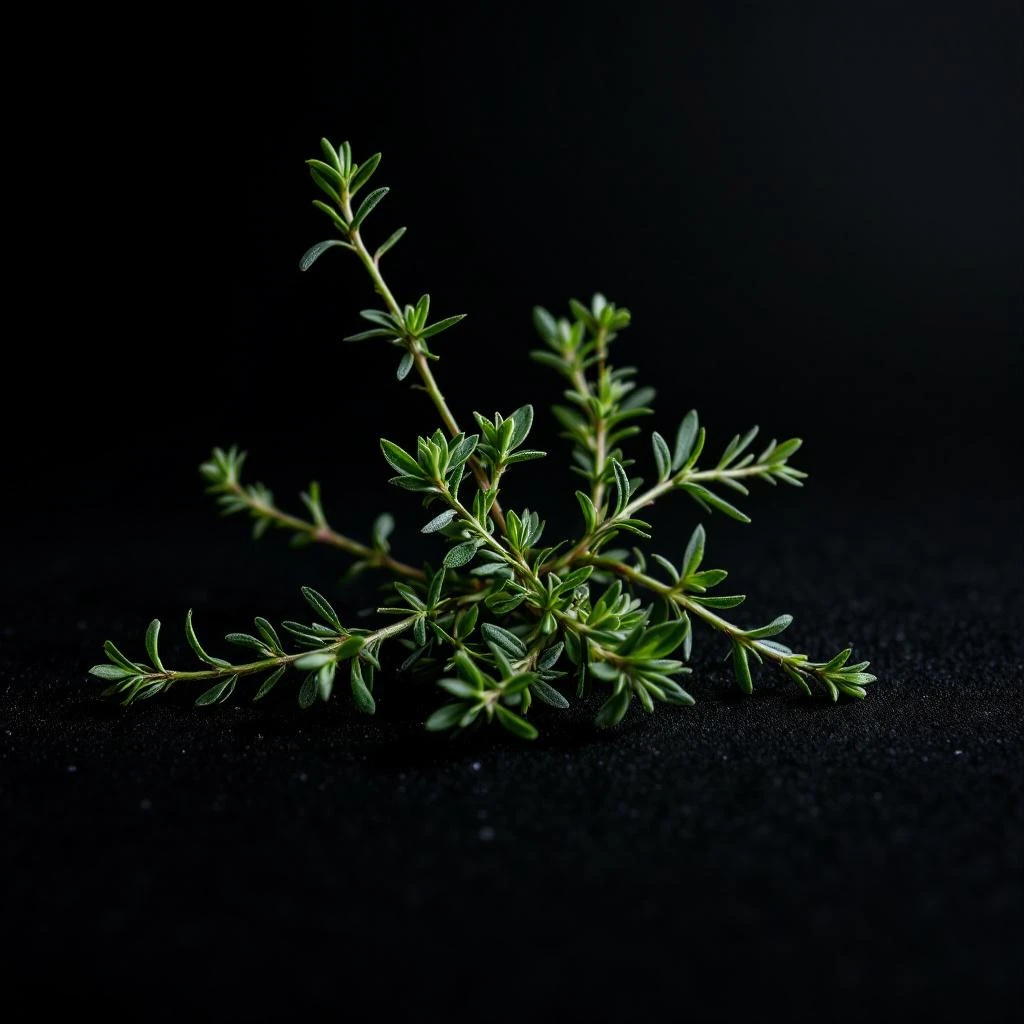
Calamus Root
An ancient aromatic rhizome with a warm, spicy sweetness and woody depth. Used in perfumery for millennia, calamus adds rare complexity to base compositions.
Character
How it smells
A 5,000-year-old aromatic with spiritual roots.
Biblical texts list calamus as an ingredient in the holy anointing oil described in Exodus.


Origin
India
Calamus use traces back to around 2800 BC, making it one of the oldest continuously employed aromatic materials in human history. Ancient Egyptian formulators incorporated it into their perfume formulations, and it may have appeared in Kyphi, the sacred temple incense that ranked among Egypt's premier fragrances. The plant grew in Egyptian gardens specifically for perfumery and medicinal applications.
Calamus held equally prominent status across Asia. Chinese herbalists documented it in texts from approximately 2700 BC, while in India it featured prominently in Ayurvedic formulas. The Hebrew Bible lists it among the ingredients for the holy anointing oil prescribed in Exodus, placing it among the most sacred aromatics of the ancient world.
Greek and Roman physicians including Dioscorides described its medicinal and aromatic properties. Native American cultures independently adopted calamus in healing ceremonies and spiritual practices, and European traditions absorbed it through medieval herbals. The root traveled extensively through ancient trade routes connecting East and West, its warm, spicy-sweet fragrance and earthy complexity earning it a place in temple rituals, sacred texts, and apothecaries alike.
Today, perfumers value calamus for its ability to add unusual depth and an almost medicinal, green-woody character to fragrance bases. The ingredient remains relatively rare in commercial perfumery, appearing mainly in artisanal and niche compositions where its singular character can anchor more complex structures.
Wears it best
Fragrances featuring Calamus Root
Brands
Brands known for Calamus Root
Good to know
Questions, answered
The essentials on Calamus Root in perfumery: how it smells, where it comes from, and how it behaves on skin.
What does calamus root smell like?
Calamus root carries a warm, spicy-sweet aroma with woody, slightly sweet undertones and a balsamic finish. Perfumers value it for adding earthy depth and an almost medicinal green-wood character that works exceptionally well in base note compositions.
Is calamus root still used in modern perfumery?
Yes, though it remains relatively uncommon in mainstream fragrances. Calamus appears more frequently in artisanal and niche perfumery, where its unusual complexity and rich historical legacy appeal to perfumers creating distinctive, character-driven compositions.
Where does calamus grow and what part is used?
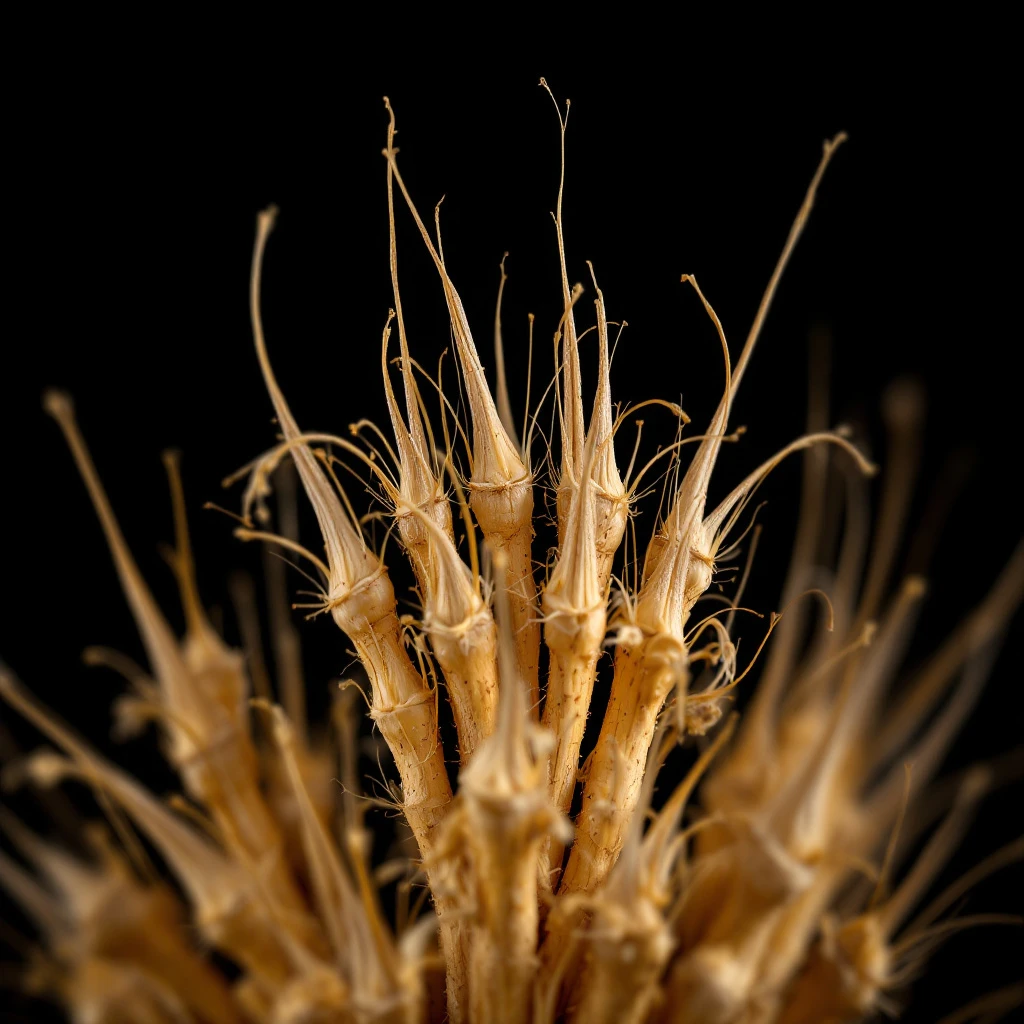
Calamus (Acorus calamus) is a wetland plant native to South and Southeast Asia. The aromatic material comes from the rhizomes—thick, creeping underground stems that store the plant's essential oils. Commercial production centers on India, China, and Indonesia.
How long has calamus been used?
Calamus use dates back to approximately 2800 BC, with documented applications in ancient Chinese medicine, Egyptian perfumery, and Ayurvedic traditions. This makes it one of the oldest continuously used aromatic materials in the world.
How is calamus oil produced?
Steam distillation extracts calamus oil from dried rhizomes. The rhizomes are harvested, thoroughly cleaned, sun-dried for several days, then distilled with steam in a closed vessel. The steam carries the volatile oils into a cooling chamber where they condense and separate from the water.
What other names does calamus go by?
Calamus is commonly called sweet flag, a reference to its habitat along wetlands and the flag-like shape of its leaves. Its scientific name is Acorus calamus, and the ingredient appears on perfume packaging under the INCI name Acorus Calamus Root Extract.
Was calamus used in religious or sacred contexts?
Yes. The Hebrew Bible lists calamus as one of the ingredients in the holy anointing oil described in Exodus. Ancient Egyptians used it in Kyphi, a temple incense. Native American cultures also employed it in ceremonial contexts, making calamus one of the most spiritually significant aromatics across multiple traditions.
What makes calamus a distinctive fragrance ingredient?
Its combination of warmth, spice, and woody-earthy depth is relatively rare among perfumery materials. Calamus also carries strong psychological resonance—its millennia of sacred and medicinal use create an association that transcends its olfactory profile alone.