Rainflower Tea
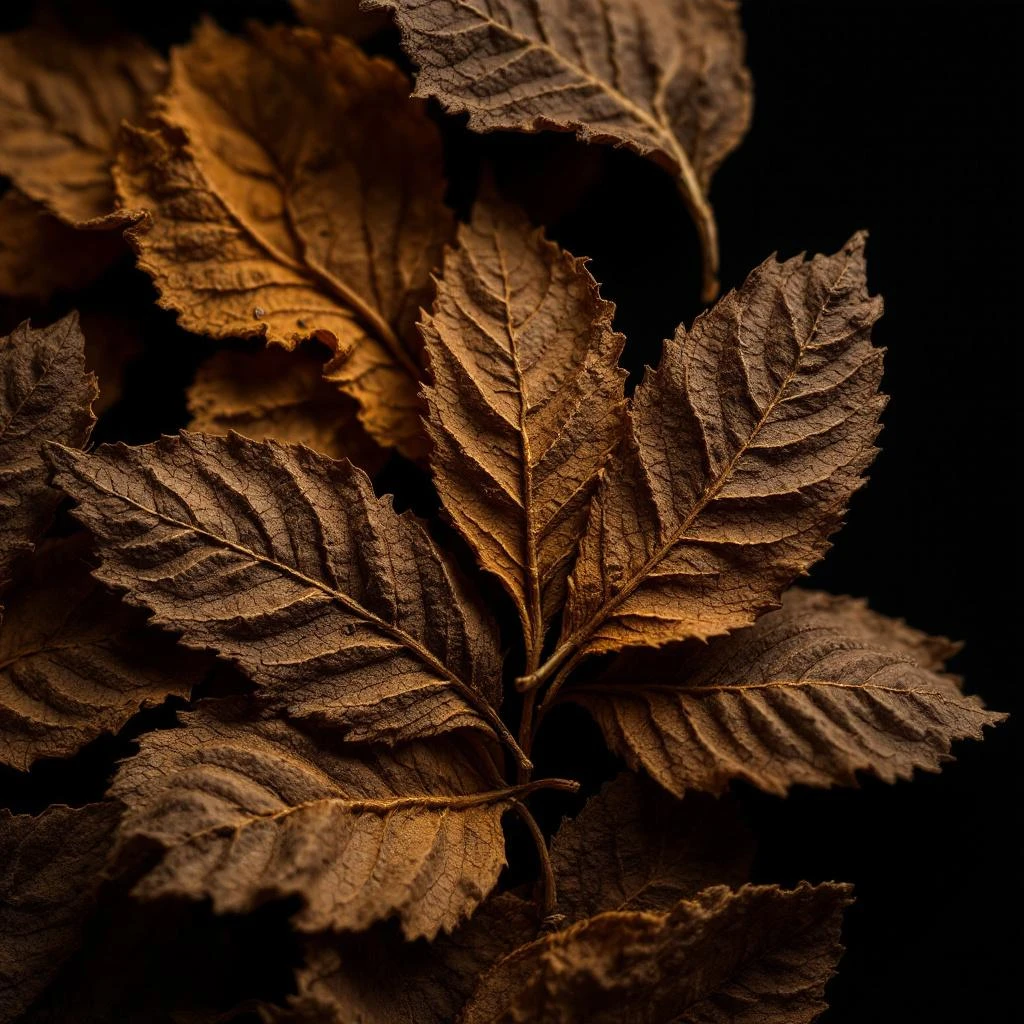
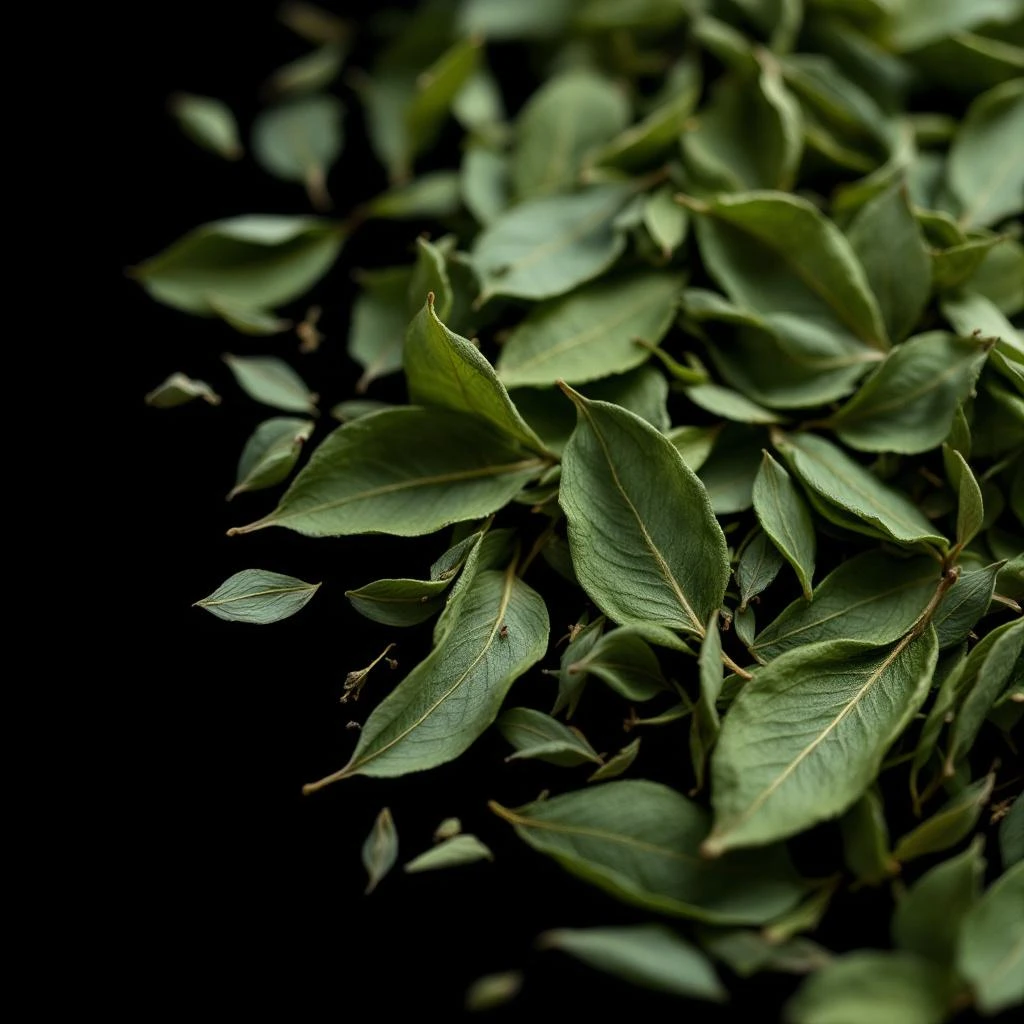
Rainflower Tea captures the crisp, verdant spirit of just-plucked Camellia sinensis leaves. This ingredient brings clarity and brightness to fragrance, with an unmistakable green quality that anchors lighter notes while adding a serene, contemplative depth.
Character
How it smells
Green clarity captured in every drop.
Camellia sinensis leaves contain over 600 aromatic compounds, more than most single botanical ingredients used in perfumery.
Origin
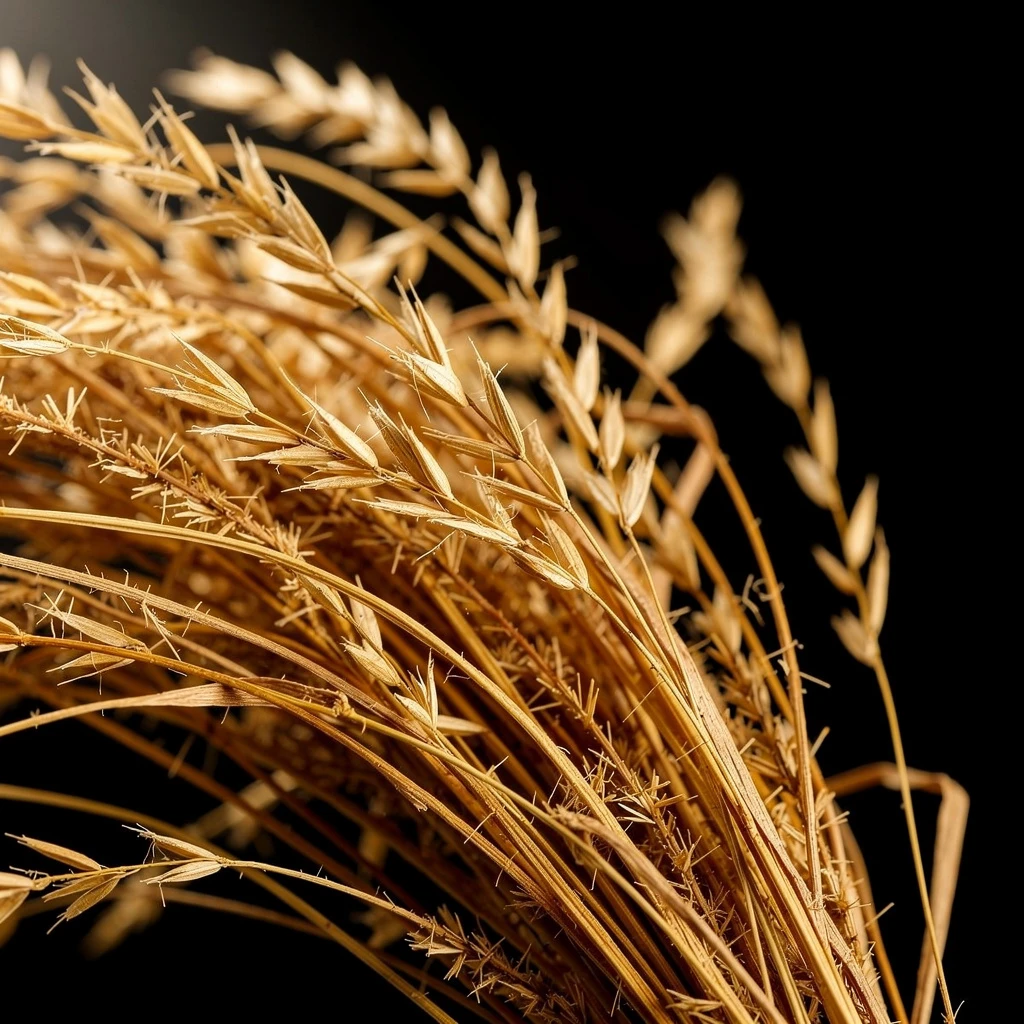
China
Tea has been cultivated for over 3,000 years, originating in the mountainous borderlands where southwestern China meets Myanmar and Laos. Ancient Chinese texts document tea as both beverage and medicinal substance by 2737 BCE, according to legend discovered by Emperor Shennong. Buddhist monks carried tea seeds to Japan in the 6th century, spawning a sophisticated tea culture centered on mindfulness and ceremony.
When European traders first encountered tea in the 16th century, it sparked a centuries-long trade obsession that reshaped global commerce. Perfumers began experimenting with tea extracts in the late 19th century as extraction technologies advanced. Today, tea remains one of perfumery's most versatile green materials, valued for its ability to evoke cleanliness, freshness, and contemplation without the soapy character of some alternatives.
Rainflower Studio's interpretation draws on both traditional Chinese tea appreciation and modern perfumery technique.
Wears it best
Fragrances featuring Rainflower Tea
Brands
Brands known for Rainflower Tea
Good to know
Questions, answered
The essentials on Rainflower Tea in perfumery: how it smells, where it comes from, and how it behaves on skin.
What does Rainflower Tea smell like in a fragrance?
Rainflower Tea smells fresh, green, and slightly earthy with a crisp quality reminiscent of just-crushed leaves. It adds clarity and brightness to fragrance compositions, working as both a top note and a subtle bridging element.
Is Rainflower Tea a natural or synthetic ingredient?
Rainflower Tea is a natural botanical extract derived from Camellia sinensis leaves. The Rainflower Studio produces it through traditional steam distillation and solvent extraction methods.
What extraction methods produce tea extract for perfumery?
Two primary methods produce tea extracts. Steam distillation yields an essential oil with bright green notes. Solvent extraction produces a concrete and absolute with a fuller, more complex aromatic profile.
What fragrances typically feature tea notes?
Tea appears across fragrance families, particularly in fresh and green compositions. It pairs naturally with citrus, marine accords, white florals, and woody materials, providing an aromatic bridge between disparate elements.
Where does the tea for Rainflower Tea originate?
Camellia sinensis for Rainflower Tea draws from origins in the Yunnan and Sichuan provinces of China, where tea cultivation dates back millennia and terroir produces distinctive aromatic characteristics.
How long has tea been used in perfumery?
Perfumers began working with tea extracts in the late 19th century as modern extraction technologies emerged. However, tea's aromatic properties have been appreciated in China for over 3,000 years.
Can tea notes be created synthetically?
Synthetic tea accords exist, typically built around compounds like cis-3-hexenol (leaf alcohol) and various pyrazines. These alternatives lack the full aromatic complexity of natural tea extract.
How does Rainflower Tea differ from standard tea absolute?
Rainflower Studio's production protocols, refined over 30 years of perfumery work, emphasize specific harvest timing and careful processing to preserve the fresh, green character that distinguishes this material from commodity tea extracts.