Cactus Sap
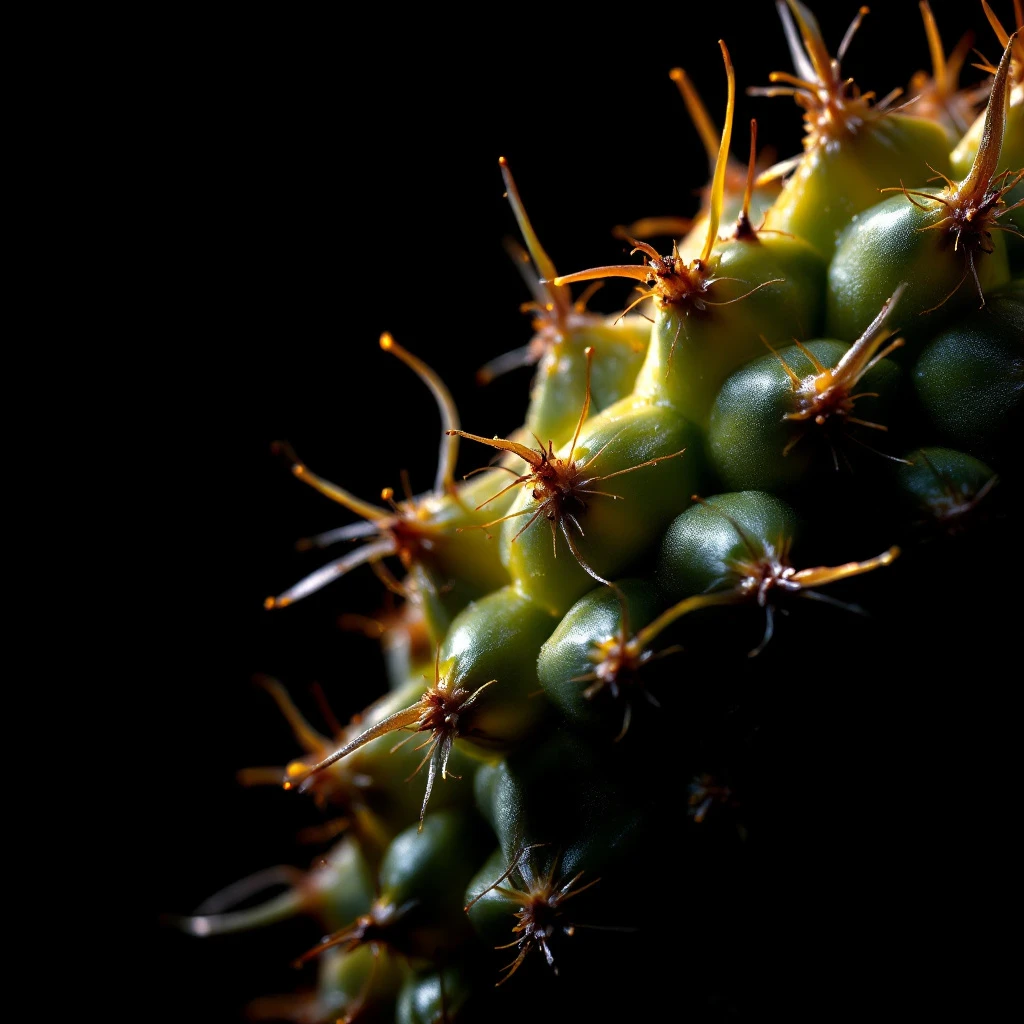
Cactus sap captures the cool, succulent essence of desert plants. Its watery, green character brings a unique freshness that modern perfumers prize for its clean, natural resonance.
Character
How it smells
Cool, watery freshness from desert resilience.
Cactus plants evolved water-storing tissue as a survival response to drought, which is what gives their sap its distinctive moisture-retaining quality.




Origin
Mexico
Indigenous peoples across the Americas understood cactus plants long before perfumery discovered them. Mesoamerican civilizations including the Aztecs and Maya used various cactus species in ritual ceremonies and traditional medicine, recognizing their protective and restorative properties.
The plant's remarkable ability to retain moisture in hostile environments gave it sacred significance in these cultures. Perfumery's engagement with cactus-derived materials began much later, emerging in the late twentieth century as green and marine fragrance families gained popularity.
Early adopters worked primarily with cactus flower absolutes rather than sap. The push toward natural and sustainable ingredients in the twenty-first century renewed interest in cactus as a source material, though natural cactus sap extract remains relatively rare in commercial perfumery due to extraction challenges and limited supply chains.
Wears it best
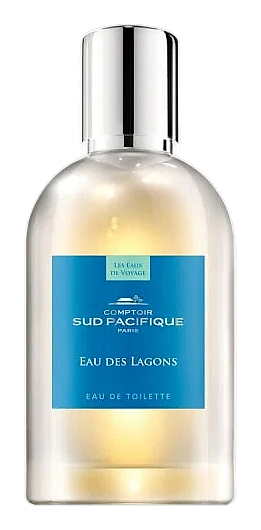
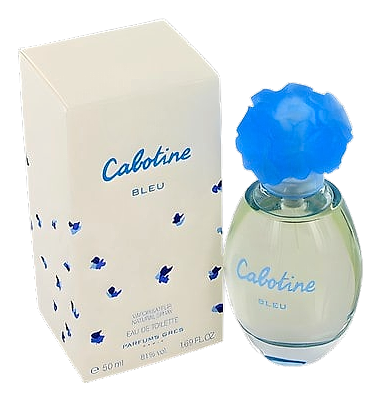
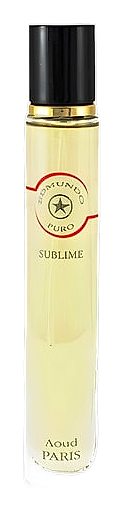
Fragrances featuring Cactus Sap
Brands
Brands known for Cactus Sap
Good to know
Questions, answered
The essentials on Cactus Sap in perfumery: how it smells, where it comes from, and how it behaves on skin.
What does cactus sap smell like in perfumery?
Cactus sap provides a fresh, watery, green scent with subtle succulent and medicinal facets. It creates an impression of cool moisture and clean desert air. Perfumers value it for adding natural green notes that feel more complex than synthetic green accord ingredients.
Is natural cactus sap commonly used in fragrances?
Natural cactus sap remains a relatively rare perfumery ingredient due to extraction challenges and limited availability. Most commercial cactus notes in fragrances come from synthetics or cactus flower extracts. True cactus sap absolute appears mainly in niche and artisan fragrances.
What extraction method works best for cactus sap?
Solvent extraction using food-grade solvents or supercritical CO2 extraction captures cactus sap's aromatic profile most effectively. Steam distillation damages the heat-sensitive compounds, making it unsuitable for this material.
Which cactus species are used for perfumery?
Various Opuntia species and other drought-resistant cacti from the Cactaceae family serve as source materials. The specific species depends on geographic origin and availability. Most commercial production centers on regions with established cactus cultivation.
What fragrances feature cactus sap as a prominent note?
Cactus sap appears primarily in fresh, aquatic, and green fragrances across both designer and niche lines. Its watery character makes it particularly suited to summer and gender-neutral fragrance concepts.
Are there synthetic alternatives to natural cactus sap?
Synthetic green molecules like triplal and cis-3-hexenol can mimic aspects of cactus's fresh, green character. However, synthetic versions lack the full complexity of natural cactus sap, which contains a broader range of trace aromatic compounds.
What factors affect cactus sap quality?
Species selection, harvest timing, plant age, and extraction method all influence quality. Plants stress-tested by limited water exposure often produce more concentrated aromatic compounds. Harvest during cooler months typically yields better results.
Where is cactus sap for perfumery sourced?
Mexico serves as a primary source region due to its native cactus species diversity and established cultivation infrastructure. Other regions with commercial cactus production, including parts of the Mediterranean and Middle East, also contribute to the limited global supply.