Buttered Rum
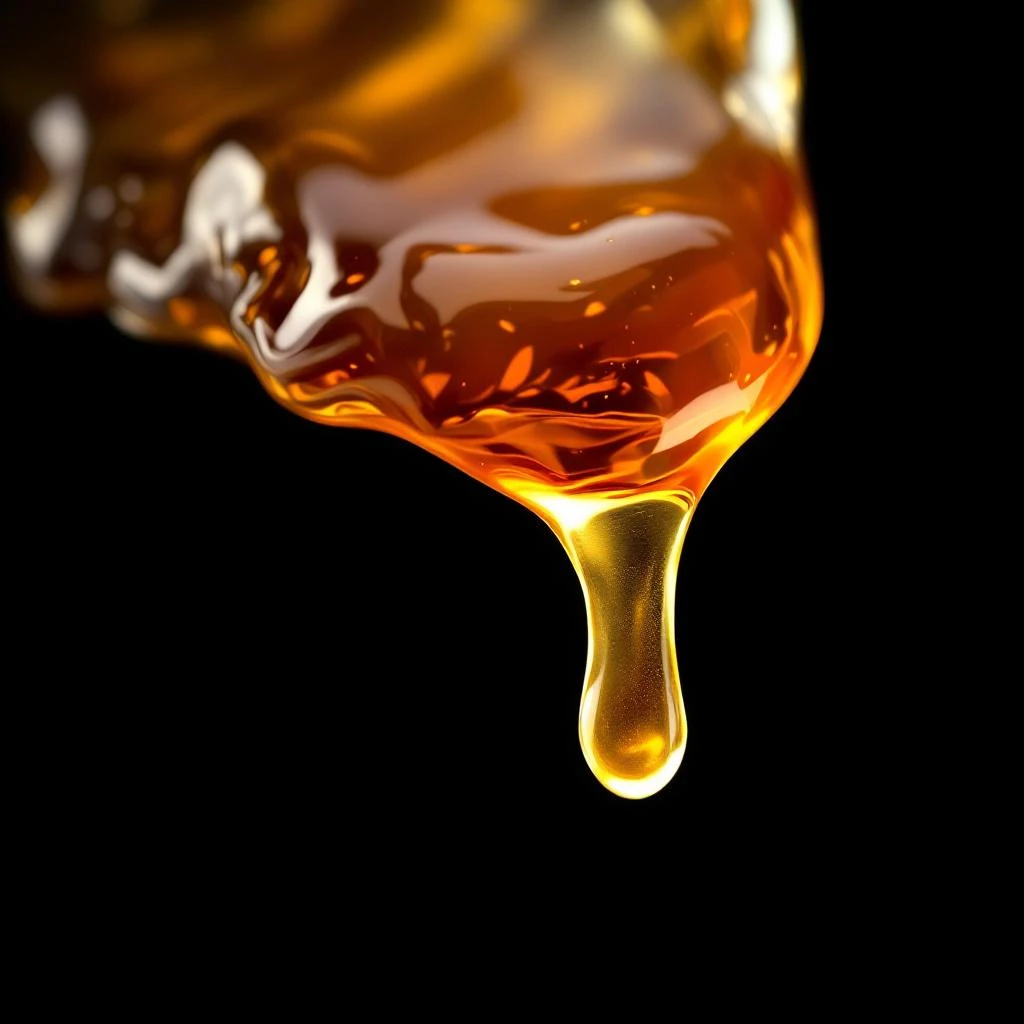
Buttered rum captures the warmth of Caribbean distilleries and colonial kitchens, blending fermented sweetness with creamy richness. Perfumers craft this indulgent accord from rum-derived aromatics and buttery ester compounds to evoke cozy, enveloping comfort.
Character
How it smells
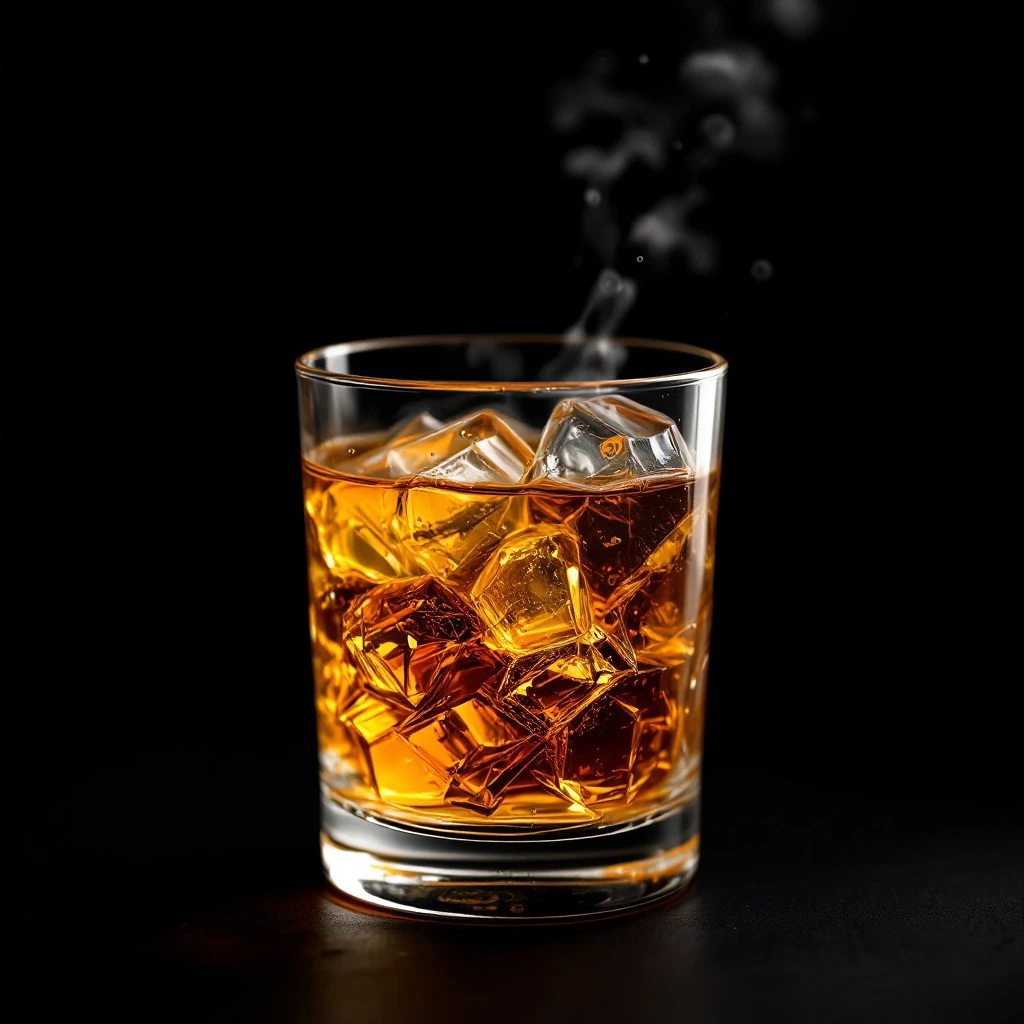
Warm Caribbean sweetness meets creamy indulgence.
The buttered rum drink originated in colonial New England, where colonists mixed Caribbean rum with butter and spices as a winter warmer.


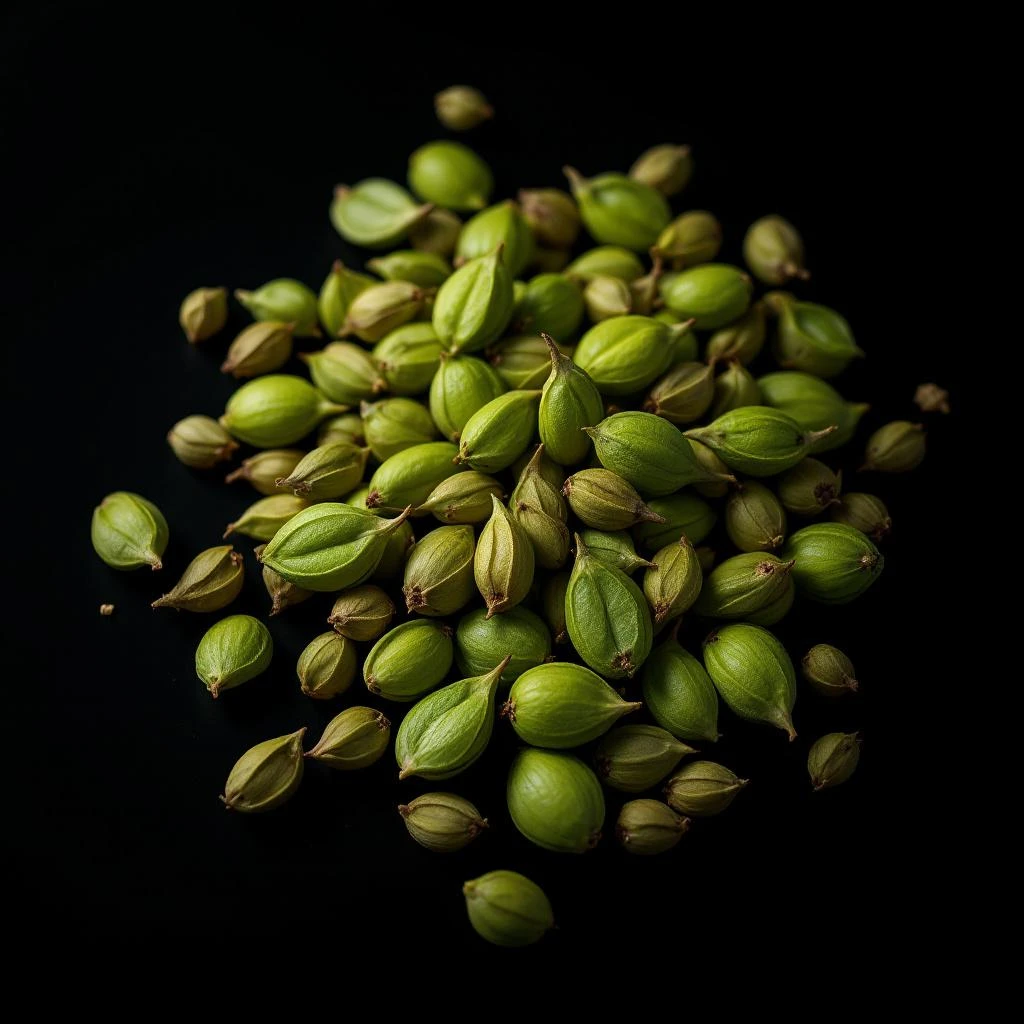
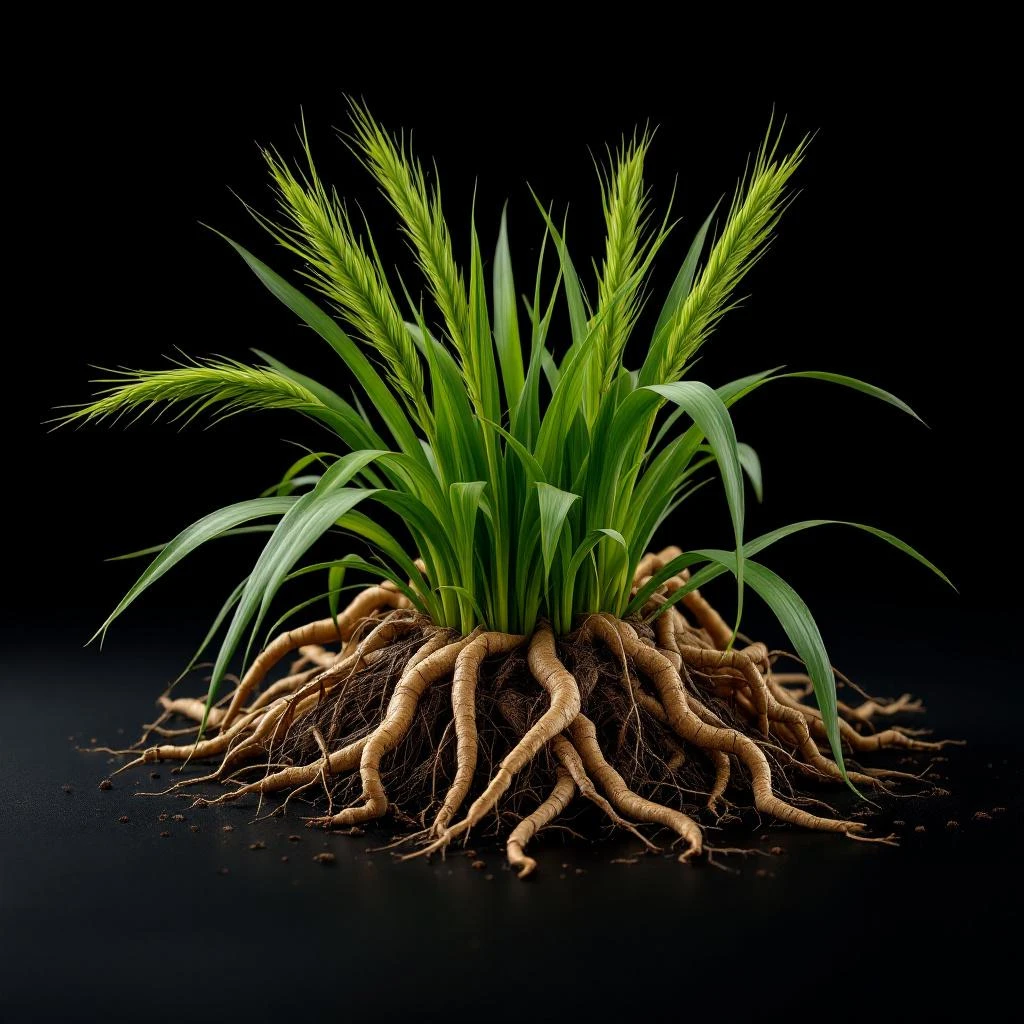
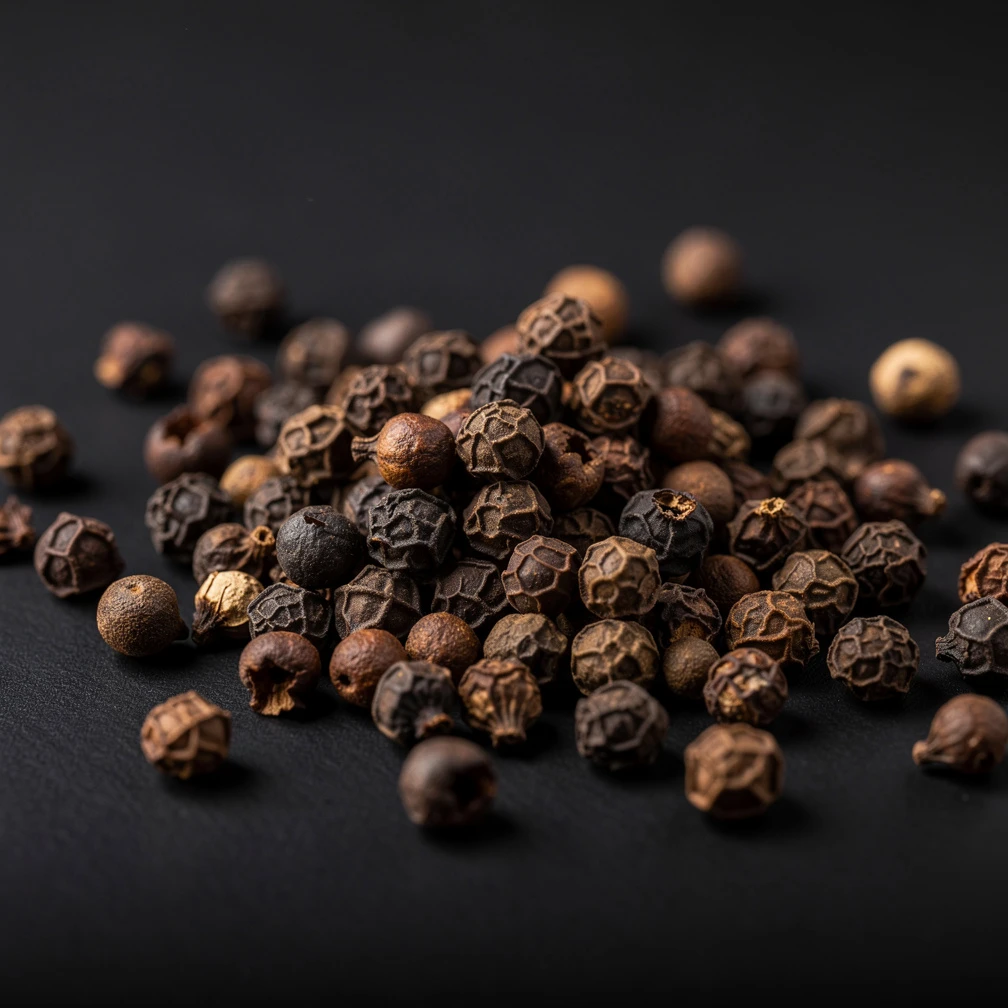

Origin
Barbados
The buttered rum fragrance note traces its roots to Caribbean rum traditions of the 17th century. When European colonists discovered rum production in Barbados, they prized it as a trading commodity. Colonial Americans transformed rum into buttered rum punch by the 1700s, heating spirits with butter, sugar, and spices as a cold-weather staple.
This warming drink culture inspired perfumers to translate the experience into scent. The 19th century brought modern perfumery's ability to isolate aromatic compounds, enabling the recreation of rum's complex fermentation profile alongside buttery richness. Contemporary fragrances featuring buttered rum notes often evoke nostalgia, comfort, and the sensory memory of warming winter drinks.
The note appears frequently in oriental and gourmand perfumery, where its warmth and sweetness support other ingredients.
Wears it best
Fragrances featuring Buttered Rum
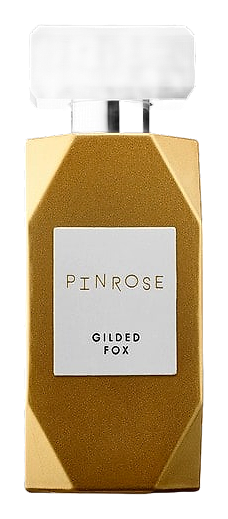

Brands
Brands known for Buttered Rum
Good to know
Questions, answered
The essentials on Buttered Rum in perfumery: how it smells, where it comes from, and how it behaves on skin.
What does buttered rum smell like in perfume?
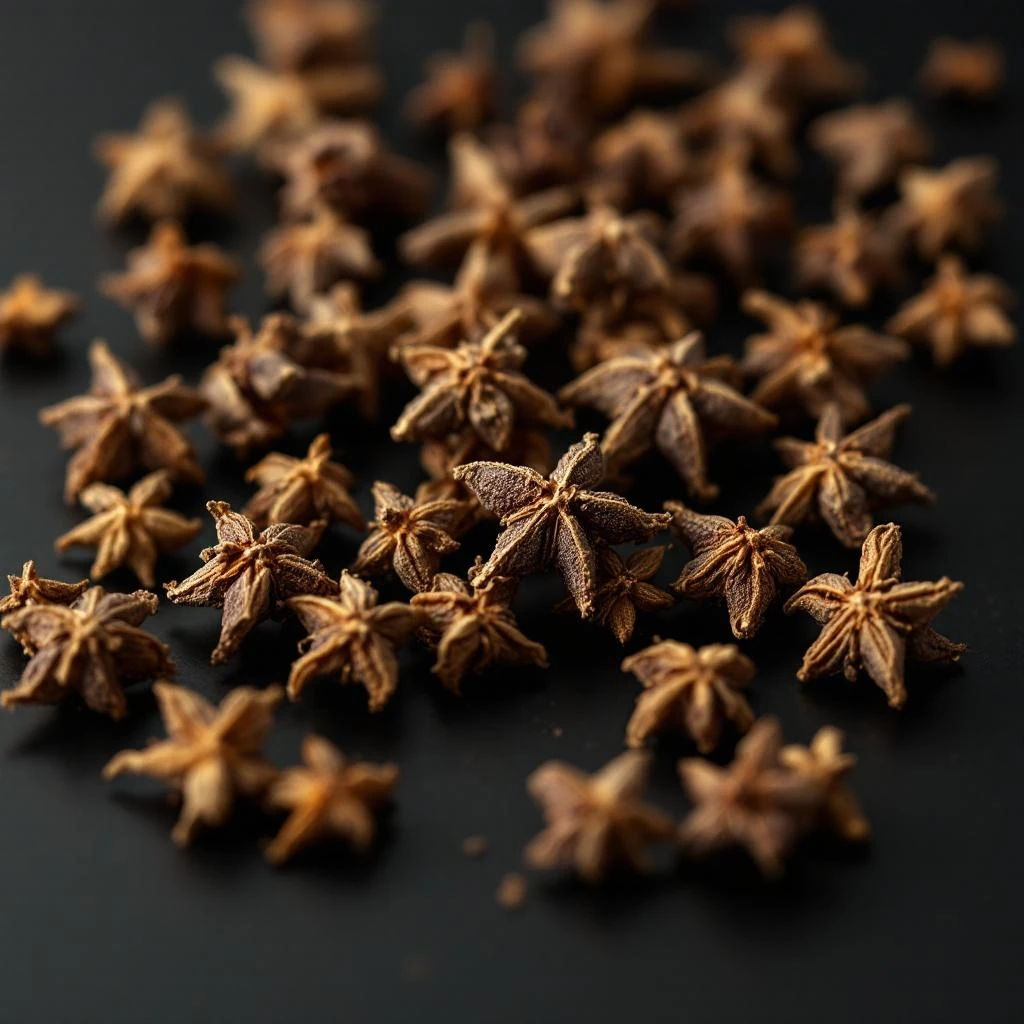
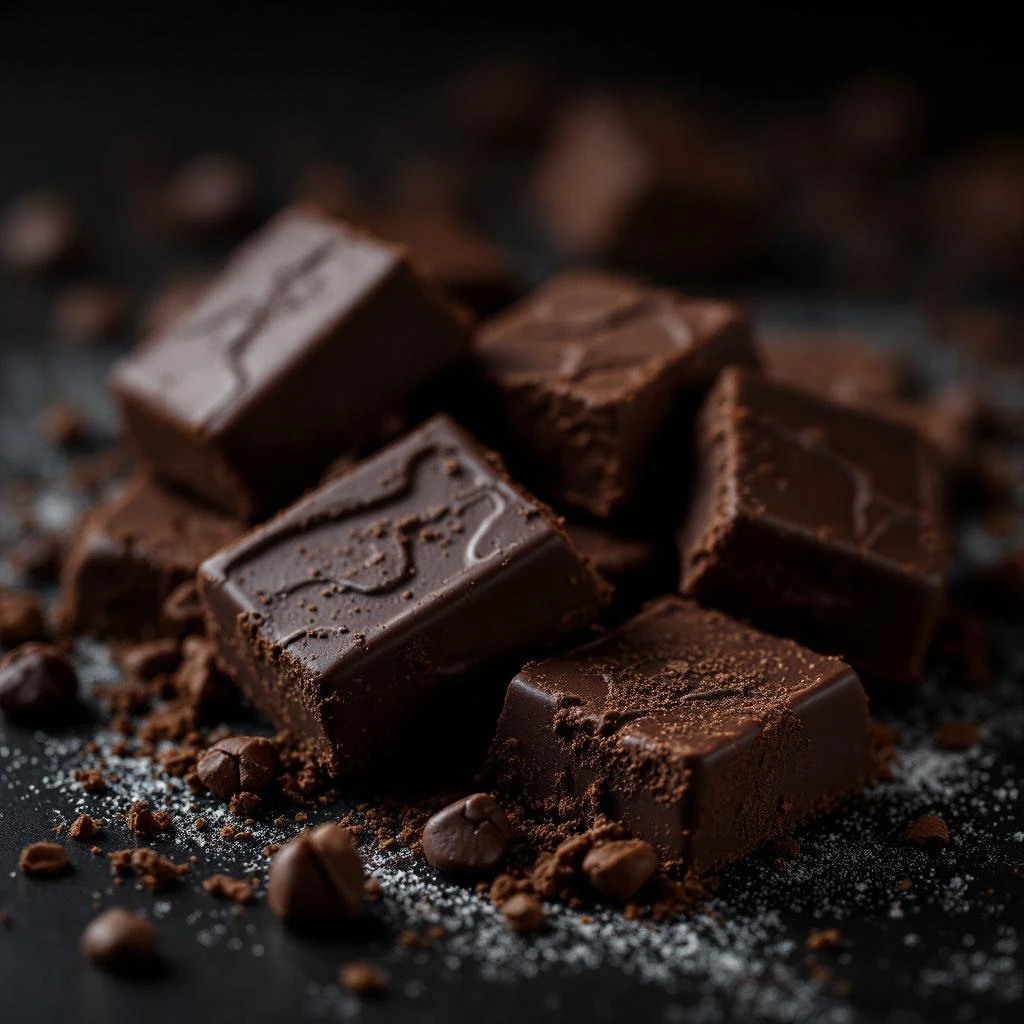
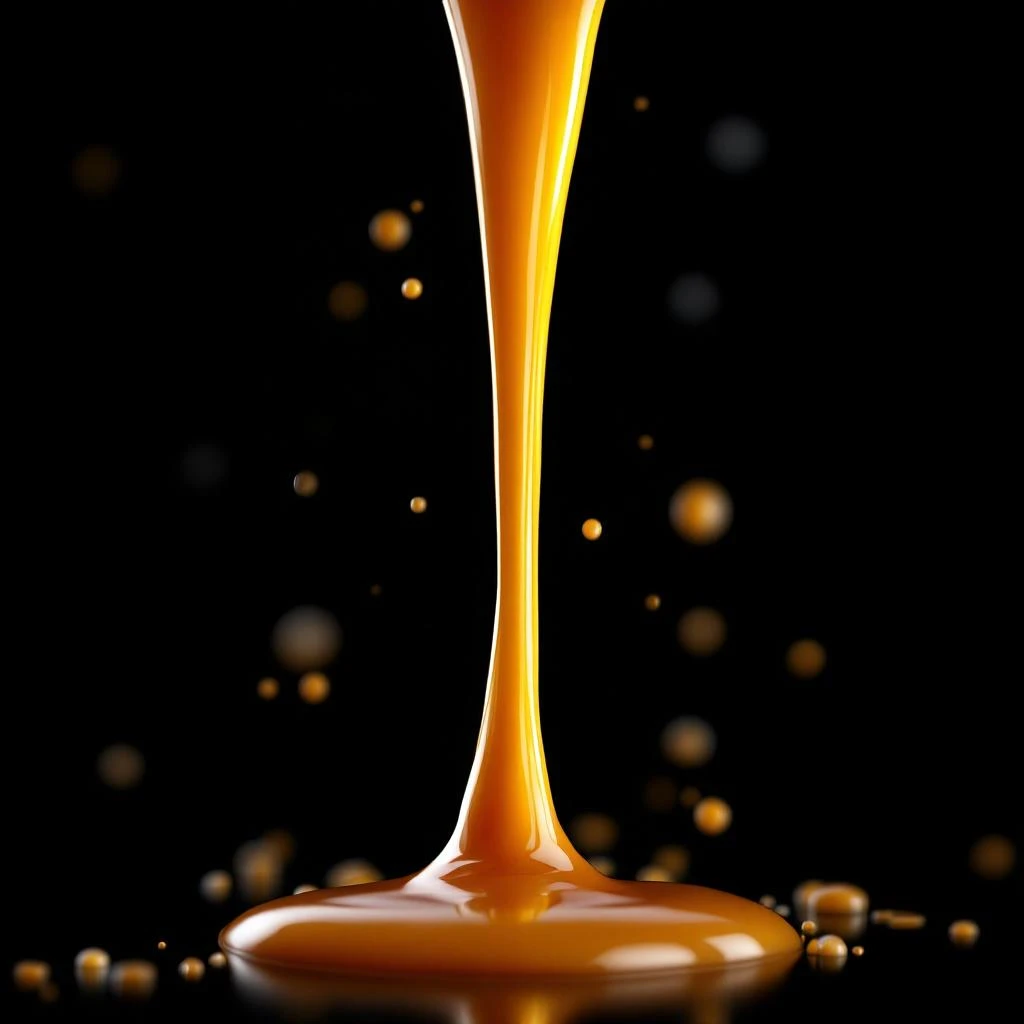
Buttered rum smells like warm, fermented sweetness with creamy, almost edible richness. Think dark brown sugar, caramel, vanilla, and a buttery mouthfeel rendered in scent form. It reads as cozy and gourmand, never sharp.
Is buttered rum a natural fragrance ingredient?
No. Buttered rum is an accord created by blending multiple aroma compounds. Natural rum absolute exists, but buttery notes come from synthetic or nature-identical molecules like diacetyl and vanillin.
What fragrances feature buttered rum notes?
Buttered rum appears in oriental and gourmand fragrances across many brands. It pairs well with vanilla, amber, spices, and woody base notes. Expect it most often in autumn and winter releases.
Does buttered rum smell like actual rum or butter?
It combines both. The rum component provides fermented sweetness and slight smokiness from barrel aging. The buttery component adds creamy, dairy-like richness. Neither dominates; they blend into something distinct.
When did buttered rum become a fragrance note?
The 19th century marked modern perfumery's ability to recreate food and drink scents synthetically. Buttered rum accords became common once aroma chemistry advanced enough to capture both rum complexity and dairy richness.
What scent family uses buttered rum?
Gourmand and oriental families frequently use buttered rum. It bridges these categories, offering sweetness with warmth and depth. It rarely appears in fresh, aquatic, or green fragrances.
How long does buttered rum last on skin?
As a base note component, buttered rum typically lasts 4 to 8 hours depending on concentration. Fragrance concentration (Eau de Parfum versus perfume oil) affects longevity significantly.
Can buttered rum be worn year-round?
It performs best in cooler seasons when its warmth feels appropriate. Summer wear can feel heavy. However, lighter applications work in air-conditioned spaces where the scent won't amplify in heat.