Burning Cherry
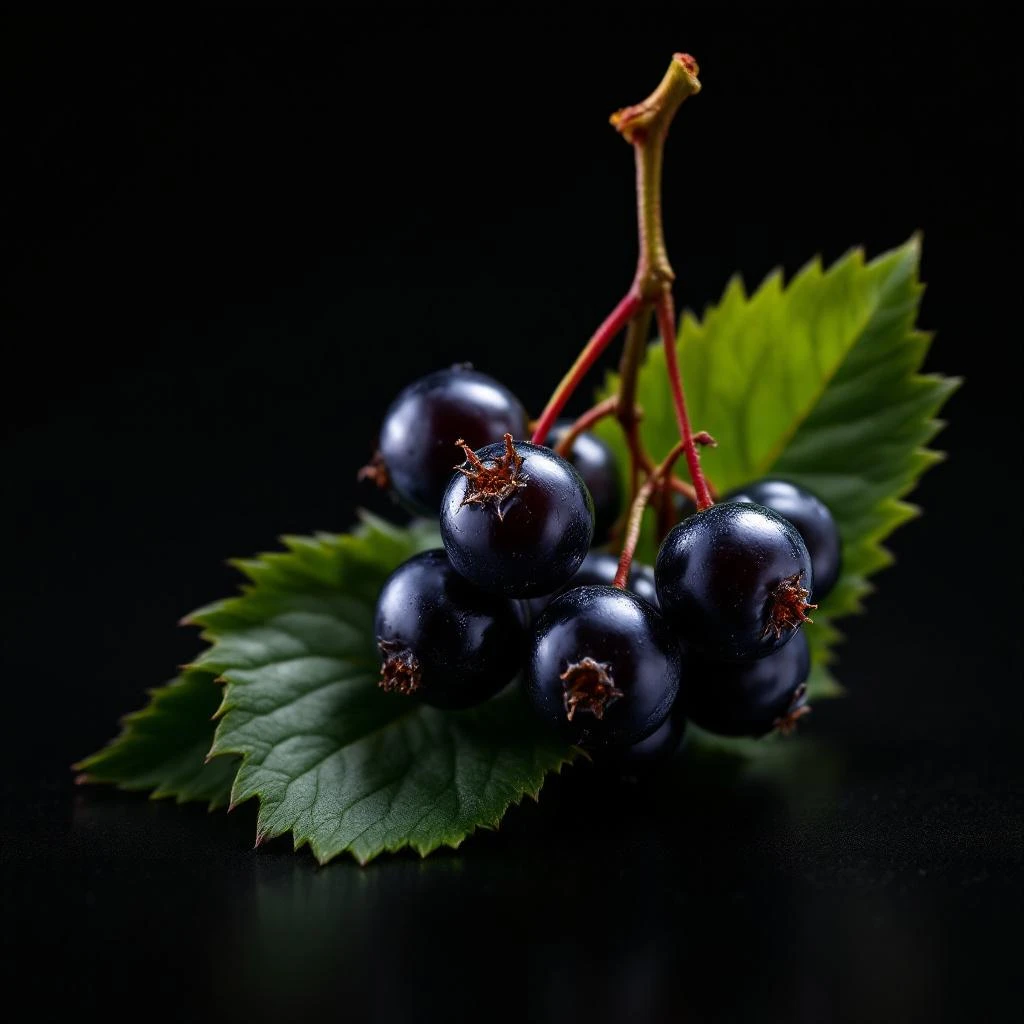
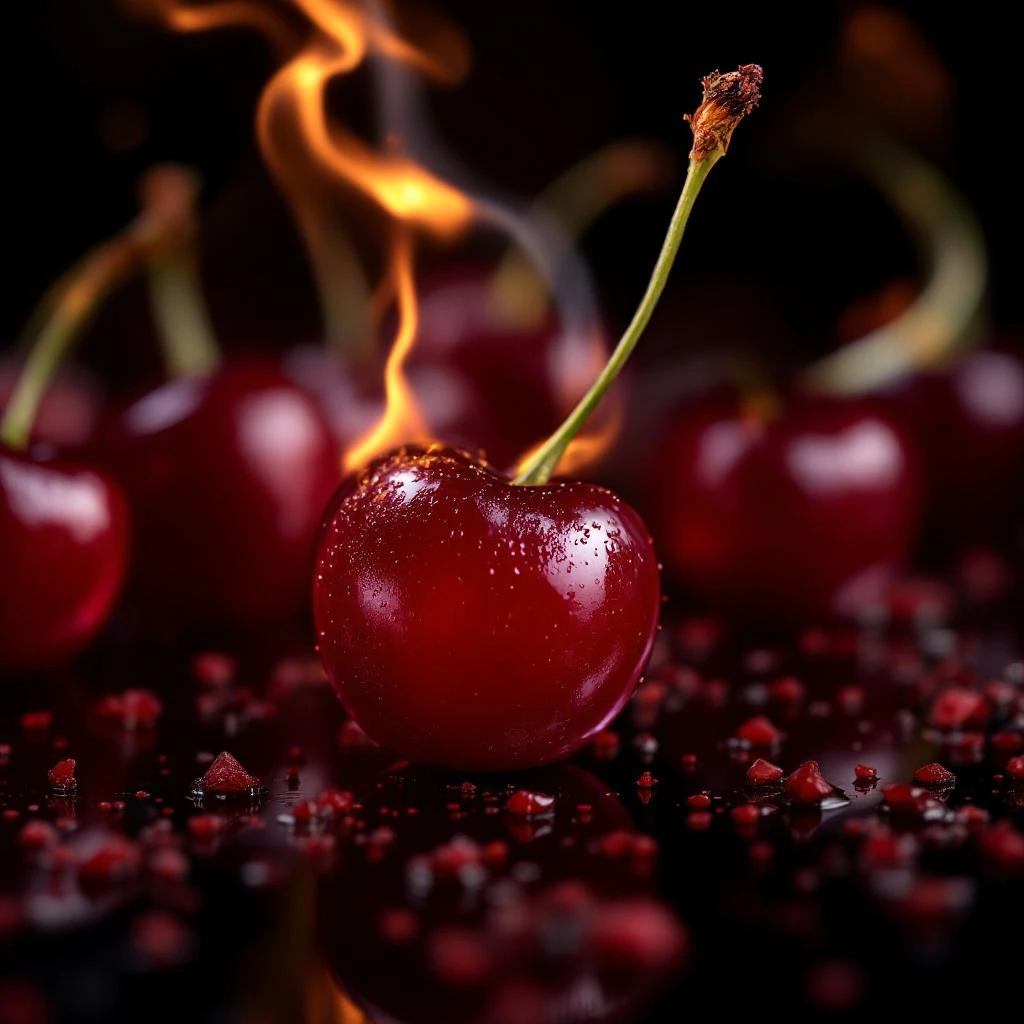
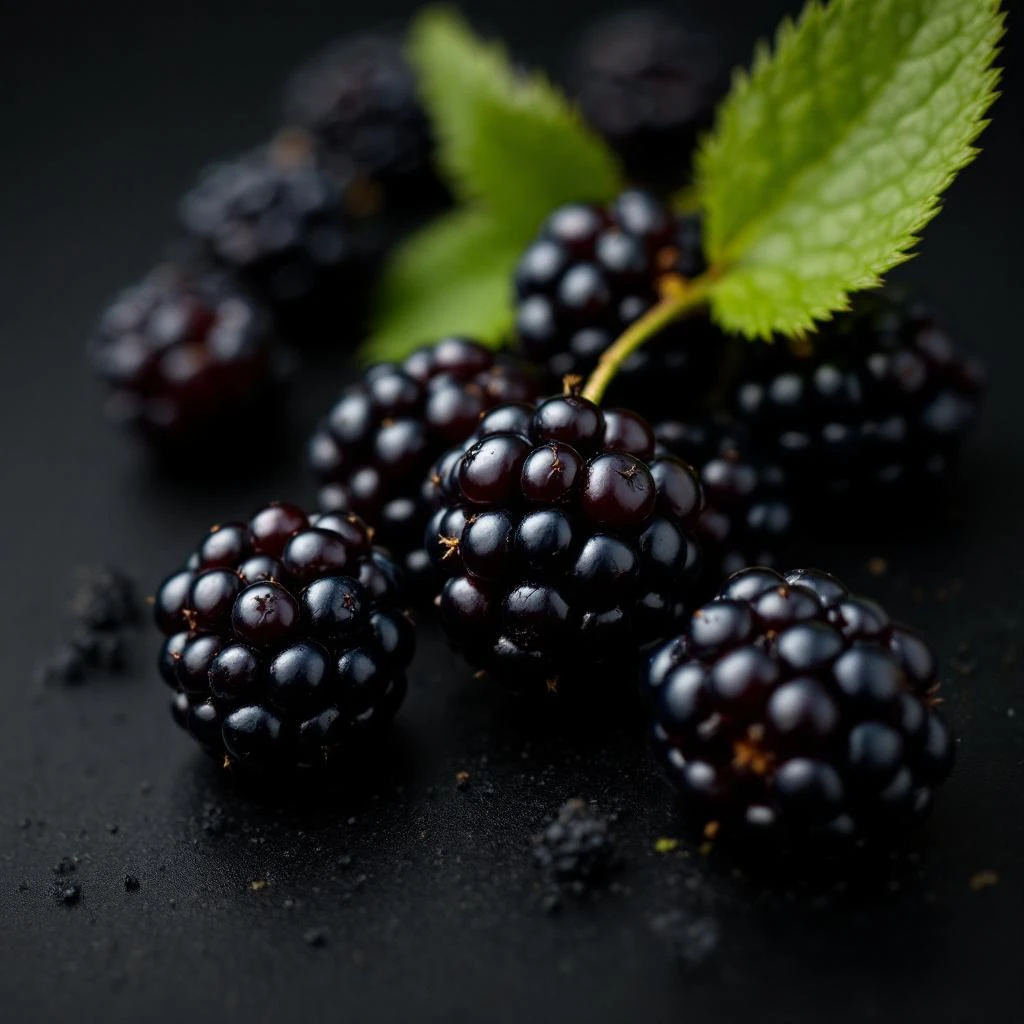
A smoky-dark accord that merges charred wood warmth with the sweet-tart depth of overripe cherries. Burning Cherry captures the moment when fruit meets flame—smoldering, intimate, and deeply addictive.
Character
How it smells
Where smoke kisses ripe cherry in smoldering harmony.
Cherry doesn't grow in perfumery—the fruit's fleeting scent is reconstructed using benzaldehyde and other aromachemicals to achieve its characteristic almond-tinged sweetness.


Origin
France
The concept of burning fragrant materials dates to Egyptian ceremonial practices around 4500 BCE, when priests burned cedarwood and aromatic resins during rituals. The Romans later developed perfumum—meaning 'through smoke'—as a term for these aromatic burning practices. However, cherry as a distinct perfumery note emerged much later, driven by advances in synthetic chemistry during the late 19th century.
The late 1870s saw the founding of companies like Haarmann & Reimer, which began producing the benzaldehyde and fruity esters that made cherry reconstruction possible. The 'burning' aspect became a deliberate creative choice in late-20th-century perfumery, when perfumers began combining smoky and fruity notes to create addictive, comfort-food-like fragrances that resonated with consumers seeking warmth and intimacy in their scents.
Wears it best
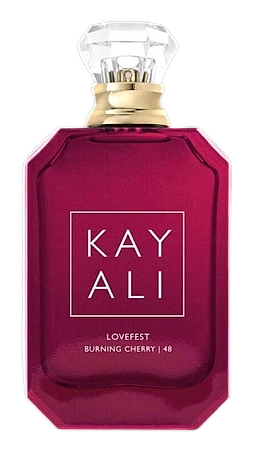
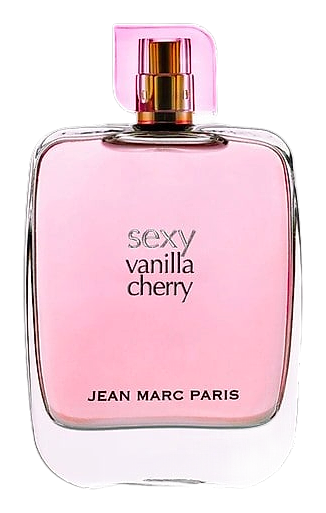
Fragrances featuring Burning Cherry
Brands
Brands known for Burning Cherry
Good to know
Questions, answered
The essentials on Burning Cherry in perfumery: how it smells, where it comes from, and how it behaves on skin.
What does Burning Cherry smell like?
Burning Cherry smells like charred wood with a sweet-tart cherry character. The smoke provides warmth and depth, while the cherry adds a fruity, slightly almond-tinged sweetness. The overall effect is intimate, cozy, and slightly pyromantic.
Is Burning Cherry made from real cherries?
No. Fresh cherries don't yield usable fragrance through extraction—their scent is too fleeting and different once processed. Perfumers reconstruct the cherry note using aromachemicals like benzaldehyde, which provides the characteristic almond-cherry character.
What gives Burning Cherry its smoky quality?
The smoky element comes from materials like guaiac wood oil, birch tar, or synthetic smoky molecules such as 2-methyl-3-furanthiol. These materials evoke the smell of burning wood or smoldering embers when combined with the cherry accord.
Which fragrances feature Burning Cherry as a prominent note?
Cherry and smoke combinations have appeared in fragrances across multiple houses, particularly in Gourmand and Woody-Fruity families. The exact composition varies by brand, as perfumers each balance the smoke-fruit ratio differently.
Is Burning Cherry a natural or synthetic ingredient?
Burning Cherry is a synthetic accord. Natural cherry extraction doesn't produce the expected odor in perfumery, so perfumers reconstruct this note using aromatic chemicals and smoke-derived materials.
What family does Burning Cherry belong to?
Burning Cherry typically falls within the Gourmand or Woody fragrance families, depending on what supporting notes accompany it. The smoke element places it in a crossover space between cozy Gourmand and atmospheric Woody categories.
How does Burning Cherry perform in fragrance compositions?
Burning Cherry works as both a heart and base note, providing warmth and emotional resonance. It pairs well with vanilla, amber, incense, and other woody materials. The smoky character helps the note linger longer on skin.
What is the origin of smoke notes in perfumery?
Smoke notes trace to ancient Egyptian and Roman practices of burning aromatic resins and woods in religious ceremonies. The Latin term 'perfumum' literally means 'through smoke,' reflecting this historical roots of aromatic burning.