Buckwheat
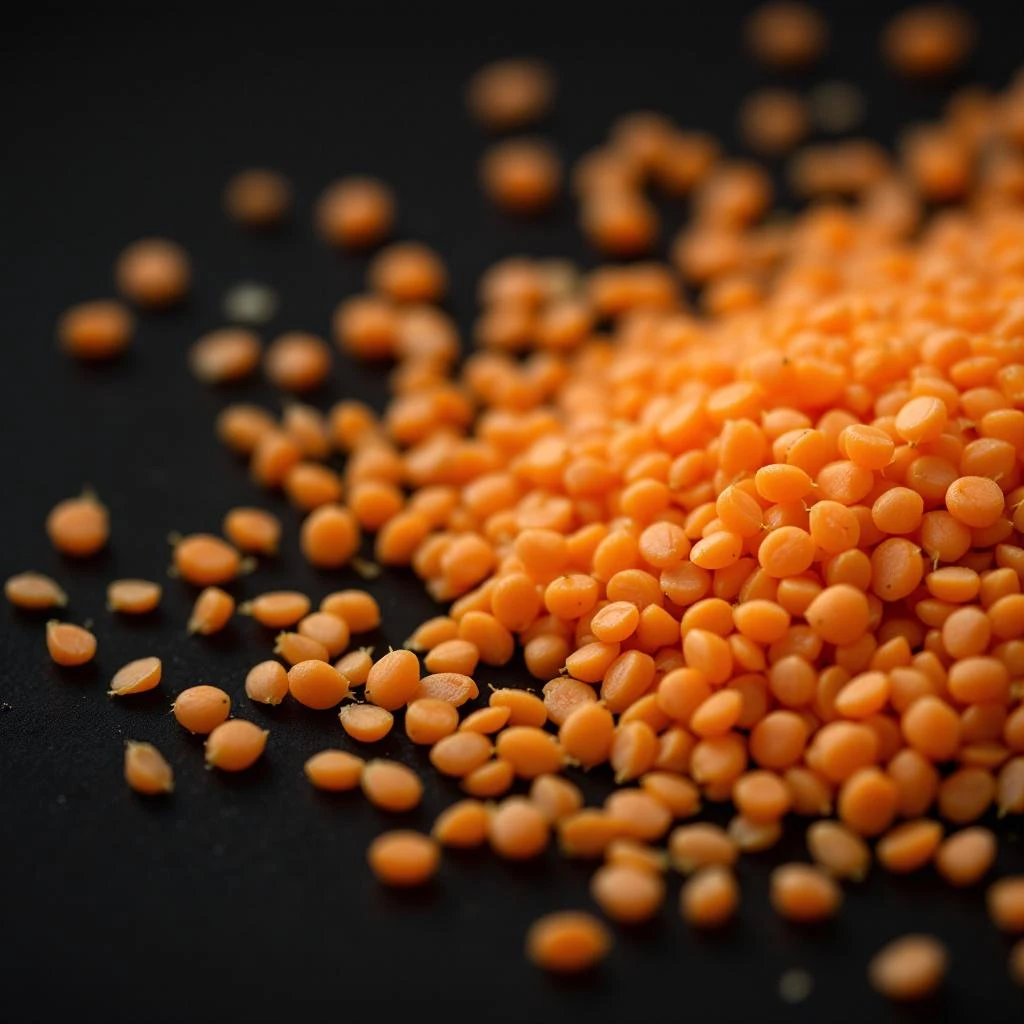
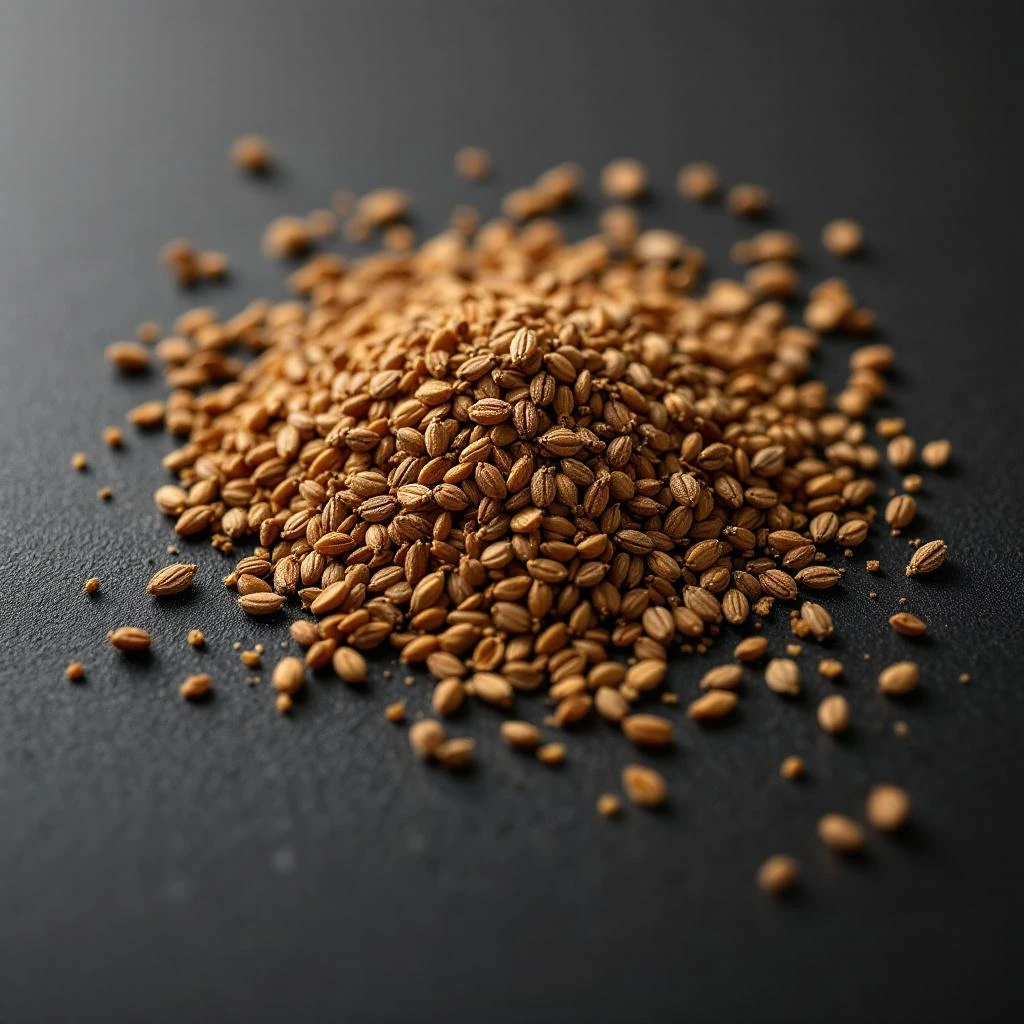
Buckwheat brings a grounding, earthy presence to perfumery. Its extract offers warm, nutty depth reminiscent of toasted grain and wild honey, adding substance to base compositions where a natural,Psyche-anchoring effect is desired.
Character
How it smells
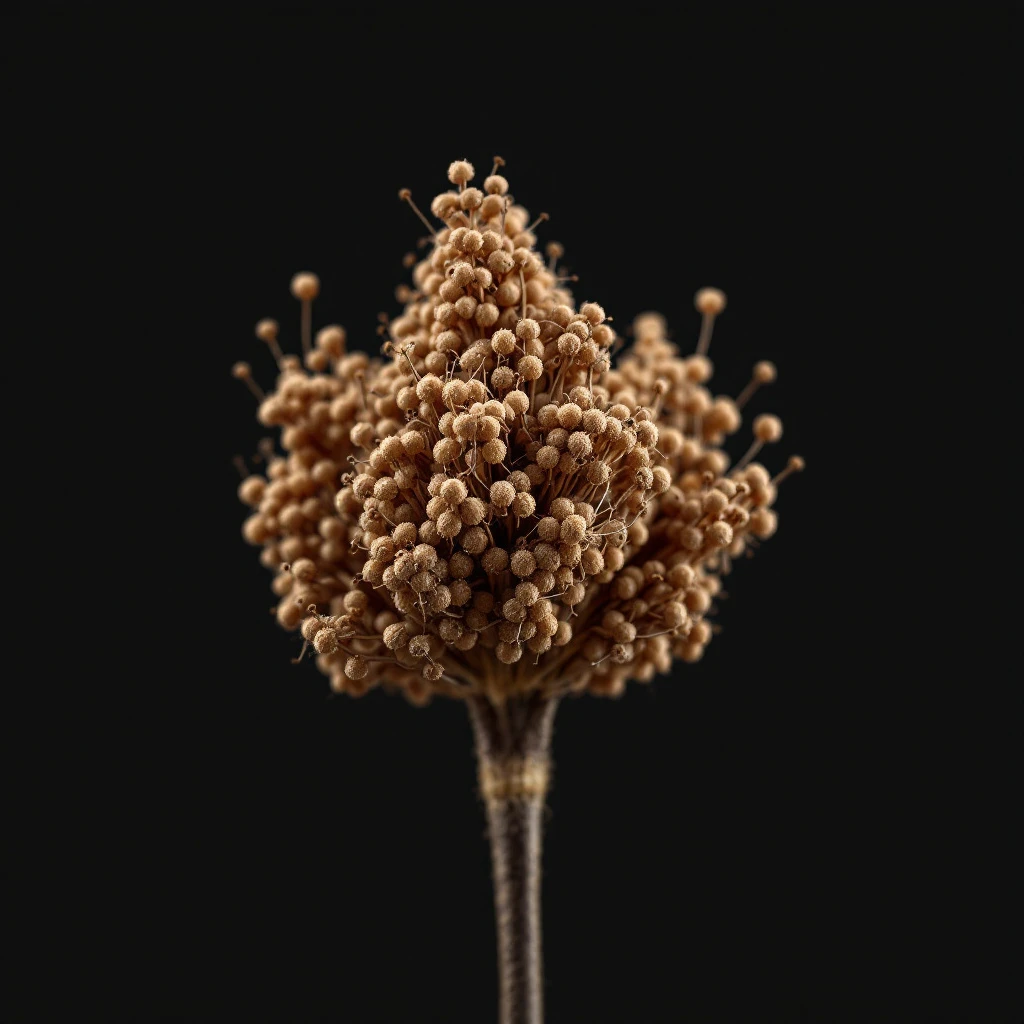
Earthy grain with wild honey warmth.
Buckwheat honey is so aromatic and bold that it inspired an entire honey category, prized by beekeepers and food enthusiasts alike.


Origin
Russia
Buckwheat traces its roots to Central Asia, where it has been cultivated for over 5,000 years before spreading to Europe and beyond via trade routes. Ancient Chinese and Japanese cultures embraced buckwheat as a staple grain long before its spread westward. Unlike typical grains, buckwheat belongs to the Polygonaceae family, making it suitable for those with wheat sensitivities.
Its journey into perfumery reflects the broader trend of exploring unconventional botanical sources for natural fragrance materials. While buckwheat has no grand historical chapter in perfumery, its inclusion in modern natural formulations reflects growing interest in grain-inspired, terroir-driven scents that evoke honest, earthy sensuality rather than glamorous abstraction.
Wears it best
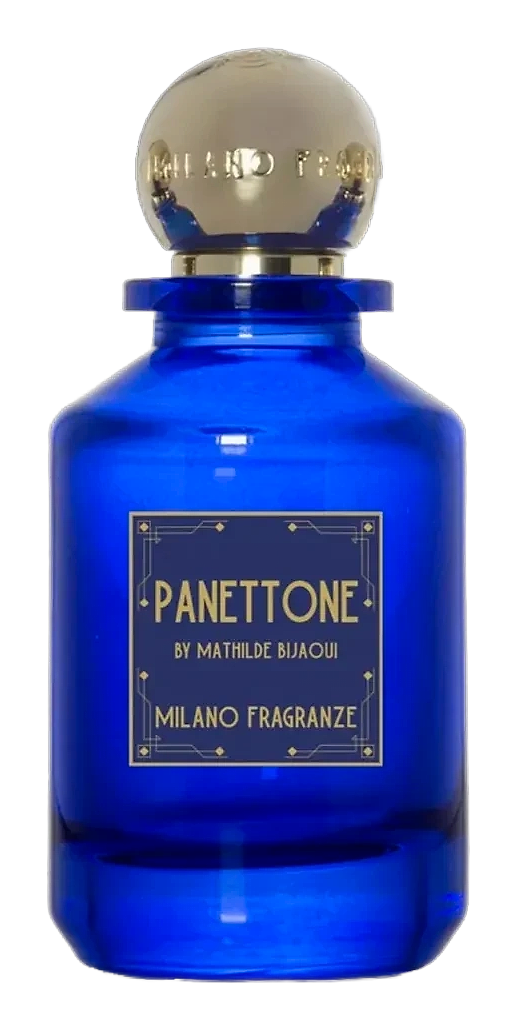
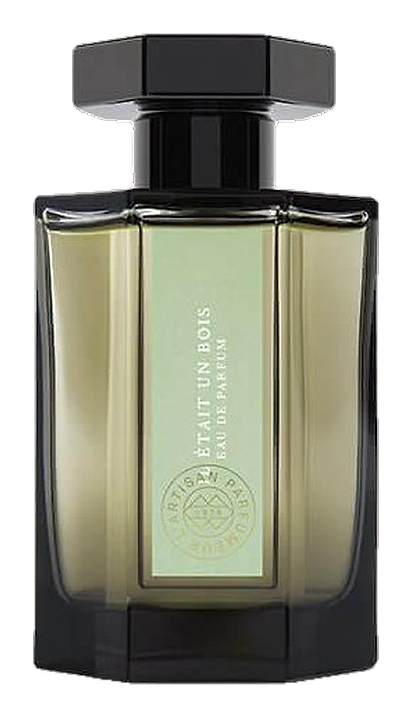
Fragrances featuring Buckwheat
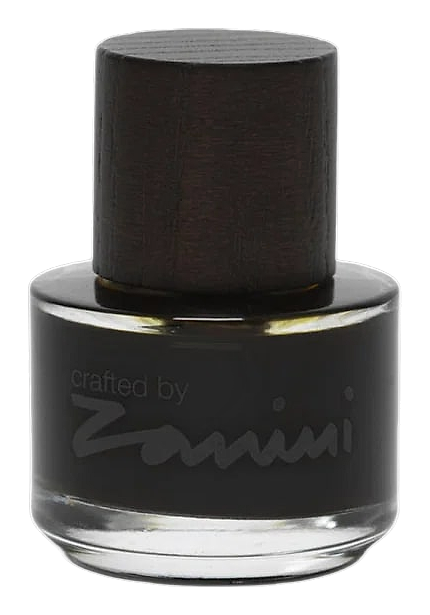

Brands
Brands known for Buckwheat
Good to know
Questions, answered
The essentials on Buckwheat in perfumery: how it smells, where it comes from, and how it behaves on skin.
What does buckwheat smell like in fragrance?
Buckwheat extract carries an earthy, nutty aroma with warm grain and subtle honey undertones. It adds depth and authenticity to base notes in natural perfumery.
Is buckwheat a common perfumery ingredient?
Buckwheat remains a niche material in perfumery. It appears mainly in artisanal and natural fragrance lines rather than mainstream commercial perfumes.
Is buckwheat related to wheat?
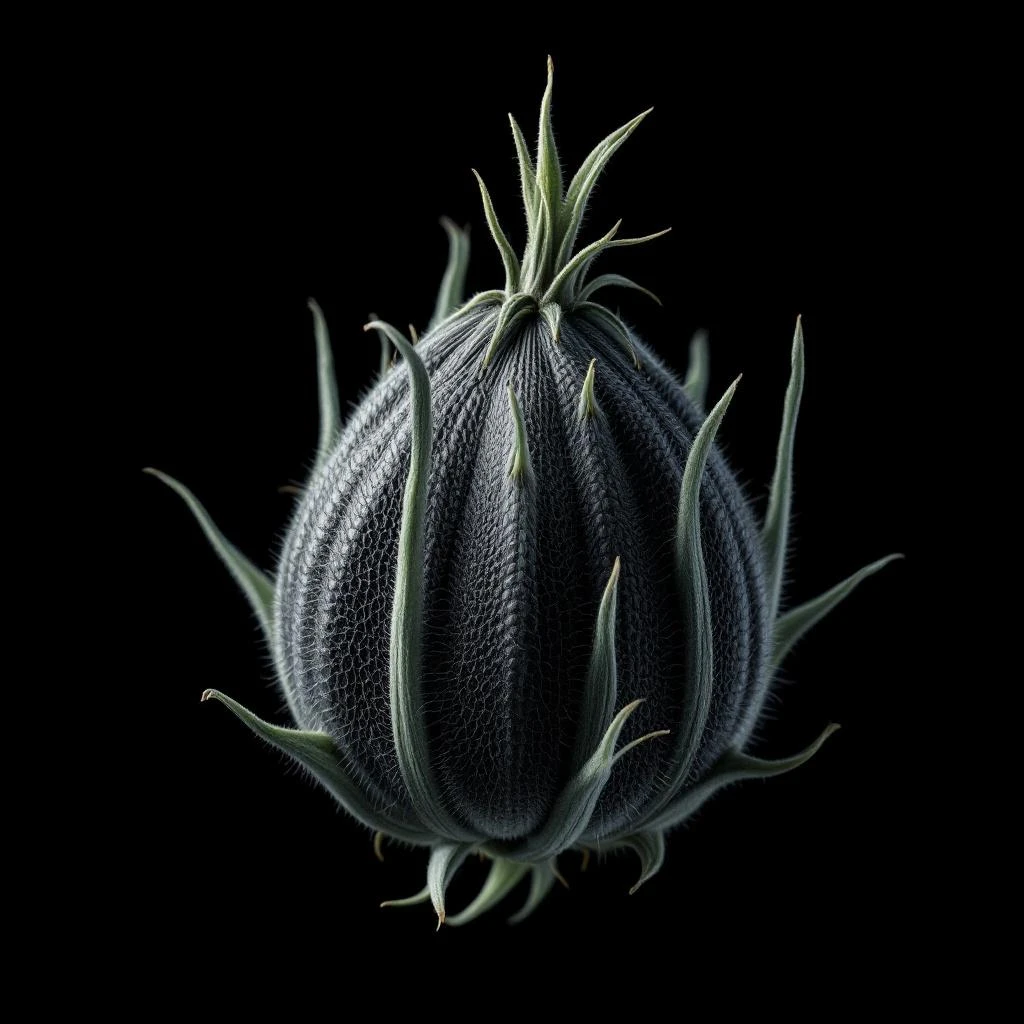
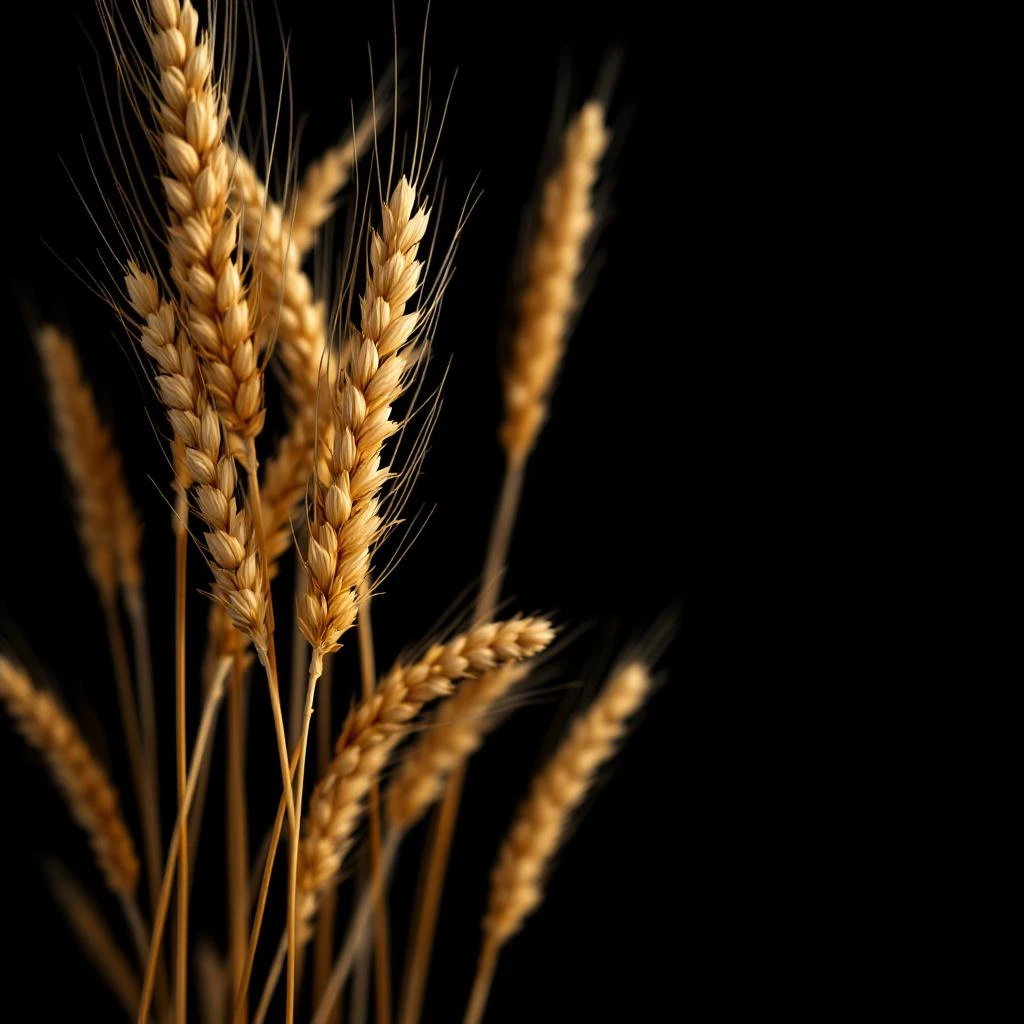
No. Buckwheat belongs to the Polygonaceae family, not the grass family that includes wheat, barley, and oats. It is technically a fruit seed.
What honey type captures buckwheat's scent?
Buckwheat honey offers the most accessible aromatic reference. It features dark, robust notes of malt, molasses, and earthiness that closely mirror the raw material's profile.
Which fragrance families typically use buckwheat?
Buckwheat suits earthy, gourmand, and chypre compositions. Perfumers employ it to anchor grain-inspired themes and add natural warmth to woody or spicy constructions.
What part of the buckwheat plant is used for extraction?
The mature seeds contain the aromatic compounds extracted for perfumery use. The seeds develop their characteristic scent as they ripen in late summer.
Does buckwheat have allergens in perfumery?
Buckwheat contains proteins that can trigger reactions in sensitized individuals. Those with buckwheat allergies should exercise caution with products containing the raw material.
Where is buckwheat primarily grown for fragrance use?
Russia, China, and parts of Europe remain the primary cultivating regions. Russia alone accounts for significant global production of this crop.