British Pear
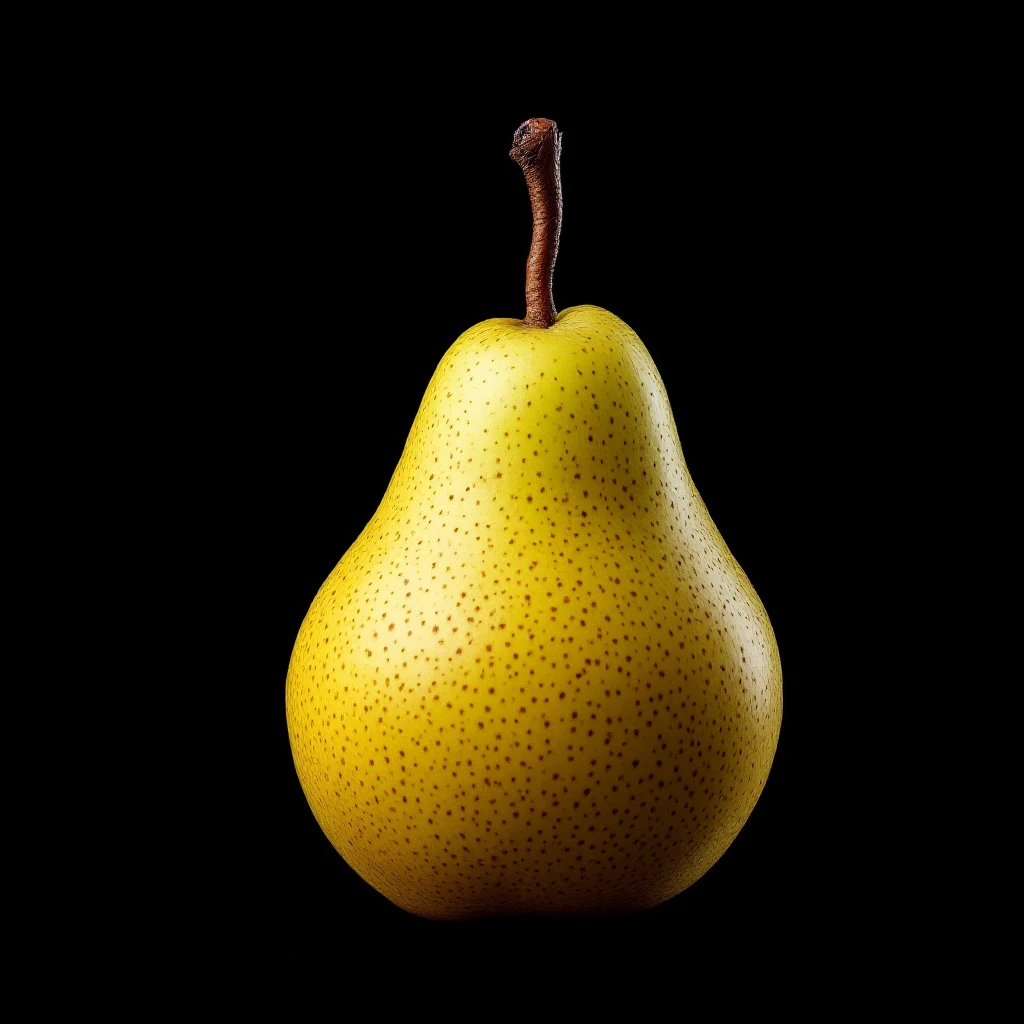
Crisp, juicy, and impossibly fresh. British Pear captures the fleeting sweetness of orchard-ripened fruit, lending a dewy green-fruital lift to modern compositions.
Character
How it smells
Orchard-fresh, dew-kissed, quietly modern
True pear scent does not exist in the fruit itself. The aromatic esters only develop after harvest, triggered by the fruit's respiration.
Pairs beautifully with




Origin
United Kingdom
Pears have been cultivated in Britain since Roman times, with the Worcester, Williams, and Conference varieties shaping the orchard landscape for centuries. Yet pear as a perfumery note is remarkably recent. It entered mainstream fragrance in the late 20th century, when advances in ester chemistry allowed chemists to replicate the fruit's fleeting aroma with startling accuracy.
Before that, perfumers could only suggest pear through abstract fruity musks, never the fruit itself. The note gained wider recognition through light, youthful fragrances that favored transparency and freshness over the heavy orientals of earlier decades. British Pear specifically evokes a sense of place: cool climate, damp grass, and just-picked fruit.
It remains a note tied more to mood and geography than to centuries of perfumery tradition, a newcomer with ancient orchard roots.
Wears it best
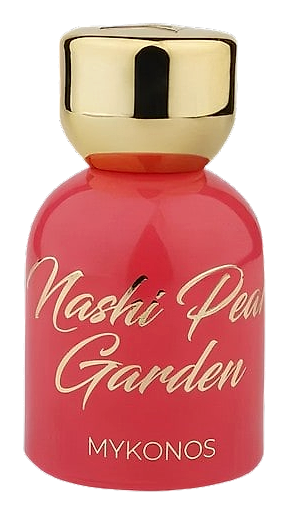
Fragrances featuring British Pear
Brands
Brands known for British Pear
Good to know
Questions, answered
The essentials on British Pear in perfumery: how it smells, where it comes from, and how it behaves on skin.
What does British Pear smell like in perfume?
British Pear smells crisp, sweet, and lightly green, like biting into a ripe Conference pear straight from the tree. The note carries subtle floral undertones and a dewy, almost watery freshness. It reads as cool and natural rather than syrupy or candied.
Is British Pear a natural or synthetic fragrance ingredient?
Most British Pear notes in modern perfumery are synthetic or nature-identical. Pear fruit cannot be effectively steam distilled, so perfumers reconstruct the scent using specific esters like ethyl decadienoate. Some natural fruit extracts from upcycled pear surplus also appear in fine formulations.
When did pear become popular in perfumery?
Pear became prominent in perfumery during the late 20th century, following advances in ester chemistry that enabled realistic reproduction. Before this, fruity pear notes were difficult to achieve. The rise of light, transparent fragrances in the 1990s and 2000s cemented pear's place in modern scent design.
Why can't pear be distilled like other fruits?
Pear cannot be effectively steam distilled because its high water content and delicate esters break down under heat. The aromatic compounds evaporate too quickly and degrade, losing the fruit's characteristic scent. This is why perfumers rely on synthetic reconstruction or specialized extraction techniques.
What fragrance families feature British Pear?
British Pear appears most often in fruity floral and fresh gourmand compositions. It pairs naturally with green notes, white florals, and soft musks. The ingredient also features in modern unisex fragrances seeking a clean, orchard-inspired opening with a youthful character.
Is British Pear the same as Williams pear?
Not exactly. Williams (or Bartlett) is a specific pear variety with a rich, buttery sweetness. British Pear in perfumery is a broader concept evoking cool-climate orchard pears, often Conference or Comice varieties, with a crisper, greener profile suited to fragrance compositions.
Does pear scent exist naturally in the fruit?
Surprisingly, no. The characteristic pear aroma esters only develop after the fruit is picked, triggered by enzymatic activity during ripening. This makes pear uniquely challenging to capture, as the scent is essentially a post-harvest phenomenon rather than a property of the living fruit.
Which perfumes are known for their British Pear note?
Jo Malone London's English Pear and Freesia collection is one of the most recognized examples, popularizing the note in mainstream perfumery. The composition typically layers pear with white florals and soft woods, creating a dewy, garden-inspired signature widely associated with the British countryside.





