Brazilian Clove Bark
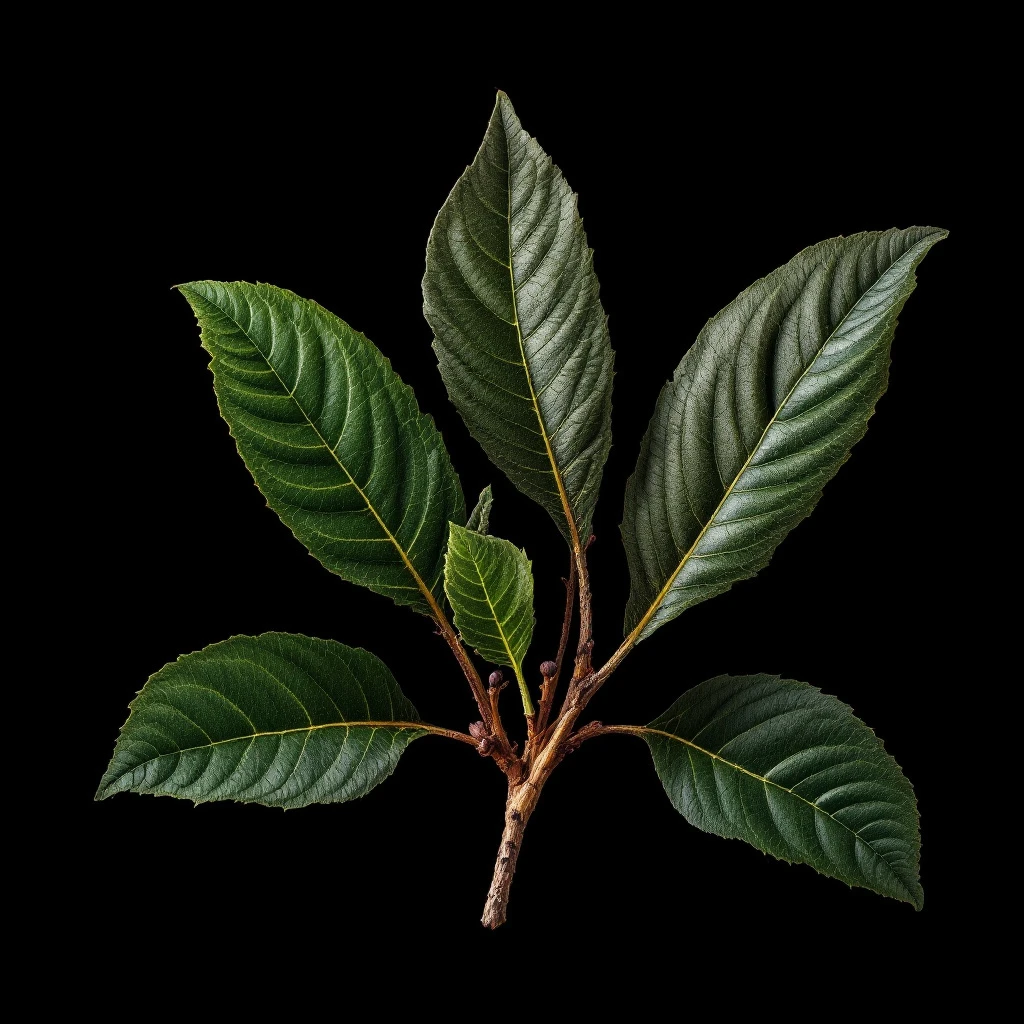
Brazilian clove bark delivers a sharper, smokier spice than its famous flower-bud cousin. Distilled from the trunk bark of Ocotea cymbarum, a tree native to the Amazon basin, it brings rugged warmth and almost medicinal edge to fine fragrance compositions.
Character
How it smells
Smoldering spice drawn straight from Amazon heartwood.
Most "clove" in perfumery comes from dried flower buds harvested by hand. Brazilian clove bark is unusual because the prized aromatic oil lives inside the tree trunk itself, a trait shared with only a handful of perfume ingredients.





Origin
Brazil
The spice trade shaped global history long before bottled perfume existed, and clove held a place at its center. Portuguese traders carried the first clove shipments out of the Moluccas, the small Indonesian archipelago known for centuries as the Spice Islands, where the dried flower bud of Syzygium aromaticum became worth more than gold by weight. European perfumers adopted clove bud oil early, recognizing its intense warmth and eugenol-rich chemistry.
Brazilian clove bark tells a parallel story on a different continent. Indigenous and caboclo communities in the Amazon long used Ocotea cymbarum bark for ritual incense and folk medicine, a tradition documented in Brazilian ethnobotany for generations. Commercial distillation took hold in the early twentieth century when Brazilian producers began exporting the oil as a more affordable cousin to Indonesian clove.
By midcentury, perfumers in Grasse valued the bark oil for its rougher, more leathery character that bud oil could not replicate. The ingredient now anchors woody and oriental compositions, a quiet survivor of the Amazonian canopy reaching perfumer's organ.
Wears it best
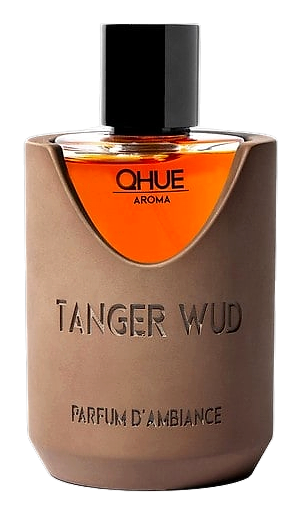
Fragrances featuring Brazilian Clove Bark
Brands
Brands known for Brazilian Clove Bark
Good to know
Questions, answered
The essentials on Brazilian Clove Bark in perfumery: how it smells, where it comes from, and how it behaves on skin.
What does Brazilian clove bark smell like in perfume?
Brazilian clove bark smells sharper and smokier than clove bud, with a woody, almost medicinal warmth. It carries strong eugenol brightness paired with a leathery undertone that grounds spicy compositions.
How is Brazilian clove bark different from regular clove?
Regular clove oil comes from dried flower buds of Syzygium aromaticum and smells cleaner and sweeter. Brazilian clove bark comes from Ocotea cymbarum trunk wood and offers a darker, more resinous, smoky character.
Is Brazilian clove bark natural or synthetic?
Brazilian clove bark is a natural essential oil produced through steam distillation of the tree's bark and heartwood. Its main aromatic compound is eugenol, the same molecule that defines bud clove.
Where does Brazilian clove bark come from?
Brazilian clove bark comes from Ocotea cymbarum trees harvested throughout the Amazon basin, primarily in Amazonas and Pará states. Most commercial distillation occurs at small facilities near river trading posts.
Is Brazilian clove bark safe to use in fragrance?
Yes, when used at standard perfumery dilutions. The oil contains safrole and methyleugenol at trace levels, so the International Fragrance Association sets maximum usage thresholds to keep finished products within safe limits.
What perfume types feature Brazilian clove bark?
Brazilian clove bark anchors woody, oriental, and leather accords. It commonly appears in masculine fragrances, holiday spice blends, and masculine chypres where a heavier clove character suits the composition.
How long does Brazilian clove bark last on skin?
Brazilian clove bark registers as a base note and typically persists 6 to 8 hours on skin. Its high eugenol content slows evaporation, giving spicy fragrances a longer drydown than lighter citrus or floral ingredients.
Can Brazilian clove bark replace clove bud oil in a formula?
It can substitute in some compositions, but the smell shifts noticeably. Replace roughly 70 percent of bud clove with bark clove to keep the spice level intact while adjusting for the woodier, smokier undertone.