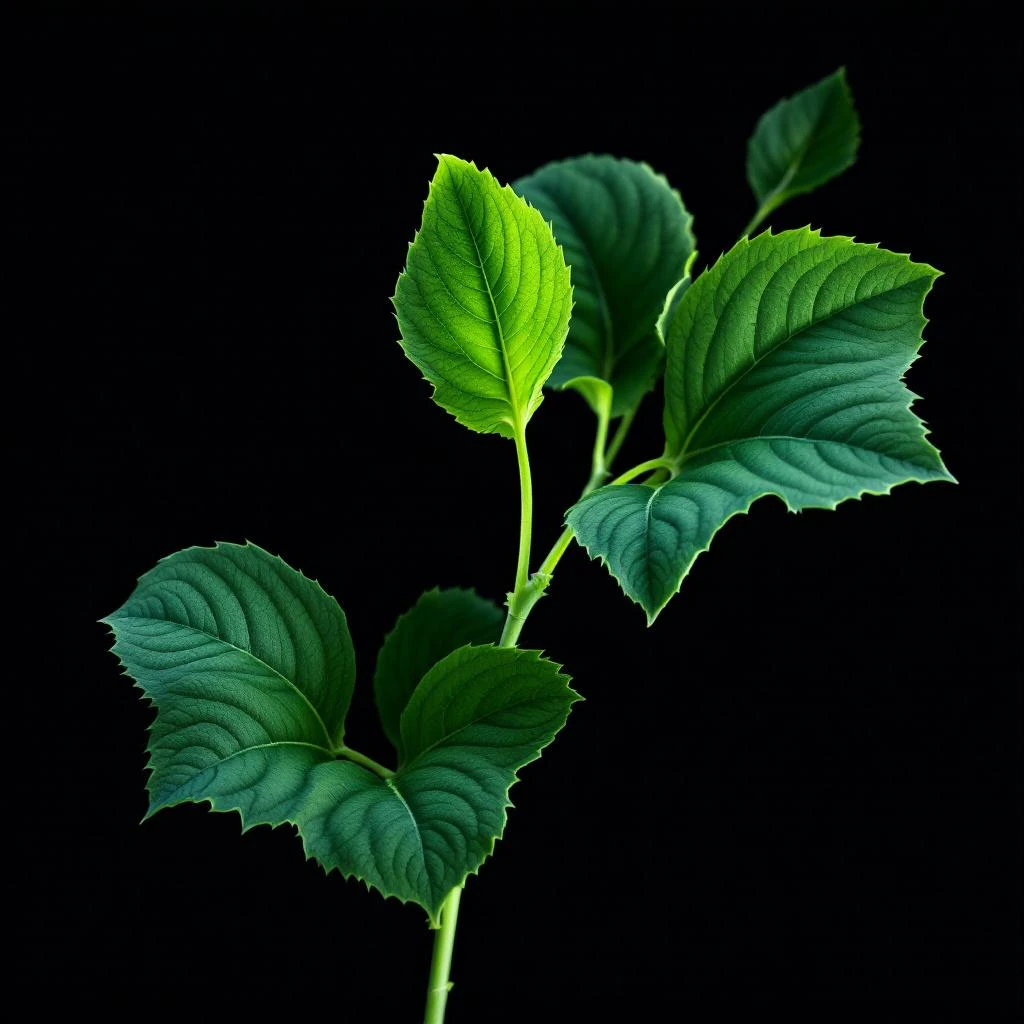
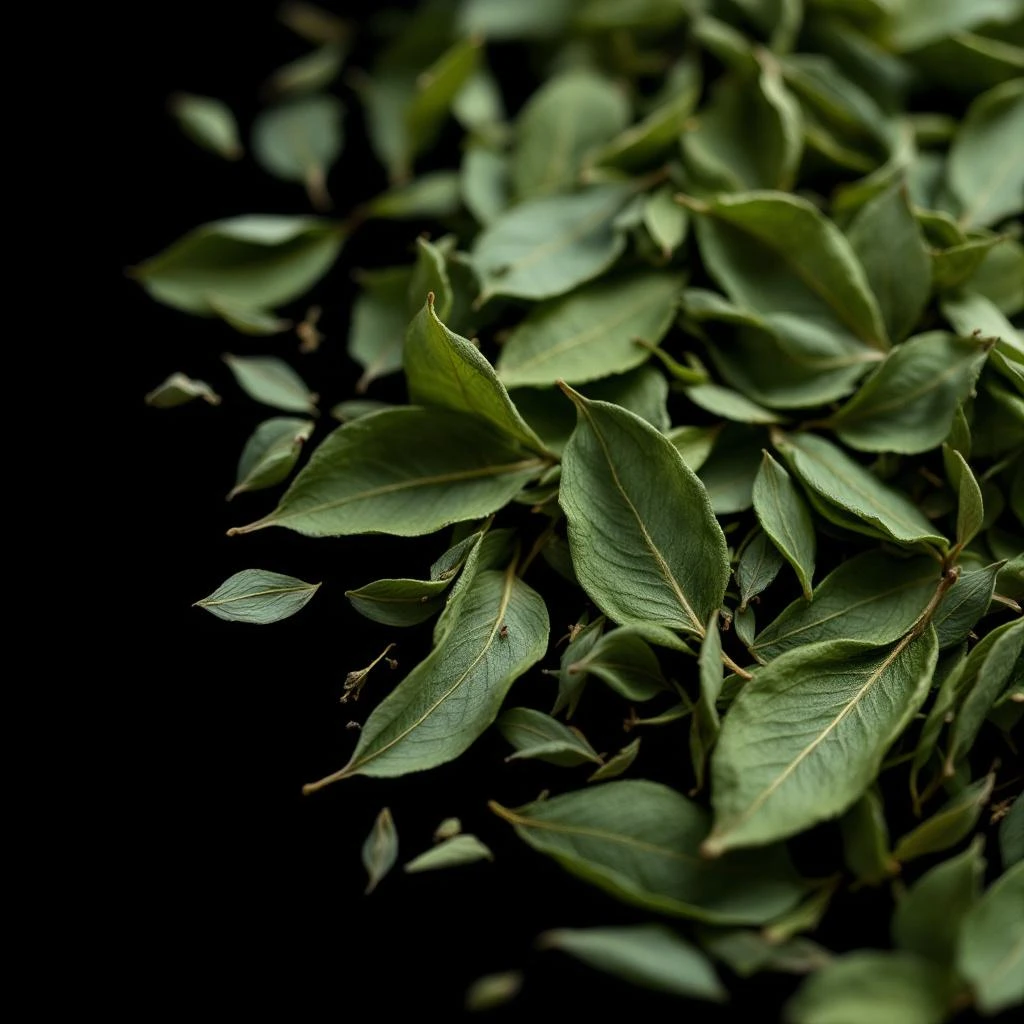
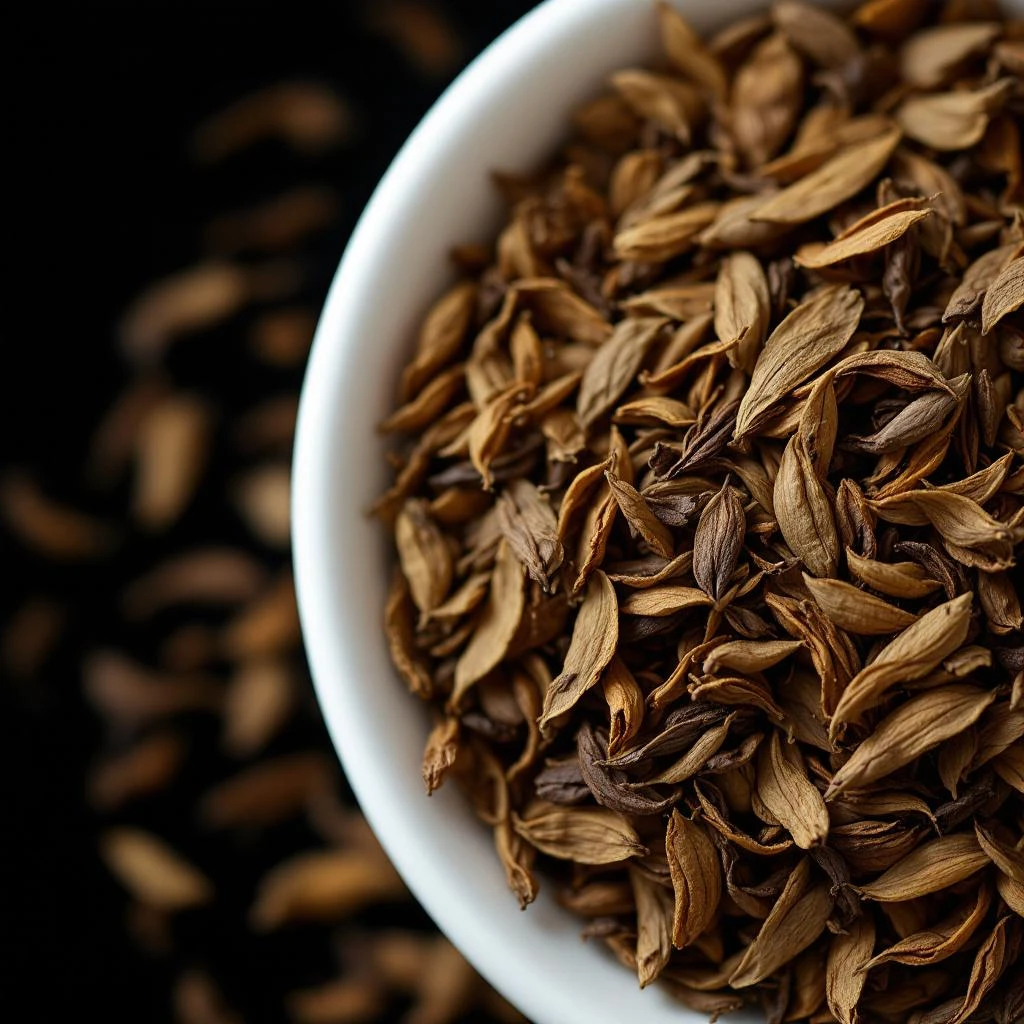
Boxwood Leaf
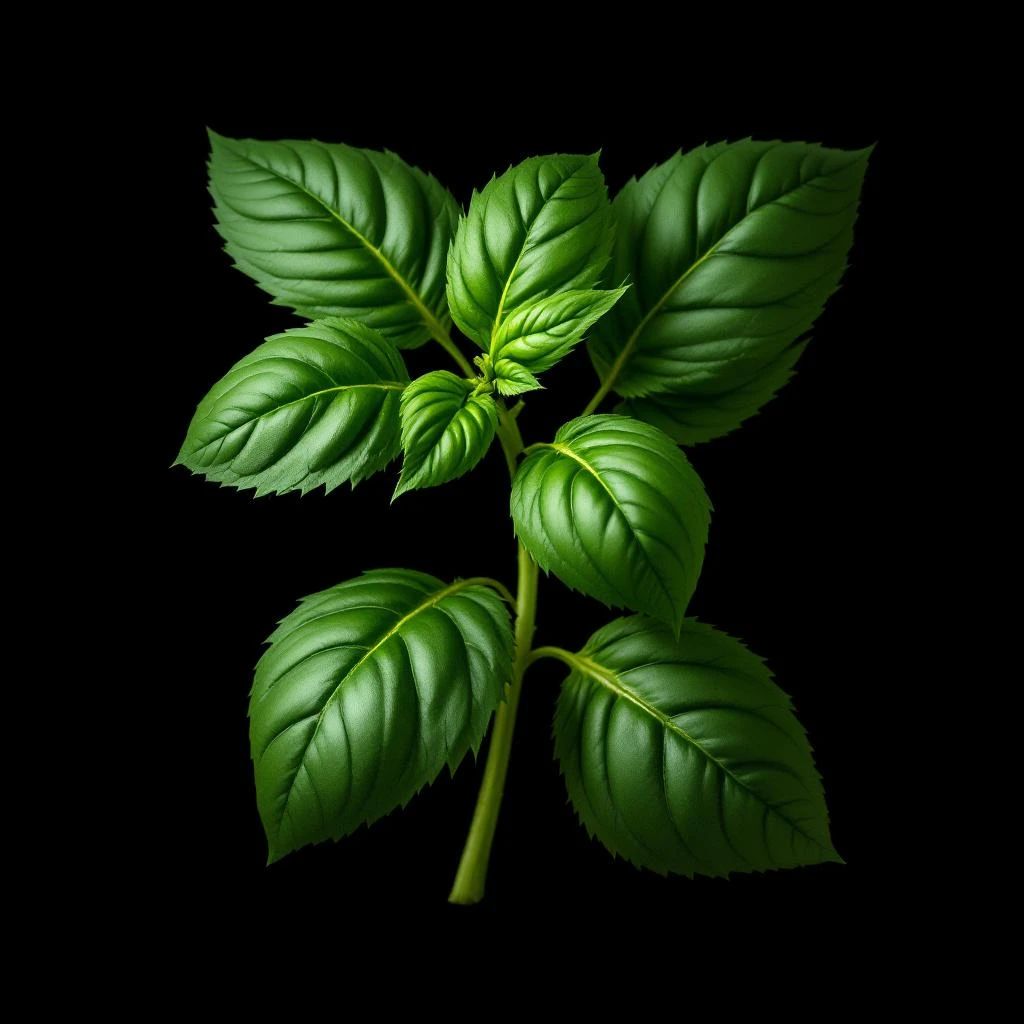
A rare aromatic that captures the crisp, green essence of formal European gardens, boxwood leaf brings an intensely verdant and subtly bitter quality rarely found in perfumery.
Character
How it smells
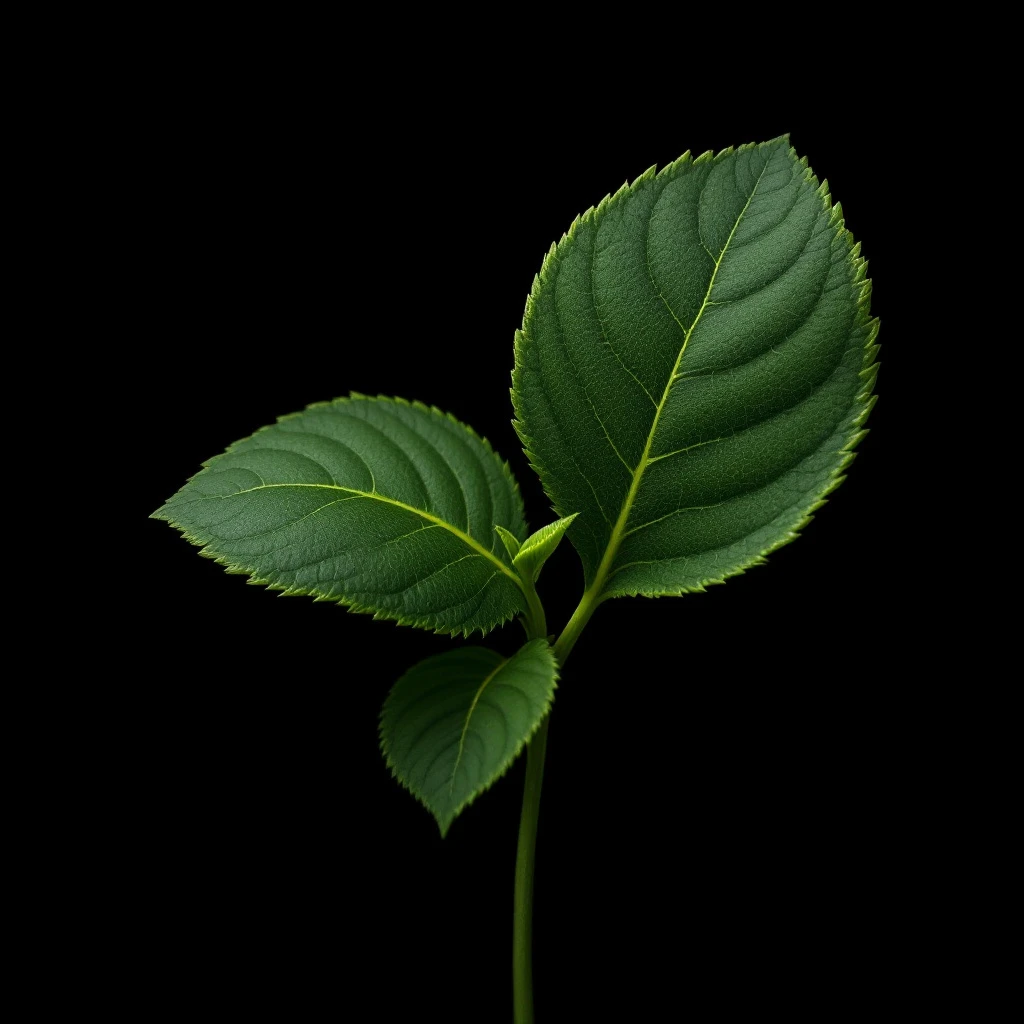
The green soul of European hedgerows.
Boxwood hedges at Versailles shaped not only garden design but inspired perfumers to capture their verdant essence.





Origin
France
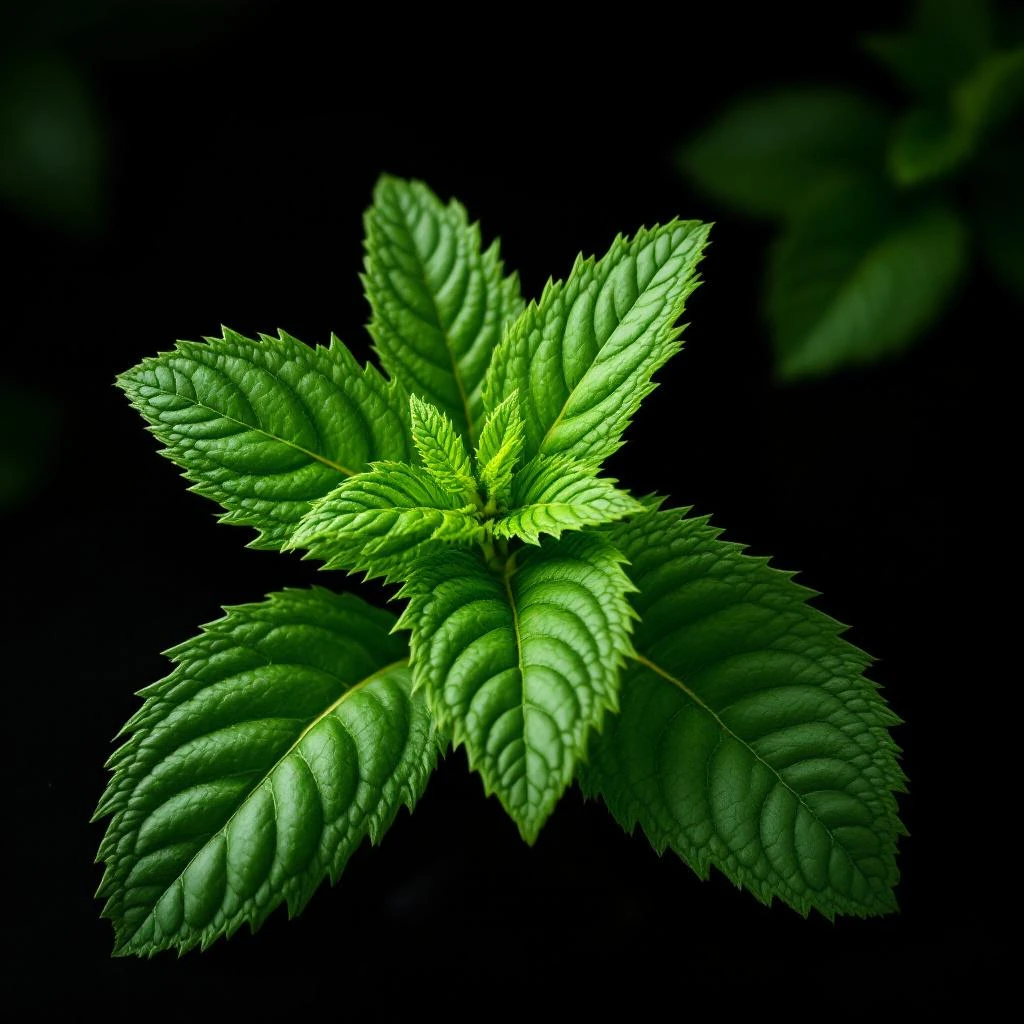
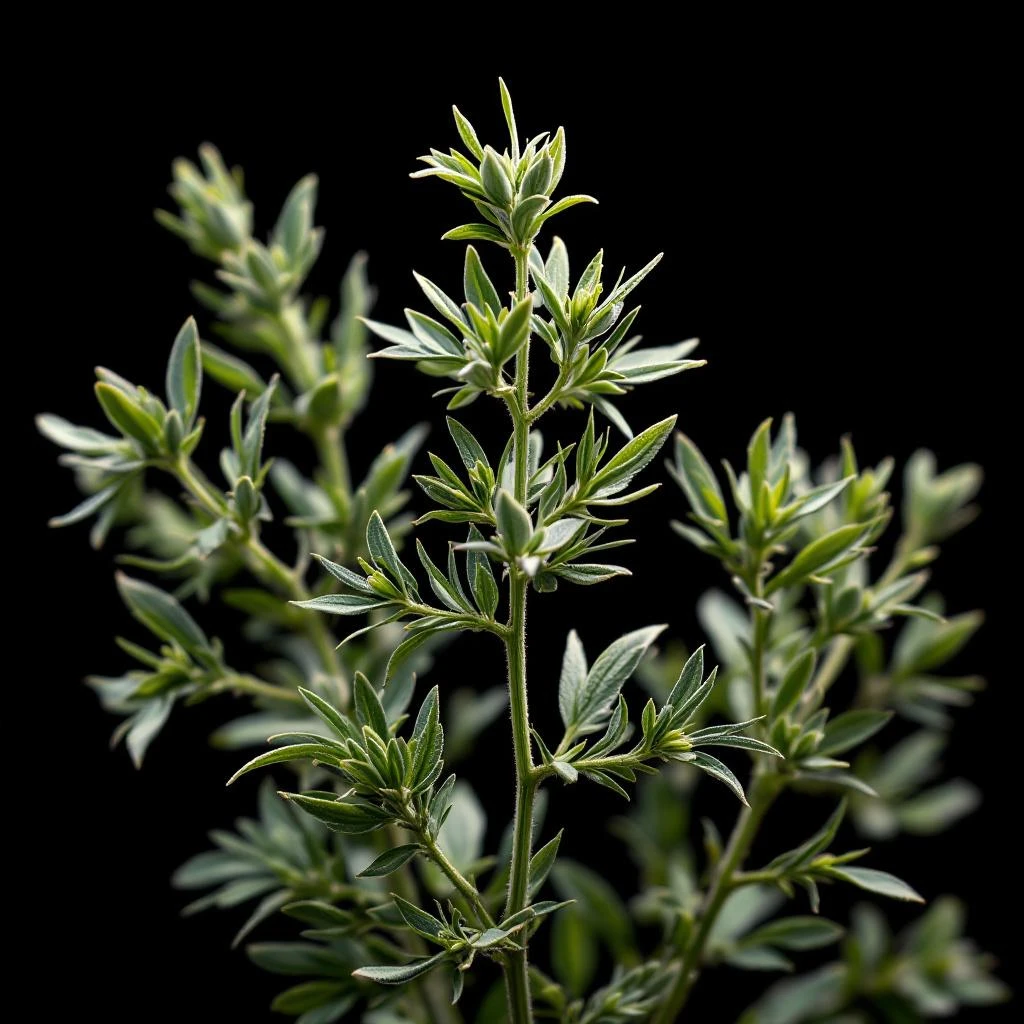
Boxwood holds deep roots in European horticultural and cultural history. Romans cultivated boxwood extensively throughout their empire, using the aromatic leaves in unguents and sachets. The plant became inseparable from formal European garden design during the Renaissance and Baroque periods.
French formal gardens, exemplified by Versailles, featured intricate boxwood parterres and maze-like hedgerows that defined landscape aesthetics. This garden tradition directly connected to perfumery development, as hedgerow material served as an aromatic resource. Historical accounts describe gardeners and estate workers intimately familiar with the distinctive scent of bruised boxwood leaves.
Though never a mainstream perfumery ingredient like rose or jasmine, boxwood found its place among botanical perfumers seeking unusual green notes. The plant carries cultural weight beyond fragrance, appearing in ancient funerary traditions and symbolizing immortality in Christian iconography. This layered significance contributed to its quiet presence in perfumery traditions across centuries.
Wears it best
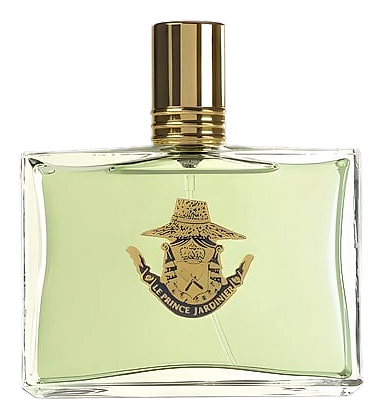
Fragrances featuring Boxwood Leaf
Brands
Brands known for Boxwood Leaf
Good to know
Questions, answered
The essentials on Boxwood Leaf in perfumery: how it smells, where it comes from, and how it behaves on skin.
What does boxwood leaf smell like in fragrance?
Boxwood leaf absolute presents an intensely green, vegetal aroma with bitter, slightly medicinal undertones. The scent evokes fresh-cut stems and crushed leaves from formal hedgerows, offering a crisp, verdant quality that works as a modifier in fine fragrances.
Where does boxwood leaf for perfumery originate?
The primary source for perfumery-grade boxwood leaf is France, particularly regions with historic formal gardens. Buxus sempervirens, the common boxwood, grows natively across Western Europe, with French production concentrated in the Mediterranean and Loire Valley regions.
How is boxwood leaf absolute extracted?
Solvent extraction is the standard method for boxwood leaf absolute. Fresh or dried leaves undergo hexane extraction to produce a concrete, which is then washed with ethanol to yield the absolute. This process better preserves the complex green aromatic profile compared to steam distillation.
What fragrance notes pair well with boxwood leaf?
Boxwood leaf combines effectively with other green notes like galbanum and violet leaf, woody bases including cedarwood and vetiver, and fresh citrus top notes. It works particularly well in aromatic and fougere compositions where it adds verdant depth.
Is boxwood leaf a natural or synthetic fragrance ingredient?
Boxwood leaf absolute is a natural ingredient derived from the leaves of Buxus sempervirens. However, its scarcity means some perfumers use synthetic green accord alternatives. Natural boxwood absolute remains difficult to source and appears primarily in specialty and artisan perfumery.
What fragrance families use boxwood leaf?
Boxwood leaf features primarily in aromatic, fougere, and green fragrance families. Perfumers incorporate it in masculine compositions, particularly those with herbal and chypre structures, where it adds a verdant, slightly bitter character to the top and heart notes.
How rare is boxwood leaf in perfumery?
Boxwood leaf absolute ranks among the rarer natural ingredients. Extraction yields are low, typically under 1.0% from dried leaves, and the material rarely appears in standard fragrance industry trade. It functions as a specialty ingredient in niche and artisan perfumery rather than mainstream fragrance production.
What is the historical significance of boxwood in perfumery?
Boxwood entered perfumery traditions through its connection to formal European garden design, particularly French Renaissance and Baroque gardens. While never a staple ingredient, it has maintained a quiet presence among perfumers seeking unusual botanical and aromatic materials for centuries.