Blue Spruce
Blue Spruce captures the crisp, elevated air of mountain forests. Its sharp coniferous character brings immediate outdoor freshness to fragrances, grounding top notes with a distinctly American evergreen presence that feels both invigorating and grounding.

Character
How it smells
The mountain's signature scent, bottled.
Blue Spruce trees can live for 600 years or more, developing their characteristic blue-white waxy coating as they mature to reflect intense mountain sunlight.



Origin
United States
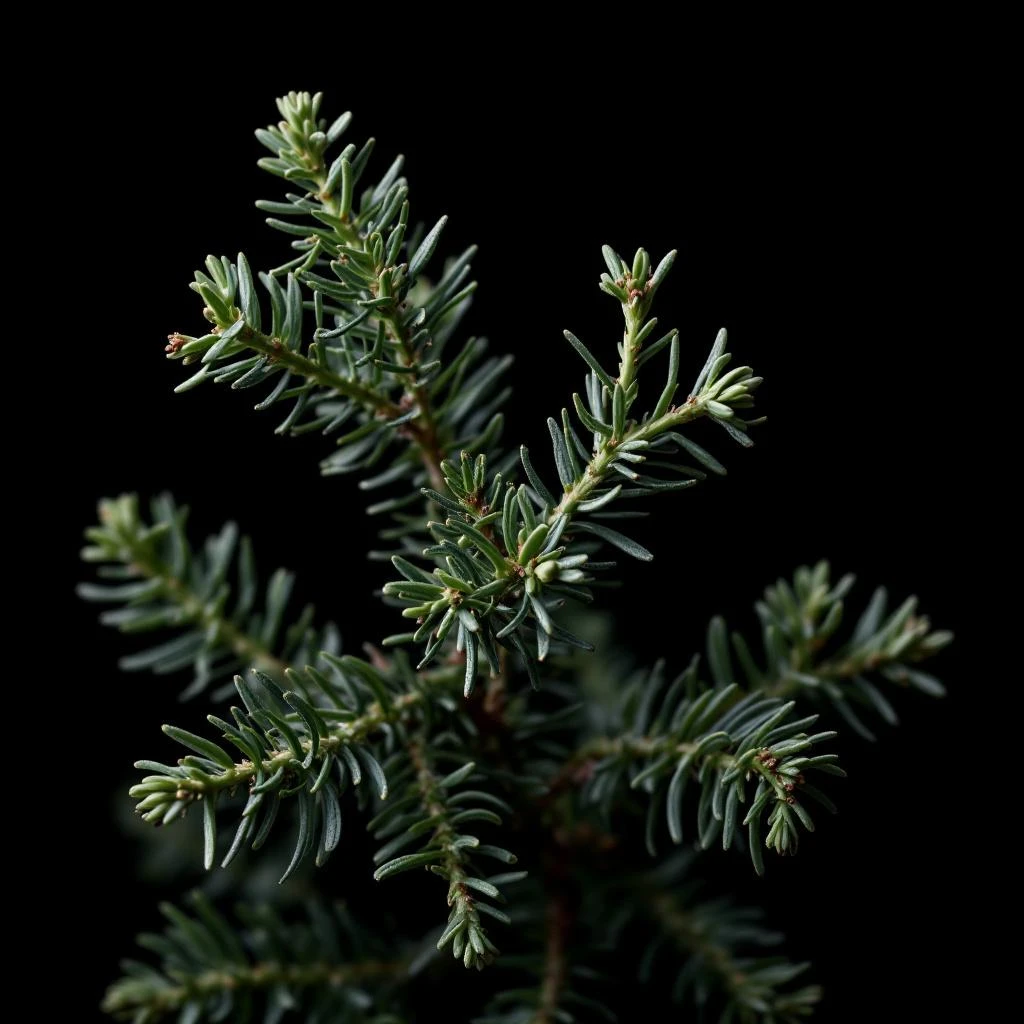
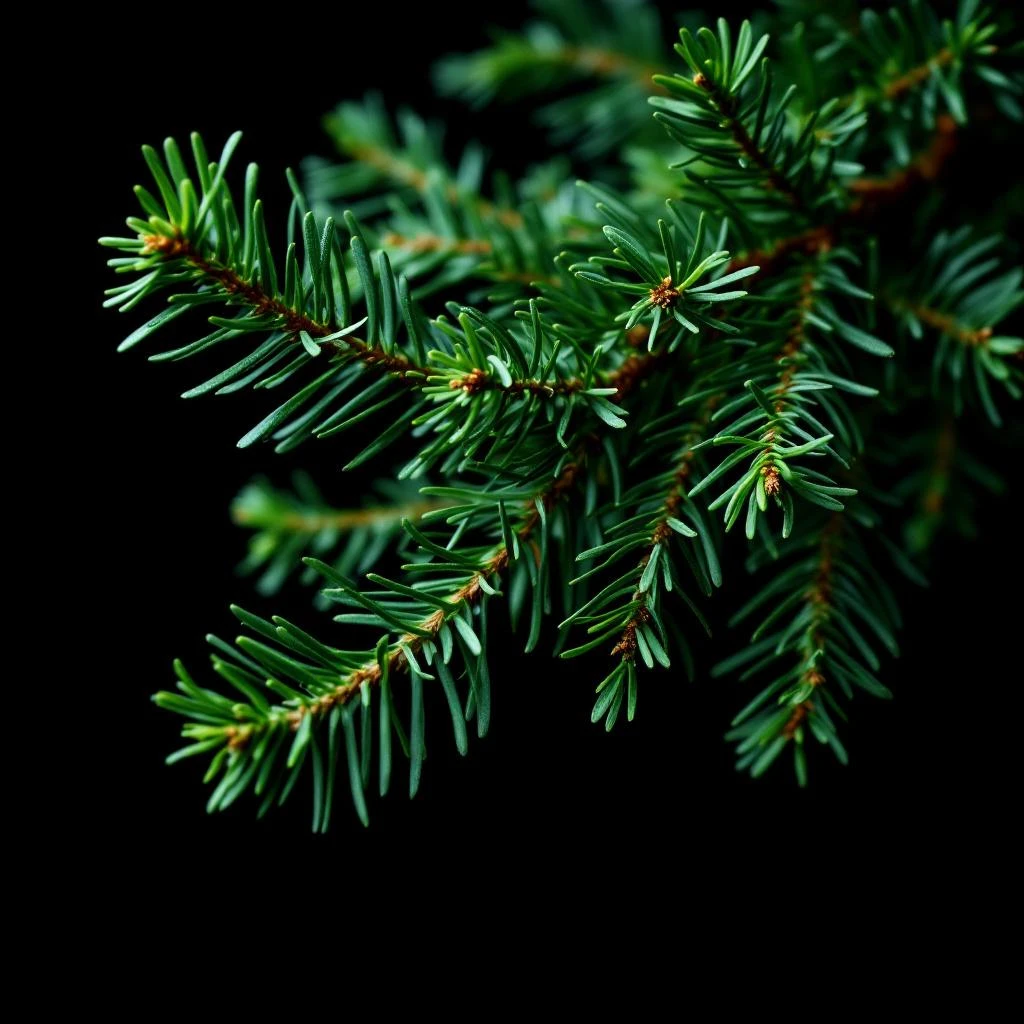
Picea pungens earned its name from the distinctive blue-white coating on its needles, a waxy layer that develops over decades and reflects intense Rocky Mountain sunlight at elevations exceeding 8,000 feet. Indigenous peoples of the Intermountain West traditionally used spruce branches in ceremonial smudging and applied the pitch topically.
Early Euro-American settlers learned these practices and adopted spruce as a winter food source, boiling young shoots for vitamin C. The essential oil industry emerged in the early 20th century as distillation technology became more accessible to mountain communities.
American perfumers began incorporating Blue Spruce oil during the mid-century shift toward native botanicals, valuing its cleaner, sharper character compared to European spruce species. Today, Blue Spruce remains a distinctly North American fragrance material, celebrated for conveying mountain wilderness in a bottle.
Wears it best
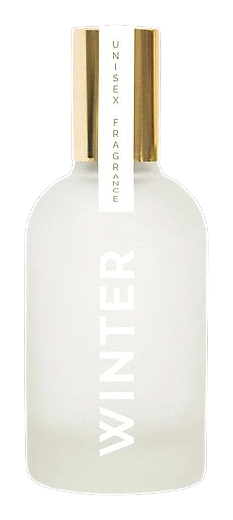
Fragrances featuring Blue Spruce
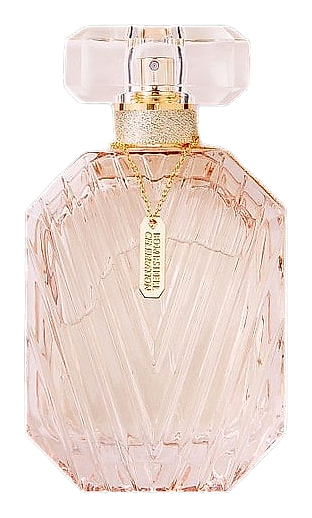
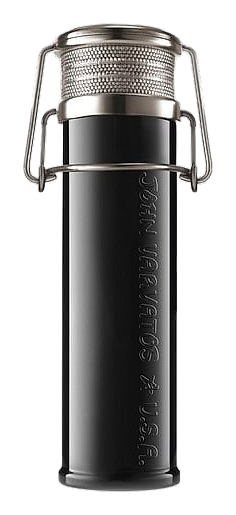
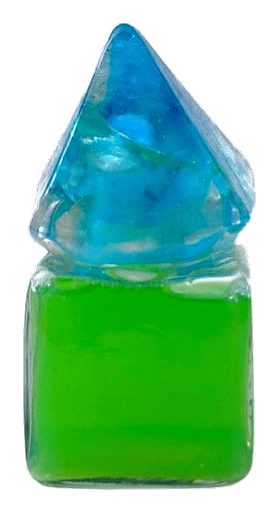
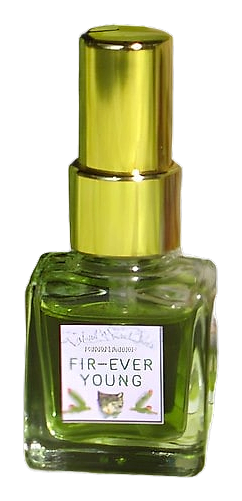

Brands
Brands known for Blue Spruce
Good to know
Questions, answered
The essentials on Blue Spruce in perfumery: how it smells, where it comes from, and how it behaves on skin.
What does Blue Spruce essential oil smell like?
Blue Spruce opens with sharp, fresh coniferous notes reminiscent of forest air after rainfall. The scent carries clean pine character with subtle balsamic undertones and a faint sweetness that distinguishes it from sharper spruce varieties.
Is Blue Spruce oil natural or synthetic?
Blue Spruce oil is naturally derived through steam distillation of tree needles. No synthetic replicate perfectly matches its complex profile of 30-plus volatile compounds, though aroma chemists have created approximations for consistency.
What fragrance families feature Blue Spruce?
Blue Spruce appears primarily in fougere, chypre, and aromatic fragrance families. It functions as a heart and top note material, lending authentic forest character to masculine and unisex compositions.
Where does commercial Blue Spruce oil originate?
Commercial production centers on the Rocky Mountain states, particularly Colorado, Wyoming, and Montana. Wildcrafted harvests from elevations above 7,000 feet yield oil with superior aromatic complexity.
How long has Blue Spruce been used in perfumery?
Documented use in Western perfumery dates to the 1940s when American distillers began targeting Rocky Mountain botanicals. Native peoples used spruce ceremonially for centuries before commercial essential oil production emerged.
What compounds give Blue Spruce its characteristic scent?
Alpha-pinene comprises 25-40% of most Blue Spruce oils, providing the recognizable pine aroma. Bornyl acetate adds subtle fruity-floral undertones while limonene contributes fresh citrus-like brightness.
Is Blue Spruce oil sustainably harvested?
Responsible sourcing involves selective branch harvesting from standing trees, allowing continued growth. Certified sustainable operations maintain tree populations while supporting wildcrafting communities in mountain regions.
Does Blue Spruce offer aromatherapy benefits?
The oil contains antimicrobial and anti-inflammatory properties documented in traditional use. Inhalation produces respiratory opening effects and perceived mental clarity, though topical application requires dilution.