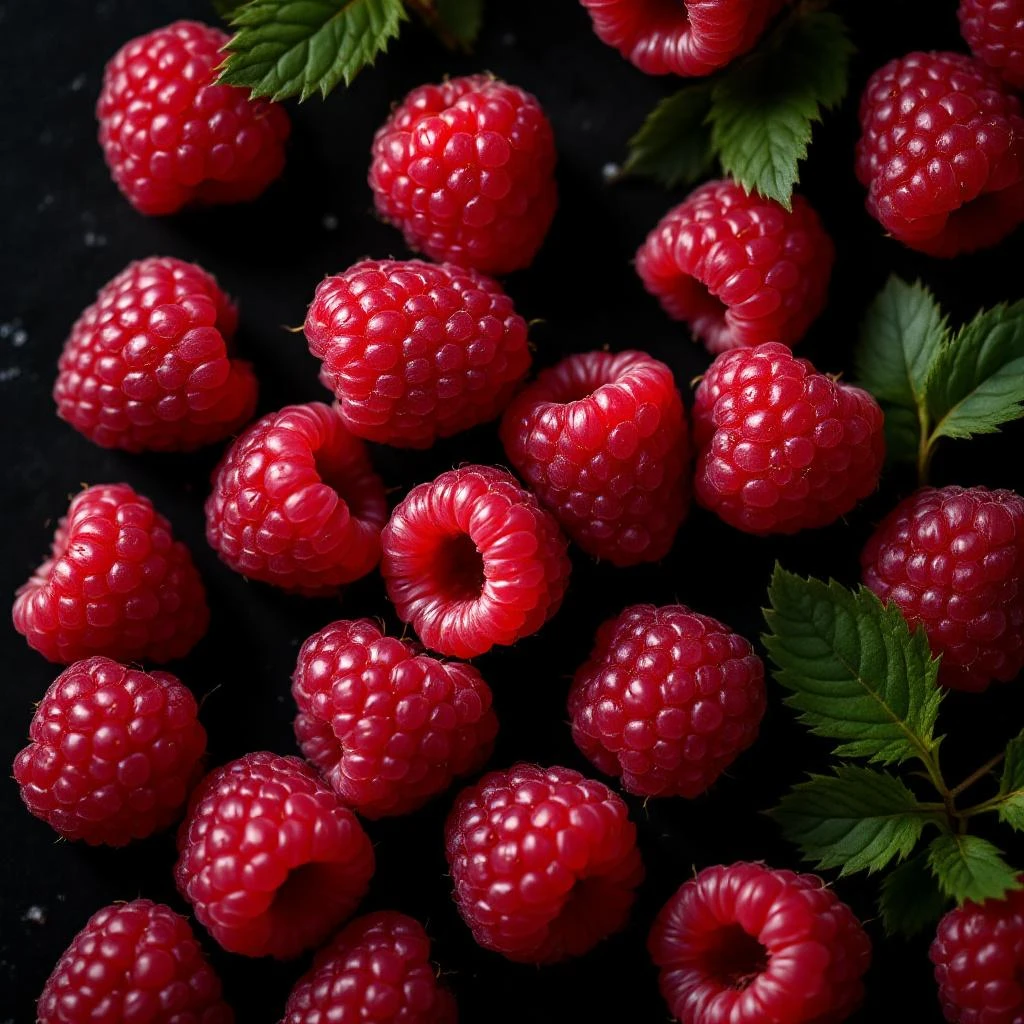
Blue Raspberry
A synthetic berry accord born from laboratory chemistry, blue raspberry captures the candy-bright sweetness of ripe raspberries with an electric, nostalgic twist. It became a perfumery staple in youth-oriented fragrances and niche launches.
Character
How it smells
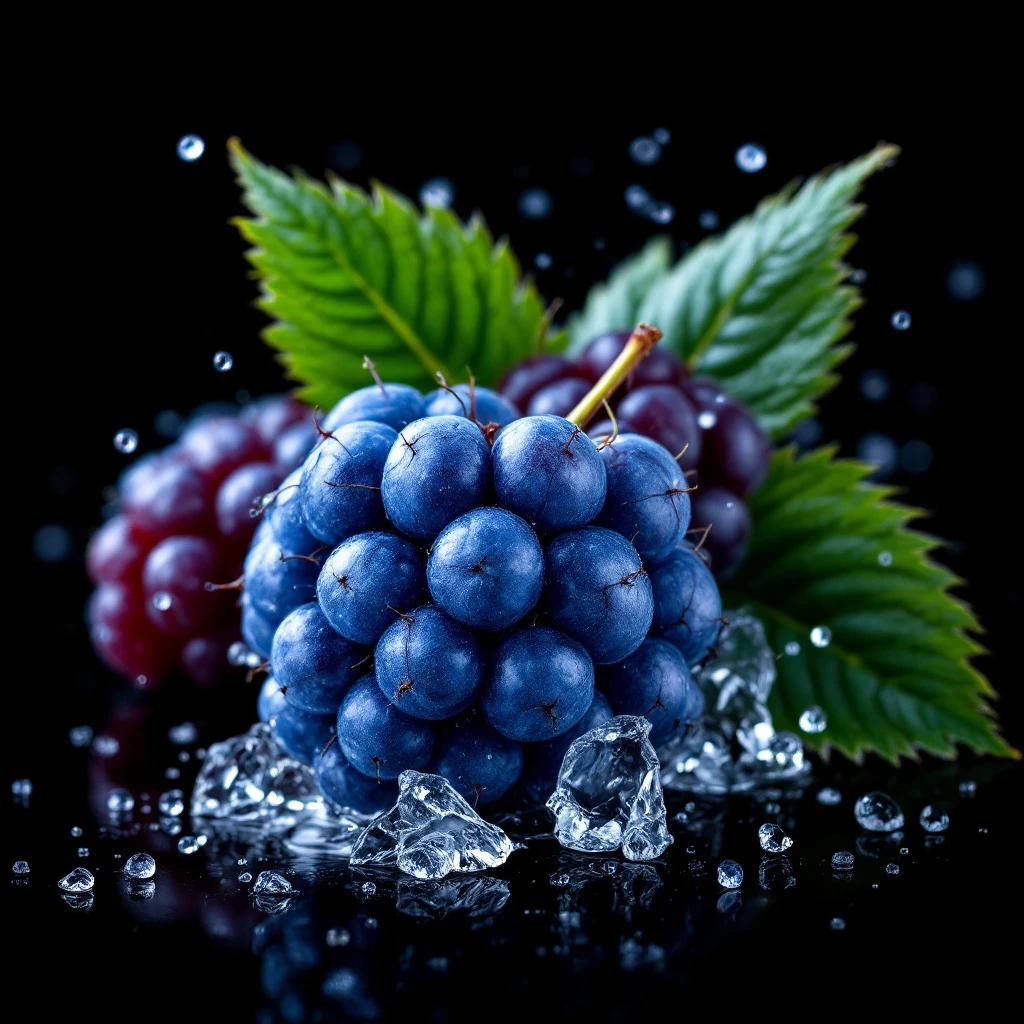
Electric berry sweetness with a lab-made edge.
Blue raspberry has no natural origin—the color and flavor were a marketing invention from 1950s candy makers trying to differentiate frozen treats.



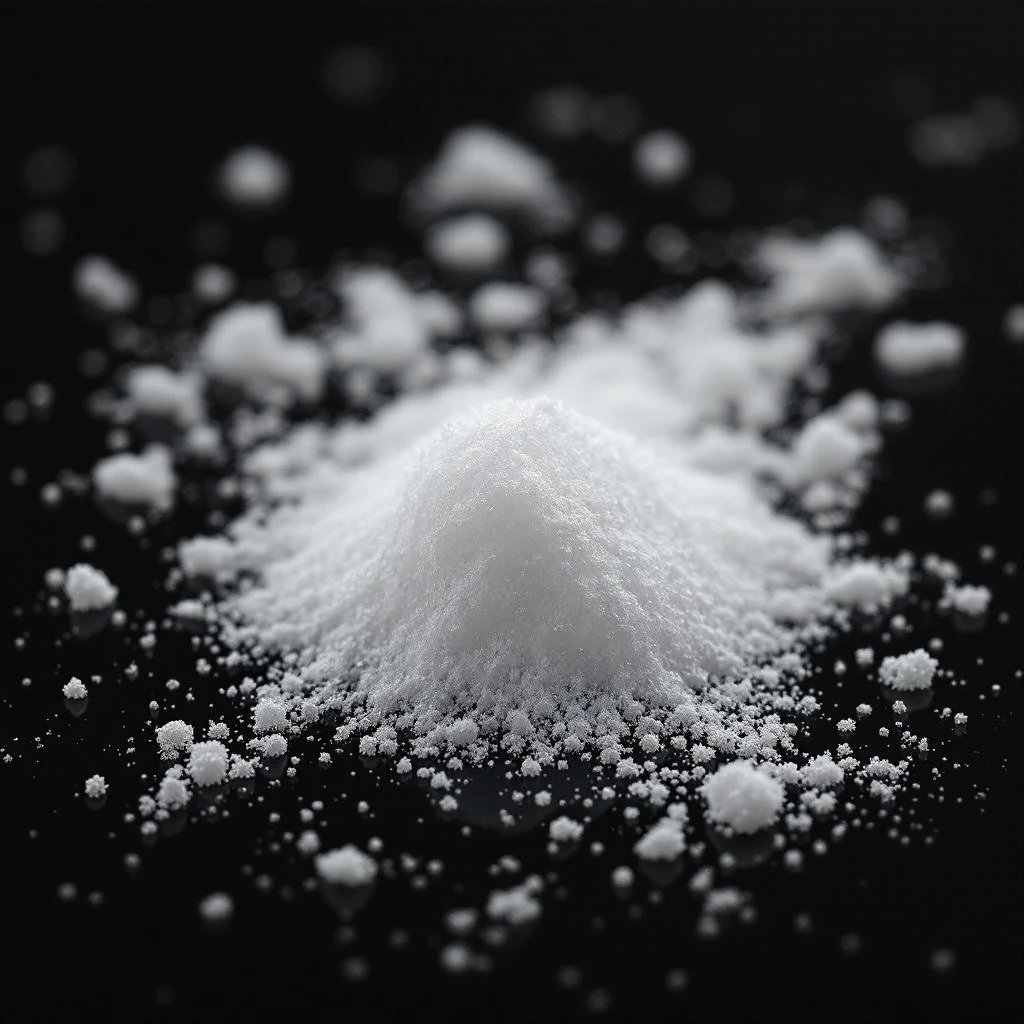
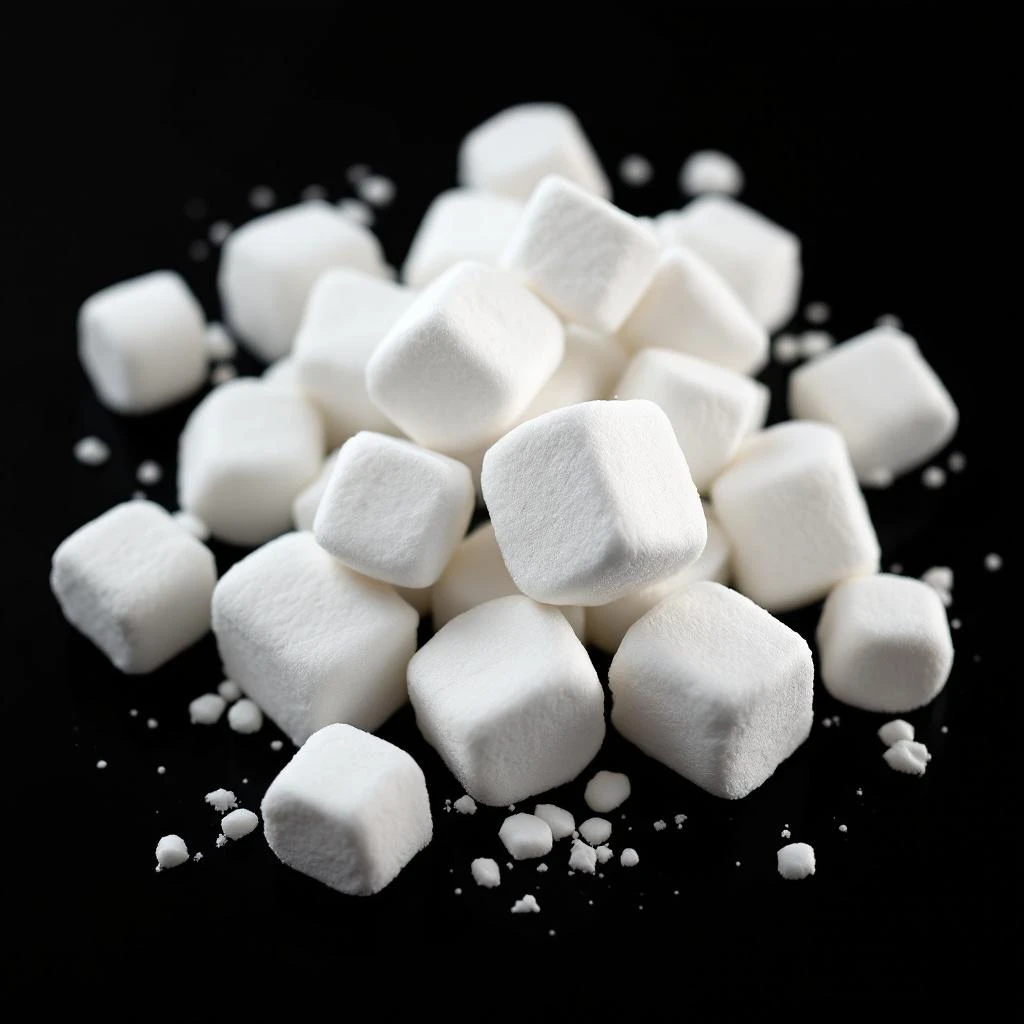
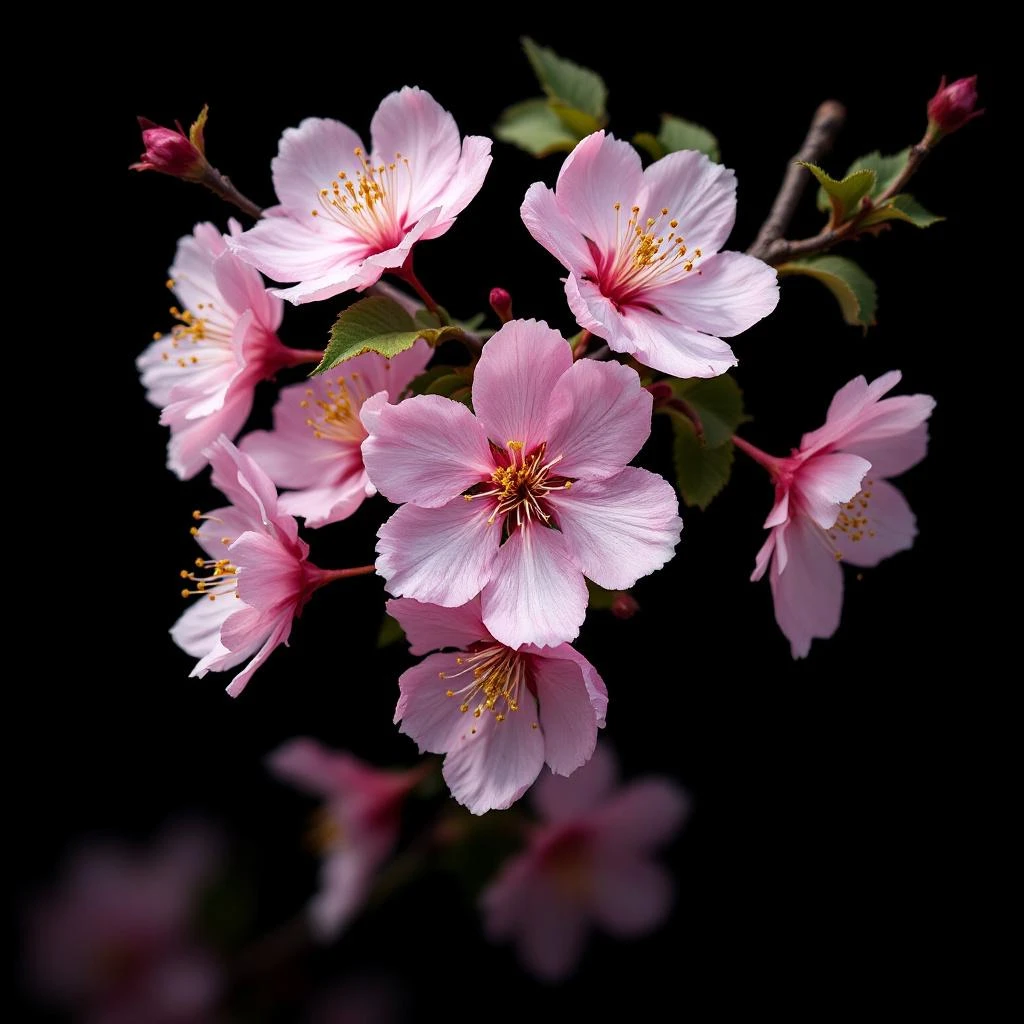
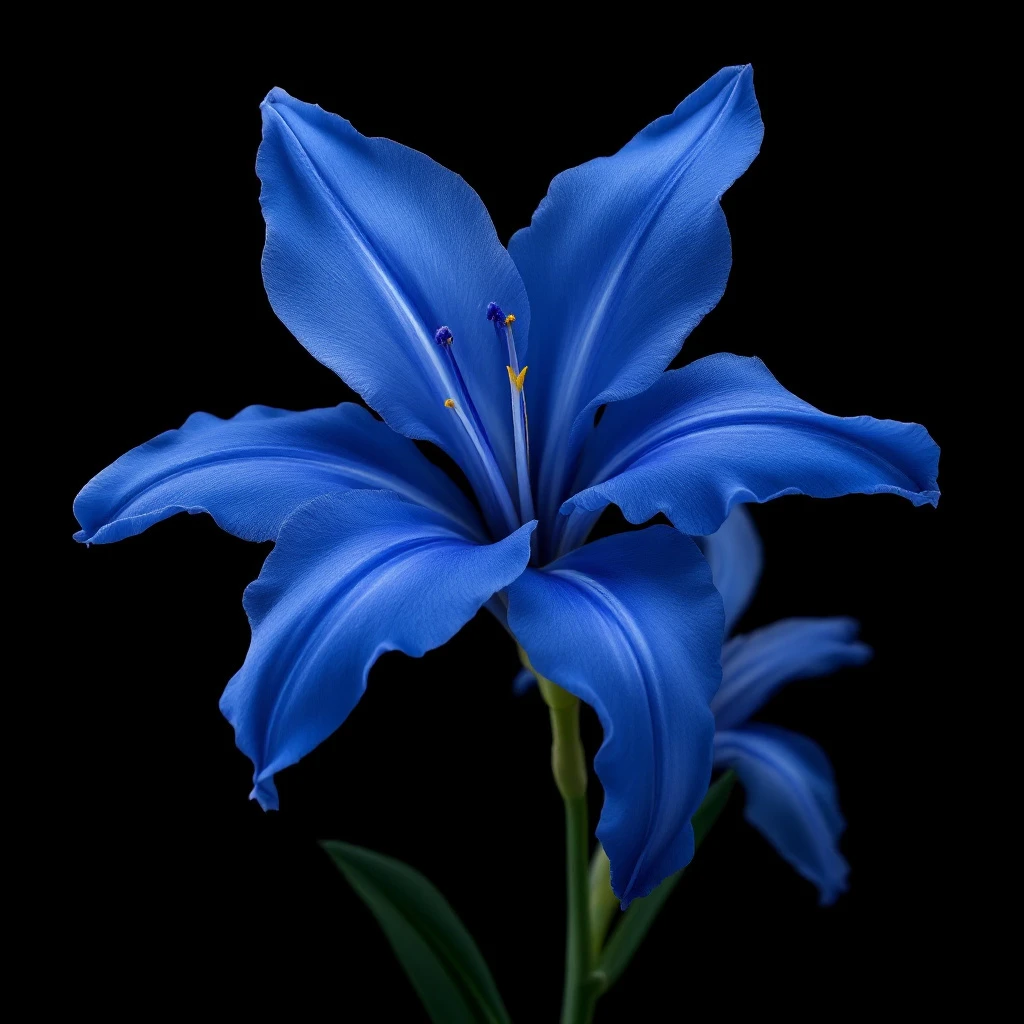
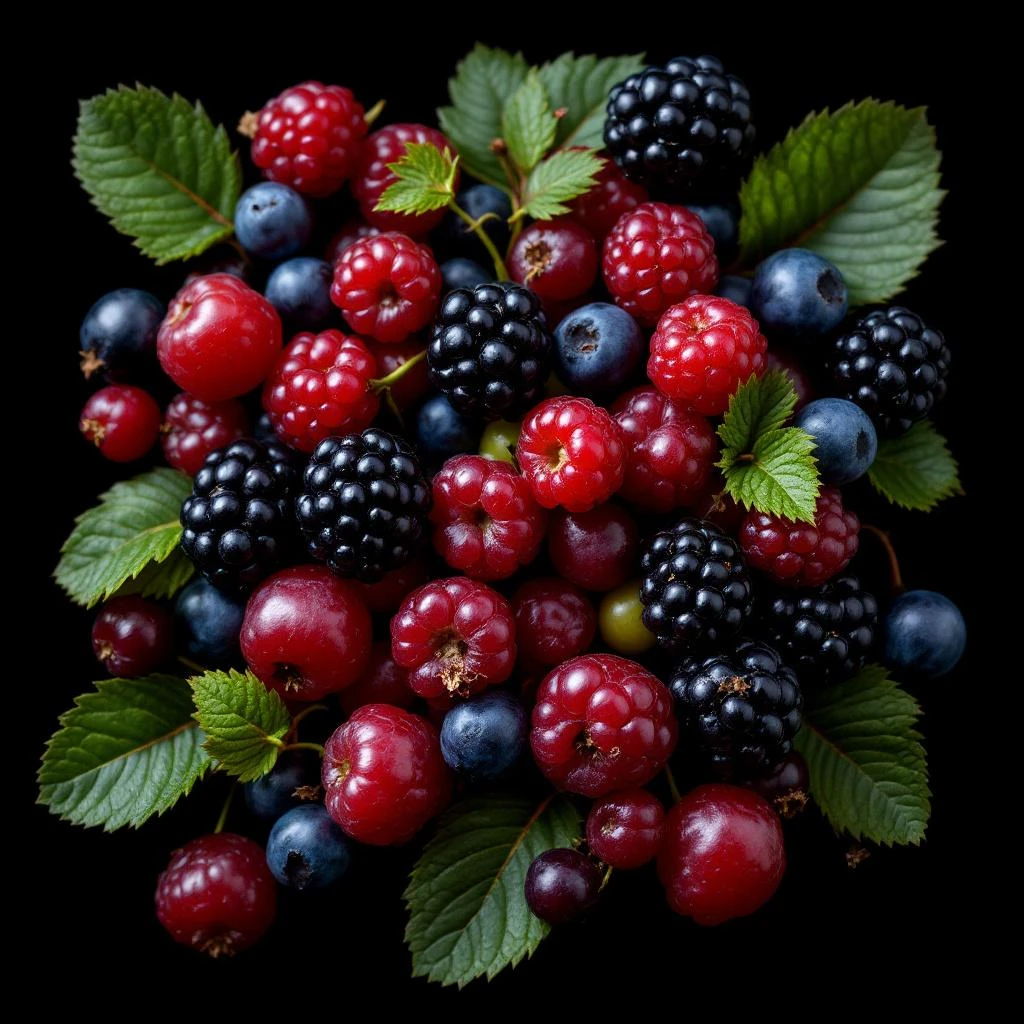
Origin
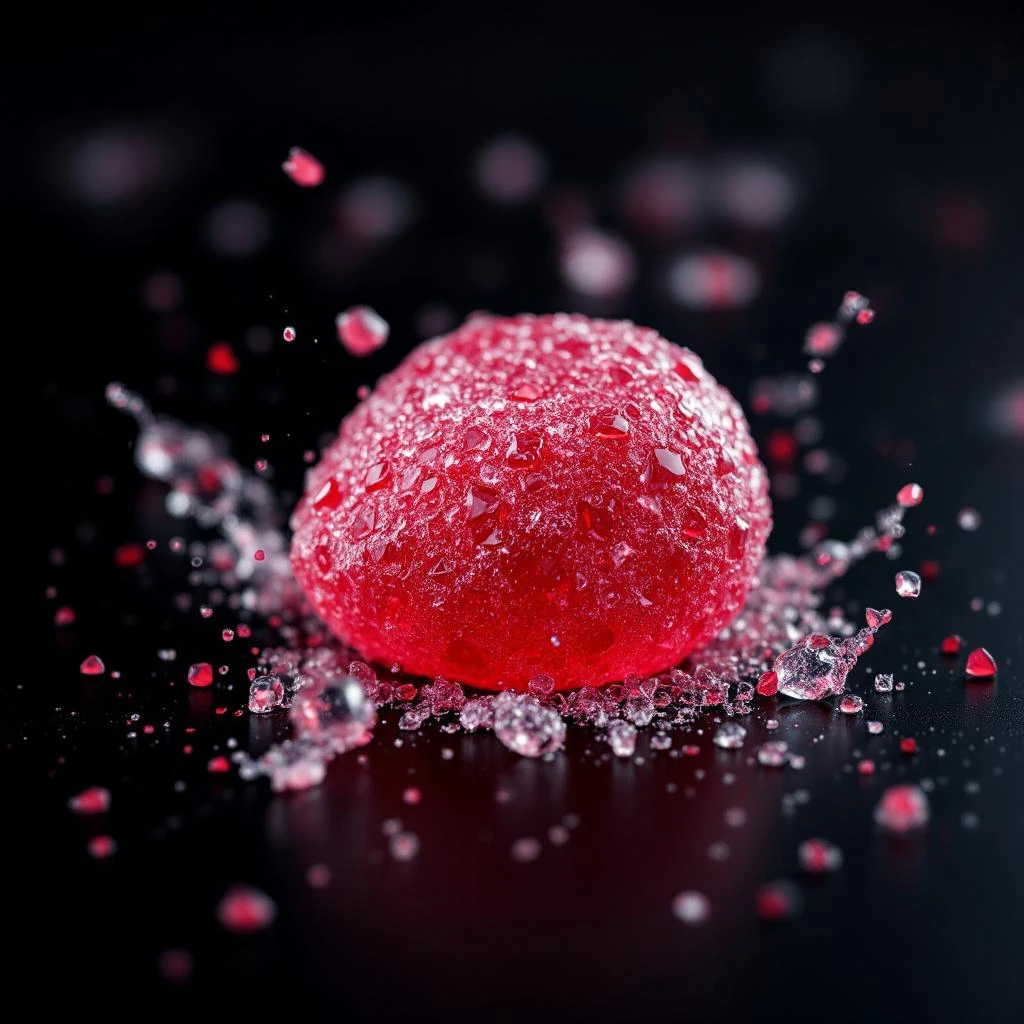
Laboratory created
The synthetic berry compounds that form blue raspberry emerged from the same wave of organic chemistry that transformed perfumery in the late 19th century. As chemists isolated aromatic molecules, raspberry—one of the most elusive naturals—became a target for laboratory recreation. Real raspberry lacks sufficient aromatic intensity for extraction, making synthetic replication the only viable path.
By the mid-20th century, berry accords had become fundamental to modern fragrance, enabling the fruity explosion that defined everything from 1980s orientals to contemporary niche compositions. Blue raspberry specifically carries cultural baggage from American candy culture, where the color and flavor became iconic in the 1950s and 60s as a way to make frozen treats stand out. Fragrances like Britney Spears Fantasy and countless fresh fruity releases elevated it from novelty to olfactory staple.
The note persists because it delivers something natural raspberry cannot: consistency, intensity, and that unmistakable cool-toned character that reads as blue rather than simply red.
Wears it best
Fragrances featuring Blue Raspberry
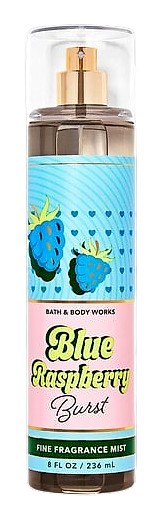
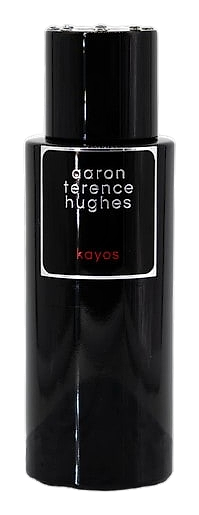
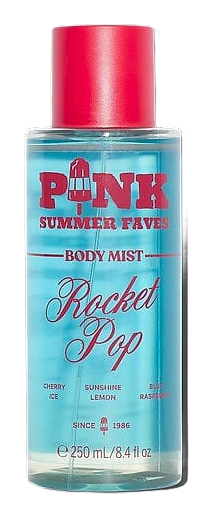
Brands
Brands known for Blue Raspberry
Good to know
Questions, answered
The essentials on Blue Raspberry in perfumery: how it smells, where it comes from, and how it behaves on skin.
Is blue raspberry a natural or synthetic ingredient?
It is purely synthetic. Blue raspberry is constructed in the laboratory from ester compounds like ethyl acetate, hexyl acetate, and ethyl butyrate. No natural extraction method exists for this note.
How does blue raspberry differ from natural raspberry in fragrance?
Natural raspberry is subtle and fleeting on the skin. Blue raspberry delivers bold, consistent sweetness with a cooler, candy-like edge that natural raspberry cannot achieve.
Which fragrance families use blue raspberry?
It appears primarily in fruity florals, fresh aquatic fragrances, and gourmand compositions. You will also find it in youth-oriented designer scents and contemporary niche launches.
Does blue raspberry occur anywhere in nature?
No. Blue raspberry is a completely lab-created accord with no natural equivalent. The color and flavor originated as a 1950s candy marketing invention.
What gives blue raspberry its characteristic profile?
The combination of fruity esters (ethyl acetate, hexyl acetate) with berry aldehydes creates that distinctive cool, sweet character. Additional aromatic chemicals provide depth and longevity.
Is blue raspberry safe to use in perfumery?
Yes. When synthesized according to industry standards, blue raspberry compounds are stable, well-studied aromatic materials approved for cosmetic use.
How long does blue raspberry last in a fragrance?
As a synthetic note, it offers moderate longevity. It functions best as a top or heart note in a fragrance construction, typically lasting 2 to 4 hours on skin.
What makes blue raspberry read as blue rather than simply fruity?
That cool, slightly chemical edge distinguishes it from standard berry accords. Perfumers achieve this through specific ester ratios and aldehyde combinations that create an electric, refreshing quality.