Blue Lilies
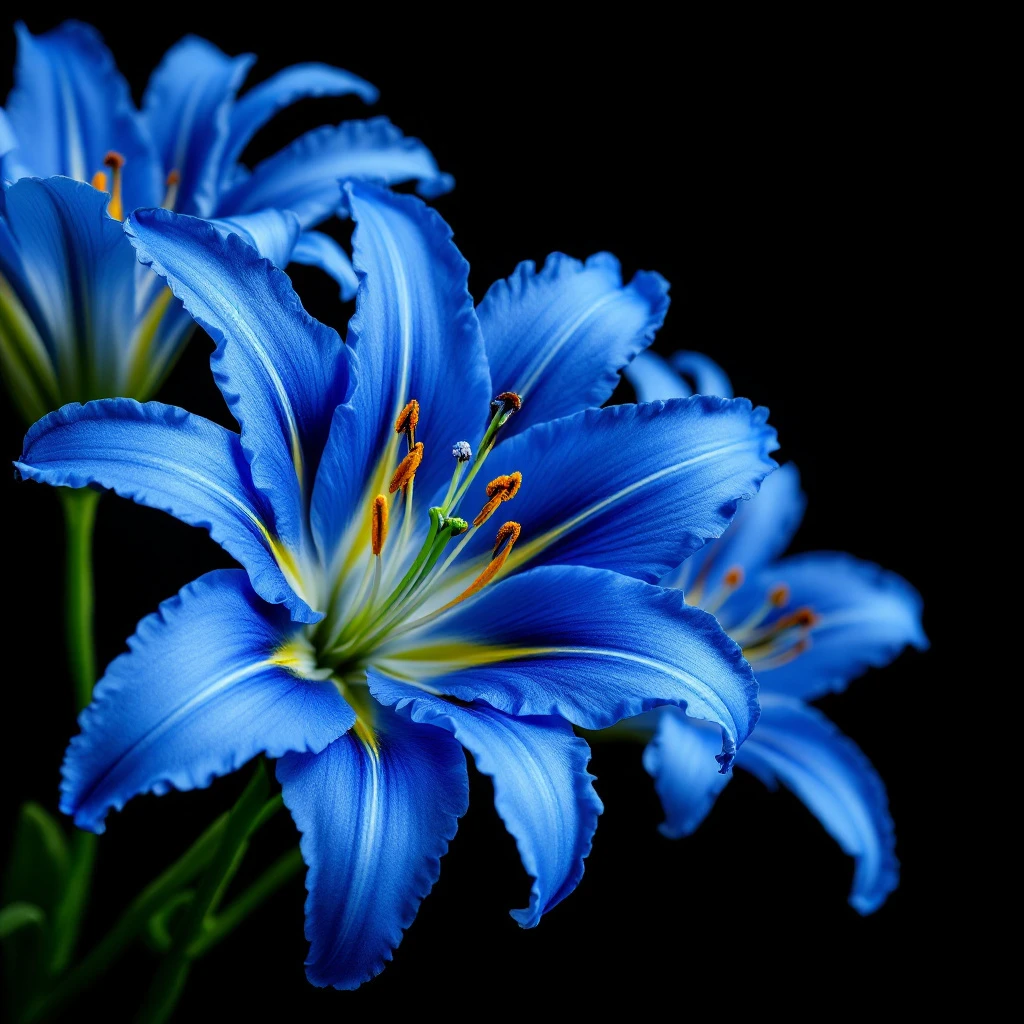
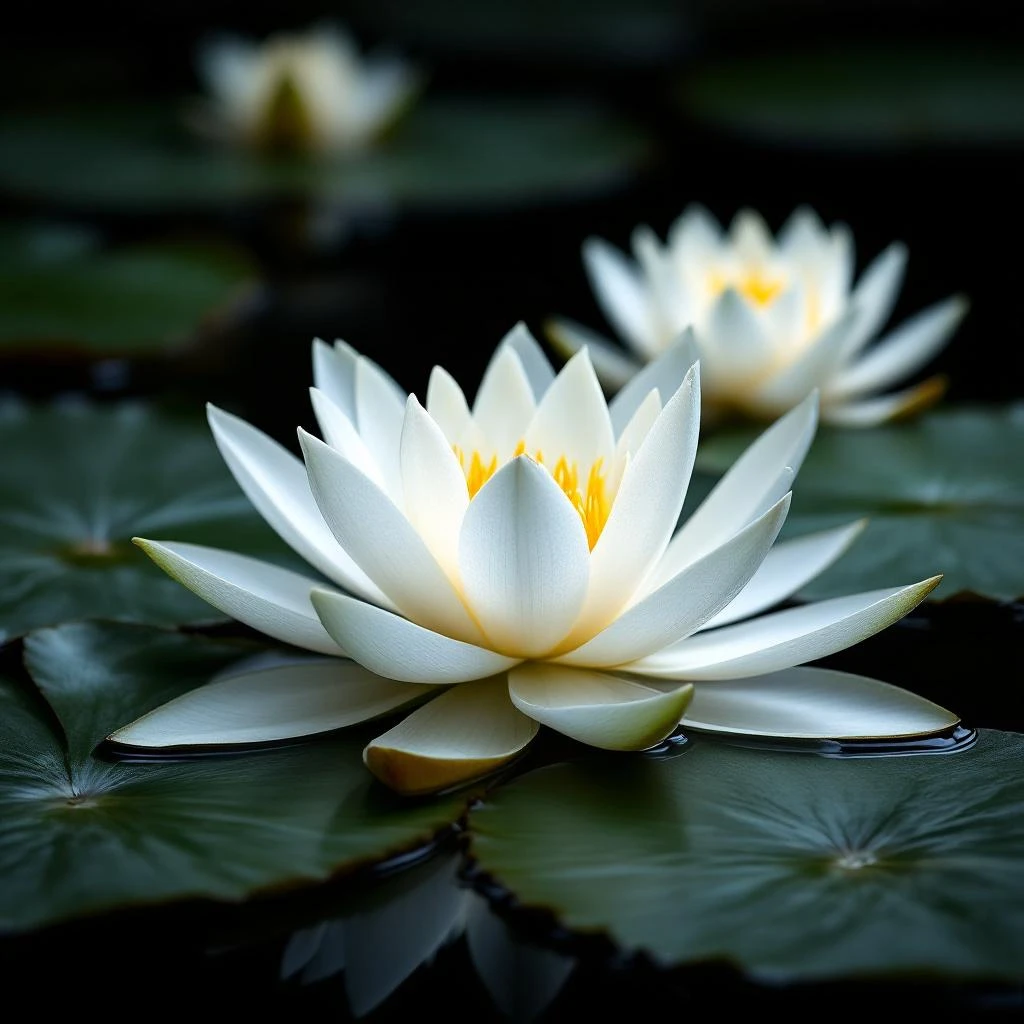
Blue lilies do not exist in nature, yet they inhabit some of perfumery's most evocative fragrances. This accord captures what imagination demands: a cool, tranquil lily note bathed in blue.
Character
How it smells
The impossible flower that perfumers created.
True lilies cannot produce blue pigment. Every blue lily in perfumery is a synthetic creation, born from aromatic chemistry rather than nature.

Origin
France
The story of blue lily begins with a gap between nature and human desire. Ancient Egyptians painted blue lotus and lily-like flowers in tomb paintings and temple reliefs, associating them with rebirth and the divine. Greeks and Romans used lily imagery in art and poetry. Yet botanical reality offered no true blue lilies to match these cultural ideals.
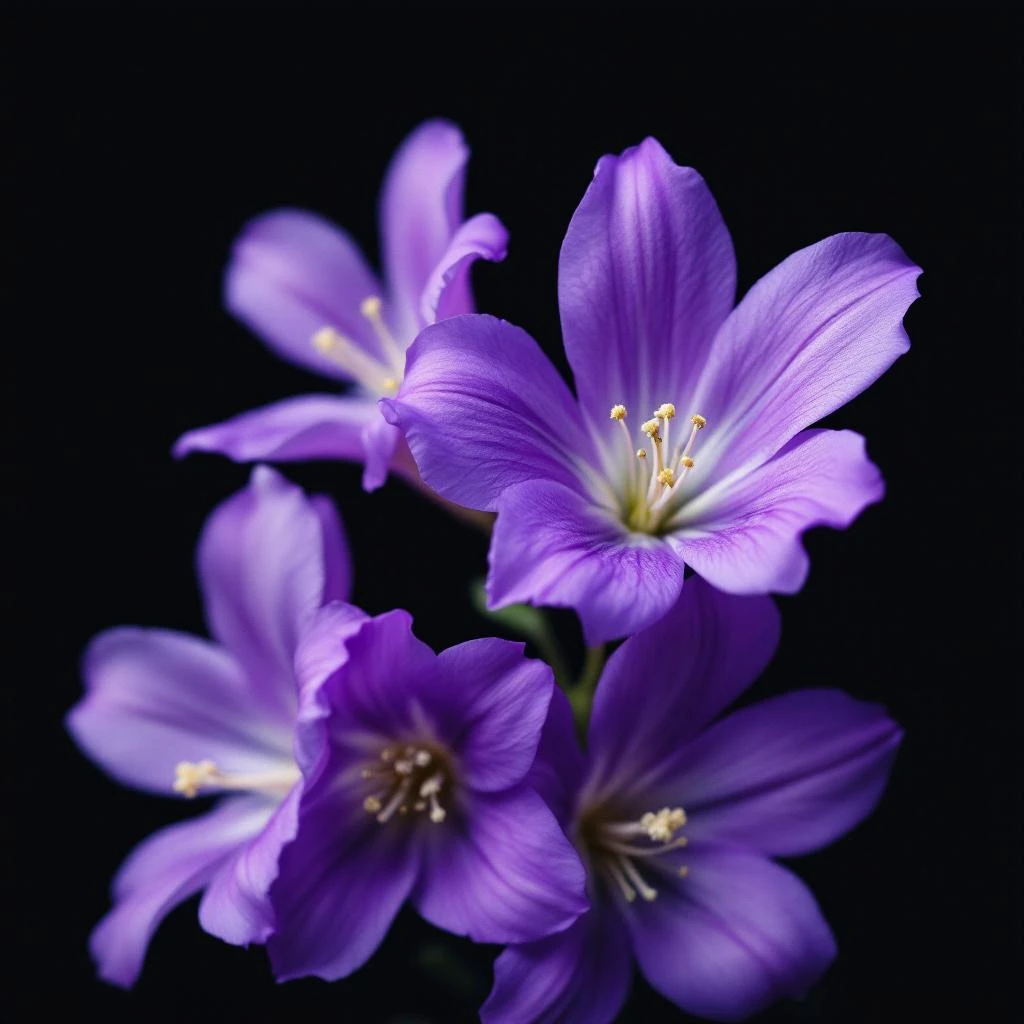
Lilies lack the delphinidin pigment genes that produce blue in other flowers. For centuries, perfumers could only approximate the effect through blends of lily-of-the-valley, hyacinth, and green notes. The modern blue lily accord emerged from mid-twentieth century advances in aromatic chemistry. As synthetic materials like calone entered perfumeries in the 1950s and 1960s, new olfactory possibilities opened.
By combining fresh, green, and watery molecules, perfumers could construct accords that captured something real about blue flowers without needing the flowers themselves. Today, blue lily appears in fragrances across many houses, a marker of how perfumery bridges imagination and chemistry. The note represents a turning point: perfumers no longer merely extracted what nature offered but began creating entirely new aromatic experiences from raw materials that had never existed before.
Wears it best
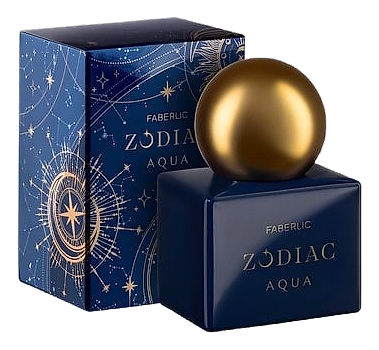
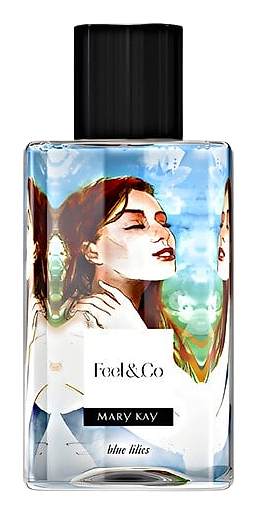
Fragrances featuring Blue Lilies
Good to know
Questions, answered
The essentials on Blue Lilies in perfumery: how it smells, where it comes from, and how it behaves on skin.
What is blue lily in perfumery?
Blue lily is a synthetic aromatic accord designed to evoke the fresh, watery, tranquil scent of blue flowers. Since true blue lilies do not exist in nature, perfumers construct this note from aroma chemicals like hydroxycitronellal and calone to create the effect.
Does a natural blue lily flower exist?
No. Lilies cannot produce blue pigment because they lack the delphinidin genes that create blue coloration in other flowers. Every blue lily note in perfumery is entirely synthetic.
What aroma chemicals create blue lily accord?
The most important is hydroxycitronellal, which provides clean, muguet-like freshness. Calone 1951 adds watery, ozonic character. Rose oxide contributes green, metallic nuance. These molecules combine to form the complete accord.
What does blue lily smell like?
Blue lily reads as fresh, green, and creamy with distinct watery or ozonic qualities. The scent feels cool and calm, like a lily growing near still water, though it exists only as an aromatic construction.
When did blue lily first appear in perfumery?
The blue lily accord emerged gradually as synthetics like calone entered perfumery in the 1950s and 1960s. These materials allowed perfumers to construct watery, fresh accords that captured the elusive character of blue flowers.
Is blue lily a single ingredient or a blend?
It is always a blend. Blue lily accord combines multiple aroma chemicals in specific ratios. The construction requires balancing fresh, green, and aquatic molecules to achieve the cohesive effect.
Can real lily flowers be extracted for perfume?
Yes, but through solvent extraction rather than steam distillation. The resulting absolute has a rich, waxy, green-floral character. However, natural lily absolute is rarely used due to availability, potency, and ethical concerns about pollen.
Why do perfumers create notes that do not exist in nature?
Because imagination often demands what nature cannot provide. Blue lily fulfills a cultural and aesthetic desire rooted in centuries of art and symbolism. Synthetic notes allow perfumers to expand beyond botanical limitations and create entirely new olfactory categories.





