Blue Lebanon Cedar
One of perfumery's most mythologized ingredients. Blue Lebanon Cedar carries the weight of ancient temples and sacred rites in its resinous, dry-wood heart. Today, true Lebanese cedar oil remains exceptionally rare in fine fragrance.
Character
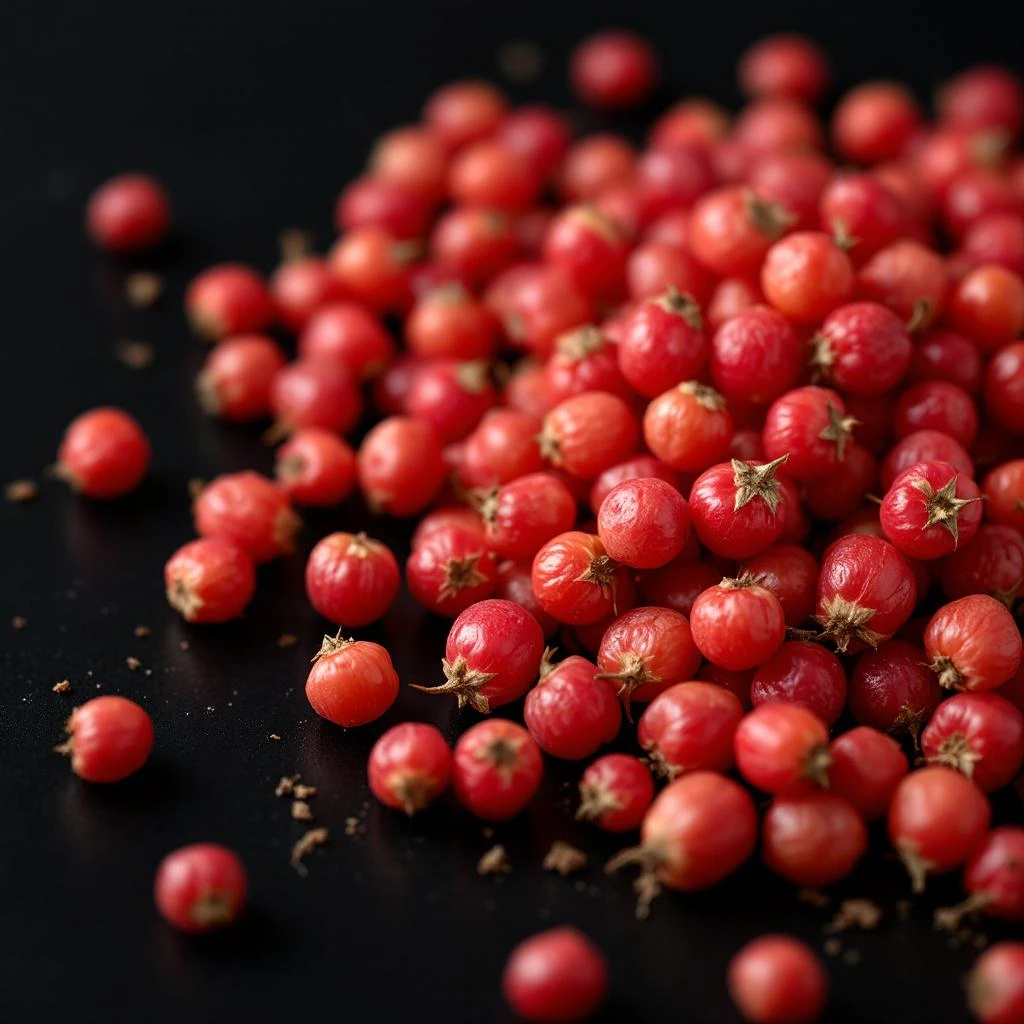
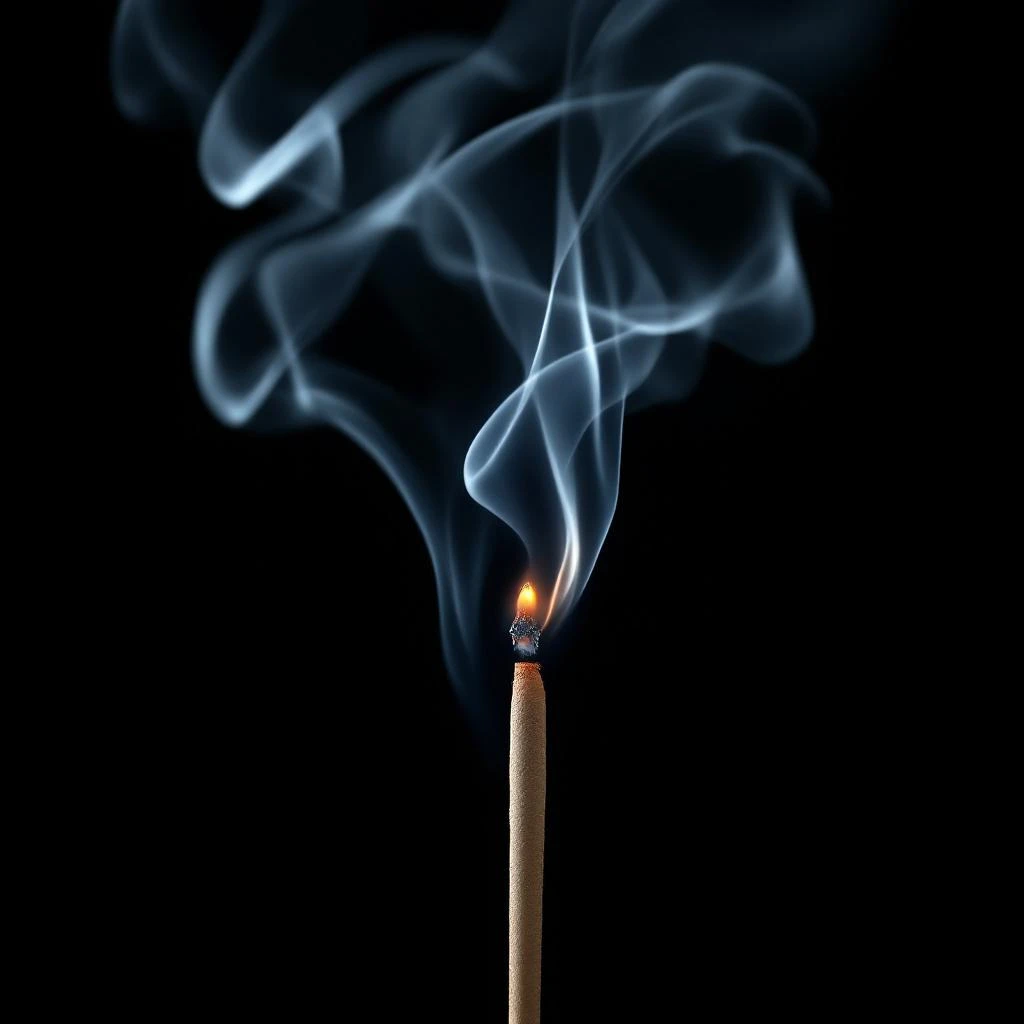
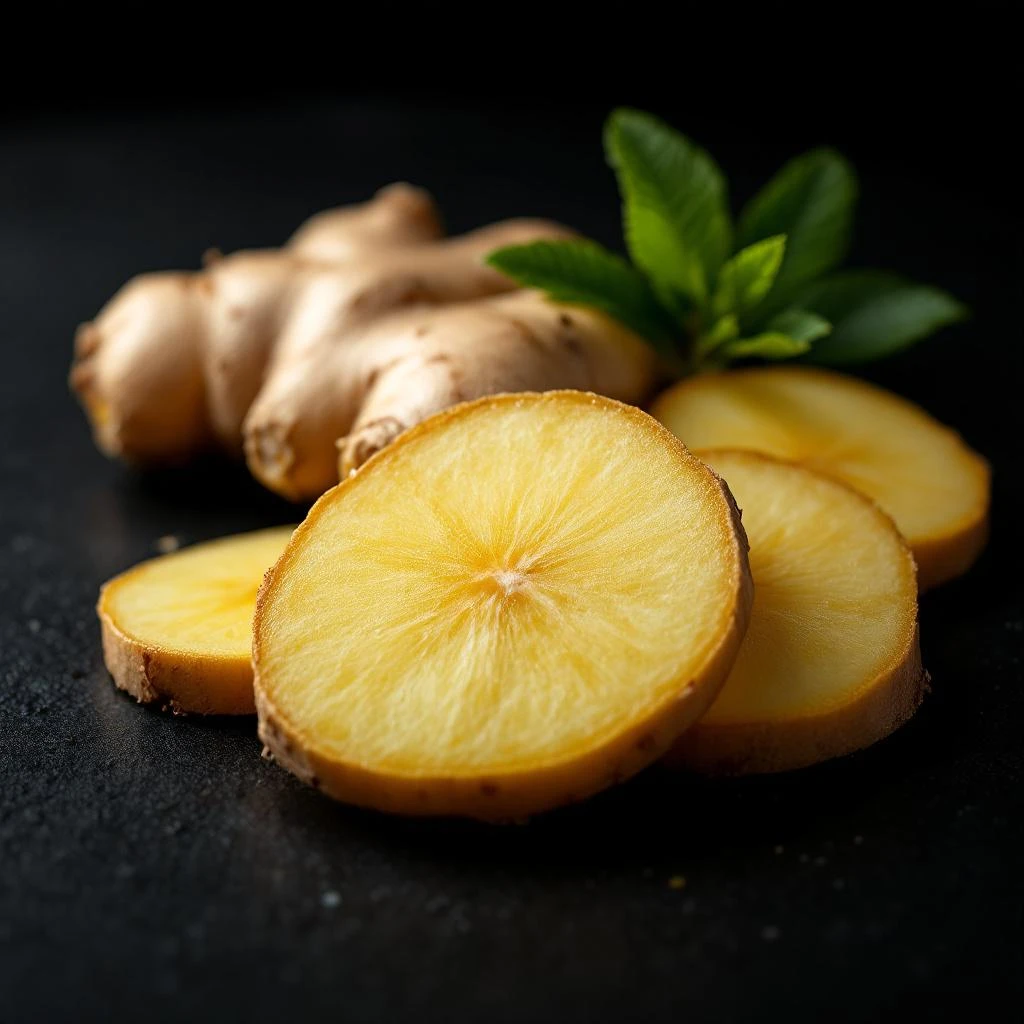
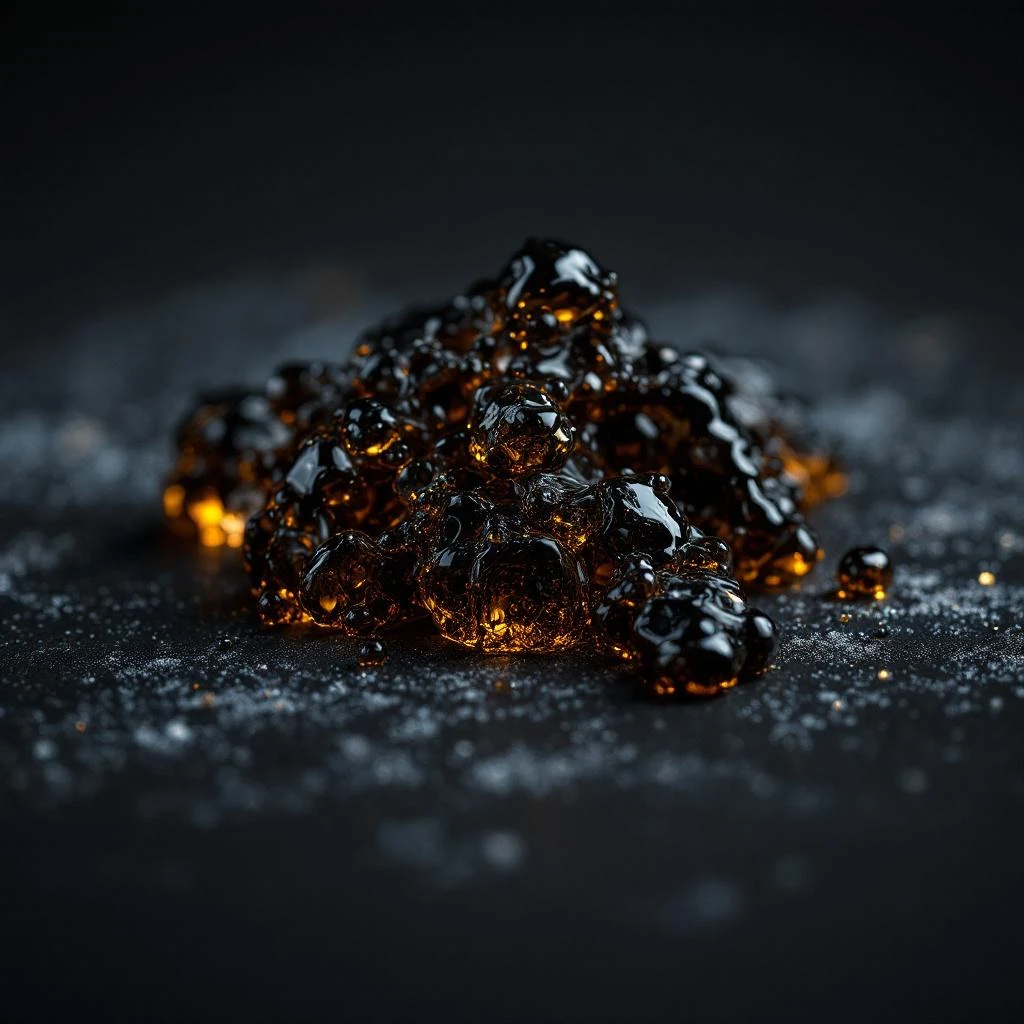
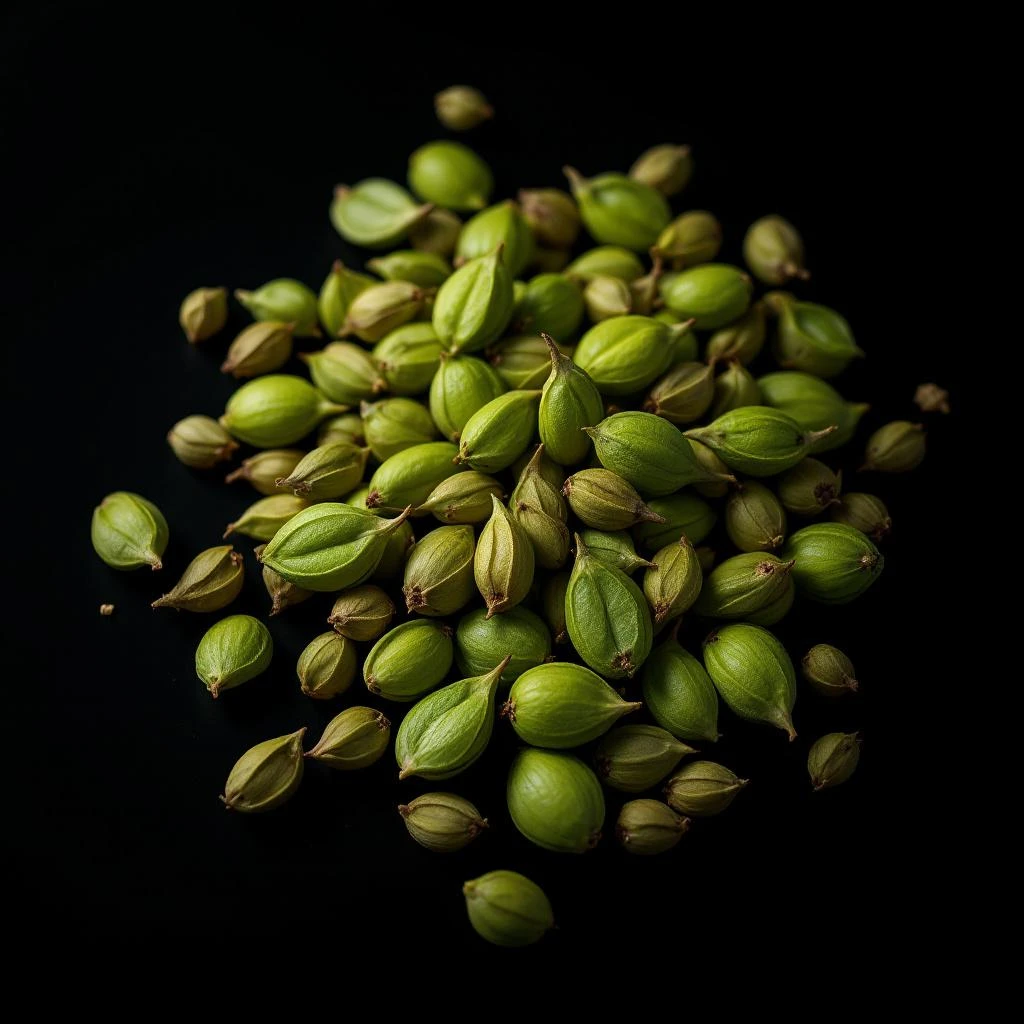
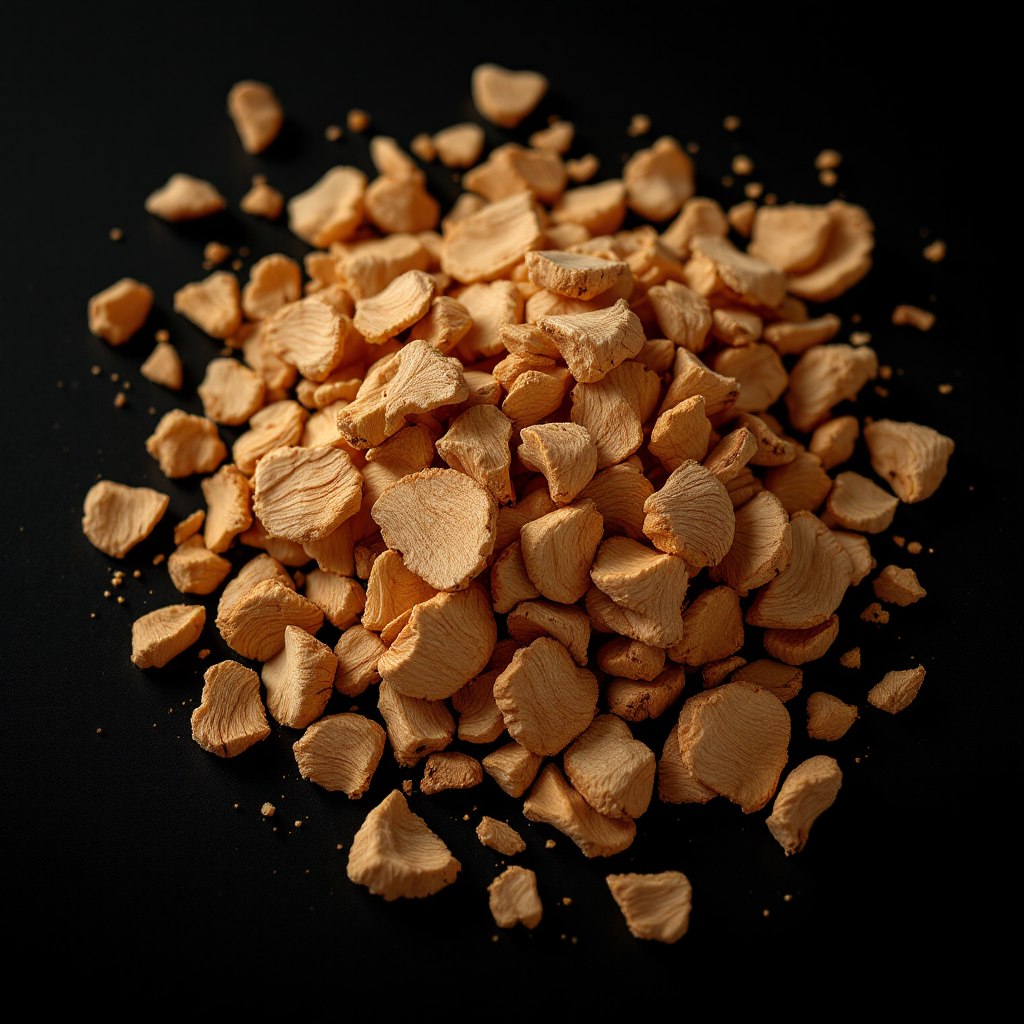
How it smells
Sacred wood, ancient roots, singular scent.
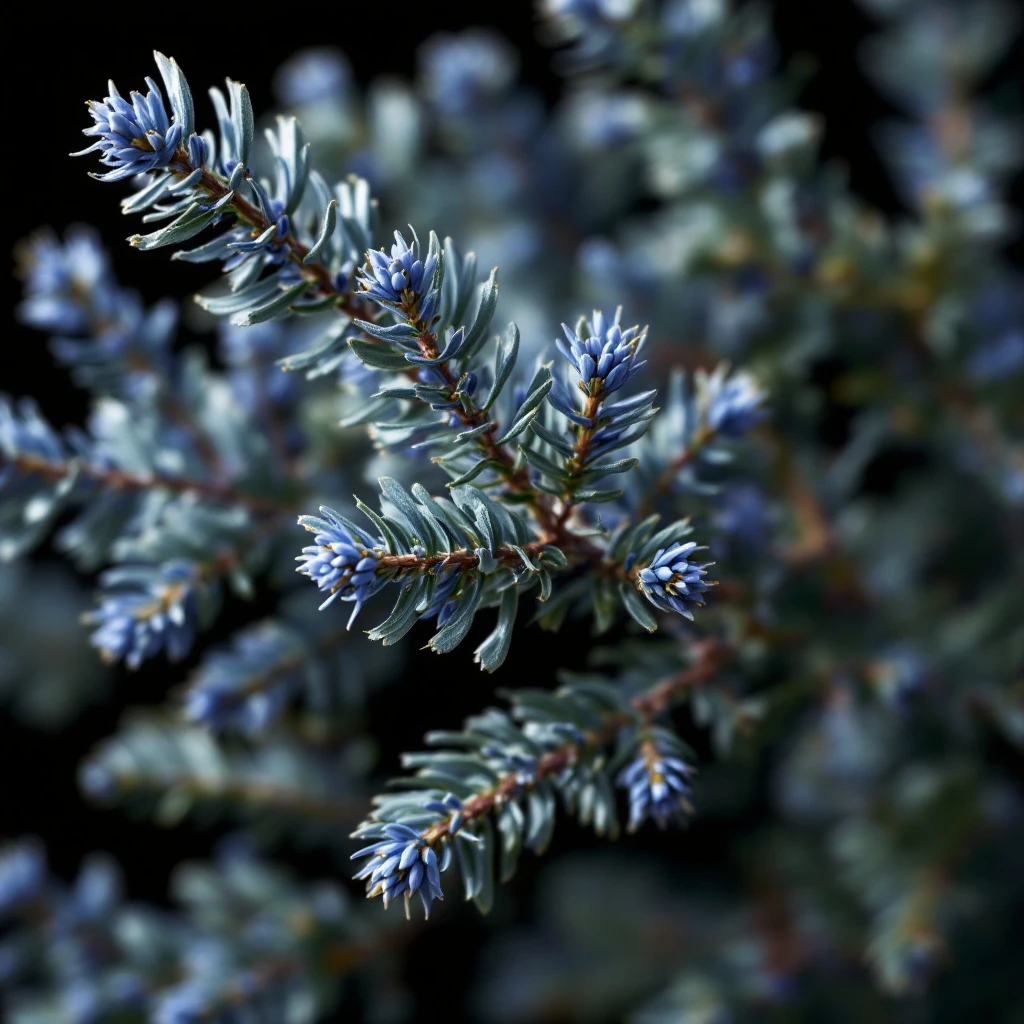
Lebanon Cedar appears on the nation's flag as a symbol of eternity and resilience, standing for over 3,000 years in the country's mountains.


Origin
Lebanon
Lebanon Cedar holds one of the oldest documented places in the history of fragrance. Ancient Egyptians imported the precious oil from Phoenician Lebanon to embalm their dead, believing the resinous wood preserved life itself. They mixed cedar oil with ointments and thick warm perfumes in ritual and cosmetic formulations.
Cedrus libani also built Solomon's Temple in Jerusalem and furnished the grand ships of Phoenician traders. Greeks and Romans later adopted cedar oil for its preservative and aromatic qualities, with Romans advancing distillation techniques that refined the extraction process. In Lebanese culture, the cedar remains an unbroken symbol, predating every major civilization that passed through the region.
The tree appears on the national flag, representing endurance and a connection to land that stretches back millennia. Natural perfumers still revere Lebanese cedar for its unique turpentine-woody character, unlike any other cedar species.
Wears it best
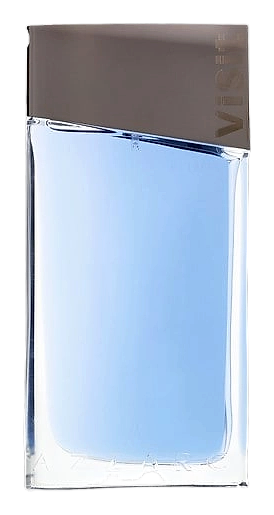
Fragrances featuring Blue Lebanon Cedar
Brands
Brands known for Blue Lebanon Cedar
Good to know
Questions, answered
The essentials on Blue Lebanon Cedar in perfumery: how it smells, where it comes from, and how it behaves on skin.
Why is Blue Lebanon Cedar so rare in modern perfumery?
Old-growth Cedrus libani forests in Lebanon are protected and endangered, making wild-harvested essential oil exceptionally scarce. Most perfumers work with synthetic recreations that mirror its distinctive camphorated, turpentine-like character.
How does Lebanon Cedar smell compared to Virginia Cedar?
Lebanon Cedar carries a drier, more camphoraceous, almost medicinal quality. Virginia Cedar is smoother, sweeter, and creamier. The Lebanese variety leans sharper and more resinous in its opening.
Is Blue Lebanon Cedar used in men's or women's fragrances?
It is entirely gender-neutral. The note appears across masculine, feminine, and unisex compositions, functioning as a structural base note in woody, aromatic, and fougère families.
What fragrance families pair well with Lebanon Cedar?
It combines naturally with bergamot, lavender, vetiver, labdanum, and incense materials. These pairings amplify its warm, dry, and slightly medicinal character.
Is Blue Lebanon Cedar natural or synthetic?
Both exist. True natural oil comes from steam distillation of Cedrus libani heartwood. In practice, most fragrance formulations use high-quality synthetic aroma chemicals to recreate the scent profile consistently.
Why was Lebanese Cedar significant in ancient Egyptian culture?
Egyptians imported it specifically for embalming, as the oil's natural preservative qualities protected bodies for eternity. This made it one of the earliest documented fragrance ingredients in human history.
What does the cedar tree symbolize in Lebanon?
It represents eternity, resilience, and immortality. The tree appears on the Lebanese flag and has been celebrated in poetry and culture for over 3,000 years.
Does Blue Lebanon Cedar smell like pencil shavings?
That common cedar association comes from Virginia Cedarwood oil. Lebanon Cedar is drier, more turpentine-like, and carries a distinct camphor edge rather than the sweet pencil-wood character.