Blue Hydrangea
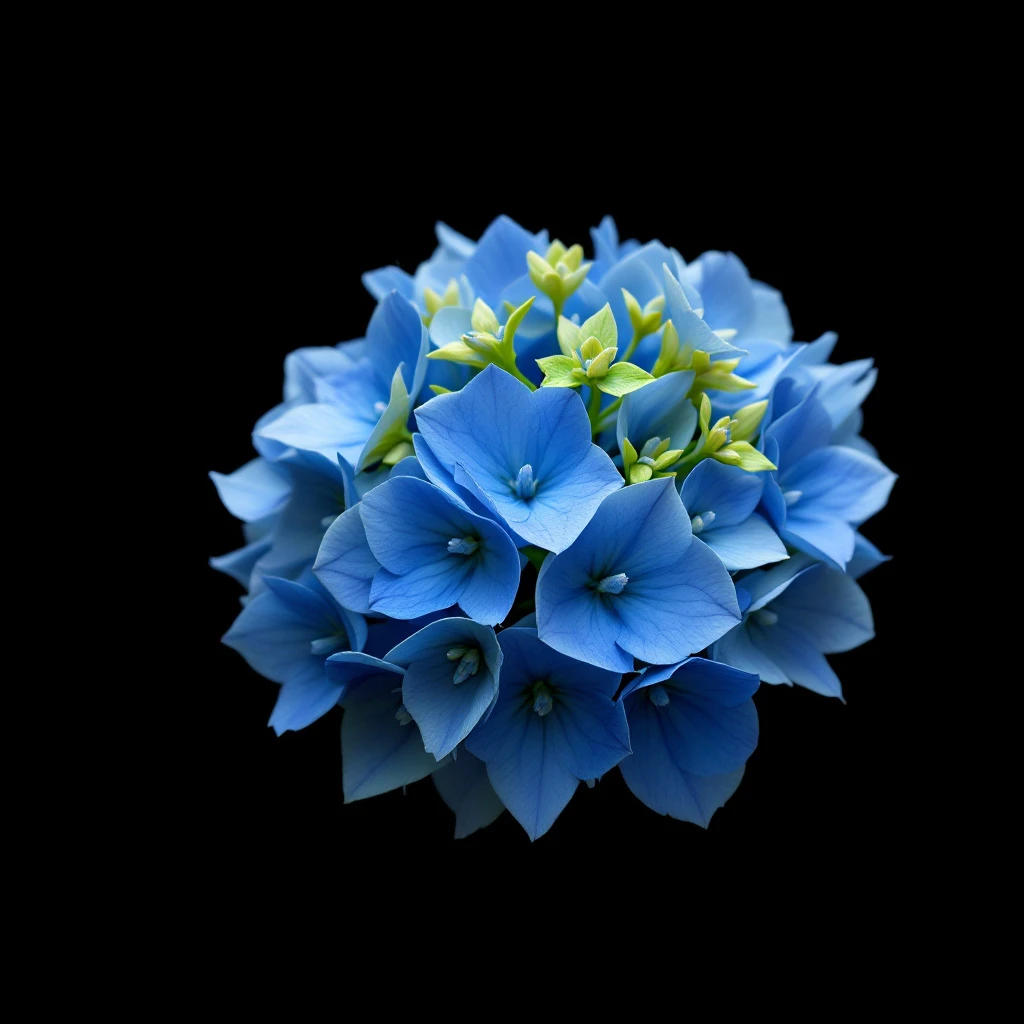
Blue Hydrangea captures the essence of a dewy summer garden at peak bloom. Its fresh, watery floral character brings an immediate sense of calm to fragrances, evoking the soft clouds of blue petals that have graced Japanese gardens for centuries.
Character
How it smells
Fresh, dewy florals from the Japanese garden.
Hydrangea color depends entirely on soil pH: acidic soil produces blue blooms, while alkaline soil turns them pink.



Origin
Japan
Hydrangea macrophylla originated in the mountains of Japan and Korea, where it has grown wild for millennia. Japanese horticulturists began cultivating and breeding the plant over 400 years ago, developing the prized blue varieties that became cultural symbols. The flower's name comes from the Greek 'hydor' (water) and 'angeion' (vessel), referring to its seed pods.
While hydrangeas have been garden staples in East Asia for centuries, their inclusion in Western perfumery remained rare until synthetic recreation became possible in the late 20th century. Today, blue hydrangea accord appears in numerous modern fragrances as a fresh, romantic floral component that evokes nostalgia and tranquility.
Wears it best
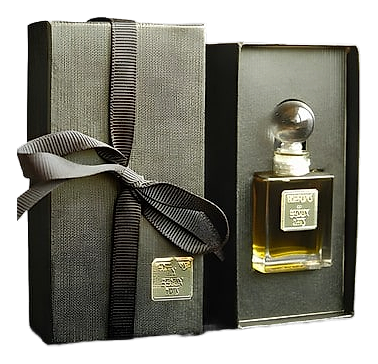
Fragrances featuring Blue Hydrangea
Brands
Brands known for Blue Hydrangea
Good to know
Questions, answered
The essentials on Blue Hydrangea in perfumery: how it smells, where it comes from, and how it behaves on skin.
Is Blue Hydrangea a natural or synthetic ingredient?
Blue hydrangea is always synthetic. The flower contains volatile aromatic compounds that dissipate within hours of harvest, making natural extraction impossible. Perfumers recreate its fresh, dewy character using laboratory-synthesized molecules.
What does Blue Hydrangea smell like?
Blue hydrangea smells fresh, green, and watery with soft floral undertones. The scent evokes dewy garden mornings and has a clean, romantic quality often described as peaceful and nostalgic.
What molecules create the hydrangea scent?
The accord typically combines ozonic notes (like calone), green alcohols (cis-3-hexenol), soft florals (linalool, phenylacetaldehyde), and watery notes to recreate the flower's distinctive dewy character.
When did hydrangea enter Western perfumery?
Hydrangea appeared in Western fragrances only after synthetic recreation became viable in the late 20th century. Natural hydrangea scent had never been successfully extracted for commercial use.
Why is hydrangea blue and does color affect scent?
Hydrangea turns blue when aluminum ions are absorbed from acidic soil. The color results from anthocyanin pigments and does not affect the fragrance, which comes from volatile organic compounds in the petals.
Is Blue Hydrangea commonly used in perfumery?
Blue hydrangea has become a recognized note in modern fragrance, particularly in fresh florals and aquatic compositions. It gained popularity in the 1990s and 2000s with the rise of ozonic and green-floral trends.
What fragrance families pair well with Blue Hydrangea?
Blue hydrangea works well with aquatic notes, light florals like lily of the valley and peony, citrus, green tea, and soft musks. It adds freshness to romantic and spa-like compositions.
Does the flower have historical significance in its native regions?
In Japan, hydrangeas (called ajisai) have significant cultural value. They bloom during rainy season, and temple gardens like those at Meiji Jingu host festivals celebrating their display. The flower symbolizes heartfelt emotion and gratitude.




