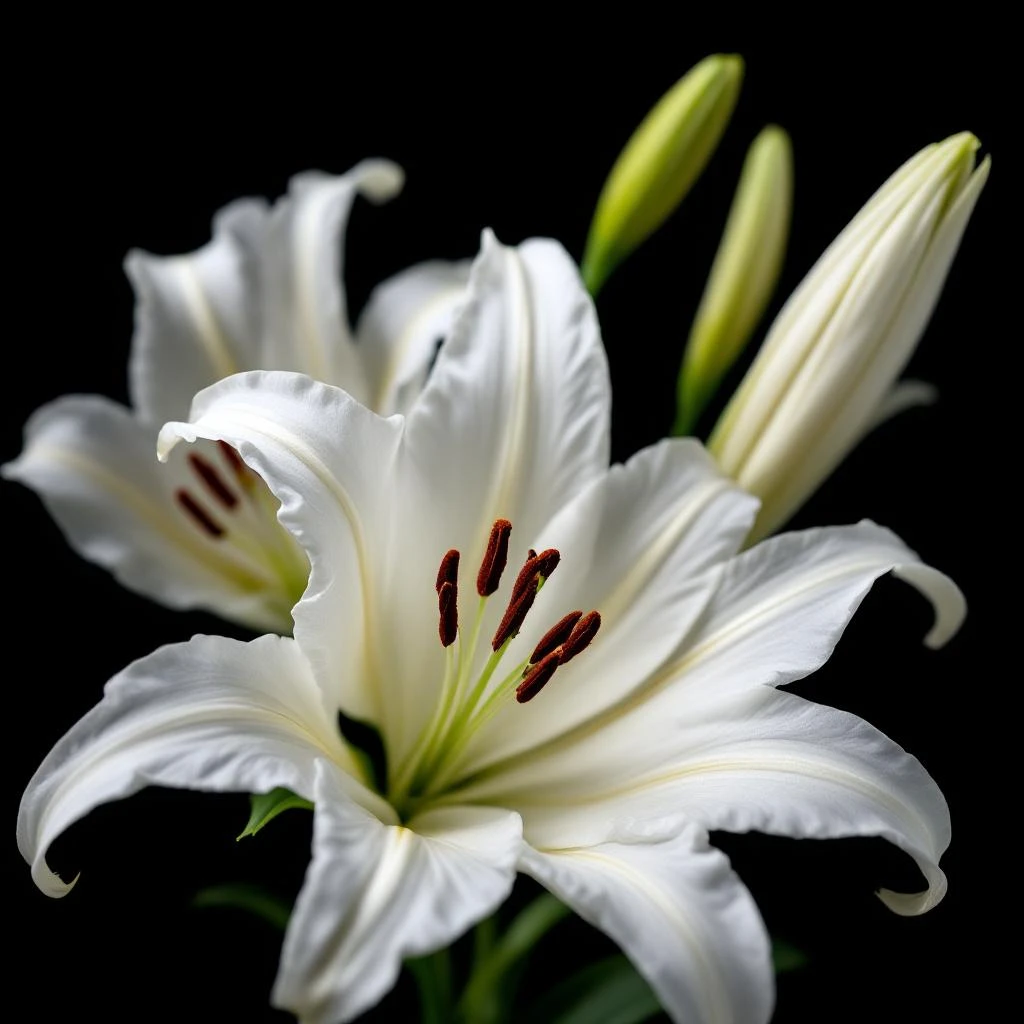
Blood Orange Blossom
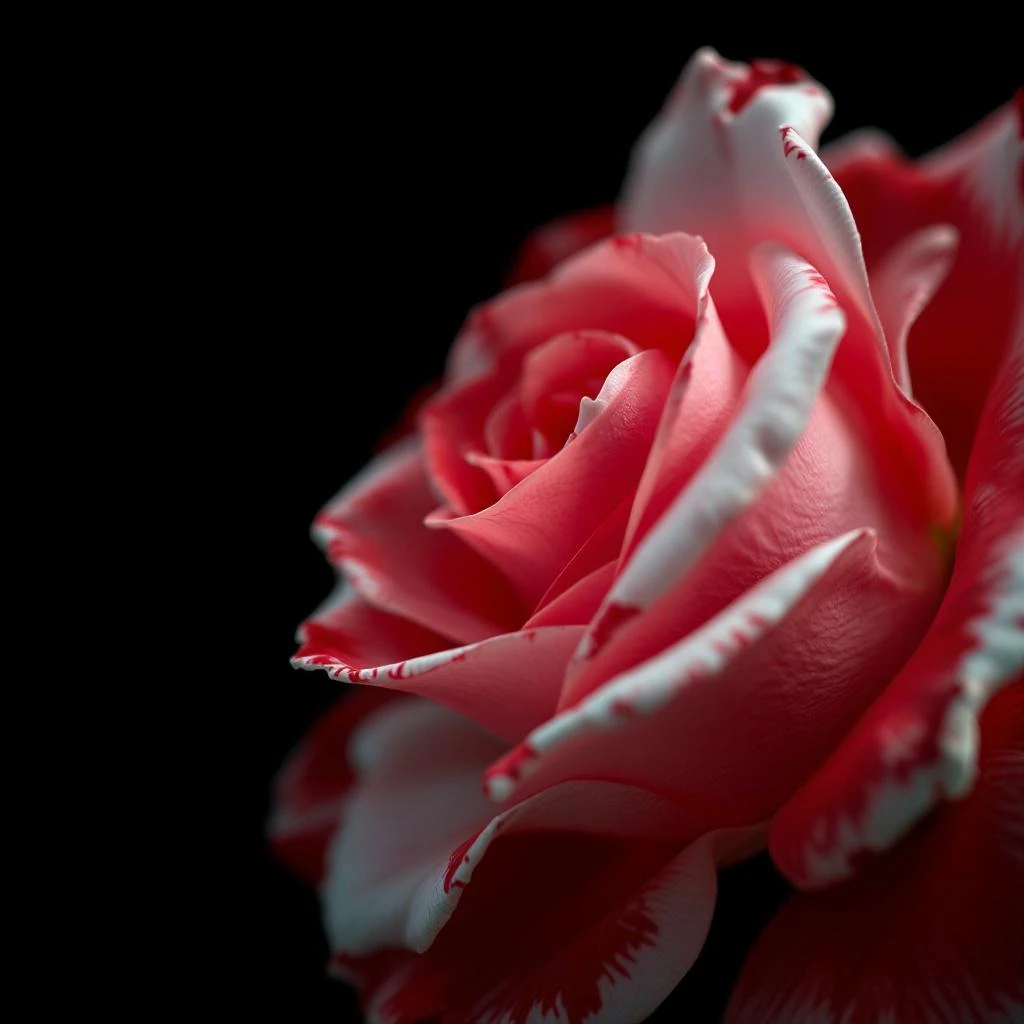
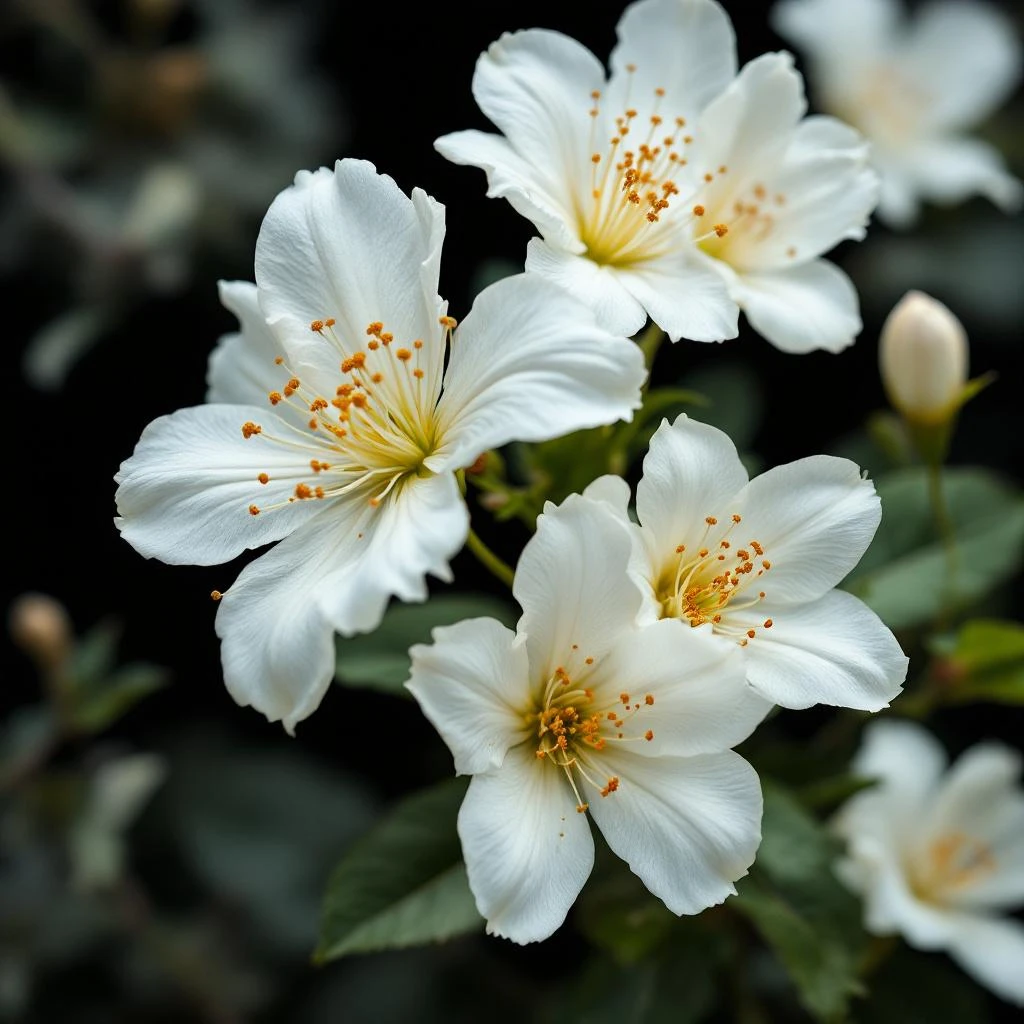
Blood orange blossom carries the fruit's vivid, tart character into a white floral note, pairing sunlit citrus brightness with soft, honeyed petals.
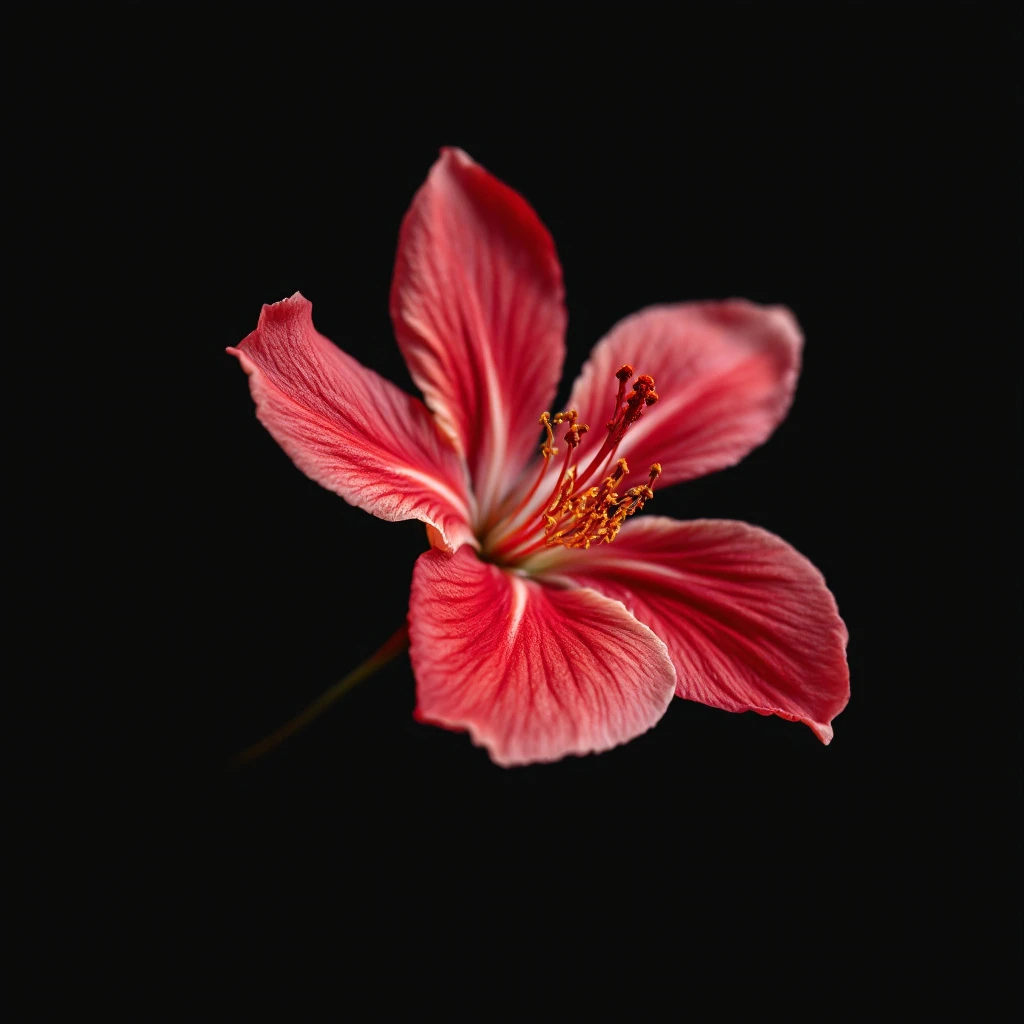
Character
How it smells
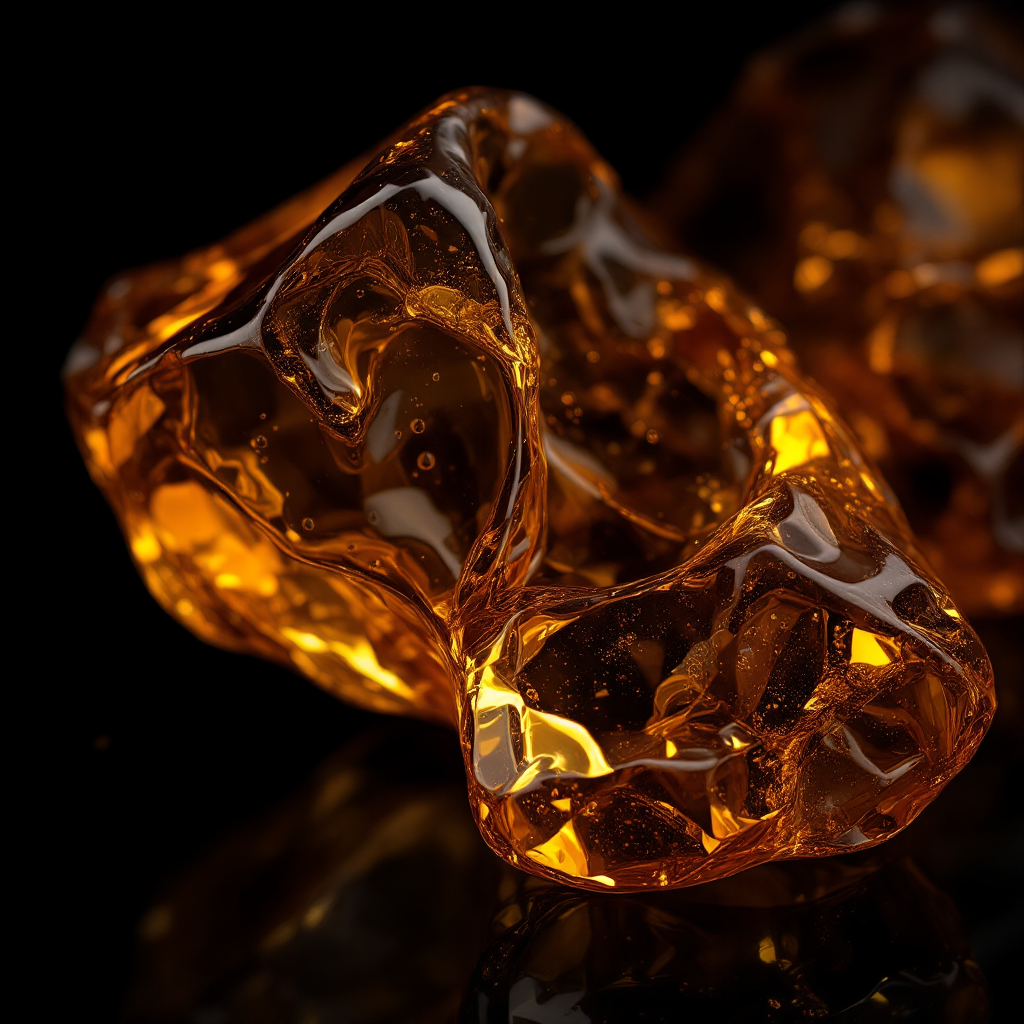
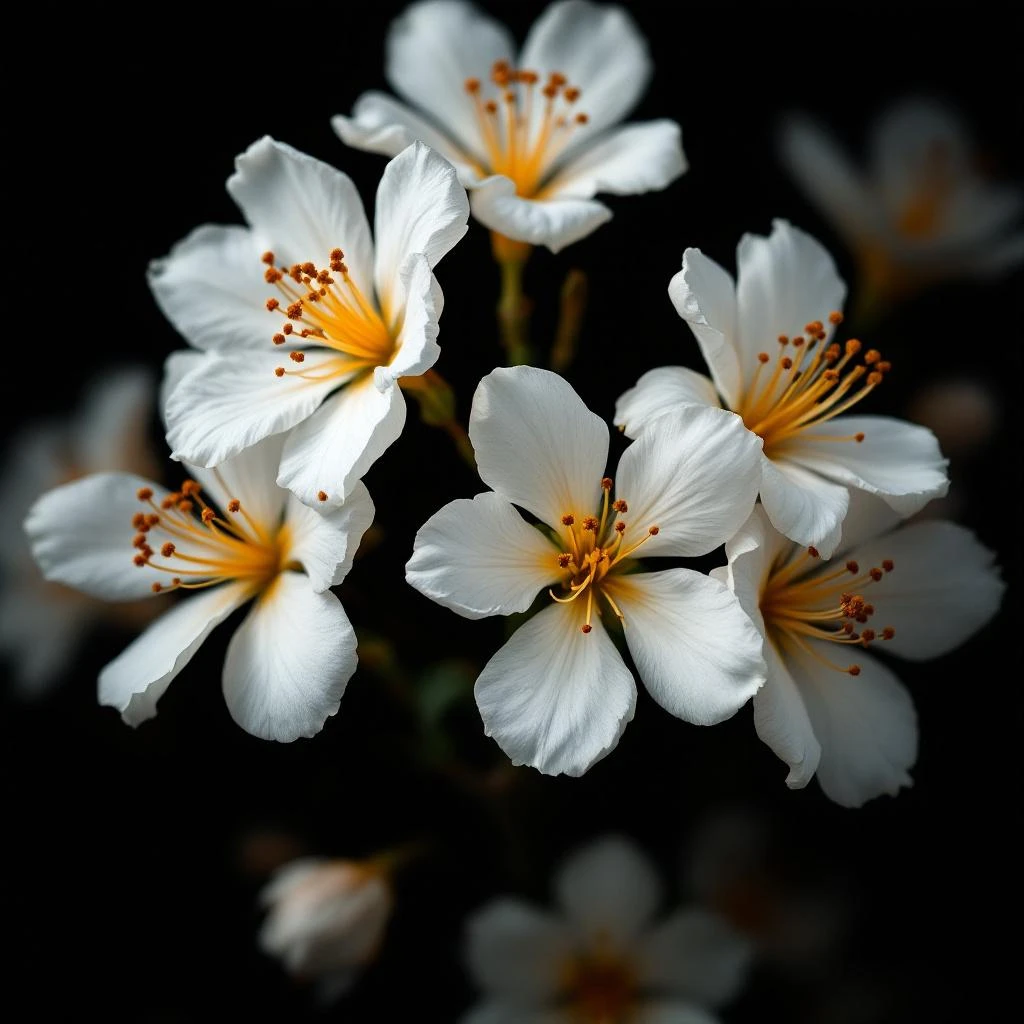
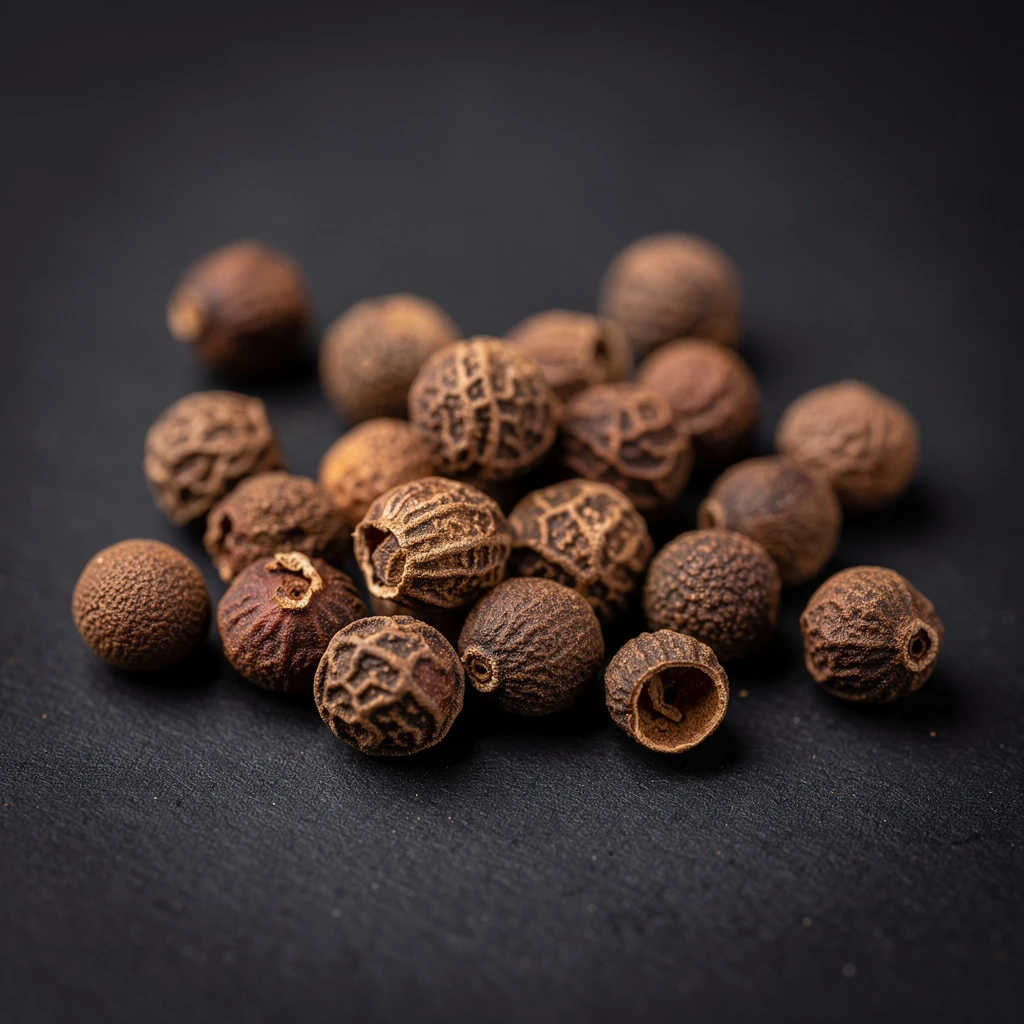
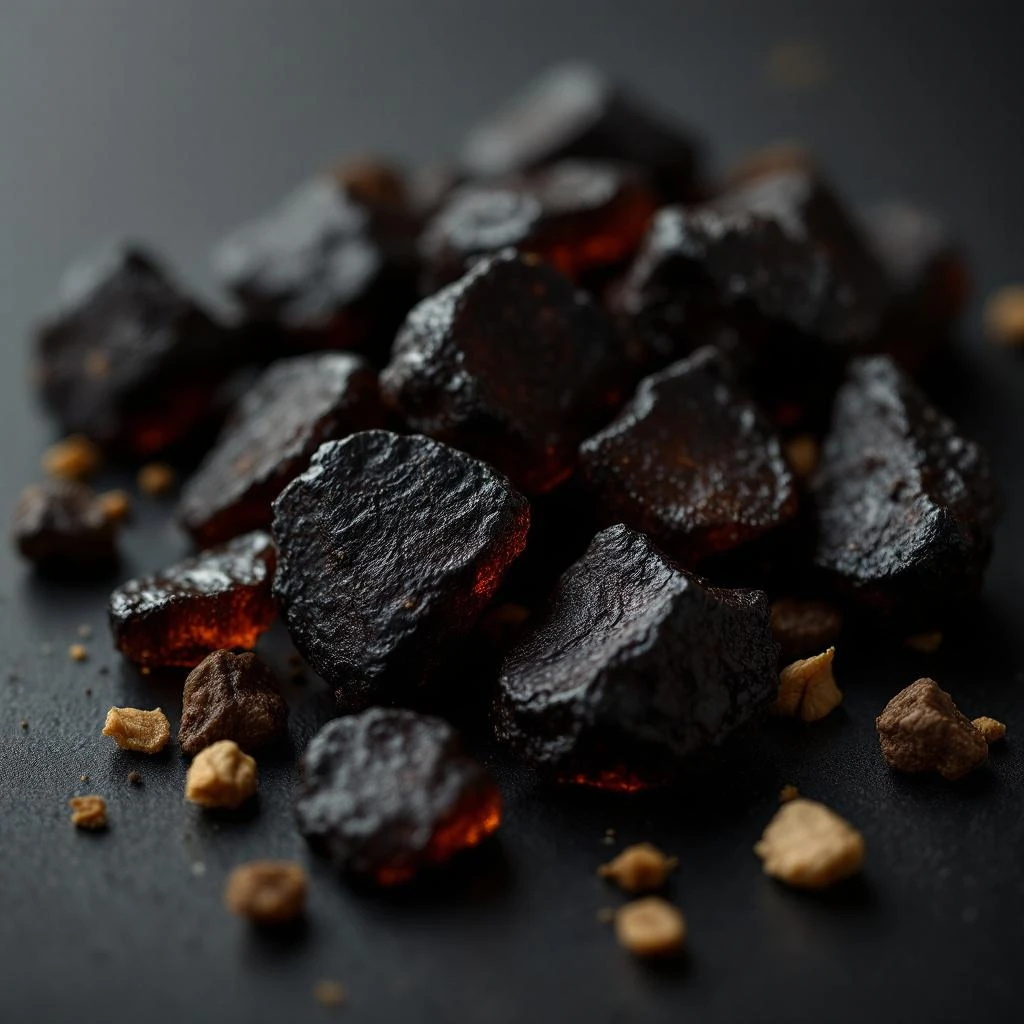
Bitter petals with a flash of blood orange.
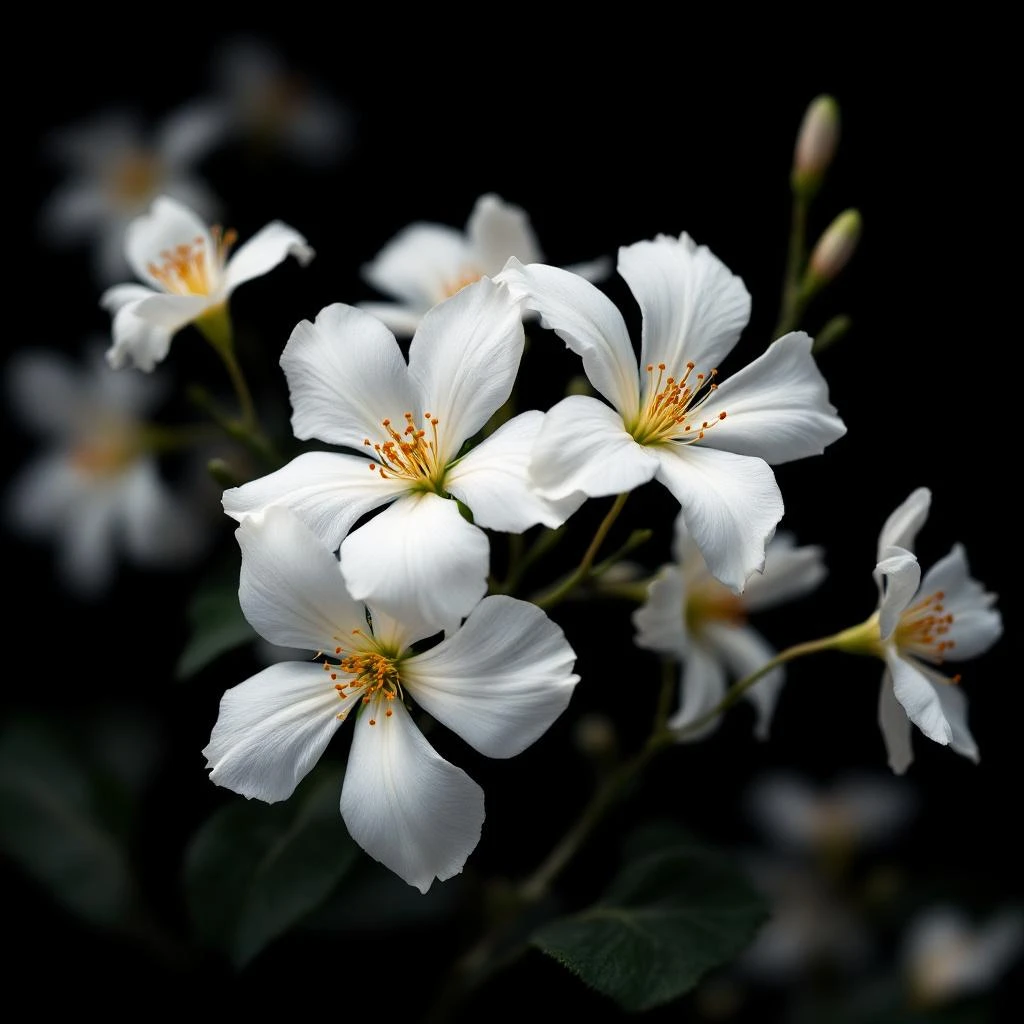
Bitter orange trees yield two distinct perfumery ingredients from their flowers: a rich orange blossom absolute and a clearer neroli oil.
Origin
France
Orange blossom has held a prominent place in European perfumery since at least the 18th century, appearing in formulas associated with Jean-Louis Fargeon, the royal perfumer to Louis XV. Bitter orange cultivation for fragrance spread across Mediterranean regions, including southern France, where the trees also produced petitgrain and neroli. The start of the 19th century saw French orange blossom cultivation expand, with flowers harvested for both domestic use and trade.
Production later declined through the mid-20th century as synthetic citrus materials gained ground, though the flower retained its cultural importance. In the tradition of orange flower water, it carried associations of bridal dressing, ritual bathing, and domestic fragrance. Blood orange varieties, known for their deep red flesh, bring a more striking tartness to the blossom than conventional sweet orange.
While many perfumes still rely on classic bitter orange flowers, the blood orange blossom note continues to lend a contemporary edge, combining bright citrus character with the soft, sensual weight of a white floral.
Wears it best
Fragrances featuring Blood Orange Blossom
Brands
Brands known for Blood Orange Blossom
Good to know
Questions, answered
The essentials on Blood Orange Blossom in perfumery: how it smells, where it comes from, and how it behaves on skin.
What does blood orange blossom smell like in perfume?
It combines bright, tart citrus with soft white floral sweetness, often showing green stem notes and a honeyed undertone. The blood orange fruit adds a deeper, more vivid edge than ordinary sweet orange peel.
Is blood orange blossom the same as neroli?
No. Both come from bitter orange blossoms, but neroli is distilled into a light, transparent oil, while orange blossom absolute uses solvent extraction for a richer, warmer, more concentrated material.
Where does blood orange blossom come from?
France remains a major center for orange blossom cultivation, particularly in the south. Blood orange varieties grow across the Mediterranean, including Morocco, Spain, Italy, and Turkey.
How is blood orange blossom harvested for perfumery?
Blossoms are picked by hand, usually at peak openness, because mechanical harvesting damages the delicate petals. Early morning collection helps preserve the flower's fresh, radiant top notes.
How long has orange blossom been used in perfume?
Orange blossom appears in 18th-century European formulas, including scents attributed to Jean-Louis Fargeon. French cultivation expanded in the early 19th century, later declining as synthetic citrus materials rose.
Does blood orange blossom contain real citrus oil?
Blood orange peel oil supplies its characteristic tart, red-fruited citrus edge, distinct from the soft floral aroma of the blossoms. Some compositions blend both materials to suggest the fruit and flower together.
What fragrance family is blood orange blossom?
It sits mainly within the citrus floral family, combining peel-like brightness with white floral softness. Green and honeyed facets give it depth, but it does not read as a heavy floral note.
Is orange blossom absolute better than neroli oil?
Neither is superior; they serve different roles. Absolute suits richer, warmer compositions, while neroli suits lighter, more transparent citrus floral structures, so perfumers choose based on the desired depth.