Blackcurrant Cream
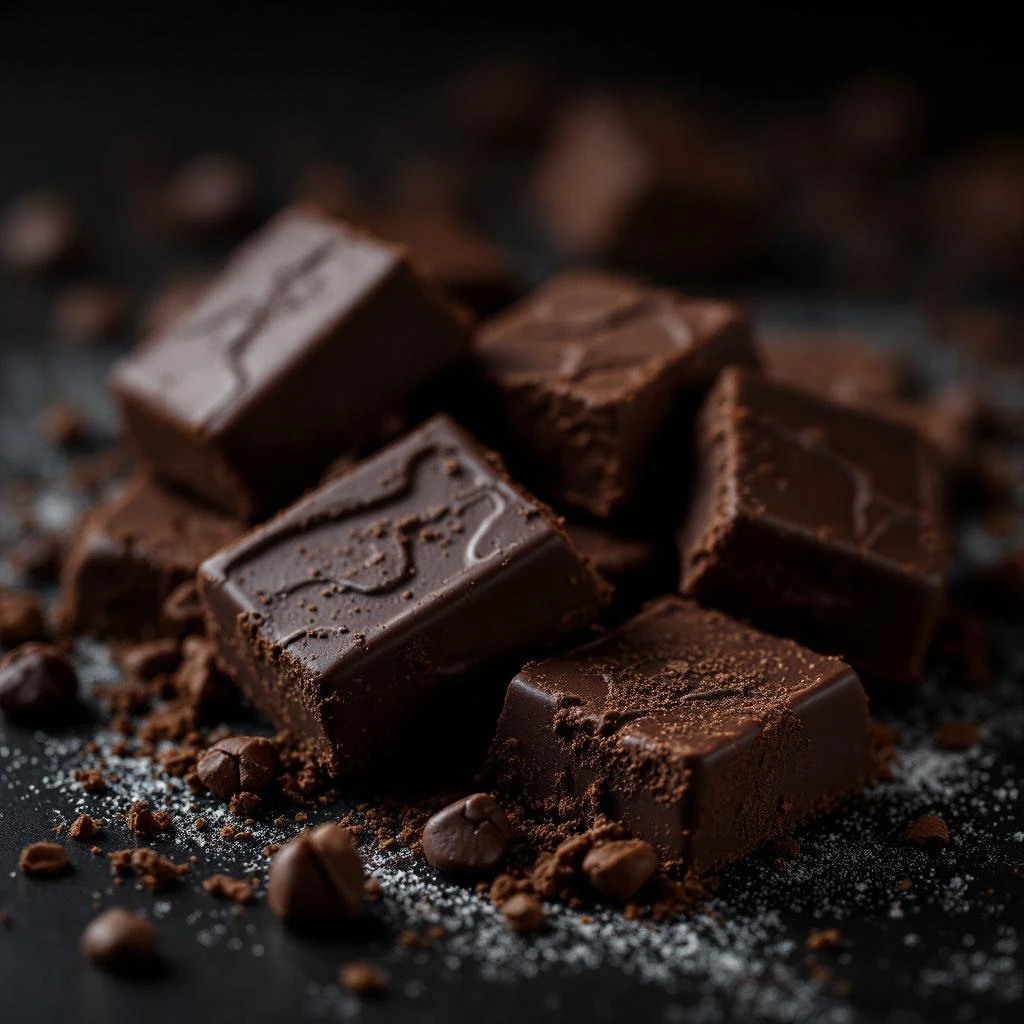
Blackcurrant Cream captures the tension between tart, sun-warmed berries and the velvety richness of fresh dairy. This modern composite note bridges fruity brightness with soft, gourmand warmth, creating fragrances that feel both contemporary and intimately familiar.
Character
How it smells
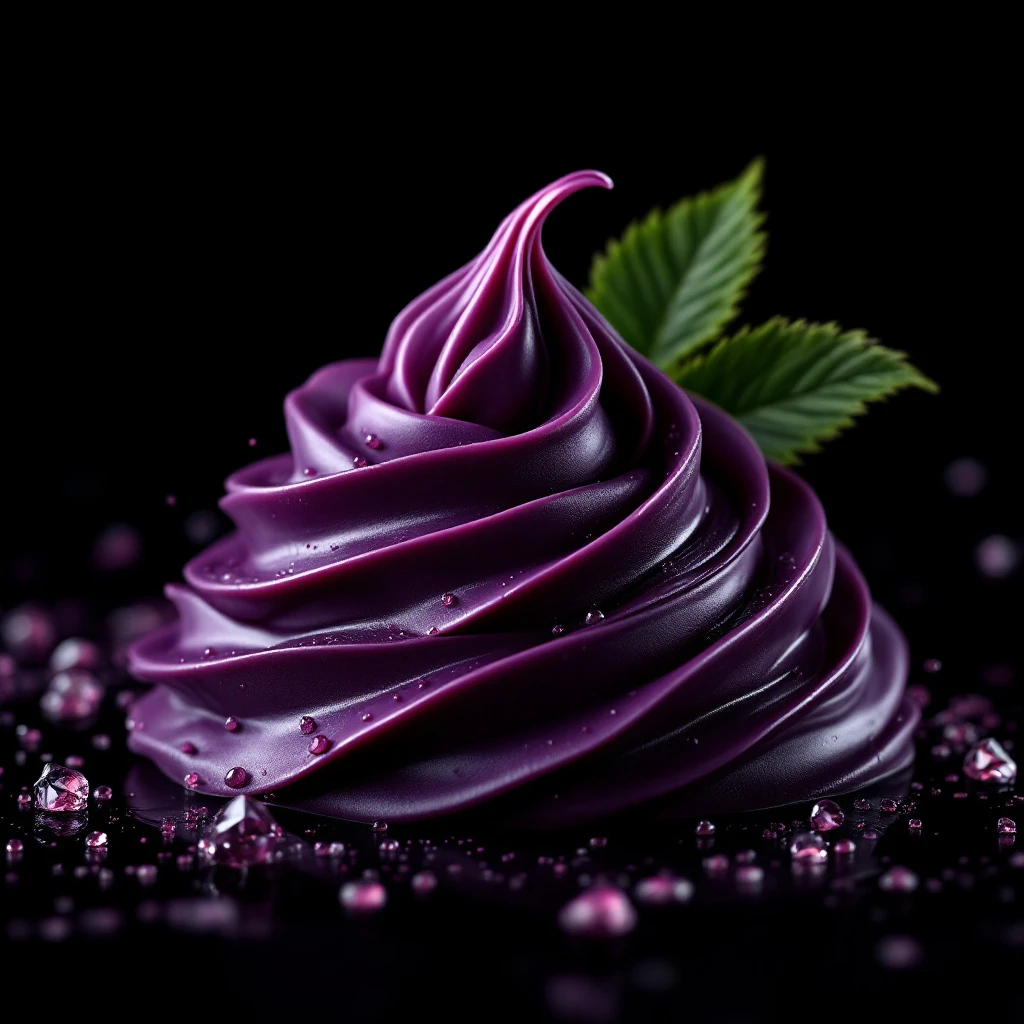
Tart berries meet velvet cream.
The characteristic 'catty' note in natural blackcurrant comes from thiols also found in cat urine, which perfumers transform into something delicious.



Origin
France
Blackcurrant has roots in European medicinal traditions stretching back centuries, where it served as remedies for everything from sore throats to digestive complaints. The fruit's aromatic potential went largely unexplored until 1841, when the first blackcurrant liqueur was crafted in Dijon, Burgundy, establishing the berry's connection to luxury gastronomy. Perfumery took longer to embrace the ingredient; perfumers began seriously working with blackcurrant absolute in the 1960s and 1970s, initially struggling with its aggressive green-thiol character.
The cream aspect emerged as perfumers sought to soften and round the note for modern tastes. By combining the fruit's tart signature with lactonic richness, Blackcurrant Cream represents a sophisticated evolution of blackcurrant from single-note freshness toward complex, layered interpretations that feel simultaneously natural and indulgent.
Wears it best
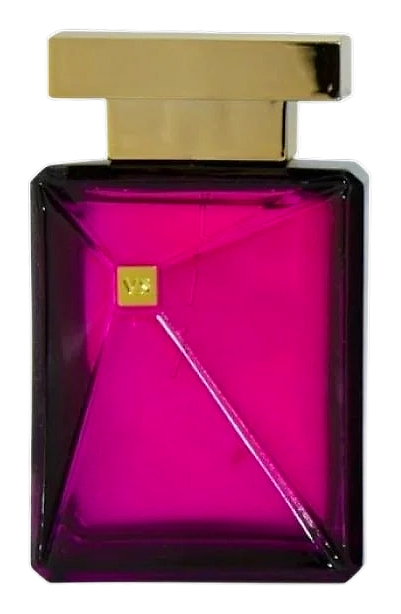
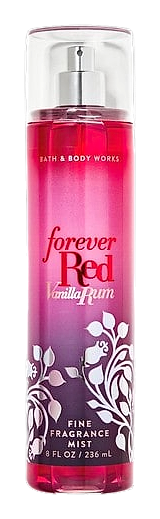
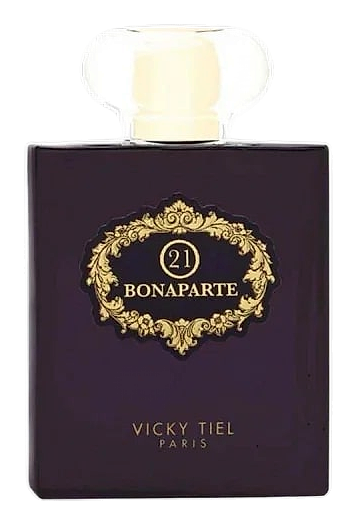
Fragrances featuring Blackcurrant Cream
Brands
Brands known for Blackcurrant Cream
Good to know
Questions, answered
The essentials on Blackcurrant Cream in perfumery: how it smells, where it comes from, and how it behaves on skin.
What does Blackcurrant Cream smell like?
Blackcurrant Cream combines the berry's tart, slightly sour freshness with rich, sweet cream notes. The effect resembles crushed blackcurrants stirred into vanilla custard, with green undertones cutting through the sweetness to keep it from becoming cloying.
Is Blackcurrant Cream a natural or synthetic ingredient?
It is typically a synthetic accord. Perfumers combine blackcurrant absolute (naturally extracted) with laboratory-created lactones and vanillin compounds to achieve the creamy component that cannot be replicated with natural ingredients alone.
What perfumes feature Blackcurrant Cream prominently?
This note appears frequently in modern feminine fragrances targeting the fruity-gourmand category. It provides an elevated alternative to simpler berry notes by adding depth and sophistication through the cream element.
How does Blackcurrant Cream differ from regular blackcurrant notes?
Standard blackcurrant reads as bright, tart, and green. Blackcurrant Cream temperaments that sharpness with creamy, slightly sweet undertones, creating a softer, more rounded impression better suited to skin proximity and longevity.
What fragrance families pair well with Blackcurrant Cream?
This note integrates naturally with floral, oriental, and fougère families. It adds fruity warmth to chypres, provides gourmand depth to florals, and brings a modern edge to classic oriental constructions.
Does Blackcurrant Cream have good staying power on skin?
The vanillin component provides moderate fixative properties, extending the blackcurrant's natural lifespan. On skin, expect moderate-to-good longevity, with the cream aspect lingering into the dry-down phase.
When was Blackcurrant Cream first used in perfumery?
The composite approach emerged in the 1990s as perfumers sought to soften aggressive blackcurrant notes. Early adoption appeared in feminine flankers and lifestyle fragrances seeking broader consumer appeal.
What makes the blackcurrant component distinctive?
Blackcurrant contains unique thiol compounds that create its signature green, slightly animalic character. These same molecules appear in other fruits but at different concentrations, giving blackcurrant its particular tart intensity.