Black Lily
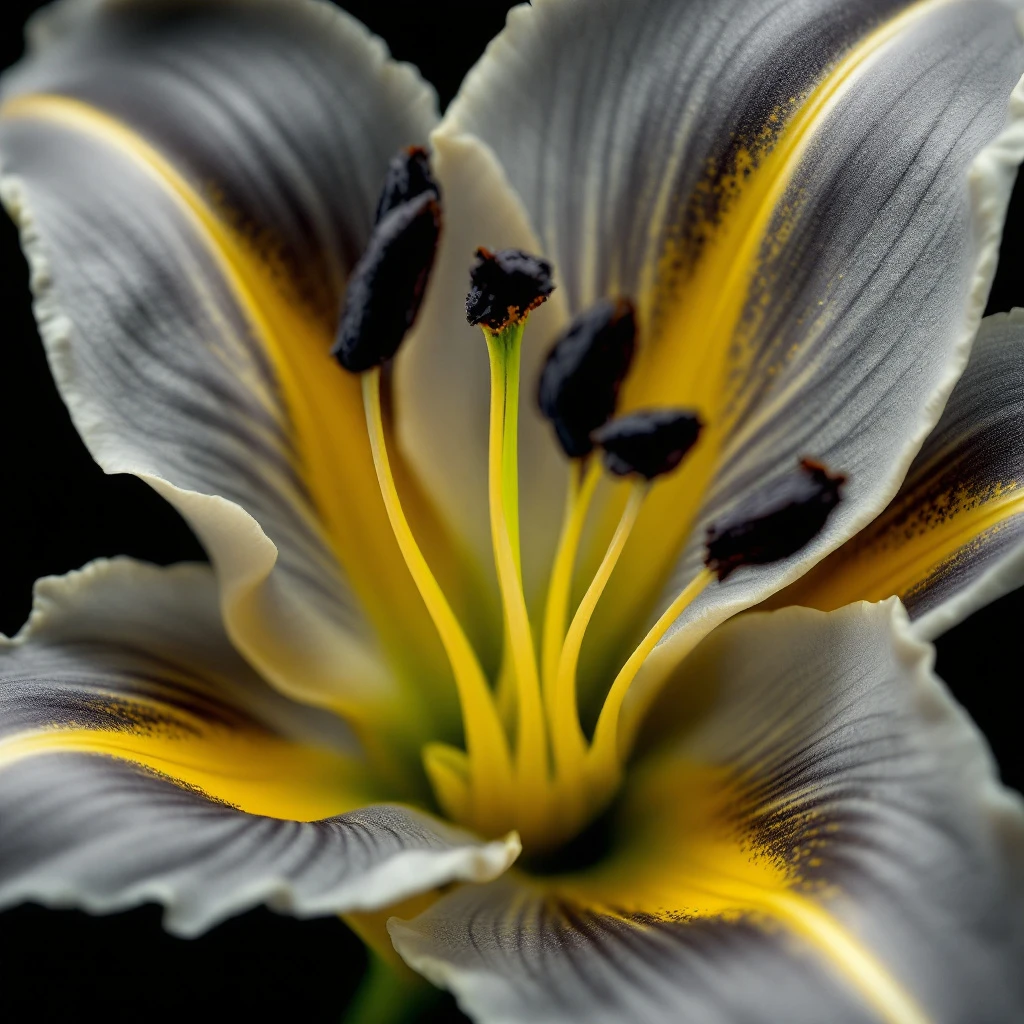
Beyond myth and pigment, 'black lily' is a perfumer's construction of depth. No flower wears true black, yet the accord conjures something darker, more intoxicating than pale petals ever could.
Character
How it smells
The illusion of darkness in a floral form.
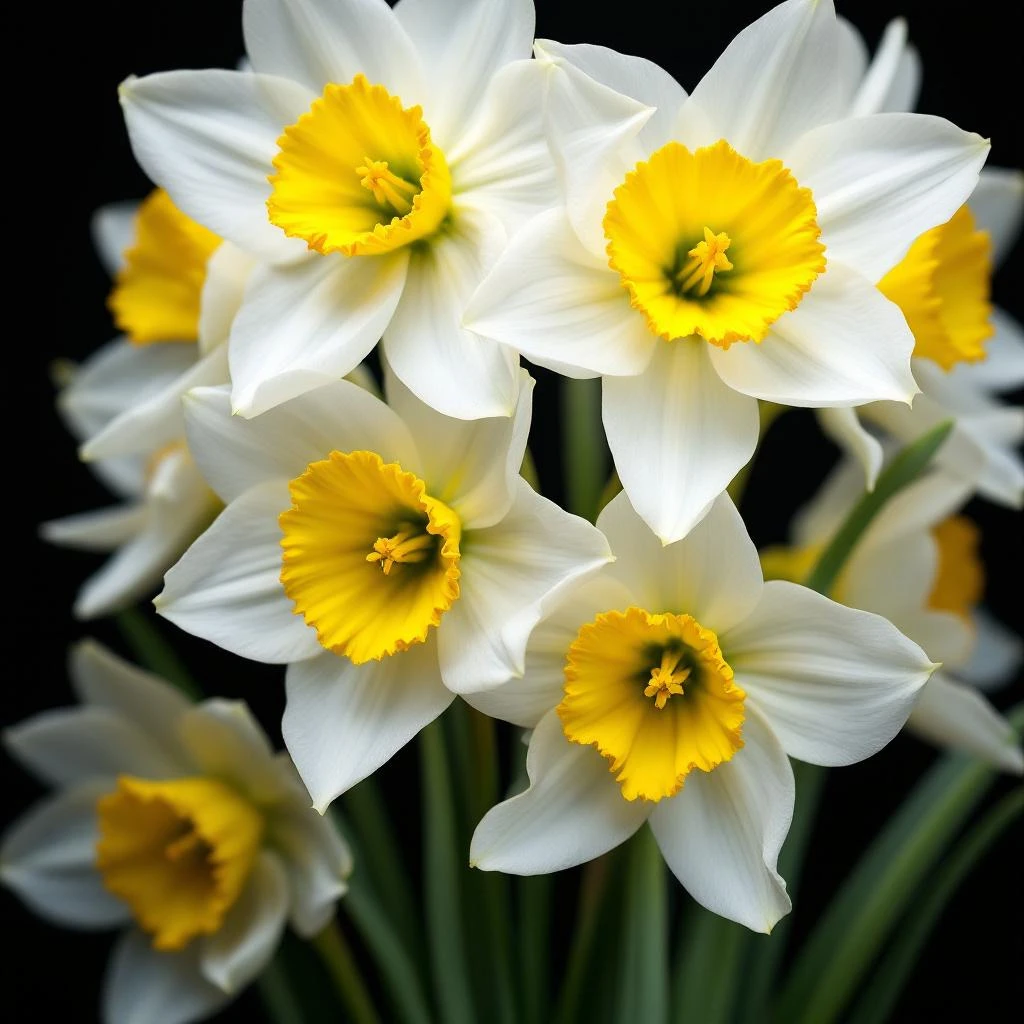
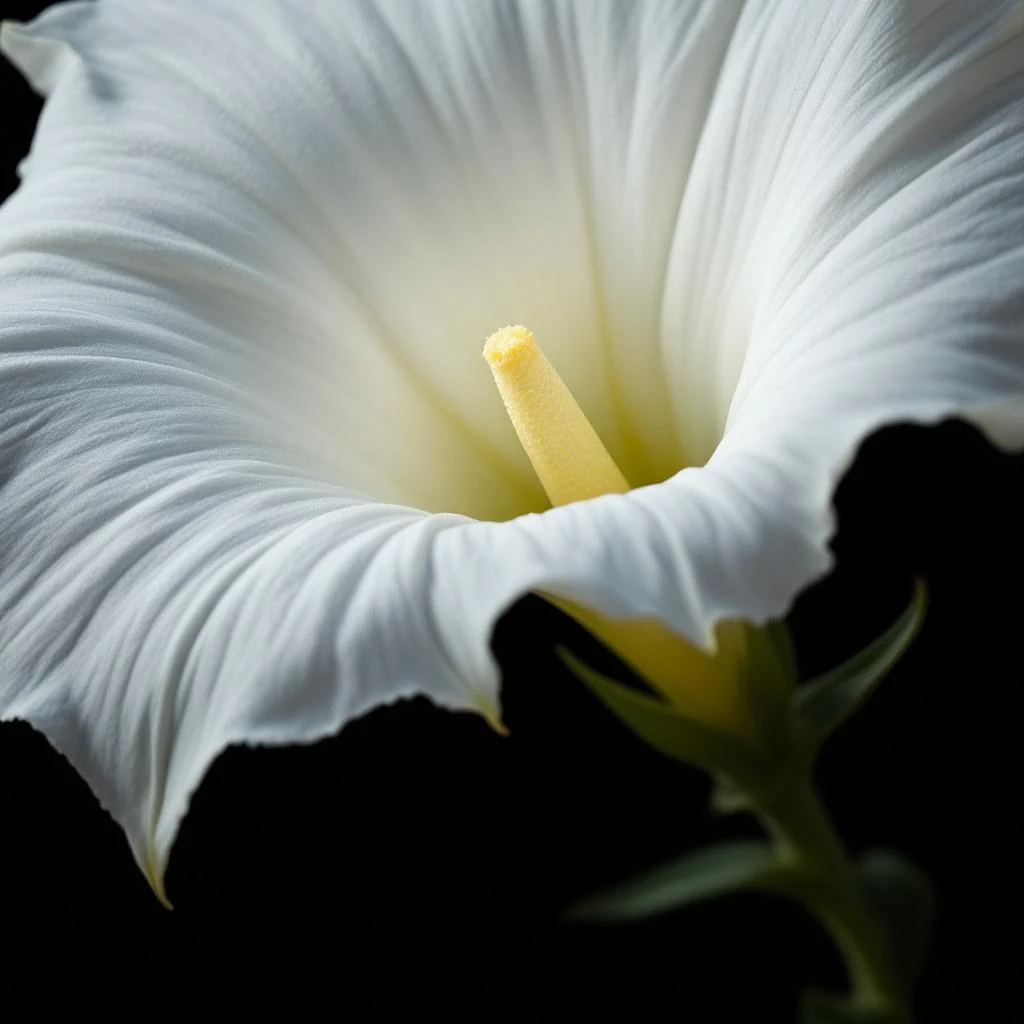
No botanical produces a truly black flower. Black lilies are deep maroon cultivars, their color amplified by high anthocyanin concentrations.




Origin
Netherlands
Lilies commanded reverence across ancient civilizations. Egyptians painted them in tomb frescoes. Greeks linked the flower to Hera, queen of the gods. Romans crowned victorious athletes with lily garlands at ceremonies.
Throughout East Asia, lilies held sacred roles, appearing on Buddhist altars and featuring prominently in Chinese poetry as symbols of maternal devotion and refined elegance. The concept of the black lily, however, emerged only in modern times. Horticulturists in the Netherlands developed deep-burgundy cultivars through selective breeding in the late 1800s. These dark varieties captured perfumers' imagination, inspiring accords meant to evoke mystery and intensity rather than innocence.
The name persists as a fragrance concept, not a botanical fact. In contemporary perfumery, it represents the deliberate creation of something darker than nature provides, honoring the lily's ancient heritage while departing from it entirely.
Wears it best
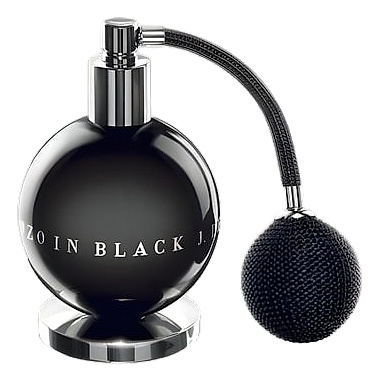
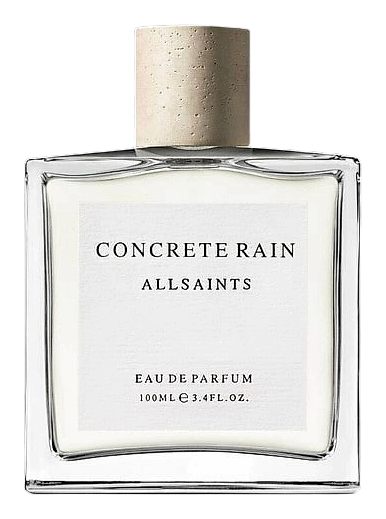
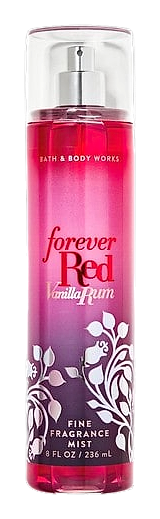
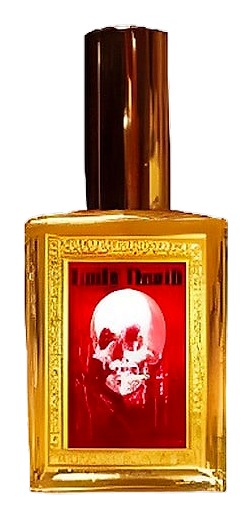
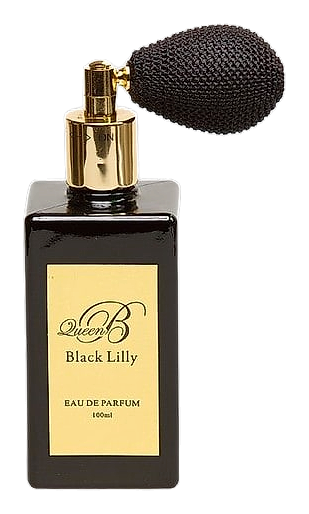
Fragrances featuring Black Lily
Brands
Brands known for Black Lily
Good to know
Questions, answered
The essentials on Black Lily in perfumery: how it smells, where it comes from, and how it behaves on skin.
Is black lily a real flower or a synthetic fragrance material?
Black lily is a fragrance concept, not a natural botanical. True black flowers do not exist. Perfumers construct the black lily accord using natural absolutes and synthetic aroma chemicals to achieve the characteristic dark, intense floral effect.
What does black lily smell like?
Black lily delivers a rich, deep floral scent with green undertones and a creamy, slightly spicy character. It reads as more intense and mysterious compared to lighter white lily notes.
How do perfumers create the black lily effect without black flowers?
By combining natural lily absolute with synthetic aroma chemicals like linalool and phenylacetaldehyde, perfumers reconstruct and amplify the deep, dramatic qualities that dark cultivars suggest.
Why are black lilies considered rare in nature?
Flowers producing pure black pigment do not occur in nature. Dark varieties called 'black lilies' are actually deep maroon or burgundy cultivars bred for high anthocyanin concentration.
When did the black lily concept emerge in perfumery?
Dutch horticulturists developed deep-burgundy lily cultivars in the late 1800s, inspiring perfumers to create accords that evoke mystery and intensity rather than the traditional innocence of white lilies.
Where do commercial lilies used in perfumery originate?
The Netherlands dominates global lily cultivation and exports, though lilies also grow commercially across Asia and North America in greenhouse operations.
How does black lily differ from standard white lily in fragrance?
Black lily accord carries more depth, green facets, and spiced warmth. Standard white lily notes tend toward clean, sweet, and watery floral characteristics.
Can black lily absolute be extracted from real lilies?
Yes, solvent extraction produces a genuine lily absolute from petals. Perfumers then layer this with synthetic materials to achieve the darker, more complex character that defines the black lily accord.



