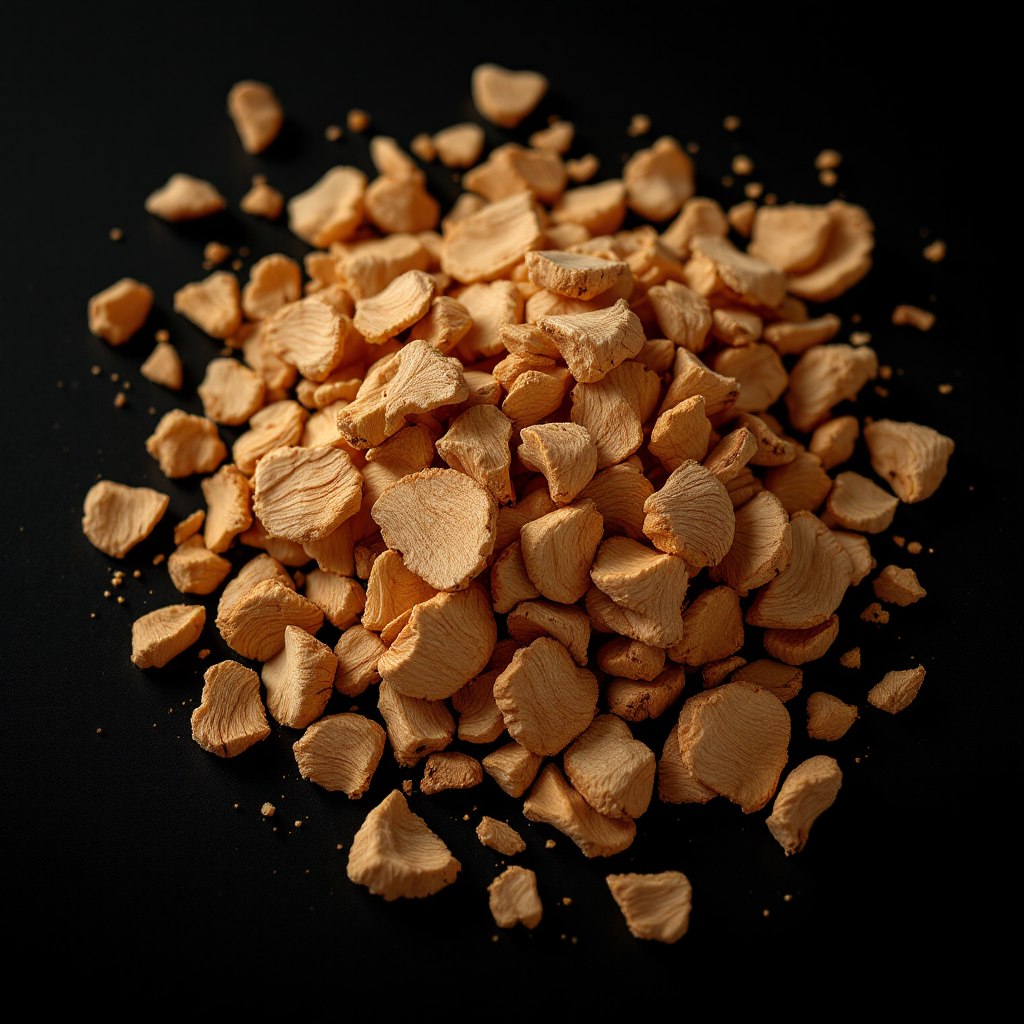
Black Woods
Born from a tree's defense mechanism, Black Woods captures the rare, resinous heart of agarwood. When Aquilaria trees fight infection, they produce one of perfumery's most coveted materials.
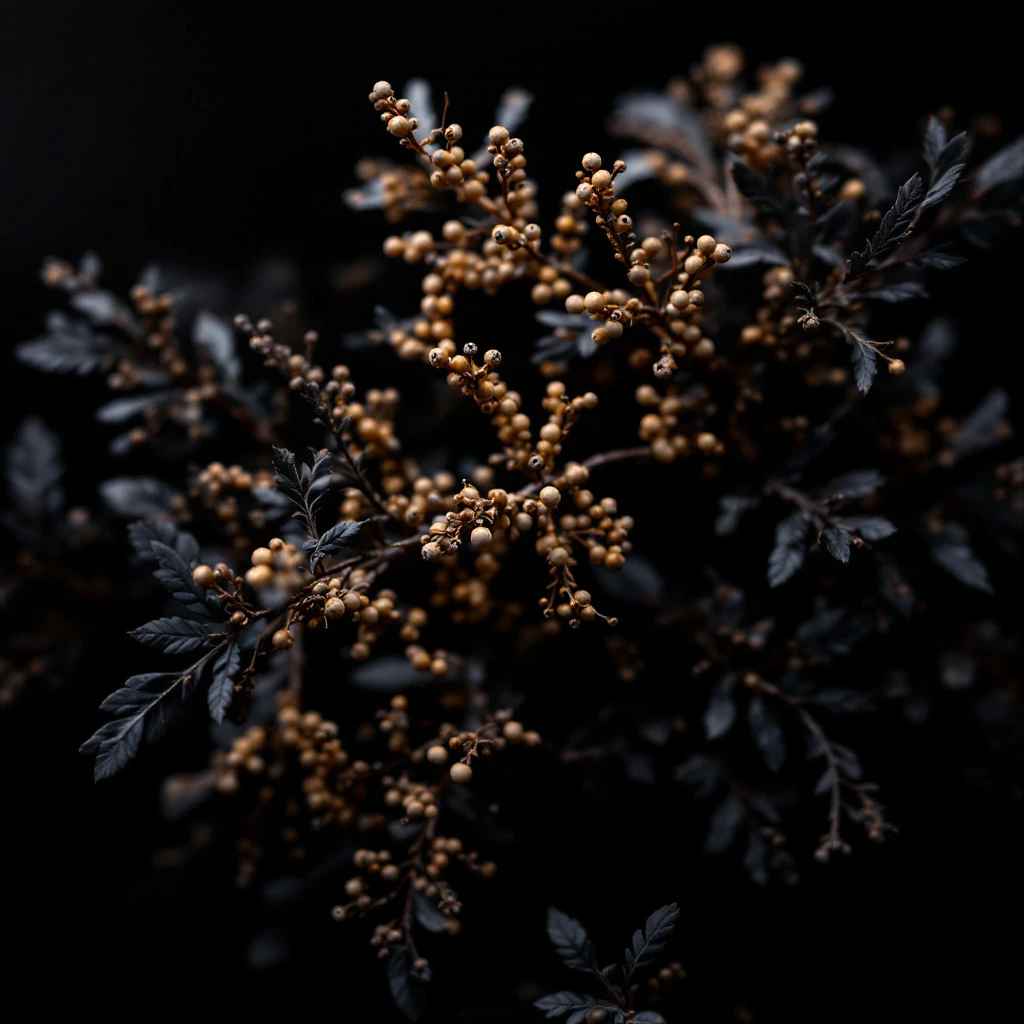
Character
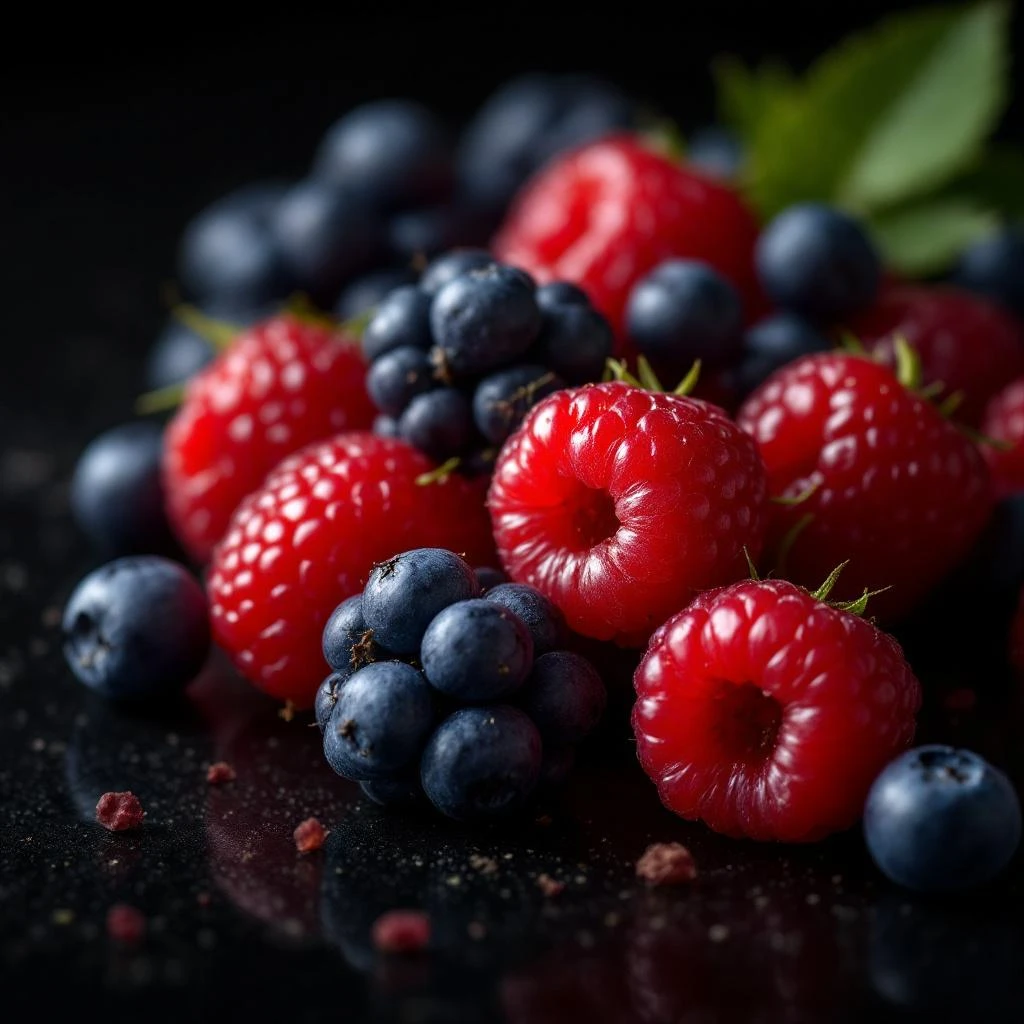
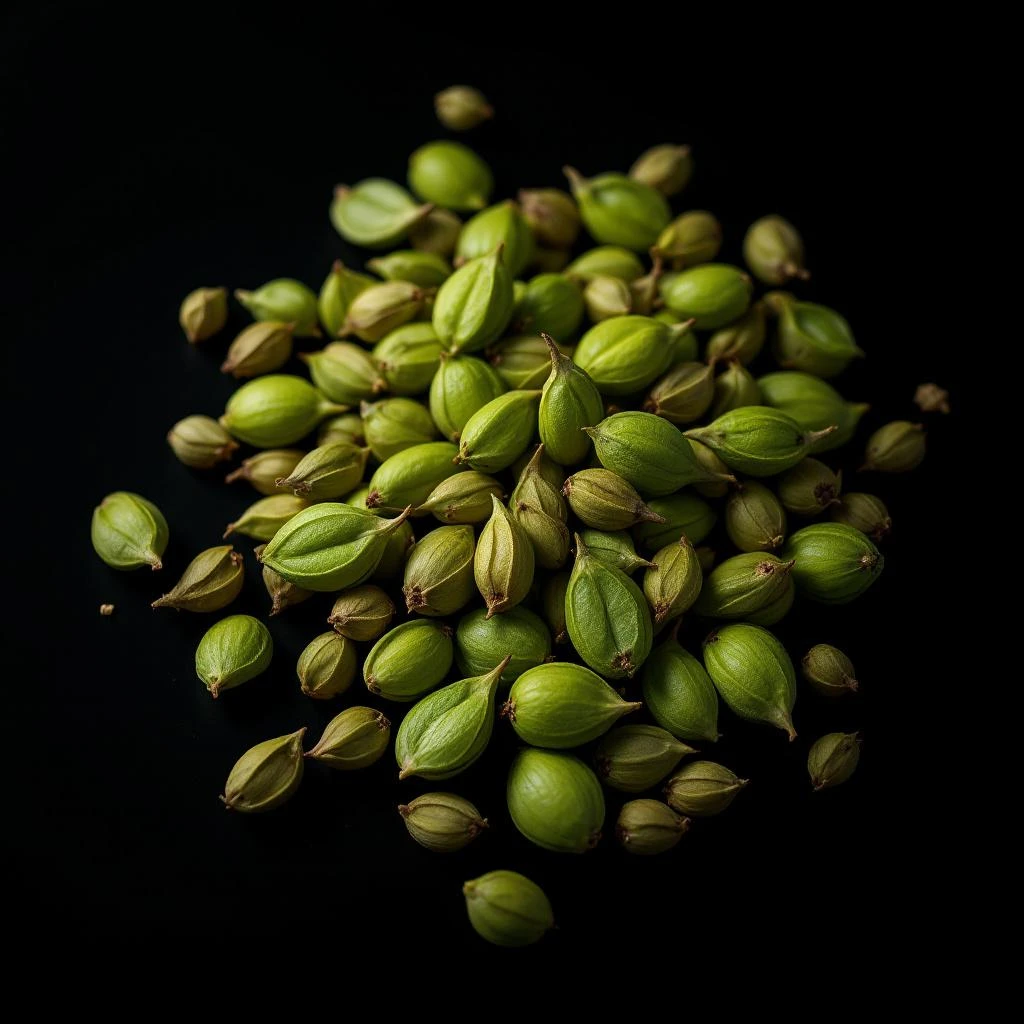
How it smells
Rare resin from a tree's battle for survival.
Only 1 in 20 Aquilaria trees naturally produce the resin that becomes agarwood, making genuine Black Woods rarer than gold.





Origin
India
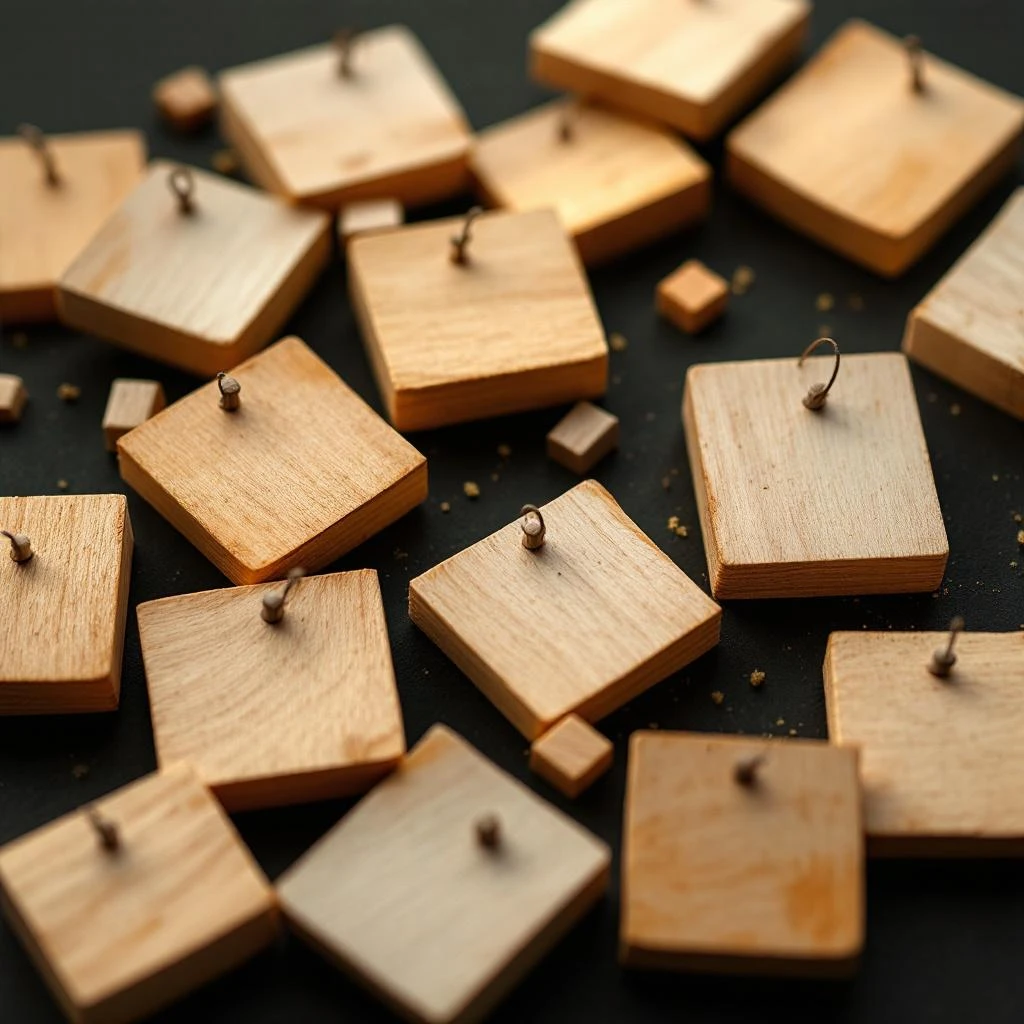
The story of Black Woods stretches back over two millennia. Ancient Egyptians prized agarwood for sacred rituals and luxurious balms. Buddhist texts from the 6th century CE describe it as a gift fit for royalty.
Arabian traders carried it along the incense routes, where it rivaled frankincense in value. Japanese and Chinese emperors burned agarwood incense during meditation and ceremony, believing it connected the physical and spiritual realms. European traders in the 16th century encountered it through Middle Eastern markets, introducing it to Western perfumery.
Today, sustainable cultivation has largely replaced wild harvesting, though the finest oils still require decades of natural infection to develop their characteristic depth.
Wears it best
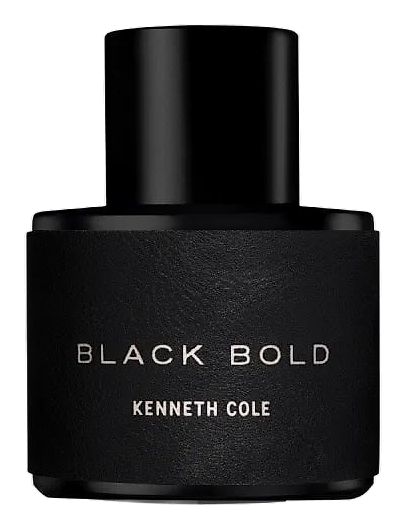
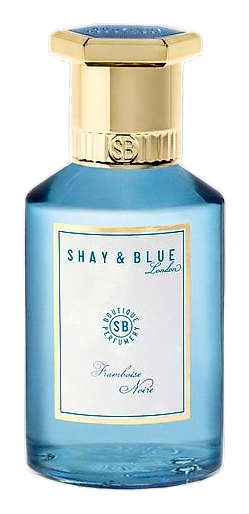
Fragrances featuring Black Woods
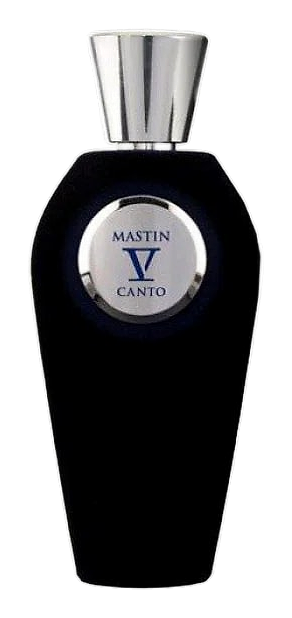
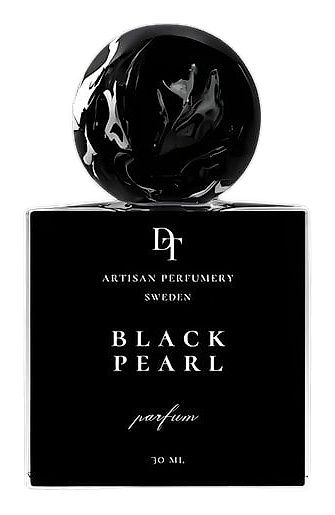
Brands
Brands known for Black Woods
Good to know
Questions, answered
The essentials on Black Woods in perfumery: how it smells, where it comes from, and how it behaves on skin.
What gives Black Woods its distinctive dark aroma?
The Aquilaria tree produces resin in response to infection, creating concentrated aromatic compounds. The longer the infection persists, the richer and darker the resulting oil becomes.
How rare is genuine Black Woods compared to other fragrance ingredients?
Fewer than 1 in 20 Aquilaria trees naturally produce usable resin. This makes high-quality Black Woods oil among the rarest ingredients in perfumery.
Can Black Woods be sustainably sourced?
Modern producers inoculate Aquilaria trees with controlled fungal infections, accelerating resin production. This method preserves wild populations while meeting market demand.
What fragrance families pair well with Black Woods?
Black Woods blends naturally with oriental and woody fragrance families. It adds depth to amber, vanilla, and spice compositions, and enriches leather and smoke accords.
How long does natural agarwood formation take?
Natural agarwood formation requires 20 to 50 years of infection before harvest. Artificially induced cultivation reduces this to 5 to 10 years while maintaining quality.
What does Black Woods smell like in a fragrance?
Black Woods delivers a complex profile combining dark sweetness, smoke, and resinous warmth. It often features animalic undertones with hints of dried fruit and aged wood.
Why has Black Woods been used in religious ceremonies for centuries?
Ancient cultures believed agarwood carried spiritual significance, burning it during meditation and sacred rituals. Its scarcity and intoxicating aroma reinforced its sacred status.
How is Black Woods oil quality graded?
Grades depend on resin concentration, wood origin, and distillation duration. Premium grades exhibit deep amber color, complex aroma, and superior longevity in fragrance formulations.