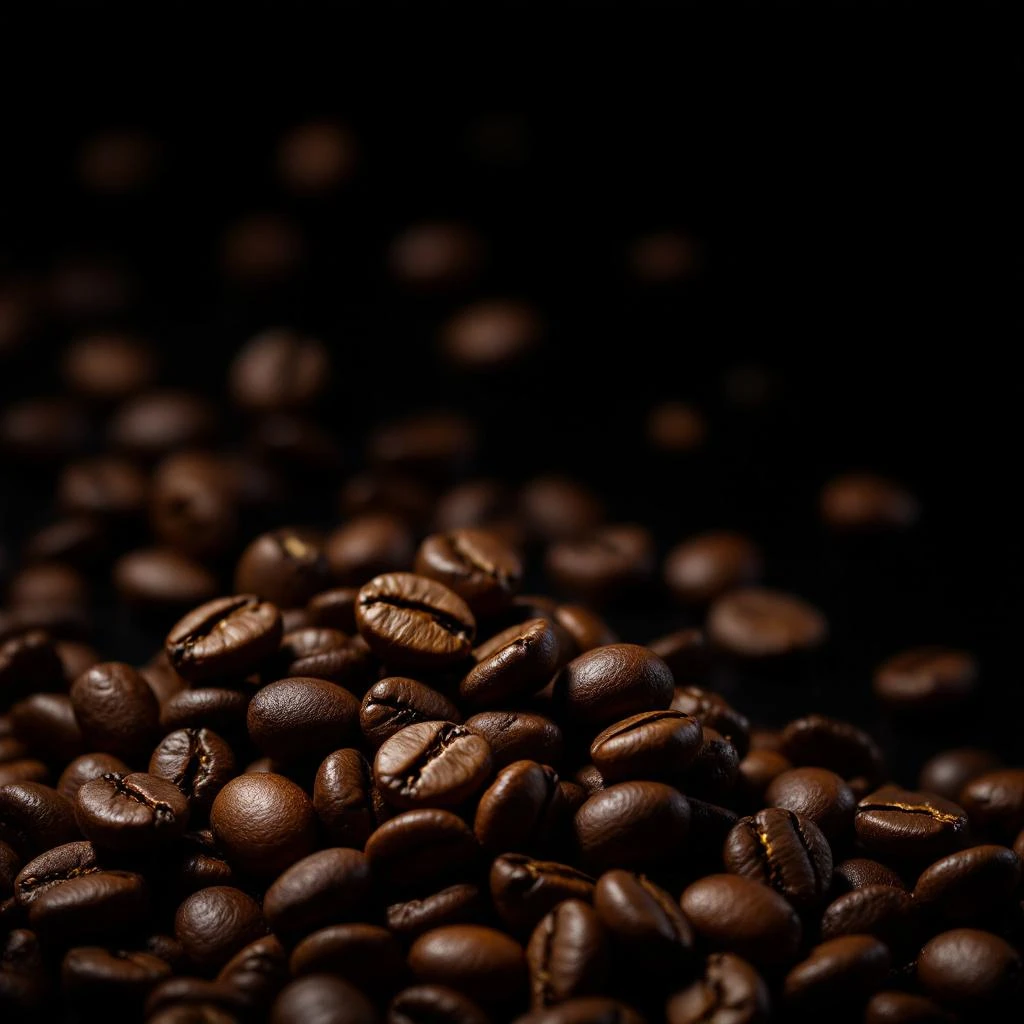
Black Vanilla
The dark, resinous husk of cured vanilla pods. Black Vanilla captures the pod's deepest layer—the intensely aromatic outer skin that holds the richest concentration of vanillin and smoky, almost tobacco-like warmth.
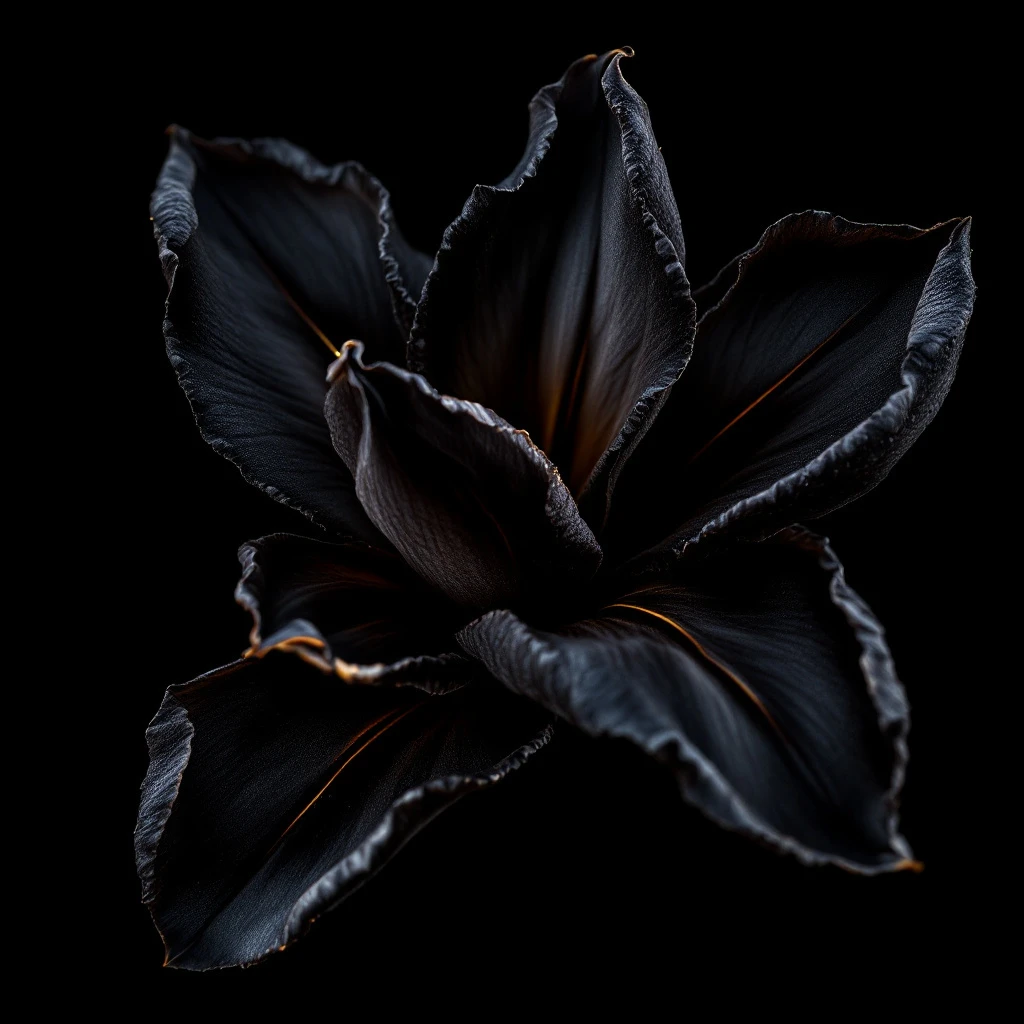
Character
How it smells
The darkest, most concentrated face of vanilla.
Each vanilla flower must be hand-pollinated. Without this manual intervention, vanilla orchids will not produce pods.





Origin
Madagascar
Vanilla originated in ancient Mesoamerica, where the Totonac people of what is now Mexico first cultivated the orchid Vanilla planifolia. Spanish conquistadors introduced vanilla to Europe in the 16th century, initially as a flavoring rather than a fragrance ingredient. The compound vanillin—the primary component responsible for vanilla's aroma—was isolated in 1858, paving the way for its use in perfumery.
In 1889, Aimé Guerlain created Jicky, the first modern fragrance to combine natural vanilla with synthetic vanillin. This marked a turning point: vanilla transitioned from culinary ingredient to fragrance staple. Ethylvanillin, a more potent derivative, followed in 1894, enhancing vanilla's gourmand character.
Today, while vanilla grows in tropical regions worldwide, Madagascar remains the primary source, producing beans with the complex, rich profile prized in fine perfumery.
Wears it best
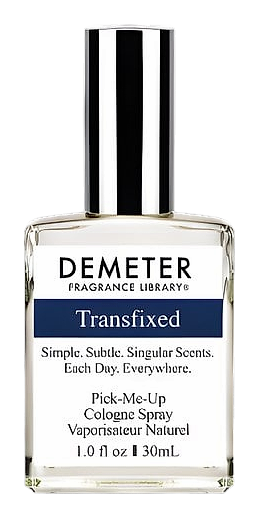
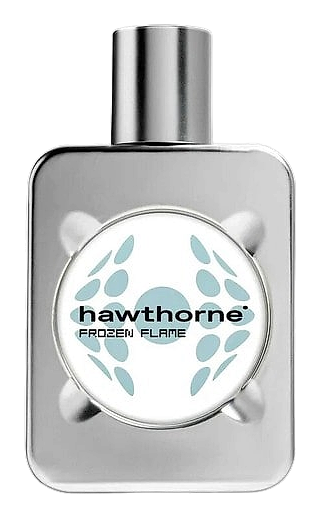
Fragrances featuring Black Vanilla
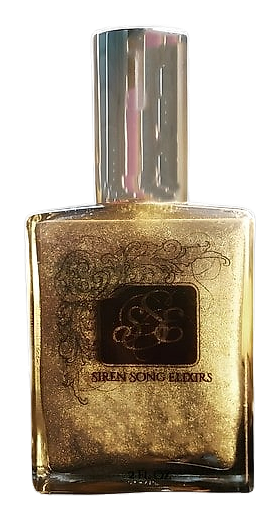
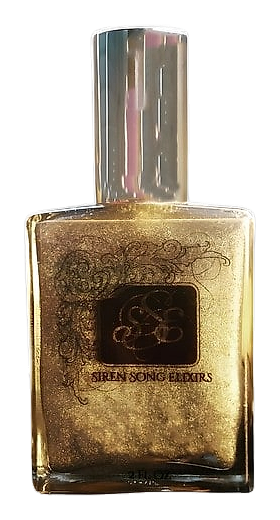
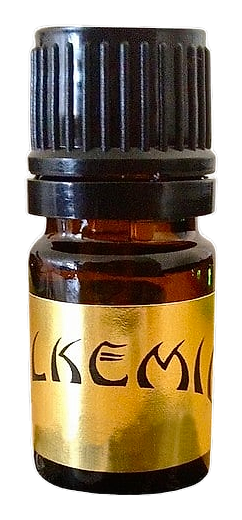
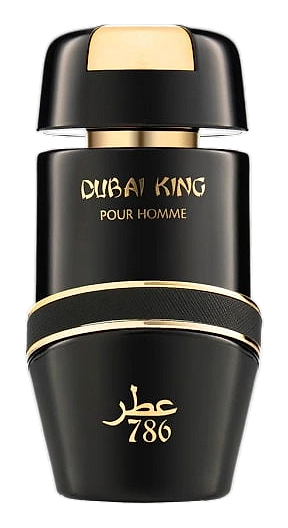

Brands
Brands known for Black Vanilla
Good to know
Questions, answered
The essentials on Black Vanilla in perfumery: how it smells, where it comes from, and how it behaves on skin.
What makes Black Vanilla different from regular vanilla extract?
Black Vanilla Husk is extracted from the outer skin of cured vanilla pods, yielding a more concentrated, smoky, and resinous material compared to sweet vanilla extract. It carries higher aromatic intensity with bitter and tobacco-like undertones.
Where does Black Vanilla come from?
Black Vanilla Husk primarily sources from Madagascar, which produces roughly 80% of the world's vanilla. The country's equatorial climate and terroir produce beans with particularly rich, complex flavor profiles.
Why does vanilla require artificial pollination?
In commercial cultivation regions outside Mexico, vanilla orchids lack their natural pollinators. Hand-pollination is necessary because the flower's anatomy requires physical transfer of pollen between male and female parts—a task performed by a specific bee in Mexico.
How long does vanilla take to become harvestable?
Vanilla pods require 8-9 months to mature after flowering. Following harvest, curing takes an additional 2-6 months to develop the characteristic brown color and aromatic complexity.
What extraction method produces Black Vanilla Husk?
A solvent extraction using ethyl alcohol from French sugar beets removes the oleoresin from dried, cured vanilla husk material. This method isolates the concentrated aromatic compounds in the pod's outermost layer.
What gives Black Vanilla its dark color?
The dark coloration develops during the curing process, where pods sweat, ferment, and dry over several months. This transformation breaks down chlorophyll and develops the brown-black hues characteristic of fully cured vanilla.
What aroma compounds define Black Vanilla?
Vanillin is the primary aromatic compound, but Black Vanilla Husk also contains guaiacol, 4-hydroxybenzaldehyde, and other phenolics that contribute smoky, slightly bitter, and resinous notes beyond sweet vanilla.
Why does vanilla smell so universally appealing?
Vanilla's aroma activates the brain's reward pathways, producing a comforting psychological response. This preference may be evolutionary—vanilla's sweet, familiar scent signals calorie-rich foods, triggering innate attraction.