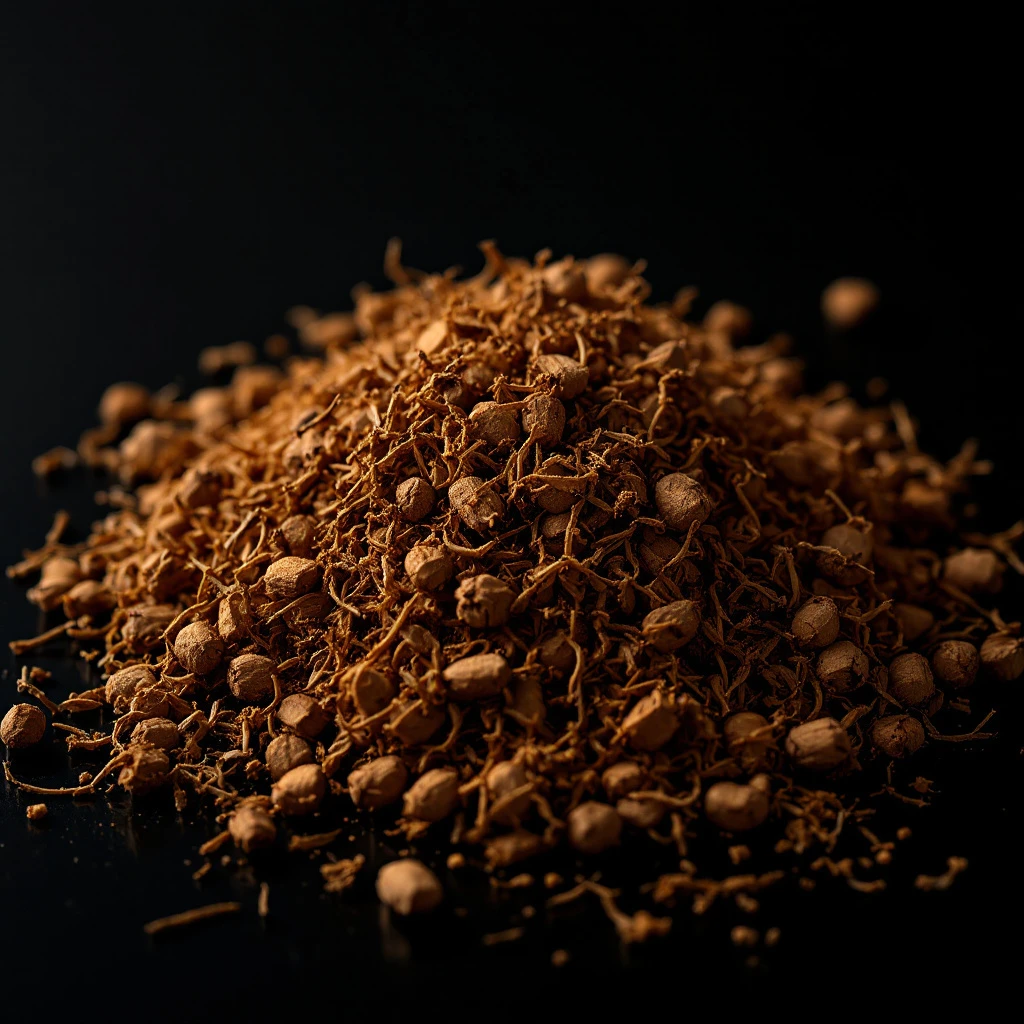
Black Tobacco
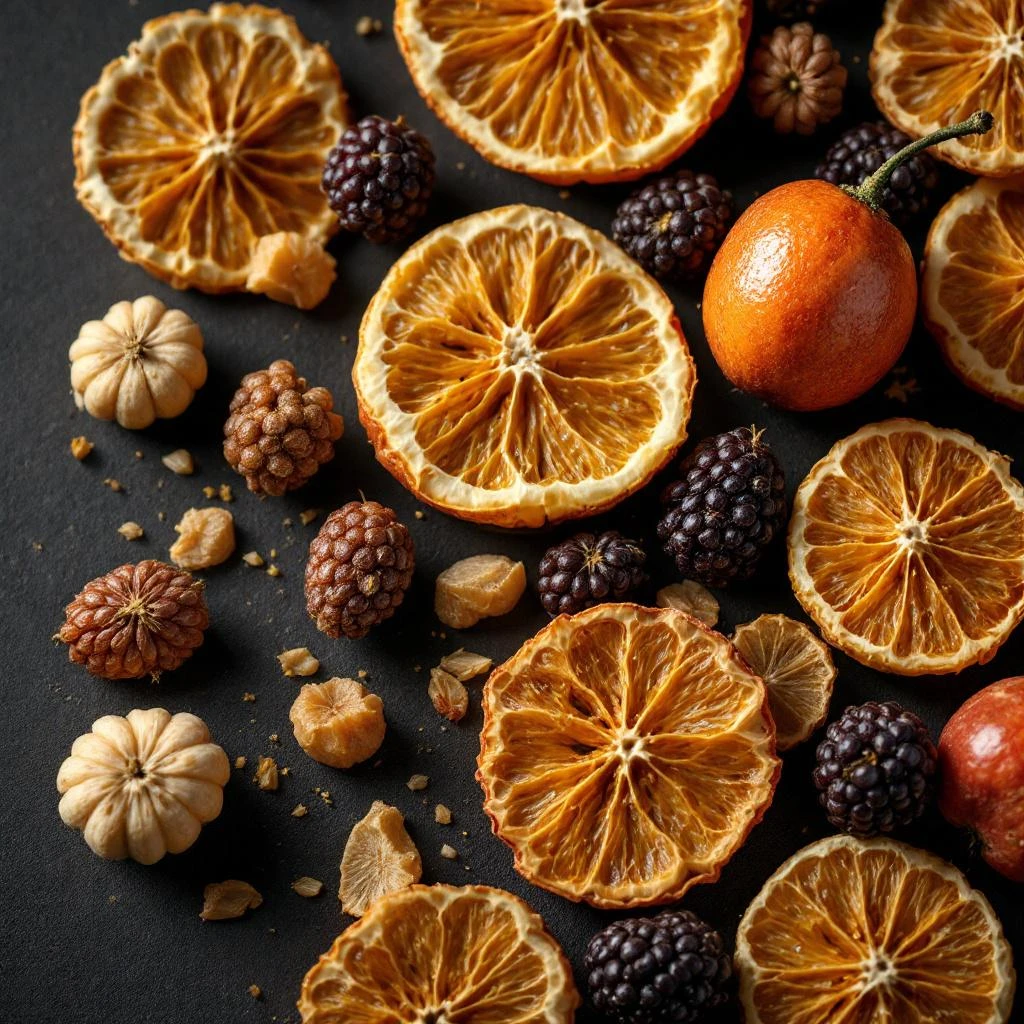
The bold, fermented heart of tobacco leaf. Dark, honeyed warmth meets ashy depth and subtle sweetness in this commanding character note that anchors fragrances with unmistakable presence.
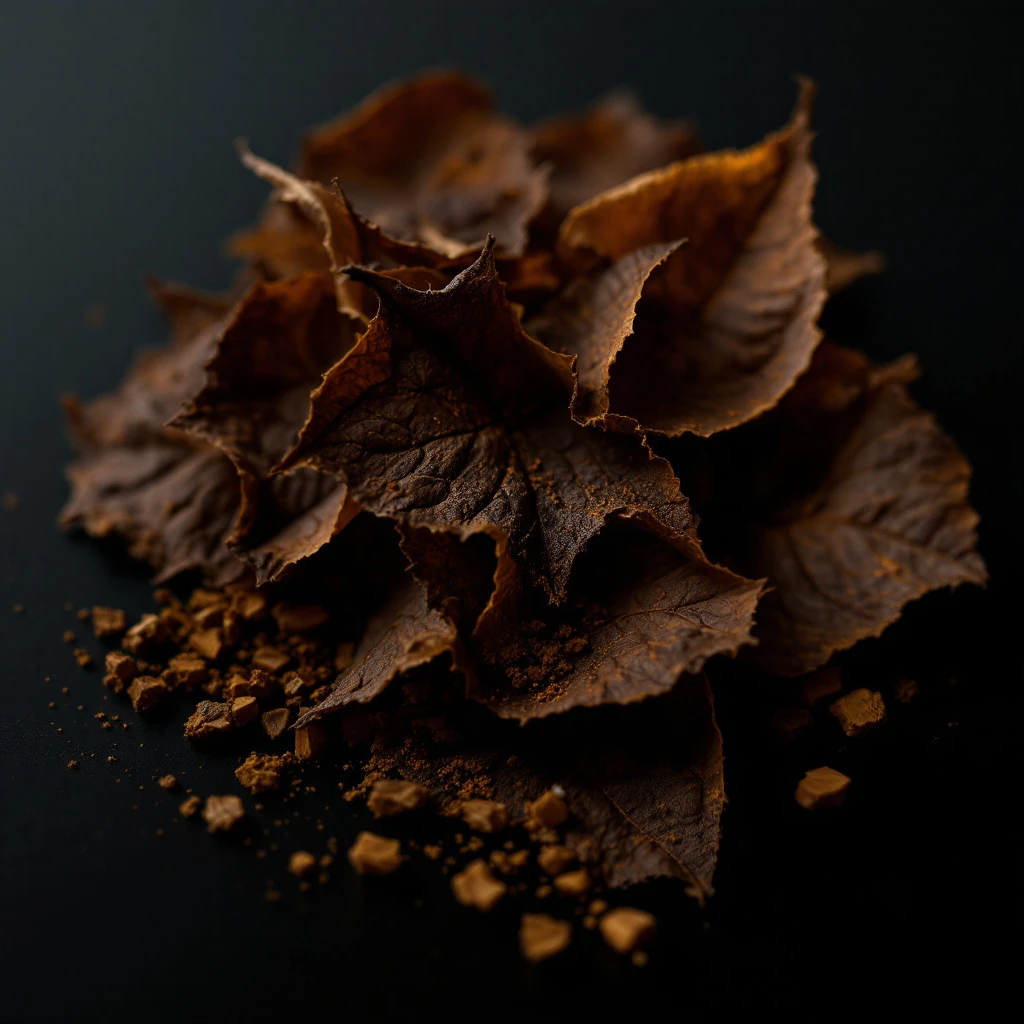
Character
How it smells
Bold, fermented, and unforgettable.
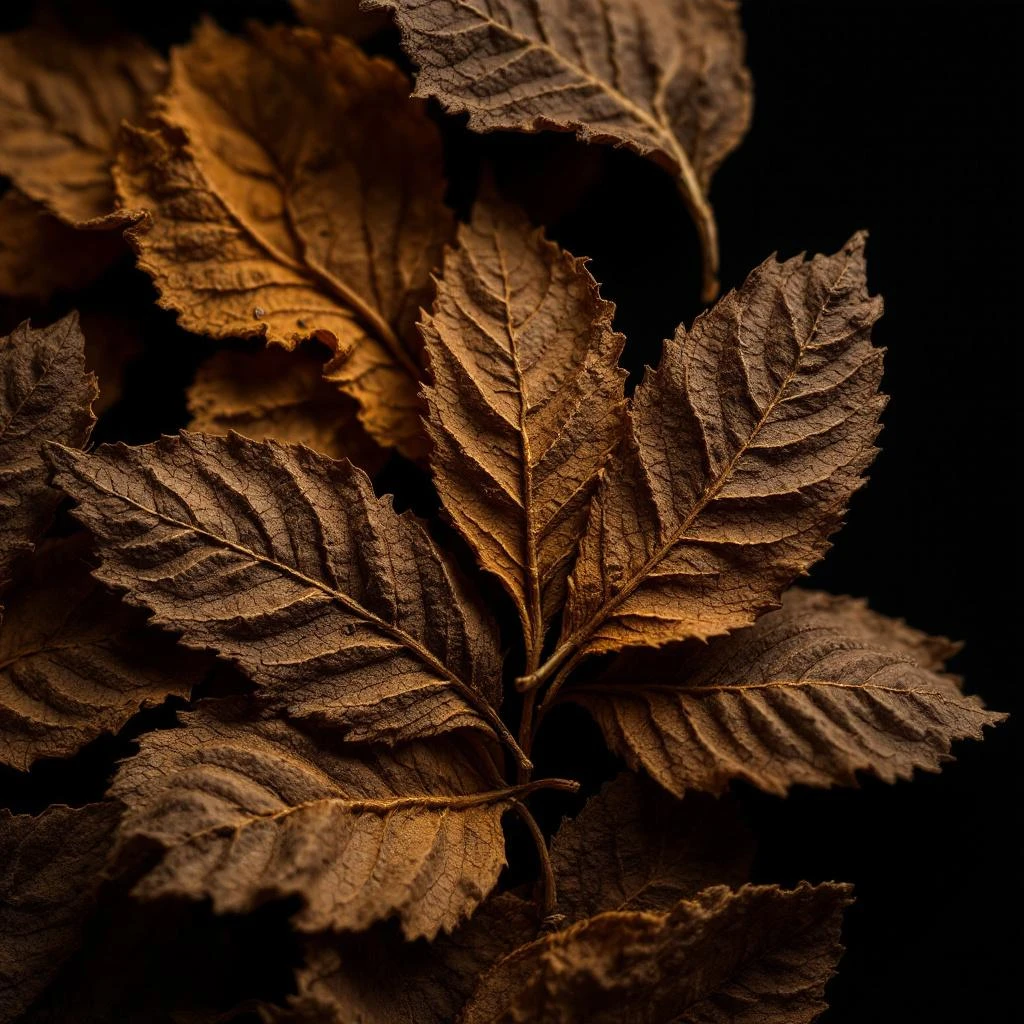
Tobacco absolute counts among perfumery's most complex materials, requiring dried leaves to ferment for up to a year before extraction.





Origin
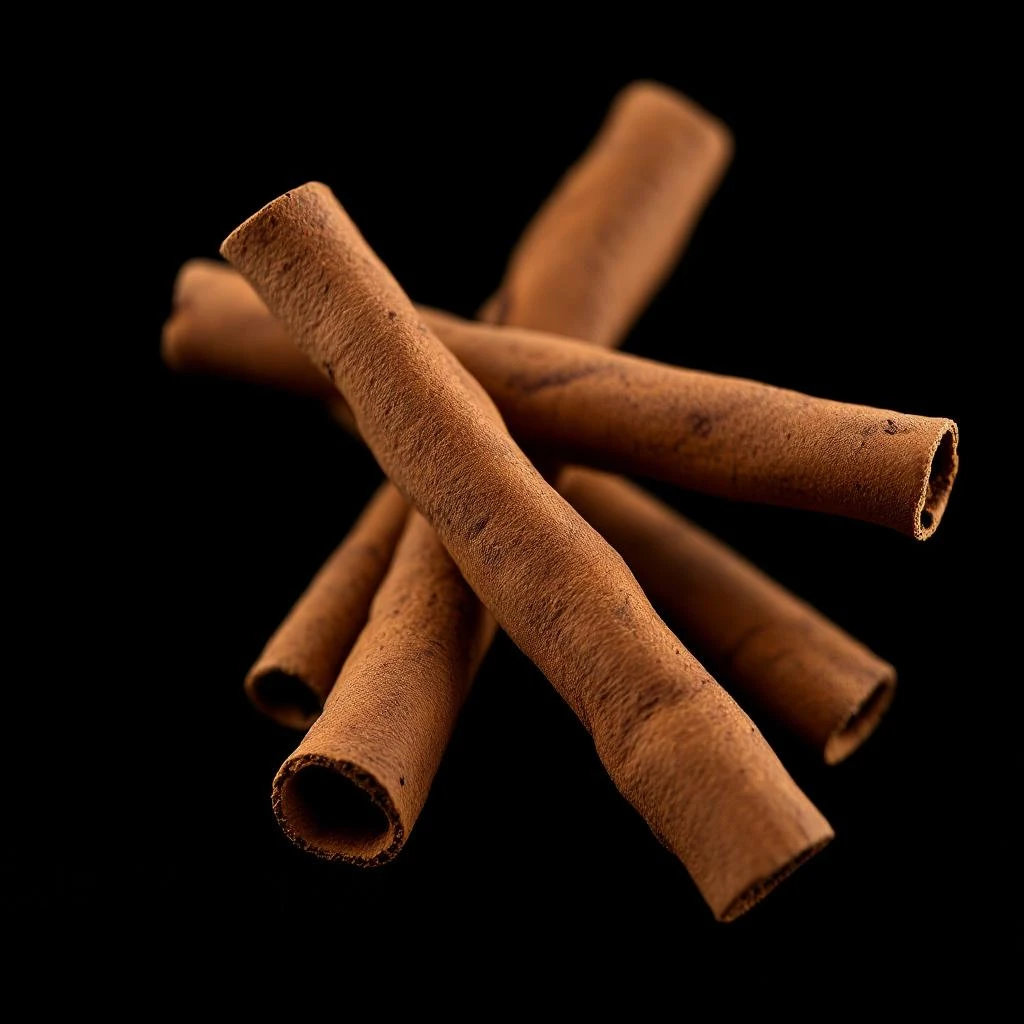
Mexico
Nicotiana tabacum originated in the Americas, where indigenous peoples cultivated and used tobacco for ceremonial, medicinal, and social purposes long before European contact. Spanish explorers encountered tobacco in the 15th century and introduced it to Europe, where it spread rapidly across continents despite varying levels of acceptance. Perfumery adopted tobacco relatively late compared to other botanicals, with tobacco absolute becoming a recognized ingredient in the 19th century as extraction techniques advanced.
The note gained prominence in masculine fragrances during the 20th century but now appears across gender categories. Its warm, complex character reflects both the agricultural traditions of tobacco farming and the skilled artistry of fragrance extraction, bridging ancient indigenous practices with modern perfumery.
Wears it best
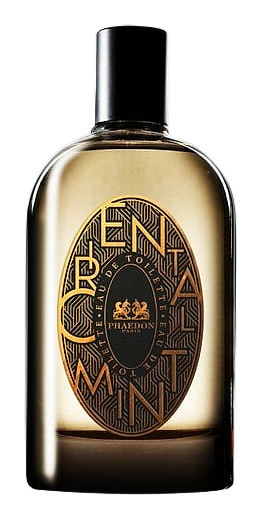
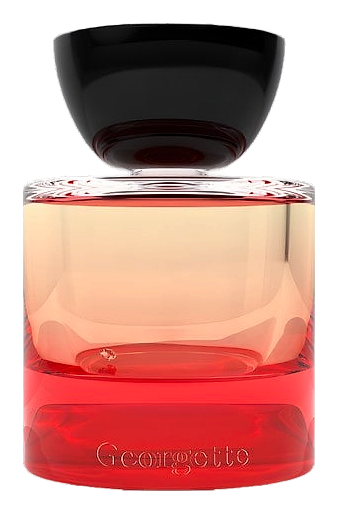
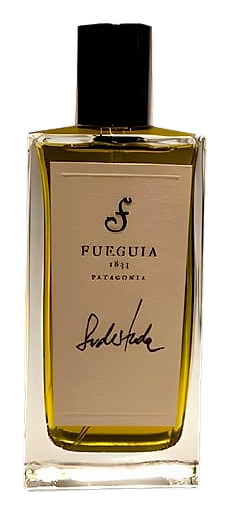
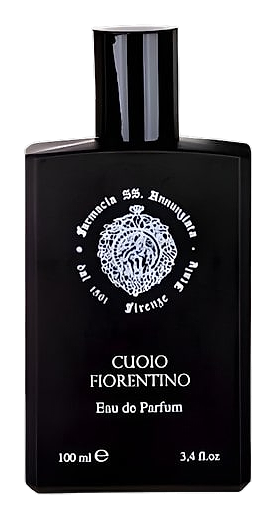
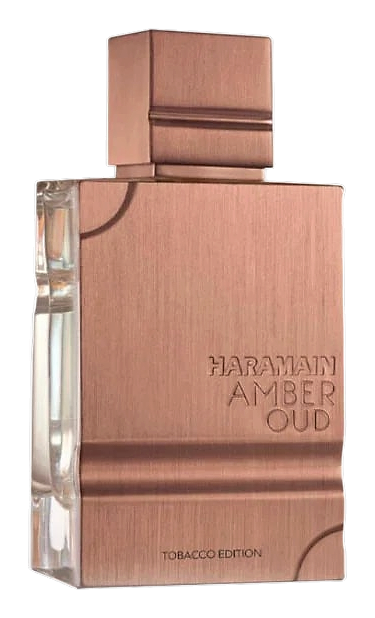
Fragrances featuring Black Tobacco
Brands
Brands known for Black Tobacco
Good to know
Questions, answered
The essentials on Black Tobacco in perfumery: how it smells, where it comes from, and how it behaves on skin.
What does tobacco absolute smell like?
Tobacco absolute smells intensely of cured, fermented tobacco leaves with a dark, honeyed sweetness and subtle smoky, leathery undertones. It ranks among perfumery's richest and most complex natural materials.
How is tobacco absolute different from fresh tobacco leaf?
Fresh tobacco leaves smell green and almost vegetable-like. Fermentation and extraction transform them into a dark, complex material with significantly amplified sweetness, warmth, and depth that fresh leaves lack.
Is tobacco absolute used in men's fragrances only?
No. While tobacco features prominently in masculine fragrances, contemporary perfumers use it across gender categories. The note appears in oriental, woody, and even some floral compositions regardless of marketed gender.
What fragrance families pair well with tobacco absolute?
Tobacco absolute anchors oriental, woody, and fougère compositions effectively. It pairs naturally with vanilla, benzoin, leather notes, spices like clove and cardamom, and woody materials such as cedar and sandalwood.
Why does tobacco absolute vary between producers?
Tobacco leaf origin, fermentation duration, and extraction parameters all influence the final absolute. Leaves from different growing regions produce notably different aromatic profiles, much like wine grapes.
Is tobacco absolute natural or synthetic?
Tobacco absolute is a natural material extracted from fermented tobacco leaves. Some fragrances use synthetic molecules like coumarin to approximate tobacco character, but natural absolute remains the premium choice.
What gives tobacco its characteristic dark color?
The fermentation process and solvent extraction concentrate chlorophyll and other plant compounds, producing the characteristic dark brown to nearly black color of tobacco absolute.
How long has tobacco been used in perfumery?
Tobacco absolute became recognized in perfumery during the 19th century as extraction techniques improved, though aromatic tobacco use in fragrances became prominent only in the 20th century.