The Story
Why it exists.
The beginning
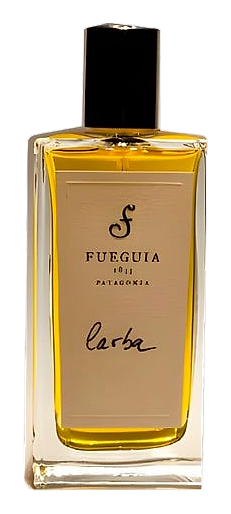
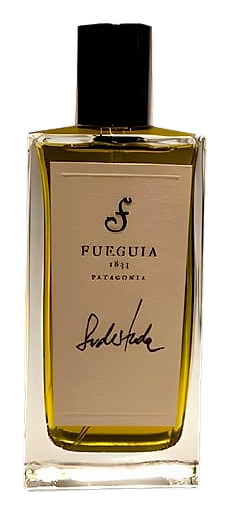
Sudestada is named for the sudestada, the southeasterly wind that sweeps across the Rio de la Plata estuary, carrying the scent of distant forests and citrus groves from the Corrientes province. Julian Bedel built this fragrance around that meteorological moment: the sudden arrival of something green and alive cutting through cooler, heavier air. The composition maps the wind's journey: cedar for the forest, neroli for the citrus groves, tobacco for the warmth beneath. It's a weather pattern rendered in three notes, a reminder that the best fragrances sometimes come from the most unlikely sources, in this case, a blast of cold, damp air off the Atlantic.
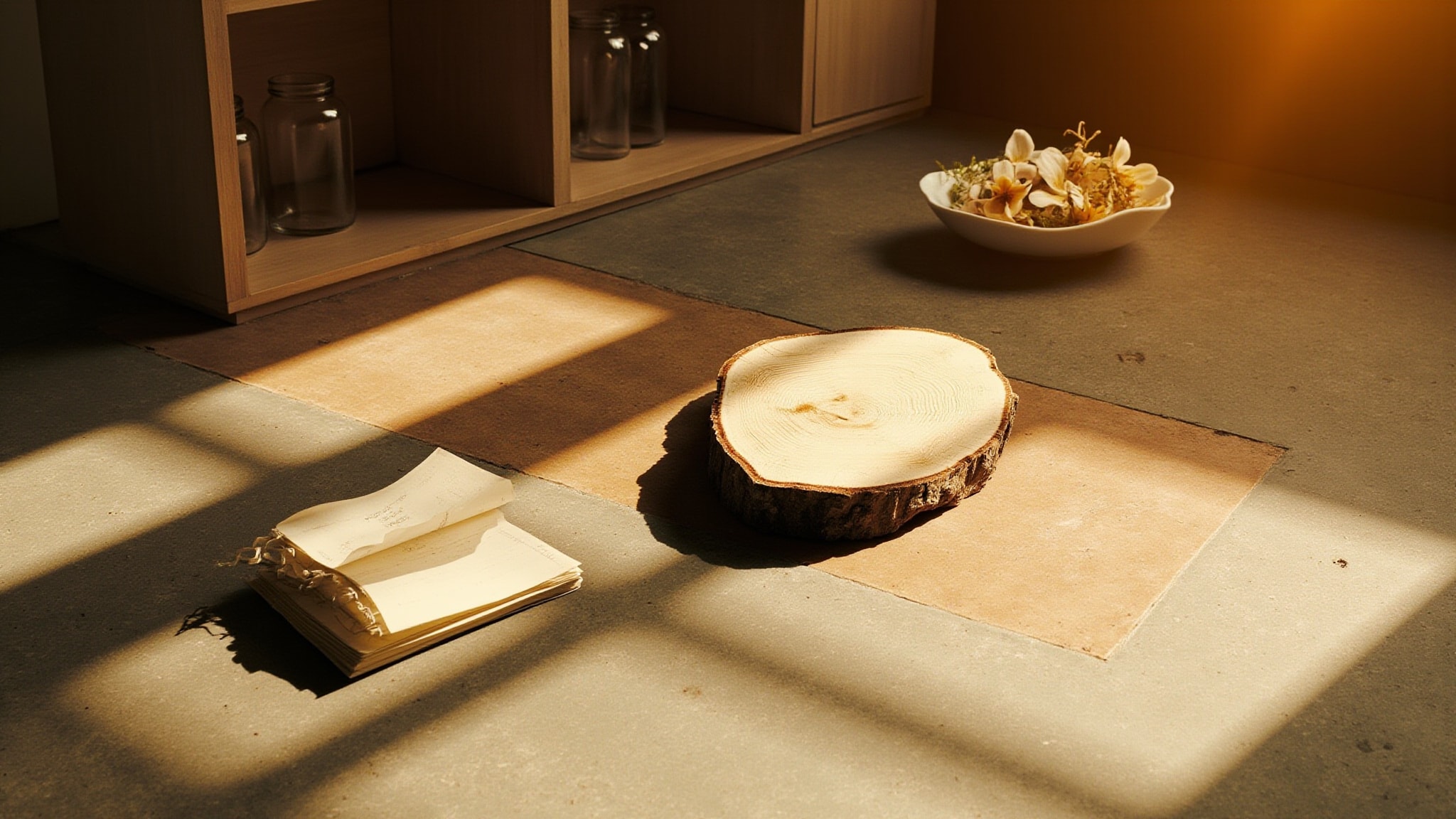
What makes Sudestada unusual is the clarity of its structure. Cedar dominates from the opening, but it's not the soft, rounded cedar of cashmere accords, it's dry, almost resinous, with a slight edge that reads as green before it settles into wood. The neroli arrives not as a gradual softening but as a counter-movement, bright and bitter-sweet against the cedar's weight. Black tobacco then grounds everything, adding warmth without sweetness. The result is a fragrance that smells less like a pyramid of notes than like a place, specifically, the moment the weather changes and the air carries something you've never smelled before.
The evolution
The opening announces cedar immediately, dry, assertive, with a faint green edge that suggests the moment before a forest fire. This isn't smoke yet, just the memory of heat. After twenty minutes, the neroli arrives like a shift in wind direction: cooler, brighter, unexpectedly clean against the wood. The contrast is sharp enough to feel almost dissonant before it settles. By the second hour, the two begin to merge, cedar softening, neroli deepening, into something quieter, warmer, with the tobacco beginning to surface as a low hum. The drydown brings black tobacco and cedar intertwined, the smoke no longer sharp but persistent, warm and close to the skin. On fabric, it lingers longer, leaving behind a soft trail. The next morning, faint traces of cedar and something almost sweet, the neroli's ghost, remain.
Cultural impact
Sudestada emerged from an effort to translate Argentine geographic identity into wearable form. The sudestada wind itself, a cold and powerful southeastern gust, provided the conceptual anchor for the fragrance. Rather than building a conventional woody-tobacco composition, the structure was pared down to three essential materials, allowing each one room to exist on its own terms. This approach prioritizes material authenticity and topicality over commercial appeal, positioning the house as operating outside typical fragrance industry conventions.